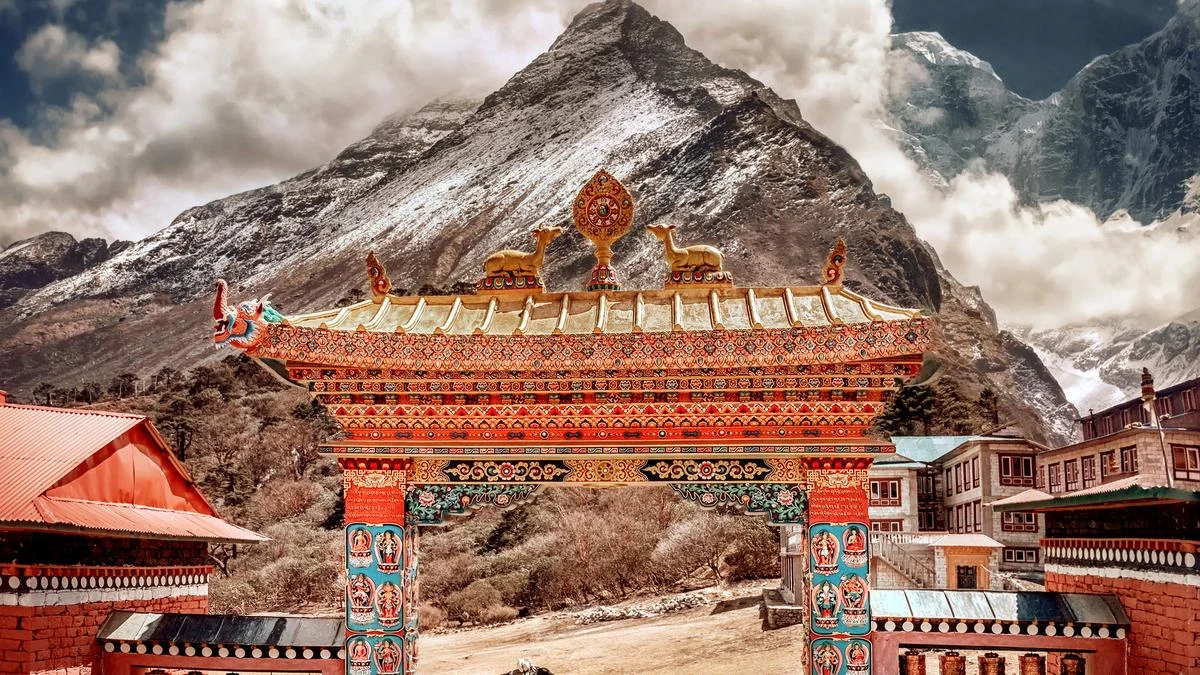
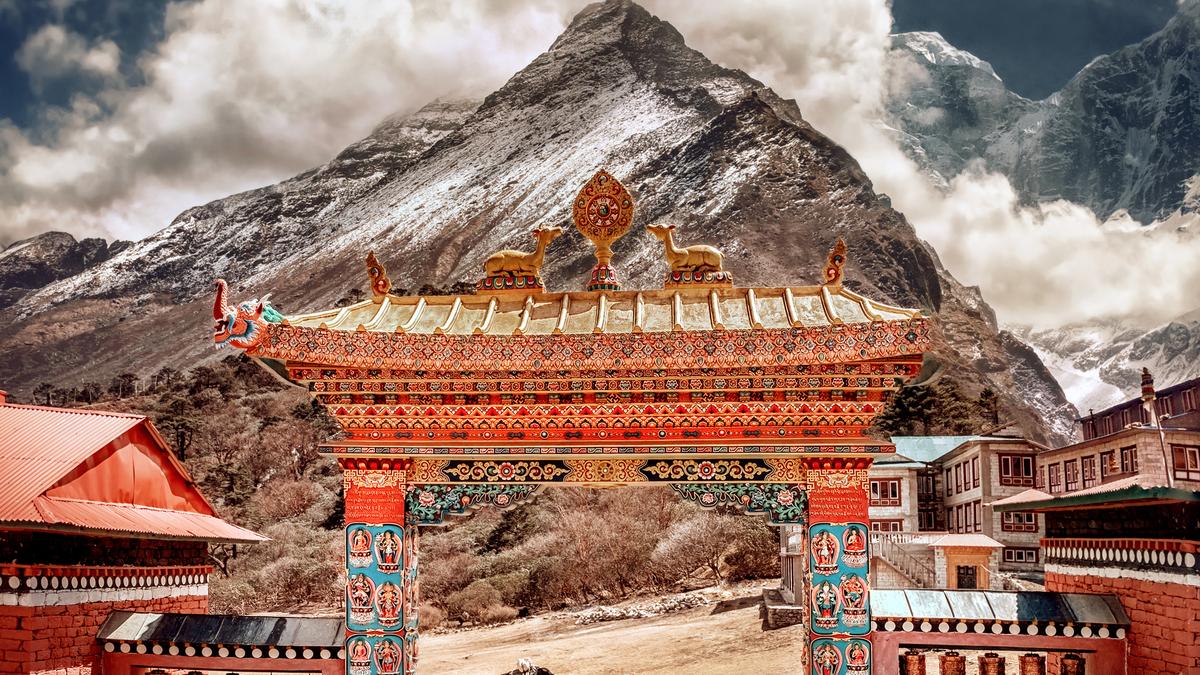
Kathmandu, Nepal – While the world’s gaze often fixates on the colossal allure of Mount Everest, particularly during Everest Day celebrations, a profound narrative unfolds at its feet. Nepal, a land pulsating with ancient traditions and a burgeoning modern spirit, offers a tapestry of experiences far richer and more nuanced than its towering peaks might suggest. This is a nation in dynamic transition, a place where the divine intertwines seamlessly with the everyday, and where a new generation is actively shaping its future.
The Allure of the Valley: A Counterpoint to Everest’s Crowds
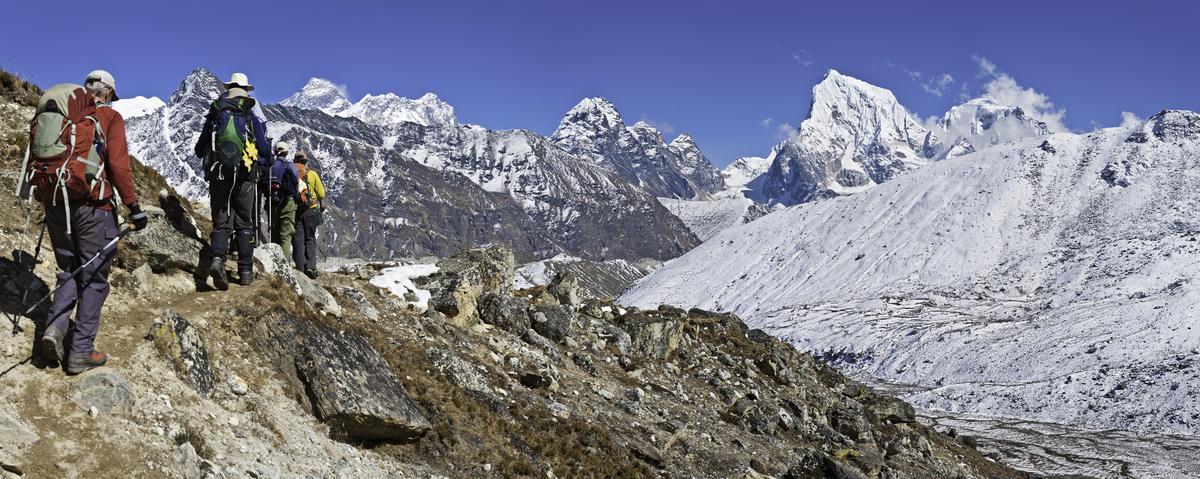
On Everest Day, a date commemorating Sir Edmund Hillary and Tenzing Norgay’s historic first ascent in 1953, the narrative surrounding Nepal often becomes synonymous with mountaineering. This year, the headlines have been dominated by record climbing seasons, concerns over overcrowding on the world’s highest mountain, and the undeniable environmental strain that accompanies its immense popularity. However, for those who seek to look beyond the celebrated summit, the valleys of Nepal, particularly the vibrant capital of Kathmandu, offer an equally compelling, if not more deeply immersive, experience.
Kathmandu, often perceived as a mere transit point for trekkers, pulsates with an energy that defies this simplistic label. It is a city where fervent prayer, ancient rituals, and unexpected encounters are woven into the very fabric of daily life. The boisterous district of Thamel, with its myriad of nightclubs, outdoor gear shops, and climbers clad in "Annapurna Base Camp" t-shirts, serves as a gateway to a different kind of adventure. Venturing into the historic Durbar Square, one is immediately immersed in a captivating blend of devout believers, eager TikTokers capturing fleeting moments, and curious tourists.
Echoes of Divinity: The Living Goddess and Enduring Traditions
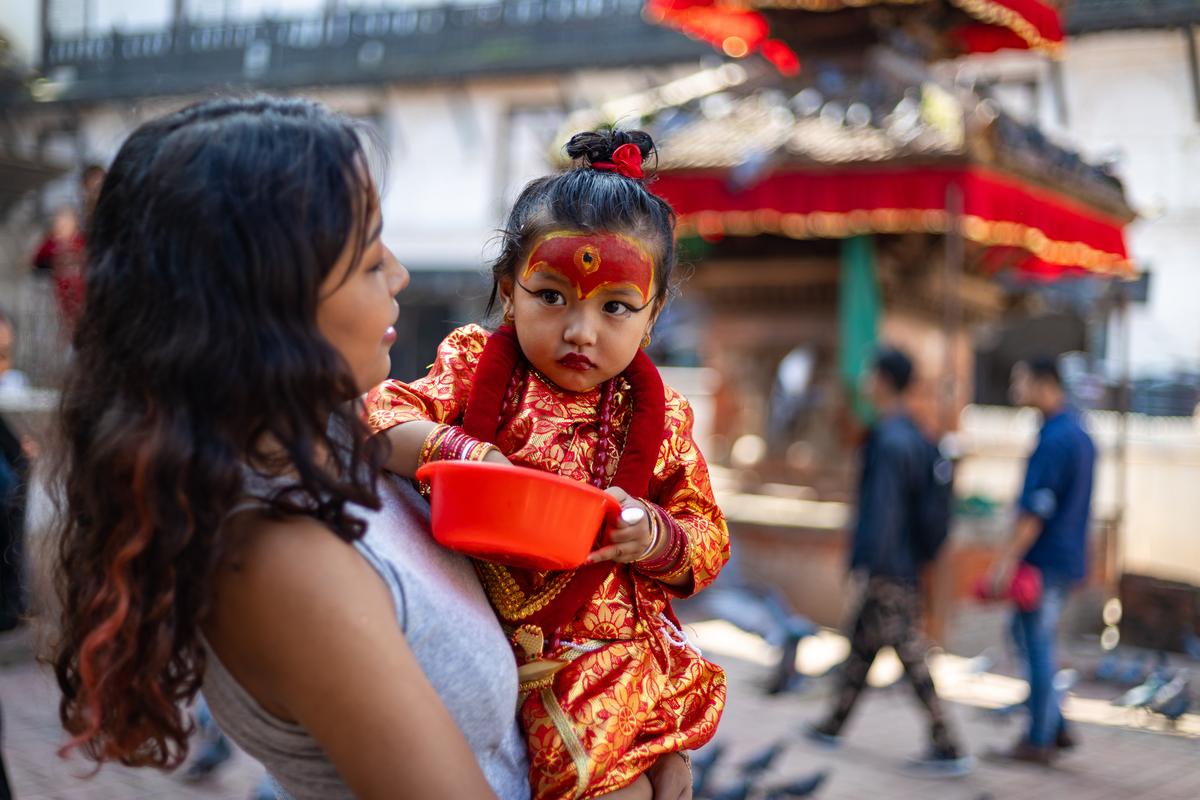
It was in Kathmandu, amidst this vibrant chaos, that the author experienced a moment of profound awe – an unexpected encounter with what felt like a living goddess. This experience occurred at the Kumari Ghar, the traditional residence of the Kumari, a young girl revered as a living embodiment of the divine feminine in Nepalese culture.
Following a queue of individuals, a mix of the deeply pious and the simply curious, the author entered the sacred space. The air hushed as the Kumari, a four-year-old adorned in a resplendent red and gold ensemble, her eyes dramatically accentuated with kohl, appeared at a intricately carved wooden window. Her gaze, fixed upon the crowd below, held a captivating stillness. The spell was broken, however, by the intrusion of modern technology – influencers immediately vying for attention with their phones, despite a handwritten "No TikTok" sign prominently displayed. This juxtaposition highlights a central theme in contemporary Nepal: the delicate dance between preserving ancient traditions and navigating the relentless tide of globalization and digital culture.
The presence of the Kumari is a powerful reminder of the deep-seated spiritual reverence that permeates Nepalese society. It is a tradition that has endured for centuries, a testament to the enduring power of faith and cultural heritage. This sacredness is not confined to specific sites; it is woven into the very fabric of everyday life. Stepping out from the Kumari Ghar, one might witness a troupe of young Nepalis rehearsing a dance routine in faded jeans and leather jackets, their modern exuberance juxtaposed against the solemnity of a nearby ancient Kaal Bhairav shrine, its fierce stone carving a testament to millennia of devotion.
A Nation in Transition: The Moxy Effect and a New Dawn
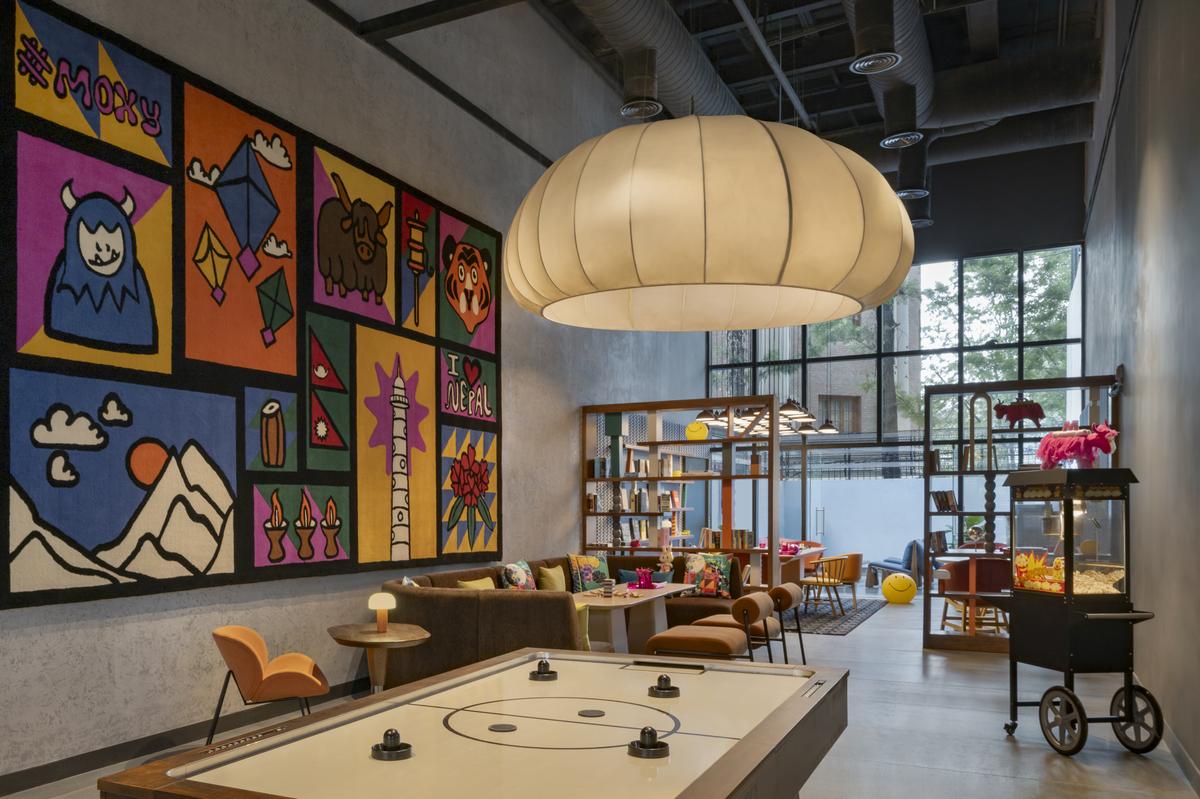
The author’s presence in Kathmandu was, in part, to witness the launch of Moxy Kathmandu, a hotel that offers a unique lens through which to view Nepal’s ongoing transition. For decades, Nepal has captivated travelers, from the hippies who flocked to "Freak Street" in the 1960s and 70s in search of spirituality and counterculture, to the modern-day adventurers drawn by its natural beauty.
The Moxy’s philosophy of connecting travelers with the city, rather than isolating them, reflects a broader shift in the hospitality and tourism landscape. The hotel, strategically located in Durbarmarg, close to the bustling energy of Thamel, aims to be a hub for exploration and connection. Upon check-in, guests are not just handed keys, but also offered cocktails, curated hiking suggestions, and VIP passes to some of the city’s most vibrant nightclubs, such as Purple Haze, known for its high-energy local bands, Nova, claiming to be Asia’s largest nightclub, and the Supperclub, offering a fusion of dim sum and disco.
The hotel’s lobby, alive with music day and night, features a bar serving coffee, smoothies, and cocktails. It is a space designed for interaction, mirroring the communal charm of backpacker hostels but elevated with a touch of luxury. The 101 guestrooms, though compact, are thoughtfully designed to maximize space, offering comfort and quietude. The presence of playful elements, like an oversized stuffed teddy bear or a comfortingly pink, woollen yak at the bedside table, adds a whimsical touch.
Beyond the Peaks: Exploring the Richness of the Valleys
The Moxy’s launch party, a vibrant gathering of Kathmandu’s creative elite, offered a glimpse into the city’s dynamic contemporary culture. Amidst games of beer pong and Polaroid snapshots by the pool, the conversation often turned to the country’s future. Digital creator Parakram Rana articulated a sentiment of burgeoning optimism, stating, "The country now has a golden opportunity to make a difference. Young people are now more politically aware, and eager to participate."
This optimism is palpable throughout the city. A scenic hike to Nagi Gompa, a Buddhist monastery nestled amidst wildflowers, provided an opportunity to connect with this sentiment on a deeper level. The guide, Prashan Poudyal, echoed the belief in a new era for Nepal, even curating a playlist of popular songs by Balendra Shah, the nation’s youngest Prime Minister, fondly known as Balen. "The prime minister is my age," he smiled, "We finally have someone who thinks young."
This sentiment of youthful engagement and hope is crucial for Nepal’s tourism sector. Moxy Kathmandu, along with numerous other hotels and stakeholders, is actively working to attract visitors to not only the capital but also to the ancient, UNESCO World Heritage cities of Patan and Bhaktapur. Sunil Sharma, officiating director at the Nepal Tourism Board, emphasizes that Nepal offers far more than just trekking. He highlights the country’s potential as a destination for safaris in Chitwan, as well as for wellness retreats and destination weddings. He notes the significant growth in tourism along border towns, attributing it to improving infrastructure and the increasing presence of global brands.
A Tapestry of Culture: From Ancient Courtyards to Culinary Delights
The exploration of Nepal’s cultural richness extends beyond the iconic Durbar Squares. A journey through Patan’s hidden courtyards reveals serene shrines, while Bhaktapur offers a glimpse into the esoteric world of tantric goddesses, often discovered in unassuming antique stores. The author’s experience of being a pillion rider on a speedy InDrive bike, braving a downpour to reach Barahi Ajima Shakti Peeth, underscores the adventurous spirit and the deep-rooted spiritual practices that define Nepalese life.
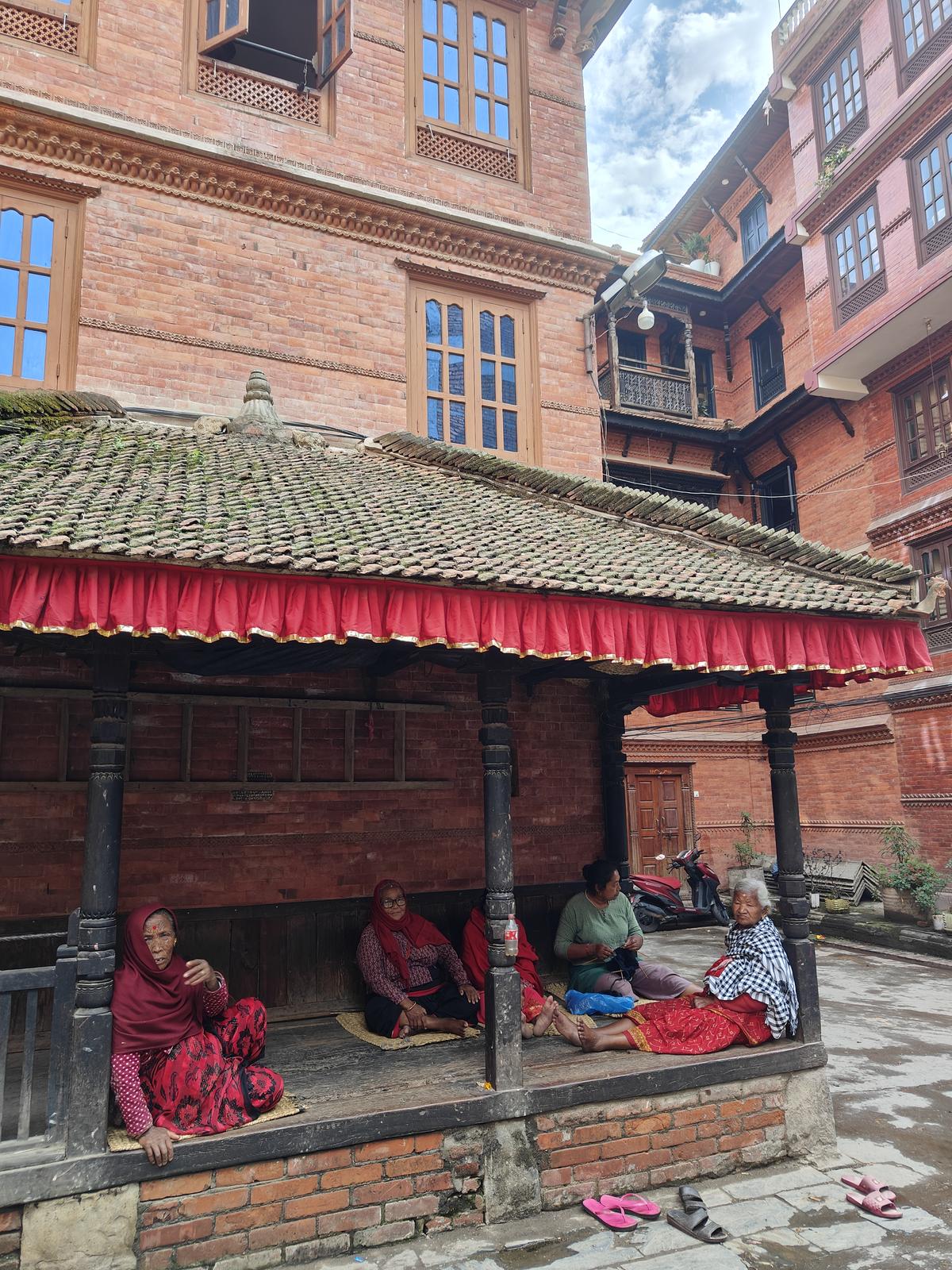
The journey to these sacred sites often involves moments of quiet contemplation. Waiting out a downpour at a falcha, one of the many century-old communal rest platforms found across Nepal, provides a glimpse into the unhurried pace of local life, where elders now gather to knit and share stories. In Bhaktapur, a city renowned for its well-preserved heritage, cultural advocate and historian Rushel Shilpakar shares his iPad, displaying a city plan drawn like a mandala, before embarking on a four-hour walking tour. The excursion is punctuated by pauses to savor juju dhau, a delectable sweet, creamy yogurt made from rich buffalo milk and served in traditional clay pots.
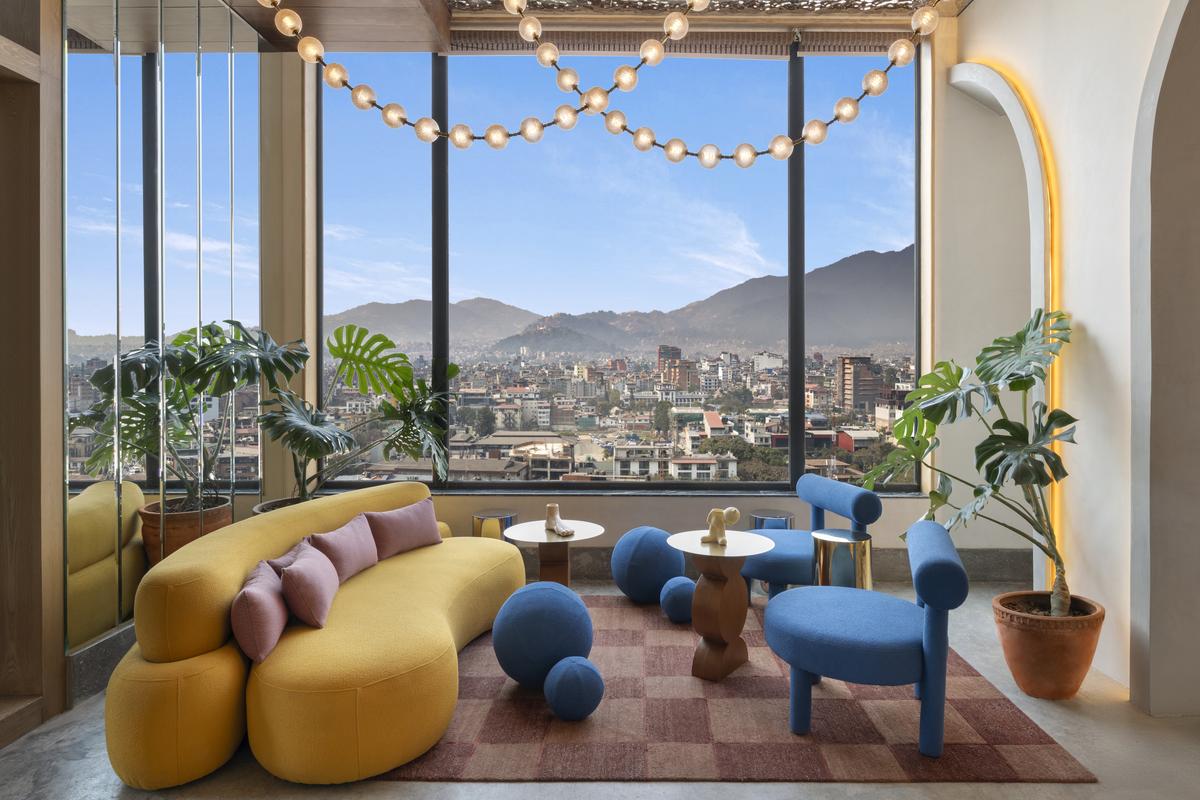
The culinary scene in Nepal is also a testament to its diverse heritage. At Moxy’s La Hacienda, Mexican Chef Martin Hernandez Lopez curates a menu of Latin American delights. However, the rooftop bar offers a more local experience, serving a glass of wine alongside fiery Nepali Choila – buff tempered in mustard oil and Timur, accompanied by crunchy beaten rice. This flavorful dish, a true representation of Nepalese gastronomy, is best enjoyed with a spectacular panoramic view.
A Return to Roots: The Magic of Harmony in Chaos
The appeal of Nepal is deeply rooted in its ability to offer a unique blend of the ancient and the modern, the sacred and the secular. In Patan, mornings begin with freshly fried sel rotis, a crunchy rice flour delicacy, followed by moments of quietude among chanting monks at the 12th-century Hiranya Varna Mahavihar.
Evenings in Kathmandu offer a sophisticated blend of local flavors and international flair. At Bitters & Co., a stylish cocktail bar, Rabin Gurung, who returned to Nepal after years in Hong Kong, crafts drinks using indigenous ingredients like sea buckthorn, fermented leafy greens, and the pleasantly numbing Timur peppers. The bar’s design, with an indoor tree reminiscent of communal falchas, fosters a sense of connection. Here, one can savor crunchy, spicy Wai Wai sadeko and sample Titora shooters, a potent blend of dry fruit hog plum, offering an addictive chatpata kick of complex sweet, sour, and salty flavors.
Gurung’s decision to return to Nepal is a testament to the country’s enduring allure. "This is home," he explains. "We have a living goddess. We have heritage. If you want to see harmony in chaos, come to Nepal. There is magic here." This magic, coupled with the palpable sense of optimism, suggests a bright future for Nepal, a nation poised to captivate the world with its unique blend of tradition, spirituality, and a vibrant, forward-looking spirit.
Official Perspectives and Future Implications
The Nepal Tourism Board, through officials like Sunil Sharma, is actively promoting a diversified tourism strategy. "Look at the border towns from West Bengal, as infrastructure improves, so does tourism. That stretch is full of hotels now," he observes, highlighting the potential for growth driven by enhanced connectivity and infrastructure development. The board anticipates an increase in global brands establishing a presence in Nepal this year, signaling a growing confidence in the country’s tourism potential.
The resurgence of optimism is further bolstered by the political landscape. The election of Balendra Shah, a former rapper and mayor, as the nation’s youngest Prime Minister, has instilled a sense of hope and dynamism. This "Balen effect," as it’s informally known, resonates with the younger generation, who feel a greater sense of representation and empowerment. This demographic shift is expected to drive innovation and a renewed focus on sustainable development and tourism.
The implications of this transition are far-reaching. For the tourism industry, it means a greater emphasis on experiential travel, cultural immersion, and sustainable practices. The focus will likely shift from mass tourism to niche segments, catering to travelers seeking authentic experiences, wellness, and adventure. The government’s commitment to improving infrastructure, coupled with the growing engagement of the youth, creates a fertile ground for the growth of diverse tourism offerings.
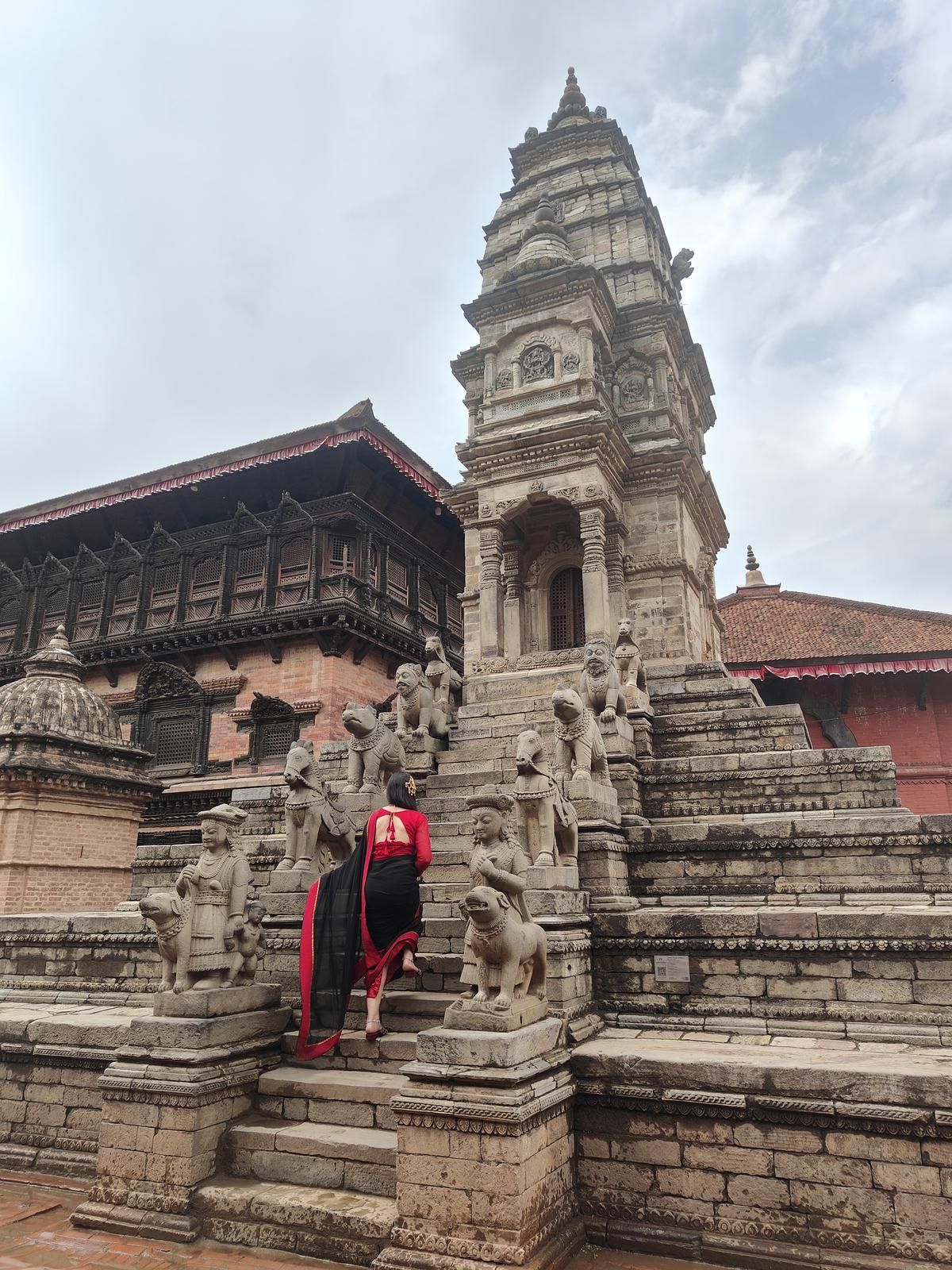
Furthermore, the integration of modern amenities and experiences, as exemplified by Moxy Kathmandu, alongside the preservation of ancient heritage sites like Bhaktapur and Patan, presents a compelling narrative for global travelers. The success of these initiatives will depend on a continued focus on sustainable development, community engagement, and a commitment to showcasing the true spirit of Nepal – a land of breathtaking landscapes, profound spirituality, and a resilient, hopeful people. The author’s initial surprise at encountering a "living goddess" in Kathmandu has evolved into a profound appreciation for a nation that seamlessly blends the divine with the everyday, a nation that is not just a destination, but a living, breathing testament to the enduring power of culture and the promise of a vibrant future.