

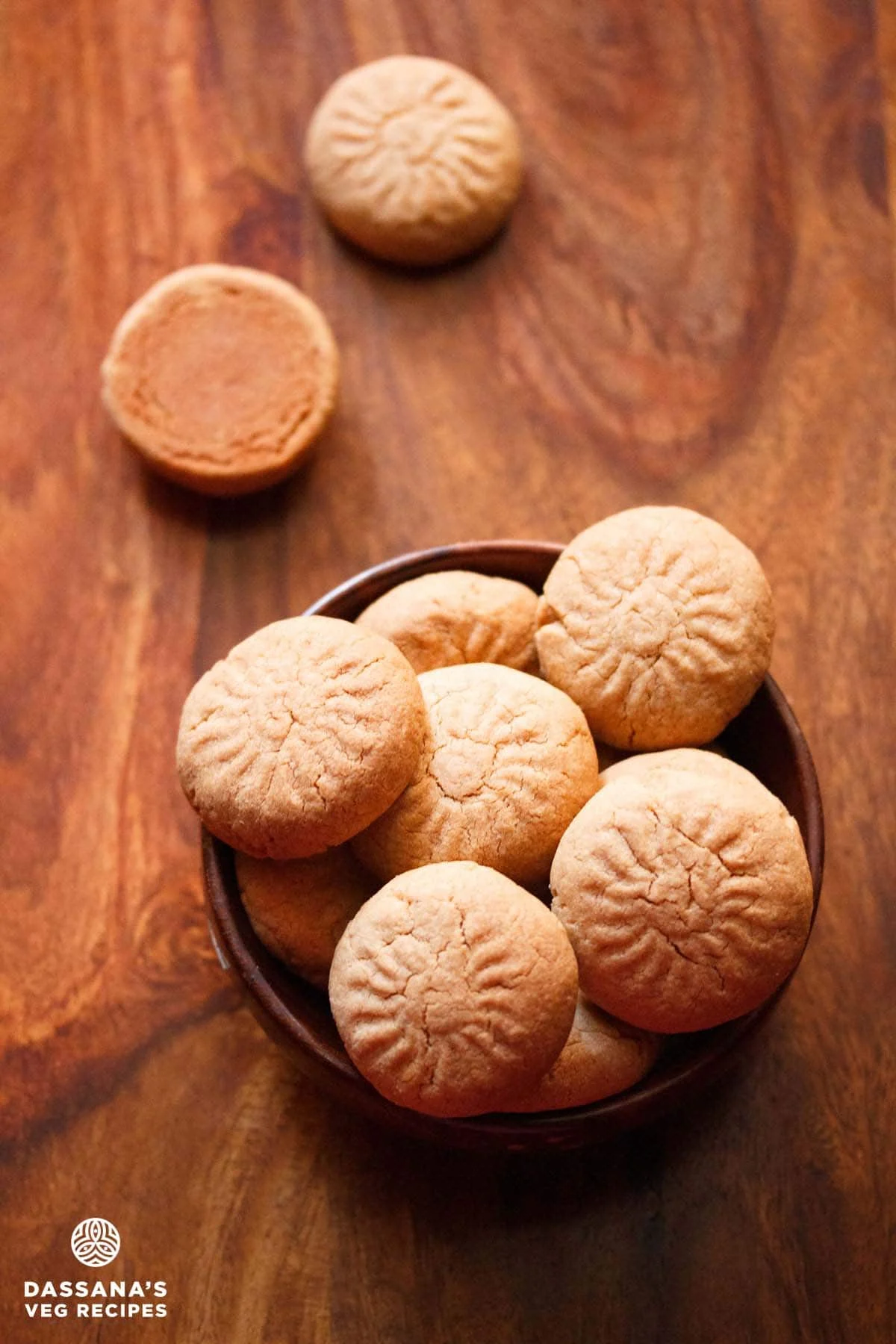
NEW DELHI – In the evolving landscape of global confectionery, a significant shift is occurring within the Indian culinary sector. As consumers increasingly pivot away from ultra-processed snacks and refined flours, the traditional "Atta Biscuit"—a whole wheat staple of local bakeries—is experiencing a sophisticated resurgence. Once considered a humble accompaniment to the ubiquitous cutting chai, these biscuits are now being reimagined by home bakers and artisanal pastry chefs as a nutrient-dense, gourmet alternative to the mass-produced, refined-flour (maida) cookies that have dominated the market for decades.
This report examines the technical precision, nutritional profile, and cultural significance of the whole wheat biscuit, analyzing why this specific iteration of the "Indian cookie" is capturing the attention of health-conscious gourmands.
Main Facts: The Anatomy of a Modern Classic
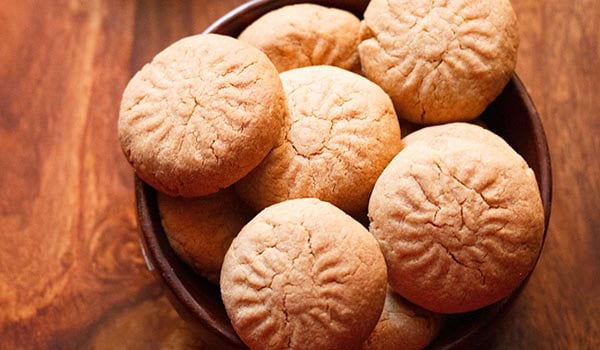
The Wheat Biscuit, known indigenously as the Atta Biscuit, is a crisp, buttery shortbread-style cookie. Unlike its Western counterparts, which often rely on vanilla or chocolate, the Indian wheat biscuit is characterized by a complex aromatic profile derived from indigenous spices: cardamom, saffron, and nutmeg.
The Composition
The primary differentiator of the Atta Biscuit is the use of wholemeal flour. In India, this is "atta," a finely ground flour made from hard wheat varieties. Its high bran and germ content provides a rustic, nutty undertone that contrasts sharply with the neutral, often pasty texture of all-purpose flour.
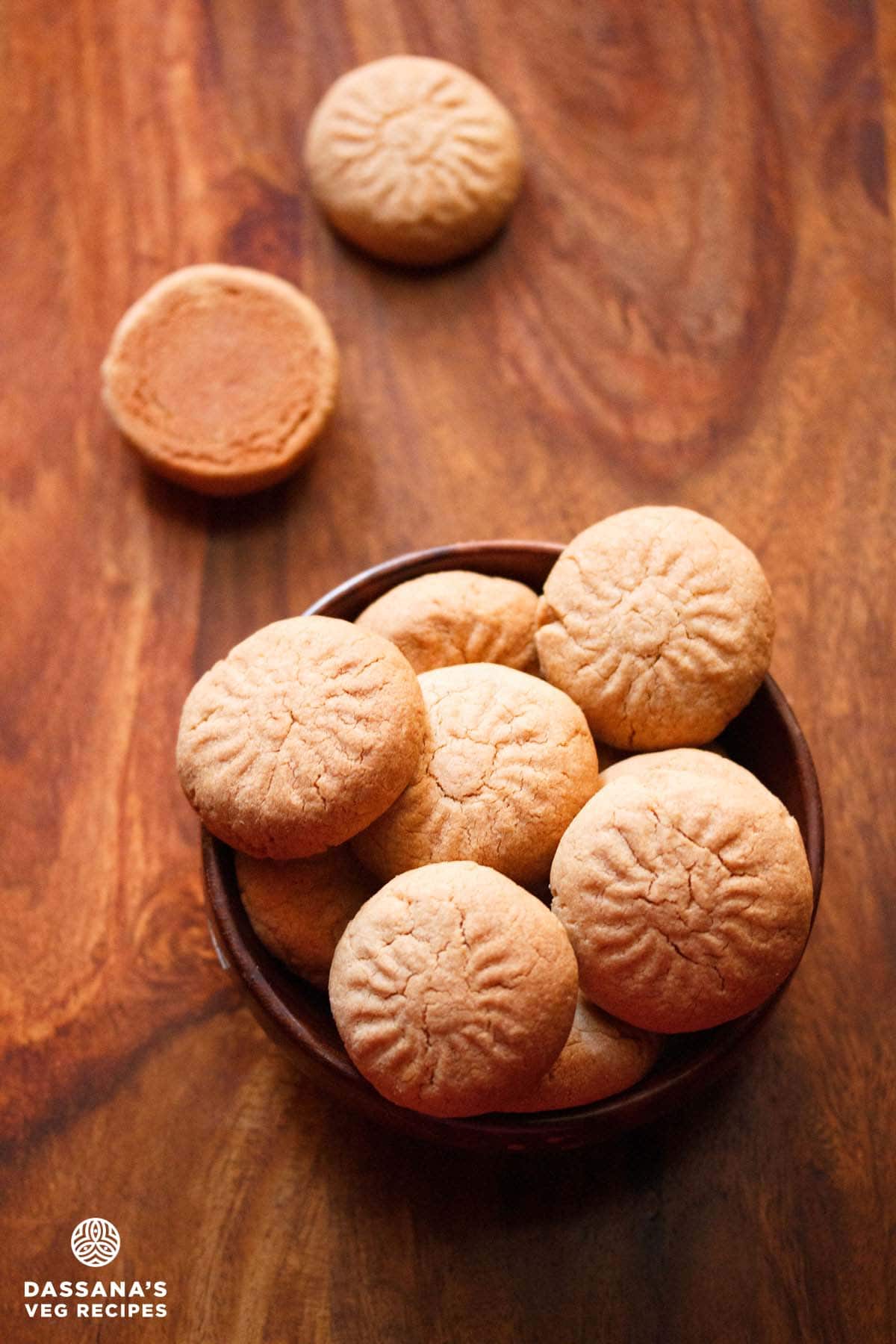
To achieve the desired "light crumbly texture," culinary experts incorporate a specific ratio of "besan" (gram flour). This addition is not merely for flavor; the chickpea-based flour disrupts the gluten network of the wheat, ensuring the biscuit remains tender rather than bread-like. The inclusion of fats—traditionally butter or semi-solid ghee—serves to "shorten" the dough, a chemical process where fat coats the flour particles to prevent excessive moisture absorption and gluten development.
Key Flavor Markers
- Cardamom (Elaichi): Provides a citrusy, floral top note.
- Saffron (Kesar): Lends a subtle earthy depth and a faint golden hue.
- Nutmeg (Jaiphal): Offers a warm, woody finish that complements the toasted notes of the wheat.
Chronology: The Evolution from Dough to Delicacy
The production of high-quality wheat biscuits is a chronological exercise in temperature control and textural management. The following timeline outlines the standardized professional approach to creating a batch of approximately 300 grams (13–14 medium-sized biscuits).
Phase I: Aromatic Infusion and Preparation
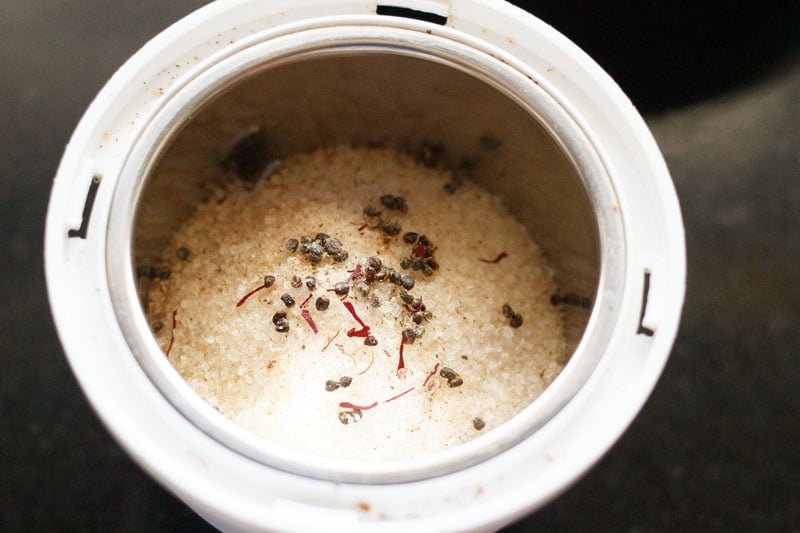
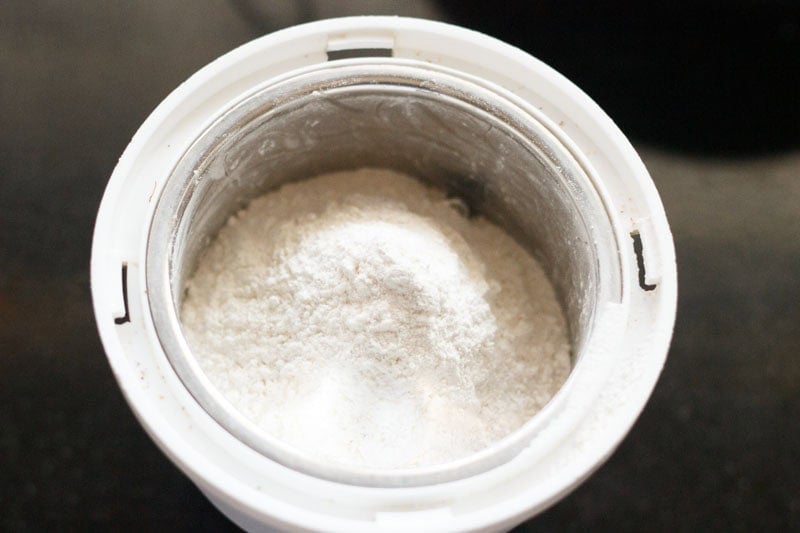
The process begins with the homogenization of sweeteners and aromatics. Rather than using pre-packaged powdered sugar, which often contains anti-caking agents like cornstarch, traditional recipes call for grinding granulated sugar (approximately 70 grams) directly with 4 to 5 green cardamom seeds, a pinch of saffron, and a fraction of a teaspoon of grated nutmeg. This ensures that the essential oils of the spices are immediately captured by the sugar crystals.
Simultaneously, the oven is calibrated to 180 degrees Celsius (356 degrees Fahrenheit). Professional bakers emphasize a 15-minute preheating window to ensure a stable thermal environment, which is critical for the initial "oven spring" and fat expansion within the dough.
Phase II: The Dry Blend and Fat Incorporation
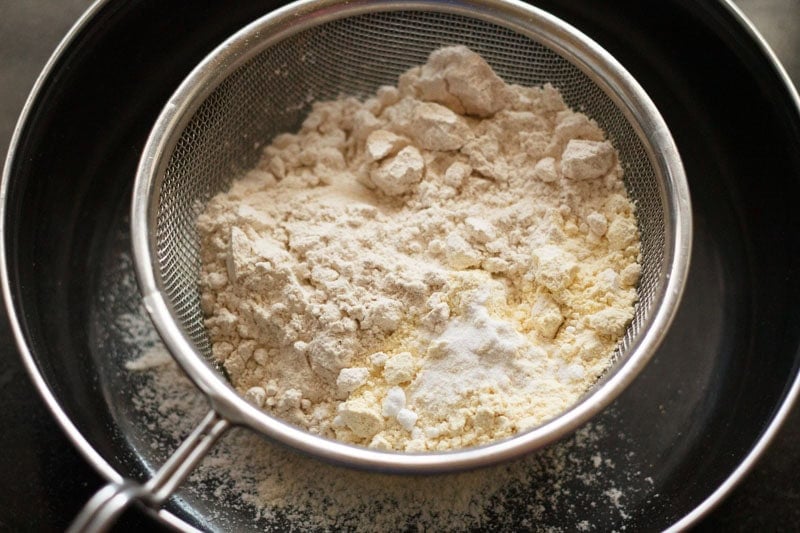
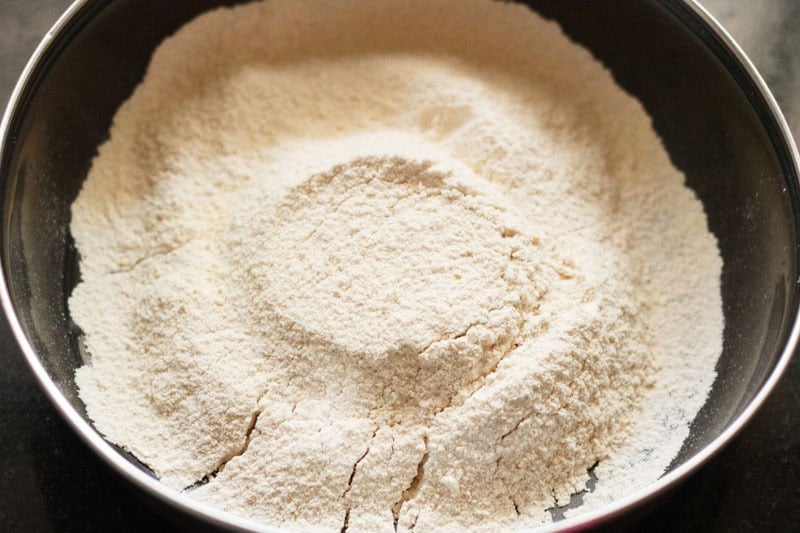
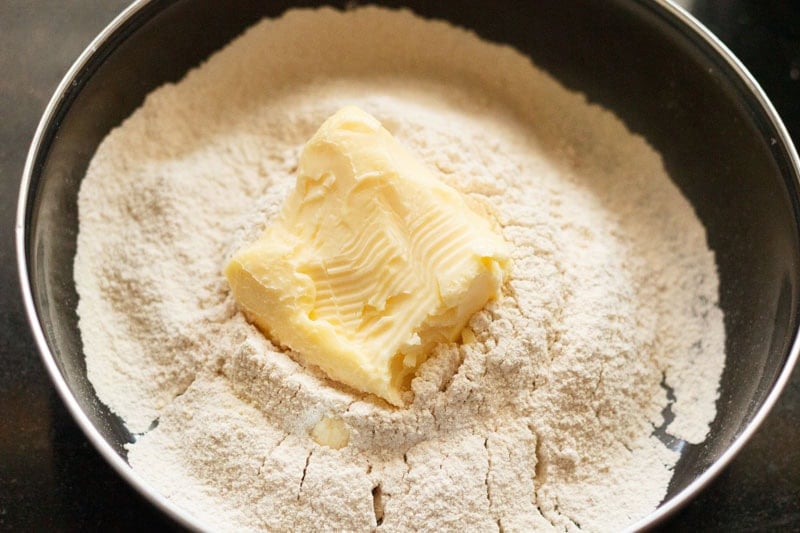
The "rubbing-in" method is employed during the second stage. One cup of whole wheat flour is sifted twice with two tablespoons of gram flour and a leavening agent (baking soda or powder). Sifting is particularly vital for international wheat varieties, which may be coarser than Indian atta; it aerates the flour, contributing to a lighter crumb.
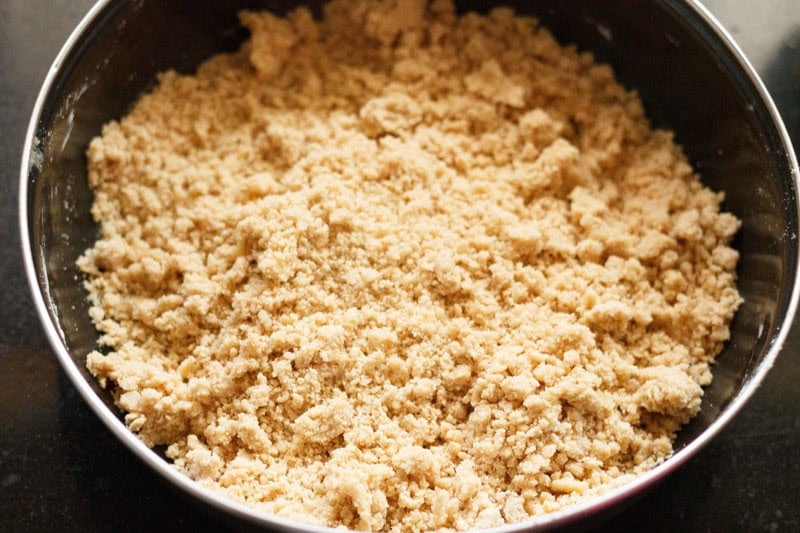
Cold butter (70 grams) is then integrated. Using fingertips or a pastry cutter, the baker works the fat into the dry mixture until it resembles fine breadcrumbs. This stage is time-sensitive; if the butter melts prematurely due to ambient heat, the biscuits will lose their characteristic flakiness and become dense.
Phase III: Binding and Structuring
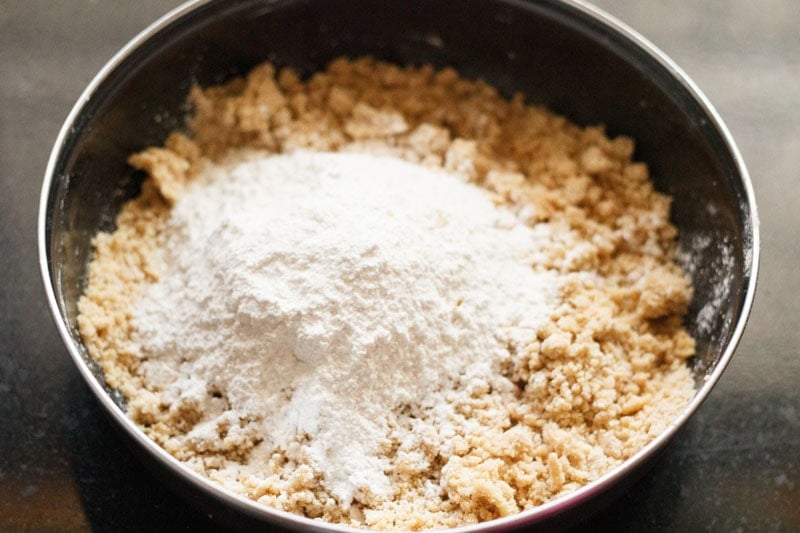
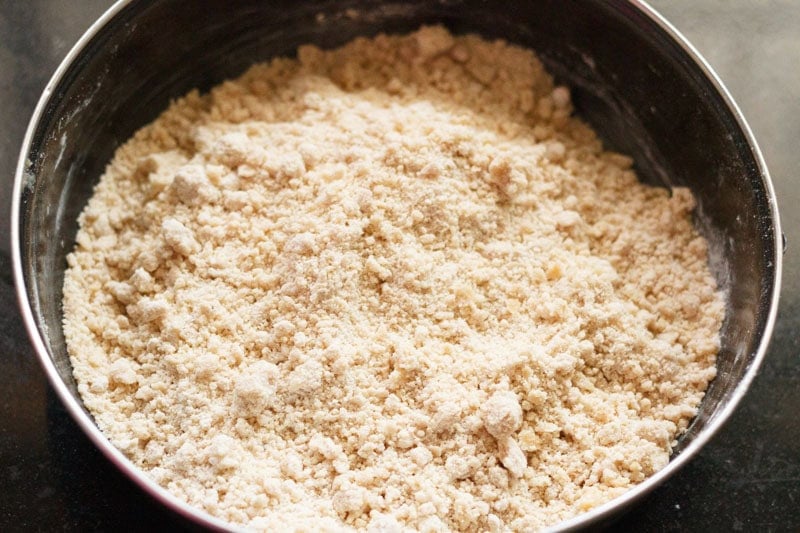
The final integration involves adding the spiced sugar and a minimal amount of milk (1 to 2 tablespoons). The objective here is not to knead—a common error that activates gluten—but to gently gather the mixture into a cohesive dough ball.
Phase IV: Thermal Transformation
The dough is divided into uniform portions, often decorated with a cookie press or fork to increase surface area for browning. The biscuits are baked for 20 to 25 minutes. During this time, the Maillard reaction occurs, where the proteins in the wheat and gram flour interact with the sugars, creating the deep golden color and toasted flavor profile that defines the biscuit.
Supporting Data: Nutritional and Market Metrics
The shift toward wheat-based confectionery is supported by a growing body of nutritional data. A single 103-calorie Atta Biscuit offers a significantly different metabolic impact than a maida-based cookie.
Nutritional Breakdown (Per Serving)
- Energy: 103 kcal
- Carbohydrates: 13g (with 1g of dietary fiber)
- Protein: 2g
- Fats: 5g (including 3g of saturated fat)
- Micronutrients: Notable levels of Iron (0.5mg), Magnesium (17mg), and Phosphorus (43mg).
The "Atta vs. Maida" Debate
From a glycemic perspective, whole wheat flour retains the bran and germ, which contain B vitamins and fiber. While the sugar content remains a factor, the inclusion of gram flour (besan) increases the protein-to-carb ratio, providing a more sustained energy release. Market research indicates that the "Indian Biscuits and Cookies Market" is projected to grow at a CAGR of 8.5% through 2028, with the "healthy/digestive" segment—where Atta Biscuits reside—leading the growth in urban demographics.
Official Responses: Expert Perspectives on the Trend
Industry professionals and health experts have weighed in on the resurgence of traditional baking methods.
Dr. Ananya Sharma, Senior Nutritionist:
"We are seeing a ‘return to roots’ in Indian snacking. The Atta Biscuit is a prime example. By utilizing whole grains and traditional fats like ghee, consumers are avoiding the ’empty calories’ associated with refined flours. However, moderation remains key, as these are still energy-dense treats."
Chef Vikram Sethi, Artisanal Bakery Consultant:
"The technical challenge with wheat biscuits is the texture. Whole wheat can be heavy. The ‘official’ secret in the industry is the sifting process and the cold-fat integration. When done correctly, an Atta Biscuit can rival any European shortbread in terms of mouthfeel, but with a far more complex flavor profile thanks to the saffron and cardamom."
The Federation of Indian Bakers (FIB):
In a recent statement, the FIB noted a 15% increase in the production of whole-grain products among small-to-medium enterprise (SME) bakeries. The federation attributed this to a "democratization of baking knowledge" via digital platforms, allowing home-based entrepreneurs to compete with industrial giants by offering "bakery-style" wheat biscuits without preservatives.
Implications: The Future of the Tea-Time Ritual
The rise of the homemade wheat biscuit carries several long-term implications for the food industry and cultural habits.
1. The Decline of Ultra-Processed Snacking
As recipes for "bakery-style" biscuits become accessible to the general public, the reliance on shelf-stable, preservative-laden commercial biscuits is expected to wane. The fact that these biscuits store well for up to three weeks in airtight containers makes them a viable "meal prep" item for busy households.
2. Preservation of Culinary Heritage
The specific use of cardamom, nutmeg, and saffron ensures that traditional Indian flavor palettes are preserved in a modern context. This prevents the "homogenization" of snacks, where global flavors like chocolate often overwrite regional specialties.
3. Economic Opportunities for Small-Scale Producers
The low entry barrier for producing wheat biscuits—requiring only basic baking equipment and locally sourced ingredients—has empowered a new wave of "home-preneurs." This is particularly evident during festive seasons like Diwali, where homemade gift hampers featuring Atta Biscuits are becoming a preferred alternative to commercial sweets.
4. Health and Wellness Integration
The "Atta Biscuit" serves as a bridge. It allows for the indulgence of the "Chai-Biscuit" ritual—a cornerstone of Indian social life—while aligning with modern dietary goals. The ability to control sugar levels and fat quality (substituting butter with high-quality ghee) allows the consumer to customize their health outcomes.
In conclusion, the Wheat Biscuit is more than a mere snack; it is a symbol of the modern Indian kitchen’s ability to synthesize tradition with contemporary health consciousness. As the artisanal baking movement continues to gain momentum, the humble Atta Biscuit stands as a testament to the enduring power of whole grains and heritage spices.
