

New Delhi – In an era where geopolitical influence is often measured by semiconductor chips and defense pacts, India has found a surprising new tool for soft power: the humble toffee. Following a viral diplomatic exchange that captured global headlines, the Indian confectionery industry is witnessing an unprecedented renaissance. New data reveals that India’s toffee and candy exports have surged by 166 per cent over the last 12 years, culminating in a record-breaking valuation of Rs 132 crore for the 2025-26 fiscal year.
What began as a nostalgic staple of Indian childhoods has evolved into a significant export commodity, driven by a combination of savvy marketing, the "Pulse" revolution, and a high-profile endorsement from the highest levels of international governance.
Main Facts: The ‘Melody’ Diplomacy and the Export Surge
The catalyst for the most recent surge in interest surrounding Indian confectionery was an unexpected social media moment on May 20, 2026. Italian Prime Minister Giorgia Meloni shared a photograph of a gift received from Indian Prime Minister Narendra Modi: a box of Parle’s iconic Melody toffees. The play on words—a fusion of "Modi" and "Meloni" into the viral hashtag #Melody—transcended internet meme culture to provide a massive "Made in India" branding boost for the domestic sugar confectionery sector.
Industry analysts suggest that this "Melody moment" did more than just trend on X (formerly Twitter); it highlighted the sophistication of Indian manufacturing. The toffee in question, known for its "dual-texture" engineering—a chocolate-liquid core encased in a translucent caramel shell—has become a symbol of India’s ability to produce high-quality, affordable treats for the global market.
According to trade figures released this week, the export of sugar-based confectionery reached Rs 132 crore in 2025-26. This represents a staggering 166 per cent growth since 2014. While the Middle East and Southeast Asia remain primary markets, there is a growing appetite for Indian flavors in European and North American markets, driven largely by the Indian diaspora and a global curiosity for unique flavor profiles like "Kachcha Aam" (raw mango) and masala-filled candies.
Chronology: From 5-Paise Candies to Global Commodities
To understand the current boom, one must look at the evolution of the Indian candy aisle over the last four decades.
The Pre-Liberalization Era (1980s – early 1990s):
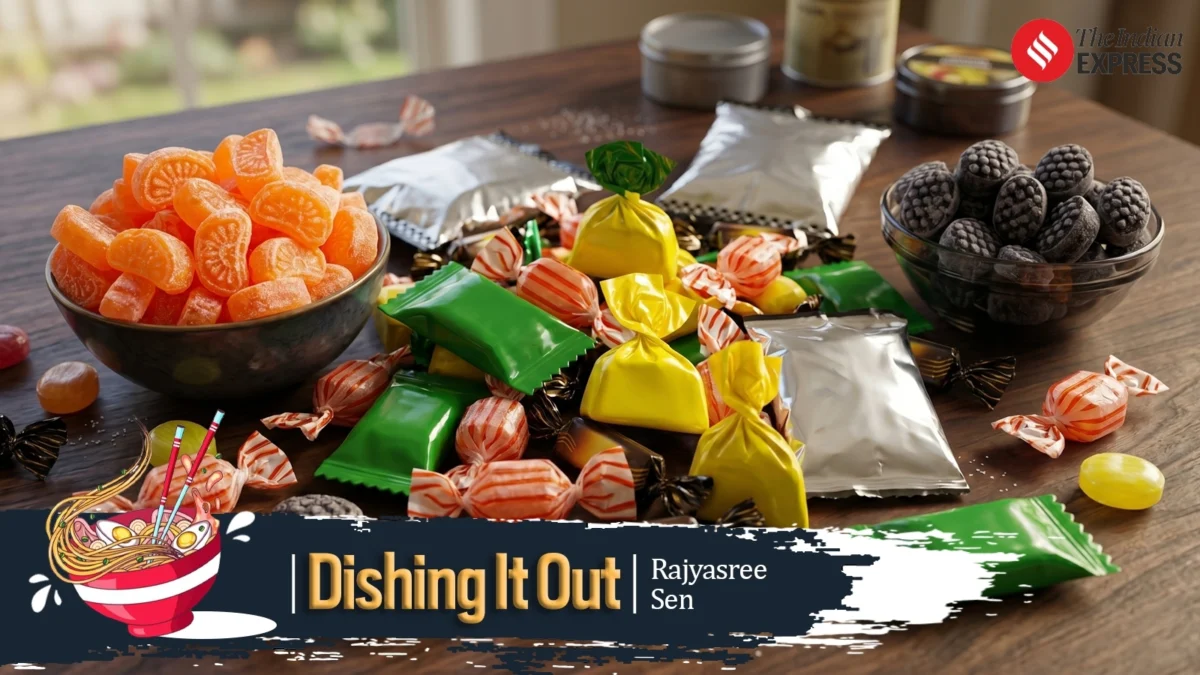
Before the 1991 economic reforms, international chocolate brands were a luxury. The Indian market was dominated by local "boiled sweets." This was the era of the "orange candy"—round, hard discs wrapped in clear cellophane, sold for 5 paise from massive glass jars at roadside kirana stores. These candies were the bedrock of the industry, offering a high-sugar, high-flavor experience for the masses.
The Rise of the "Toffee" (Late 1990s – 2000s):
As the economy opened, brands like Parle and Ravalgaon faced competition from global giants like Cadbury (now Mondelēz) and Nestlé. This era saw the rise of the "Eclair"—a chewy caramel with a chocolate center. Parle’s Melody became a household name during this time, propelled by one of India’s most successful marketing slogans: "Melody itni chocolatey kyun hai?" (Why is Melody so chocolatey?).
The Pulse Revolution (2015 – Present):
In 2015, the DS Group launched "Pulse," a raw mango candy with a tangy, powdered salt-and-spice center. It disrupted the market by reaching Rs 100 crore in sales within eight months, proving that Indian consumers—and eventually global ones—craved complex, savory-sweet flavor profiles rather than just plain sugar.
Supporting Data: Decoding the 166% Growth
The 166 per cent growth in exports is not merely a result of viral marketing; it is backed by significant shifts in manufacturing capacity and trade policy.
- Manufacturing Scale: Indian confectionery units have modernized, moving from manual sugar-boiling processes to automated, high-speed extrusion lines. This has allowed brands to maintain the "Rs 1 per unit" price point while meeting international safety standards.
- The Diaspora Effect: With over 32 million Non-Resident Indians (NRIs) and Persons of Indian Origin (PIOs) globally, the demand for "nostalgia in a wrapper" has created ready-made markets in the UK, USA, Canada, and the UAE.
- Flavor Innovation: India’s unique "Chatpata" (tangy and spicy) category has no direct equivalent in Western confectionery. Exports of "Kachcha Mango Bite" and "Pulse" have seen a 40 per cent year-on-year increase in African and Middle Eastern markets, where consumers share a similar palate for bold flavors.
| Fiscal Year | Export Value (INR Crores) | Key Growth Drivers |
|---|---|---|
| 2013-14 | ~Rs 50 Cr | Basic boiled sweets, Middle East exports |
| 2018-19 | ~Rs 85 Cr | Rise of "Pulse" and premium toffees |
| 2025-26 | Rs 132 Cr | Viral branding, high-tech manufacturing |
Official Responses: Government and Industry Perspectives
The Ministry of Commerce and Industry has hailed the confectionery sector as a "shining example" of the Atmanirbhar Bharat (Self-Reliant India) initiative.
A spokesperson for the Agricultural and Processed Food Products Export Development Authority (APEDA) stated, "The confectionery sector has shown that Indian food processing can compete with the best in the world. We are seeing a shift from exporting raw sugar to exporting value-added products. A toffee is essentially sugar plus innovation, and the world is paying for that innovation."
Industry leaders from Parle Products noted that while the "Melody" viral moment provided an organic boost, the long-term strategy has been to ensure consistency. "The challenge with toffees is climate-specific packaging," a senior executive noted. "To reach a valuation of Rs 132 crore, we had to invest heavily in moisture-resistant foils and wrappers that ensure a Melody remains ‘chocolatey’ whether it is in the humidity of Mumbai or the heat of Dubai."
Regional Legacies: Beyond the Mass Market
While large corporations drive the export numbers, the richness of India’s confectionery landscape is rooted in regional heritage.
In Kolkata, the Jewish bakery Nahoum and Sons continues to produce its legendary mint toffees. These half-inch thick, coin-shaped delights, wrapped in simple butter paper, represent a different era of confectionery—one focused on pure extracts and traditional boiling methods. Similarly, the "Stick-jaw" toffees of old Anglo-Indian bakeries remain a cult favorite, known for their stubborn, teeth-clinging caramel that challenges the eater.
The "Bullseye" toffee—a peppermint-flavored hard candy with a dark chocolate core—is another example of a high-concept Indian sweet that predates the modern "gourmet" candy movement. These regional players provide the "cultural capital" that large exporters tap into when designing new products for the global stage.
Implications: Health, Economy, and the Future of "Swadeshi" Sugar
Despite the economic triumph, the industry faces a looming challenge: the global war on sugar. As health consciousness rises and "sugar taxes" become common in many of India’s export destinations, the confectionery sector is at a crossroads.
1. The Health Pivot:
Manufacturers are already experimenting with stevia-based candies and fortified toffees. However, the industry argues that the joy of a "boiled sweet" lies in its unapologetic sweetness. The challenge will be to maintain the "Rs 1" price point while integrating healthier ingredients.
2. Economic Multiplier:
The growth of toffee exports has a direct impact on India’s sugar farmers. By converting surplus sugar into high-value confectionery, the industry helps stabilize domestic sugar prices and provides a buffer against global commodity fluctuations.
3. Geopolitical Branding:
The "Melody" incident proves that products can be diplomats. When a foreign leader shares a piece of Indian candy, it humanizes the trade relationship. It shifts the perception of India from being a "back-office of the world" to a "pantry of the world."
Conclusion
As India looks toward the next decade, the goal of the confectionery sector is to move beyond the Rs 132 crore mark and challenge the dominance of European "Quality Street" or "Haribo" style brands. The transition from a 5-paise orange candy to a globally recognized diplomatic gift is more than just a sweet story; it is a testament to India’s manufacturing grit and its ability to package nostalgia, engineering, and flavor into a single, one-rupee wrapper.
Whether it is the spicy burst of a Pulse candy or the "engineered" layers of a Melody, India’s toffees are no longer just treats for school children—they are ambassadors of a nation’s growing economic and cultural appetite.
