

HYDERABAD – In an escalating crackdown on sub-standard food practices across the state, the Telangana Food Safety Department conducted a series of intensive inspections on Wednesday, May 20, 2026. The raids, which targeted prominent dining establishments in Hyderabad and a bakery in Karimnagar, revealed a harrowing catalog of hygiene failures, ranging from massive pest infestations to the use of putrid ingredients in consumer goods.
The inspections have sent shockwaves through the local hospitality industry, particularly as one of the establishments involved is a popular brewery and another a well-known fine-dine outlet. These developments come amid a broader state-wide initiative to sanitize the food industry and ensure compliance with the Food Safety and Standards Act of 2006.
Main Facts: A State-Wide Sweep for Public Safety
The Telangana Food Safety Department, led by the Commissioner of Food Safety, deployed multiple teams to various locations following a string of public complaints and routine surveillance. The primary targets of the May 20 operation were Urban Monk Fine Dine and Baking in LB Nagar, Meld Haus brewery in Nagole, and Ganesh Bangalore Bakery in Subhash Nagar, Karimnagar.
The findings at these locations were categorized by officials as "serious threats to public health." Key violations documented included:
- Pest Infestation: Presence of houseflies and other pests in food preparation areas.
- Contaminated Ingredients: Discovery of hundreds of spoiled, foul-smelling eggs intended for use in baking.
- Expired Products: A significant quantity of food items past their "use-by" dates were found stored in kitchens.
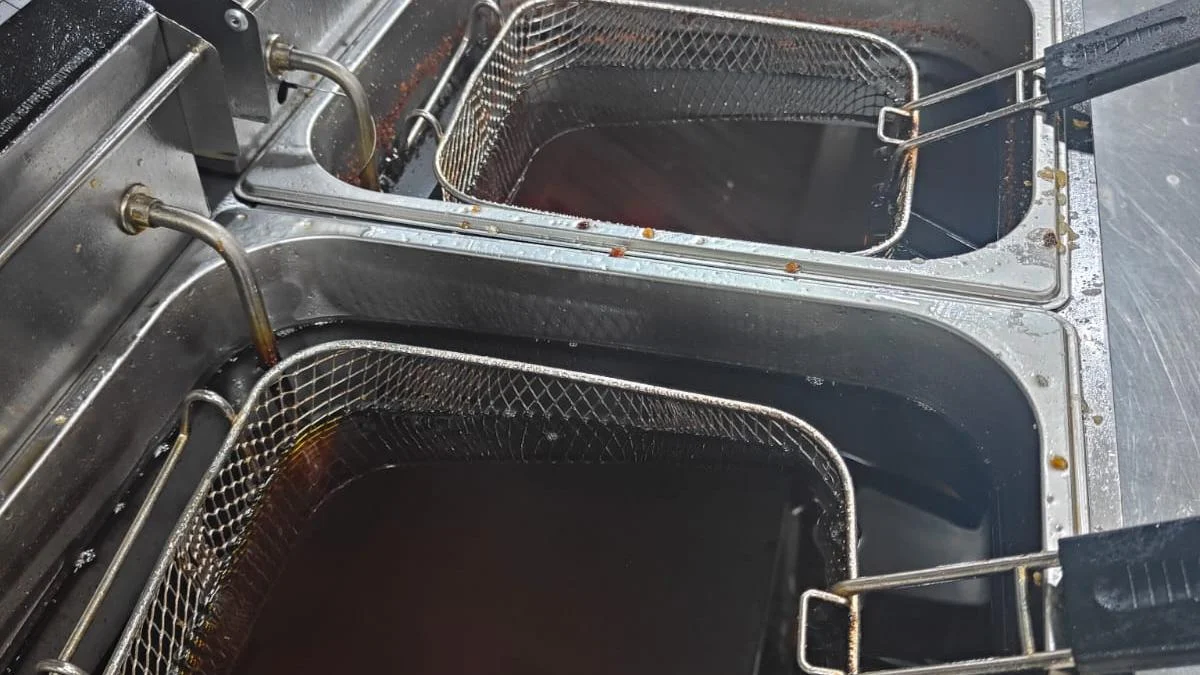
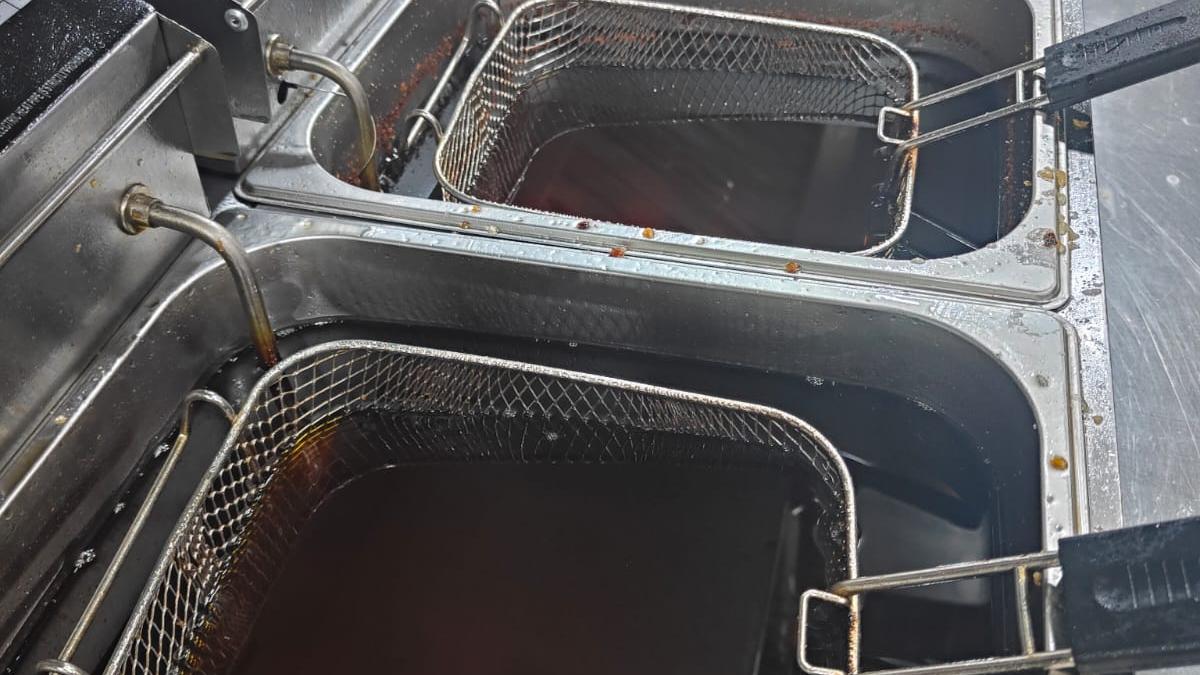
- Chemical Hazards: Suspected repeated reuse of cooking oil, a practice known to produce carcinogenic compounds.
- Regulatory Non-compliance: Mislabeling of products and a lack of proper sanitary documentation.
Chronology of the Inspections
Morning: The Hyderabad Corridor (LB Nagar and Nagole)
The day began with simultaneous raids in the eastern parts of Hyderabad. Officials first entered Urban Monk Fine Dine and Baking in LB Nagar. During the walkthrough, inspectors noted that the hygiene standards did not match the "fine dine" branding of the establishment. They found food products that lacked proper labels, making it impossible to track their origin or freshness. Furthermore, the storage conditions were found to be unhygienic, with raw and cooked food stored in close proximity, increasing the risk of cross-contamination.
Shortly thereafter, the team moved to Meld Haus, a brewery located in the Nagole area. Here, the focus shifted to the kitchen and the oil management systems. Inspectors observed oil that appeared dark and viscous, leading to the suspicion that it had been reused multiple times. Samples were immediately drawn for laboratory testing to measure the Total Polar Compounds (TPC), which indicate the level of degradation in frying oil.
Afternoon: The Karimnagar Crisis
While the Hyderabad teams were processing their findings, another unit was operating in Subhash Nagar, Karimnagar. The inspection of Ganesh Bangalore Bakery yielded the most visceral evidence of the day. Upon entering the storage and processing area, officials were met with a pungent odor emanating from several crates of eggs.
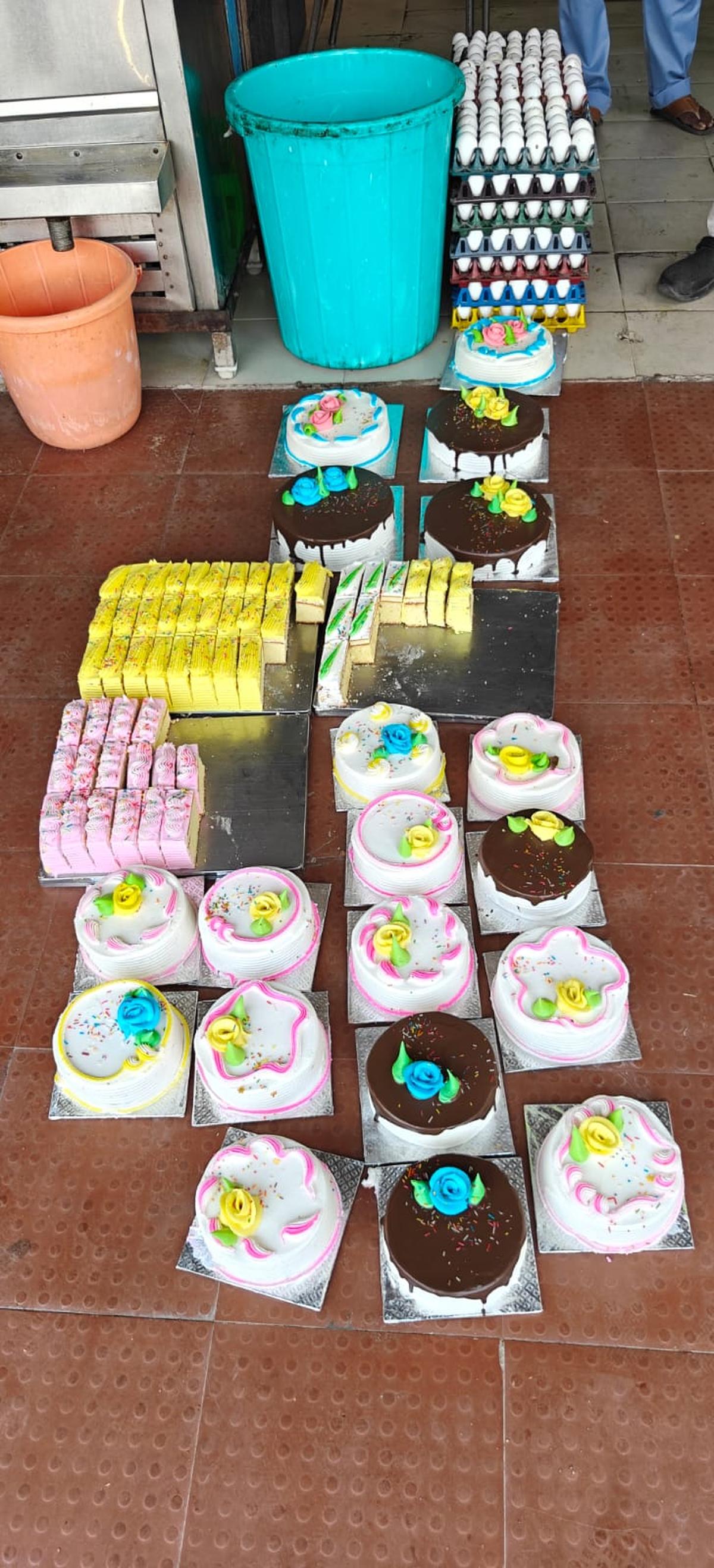
A detailed count revealed 750 eggs that were in an advanced state of decay. These eggs were not only foul-smelling but were actively infested with houseflies. Even more concerning was the discovery that approximately 20 kilograms of cakes had already been prepared, which officials suspected contained the spoiled egg mixture.
Evening: Immediate Enforcement and Disposal
By late Wednesday evening, the department moved from inspection to enforcement. Under the supervision of senior Food Safety Officers (FSOs), the spoiled eggs in Karimnagar were crushed and buried to prevent any further use. The 20 kilograms of suspected cakes were doused in phenyl and discarded. In Hyderabad, expired items were seized and destroyed on-site, and "Enforcement Samples" were officially sealed to be sent to the State Food Laboratory for comprehensive analysis.
Supporting Data and Health Implications
The data gathered during these raids highlights a systemic failure in the internal quality control of these businesses.
The Danger of Spoiled Eggs
The discovery of 750 spoiled eggs is particularly alarming due to the risk of Salmonella and Staphylococcus aureus infections. When eggs rot, they produce hydrogen sulfide gas (the source of the foul smell) and become a breeding ground for bacteria that can cause severe gastroenteritis, dehydration, and in vulnerable populations, life-threatening systemic infections.
The Science of Reused Cooking Oil
The suspected reuse of oil at the Hyderabad establishments is a violation of FSSAI regulations, which mandate that cooking oil should not be reused more than three times, or if the TPC exceeds 25%. Repeated heating of oil changes its chemical structure, creating trans-fats and polar compounds like acrylamide, which are linked to heart disease, inflammation, and cancer.

Statistical Summary of Seizures (May 20):
| Establishment | Location | Primary Seizure/Violation | Action Taken |
|---|---|---|---|
| Urban Monk | LB Nagar, HYD | Expired goods, Mislabeling | Items discarded; Samples seized |
| Meld Haus | Nagole, HYD | Suspected reused oil, Poor hygiene | Oil samples sent to lab; Notice issued |
| Ganesh Bakery | Karimnagar | 750 spoiled eggs, 20kg tainted cake | Total destruction of stock; Legal action |
Official Responses and Legal Framework
The Telangana Food Safety Department issued a formal press release via their official social media channels (including @cfs_telangana on X) to inform the public of these actions.
A senior official from the department stated: "Our priority is the health of the citizens. There is a zero-tolerance policy for Food Business Operators (FBOs) who compromise on hygiene for profit. The use of spoiled eggs and degraded oil is a criminal negligence of public safety."
The department confirmed that "necessary action is being initiated against the Food Business Operators concerned under the provisions of the Food Safety and Standards Act, 2006."
Under this Act:
- Section 54: Deals with the sale of food not of the nature, substance, or quality demanded, carrying penalties of up to ₹5 lakh.
- Section 57: Pertains to possessing adulterants, which can lead to fines and imprisonment if the adulterant is injurious to health.
- Section 58: Provides for penalties for unhygienic or unsanitary processing of food.
The establishments have been served with "Improvement Notices." Failure to rectify the highlighted issues within the stipulated timeframe could lead to the permanent cancellation of their food licenses.
Implications for the Industry and Consumers
These raids are part of an unprecedented transparency drive by the Telangana government. By naming and shaming establishments on social media platforms, the department is leveraging public opinion to enforce compliance.
Impact on the Hospitality Sector
For the restaurant and brewery industry in Hyderabad—a city famous for its culinary heritage—these reports are a double-edged sword. While they damage the reputation of specific brands, they also serve as a "wake-up call" for other operators. Industry experts suggest that these frequent raids will likely lead to an increased demand for third-party hygiene audits and a more professional approach to supply chain management.
The "Name and Shame" Strategy
The Food Safety Department’s decision to post photos of the violations online has been met with widespread public approval. Consumers are increasingly using these reports to make informed decisions about where they dine. However, some industry bodies have called for a balanced approach, ensuring that minor clerical errors are not equated with major health violations in the public eye.
Consumer Rights and Awareness
The incident in Karimnagar underscores the importance of consumer vigilance. Health officials have urged citizens to look for the FSSAI license number on food packaging and to report any suspicious smells or unhygienic practices via the ‘Food Safety Connect’ app or the department’s helpline.
Conclusion: A Long Road to Compliance
The inspections on May 20 serve as a stark reminder of the hidden dangers in the food service industry. While Hyderabad continues to grow as a global hub for technology and gastronomy, the infrastructure for food safety must keep pace. The discovery of fly-infested eggs and reused oil in reputable areas indicates that hygiene is often sacrificed at the altar of cost-cutting.
As the laboratory results for the collected samples are awaited, the Telangana Food Safety Department has signaled that the crackdown will continue. For Food Business Operators, the message is clear: compliance is no longer optional, and the cost of negligence will be the loss of both reputation and the right to operate. For the public, these actions offer a glimmer of hope that the food on their plates is being monitored by a vigilant regulatory body.
