

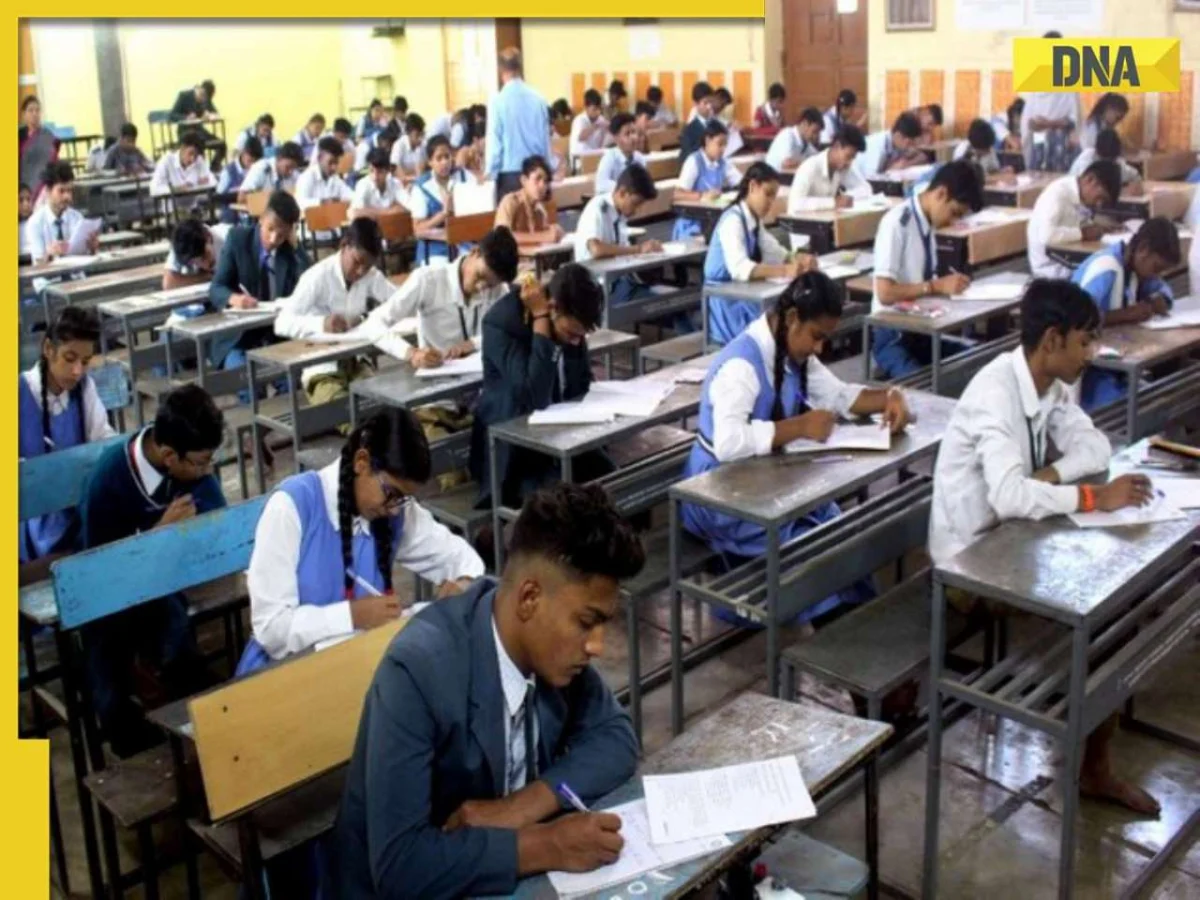
New Delhi: The Central Board of Secondary Education (CBSE) has initiated its Class 12 re-evaluation process today, marking the beginning of a critical phase following a significant surge in student and parental concerns regarding the recently implemented Online Scrutiny and Moderation (OSM) system for answer script evaluation. This marks one of the most substantial post-result controversies to rock the board in recent years, as students grapple with perceived anomalies in their marks.
The OSM system, introduced by the CBSE with the stated aim of enhancing speed and transparency in the evaluation process, has instead become the focal point of widespread unease. Students have flooded the board with requests for access to their answer scripts, leading to an unprecedented volume of applications. While the exact number of students opting for re-evaluation remains to be seen, the sheer demand for answer book access underscores a palpable sense of distrust and a pressing need for clarity and correction.
The Scale of Demand: Unprecedented Requests for Answer Scripts
As of the commencement of the re-evaluation process, a staggering 4,04,319 students have applied for access to their evaluated answer scripts. This has translated into an overwhelming 11,31,961 requests for individual answer books. This colossal number highlights the depth of student anxiety and the widespread nature of the concerns.
Of these requests, a significant portion, 8,98,214 answer books, have already been made available to students in a digitally scanned format. This accessibility is the crucial first step for students to assess their performance and decide on the subsequent course of action. Many students are expected to initially only review their scripts, scrutinizing every evaluated answer, checking for any omissions, and verifying the accuracy of the marks awarded.
However, the ultimate goal for a substantial number of these students is likely to be further action. Depending on their findings during the review, they may proceed to request a formal verification of their marks, a process that meticulously rechecks the totalling and any other clerical aspects of the evaluation. For those who identify more fundamental discrepancies, such as under-marking in specific questions or concerns about the quality of evaluation itself, the path leads to a full re-evaluation of their answer scripts.
Education Minister’s Perspective: Estimating the Re-evaluation Numbers
While the current demand is for access, the actual number of students opting for re-evaluation is still a subject of estimation. Union Education Minister Dharmendra Pradhan has weighed in on the potential scale of re-evaluation. According to a report by India Today, Pradhan has estimated that approximately 20% of the students who apply for answer script access may eventually opt for a full re-evaluation.
This projection, while based on experience and understanding of such processes, is tentative. The true figure will only become definitively clear as the re-evaluation process unfolds over the coming weeks. The minister’s statement, however, provides a crucial benchmark and suggests that the board anticipates a significant, though not universal, uptake of the re-evaluation option.
The Genesis of the Controversy: The OSM System and its Fallout
The current crisis is inextricably linked to the introduction of the new OSM system. Prior to its implementation, the CBSE primarily relied on physical answer scripts for evaluation. The OSM system, however, shifted this paradigm by introducing scanned digital copies of answer sheets for the evaluation process. The board had lauded this move as a significant step towards modernizing its examination procedures, promising increased efficiency and a more transparent workflow.
However, the transition has been far from seamless. Almost immediately after the declaration of the Class 12 results, a torrent of complaints began to emerge on social media platforms. Students, parents, and educators voiced their deep dissatisfaction with various aspects of the evaluation. Common grievances included:
- Surprisingly Low Marks: Many students reported receiving significantly lower marks than they had anticipated, often falling short of their own self-assessment or performance in internal examinations.
- Incomplete Answer Sheets: There were alarming reports of answer sheets being declared as complete by the system, despite students claiming to have written answers that were not evaluated.
- Ungraded Answers: Instances of answers being completely overlooked or left ungraded by the evaluators were also widely reported.
- Poor Quality Scans: The digital copies of answer scripts were, in many cases, of poor quality, making it difficult for students to decipher handwriting, identify specific answers, and ascertain the completeness of the evaluation.
- Portal Crashes and Technical Glitches: The CBSE’s portal, designed to facilitate the viewing of answer scripts, experienced frequent crashes and technical difficulties, adding to the frustration and anxiety of students trying to access their papers.
The situation escalated dramatically when students and their families began sharing screenshots and photographic evidence online. These shared materials purported to show answer sheets that were either partially evaluated, had sections that were clearly missed by the evaluators, or, in some disturbing cases, did not seem to align with the student’s own recollections of their answers. This visual evidence amplified the public outcry and put immense pressure on the CBSE to address the systemic issues.
The Re-evaluation Process: A Step-by-Step Guide for Students
In response to the widespread concerns, the CBSE has outlined a clear, multi-step process for students seeking to challenge their results. This structured approach is designed to provide students with a pathway to address their grievances systematically.
Step 1: Obtain Scanned Answer Sheet
The foundational step for any student wishing to contest their marks is to gain access to a scanned copy of their evaluated answer book. This is precisely what the current surge in applications is aimed at achieving. Once the scanned copy is available through the CBSE portal, students can begin their personal review.
Step 2: Review the Script Carefully
This is a critical phase that requires meticulous attention to detail. Students are strongly advised to conduct a thorough examination of their scanned answer script. Key aspects to scrutinize include:
- Completeness of Evaluation: Ensure that every question attempted by the student has been evaluated.
- Accuracy of Totalling: Verify that the marks awarded for each answer have been correctly added up to arrive at the total score for the paper.
- Missing Pages: Check if any pages of the answer booklet are missing from the scanned copy or appear to have been overlooked during the evaluation.
- Unchecked Answers: Identify any answers that were written by the student but have been left unchecked by the evaluator, implying they were not assessed.
Step 3: Apply for Verification of Marks
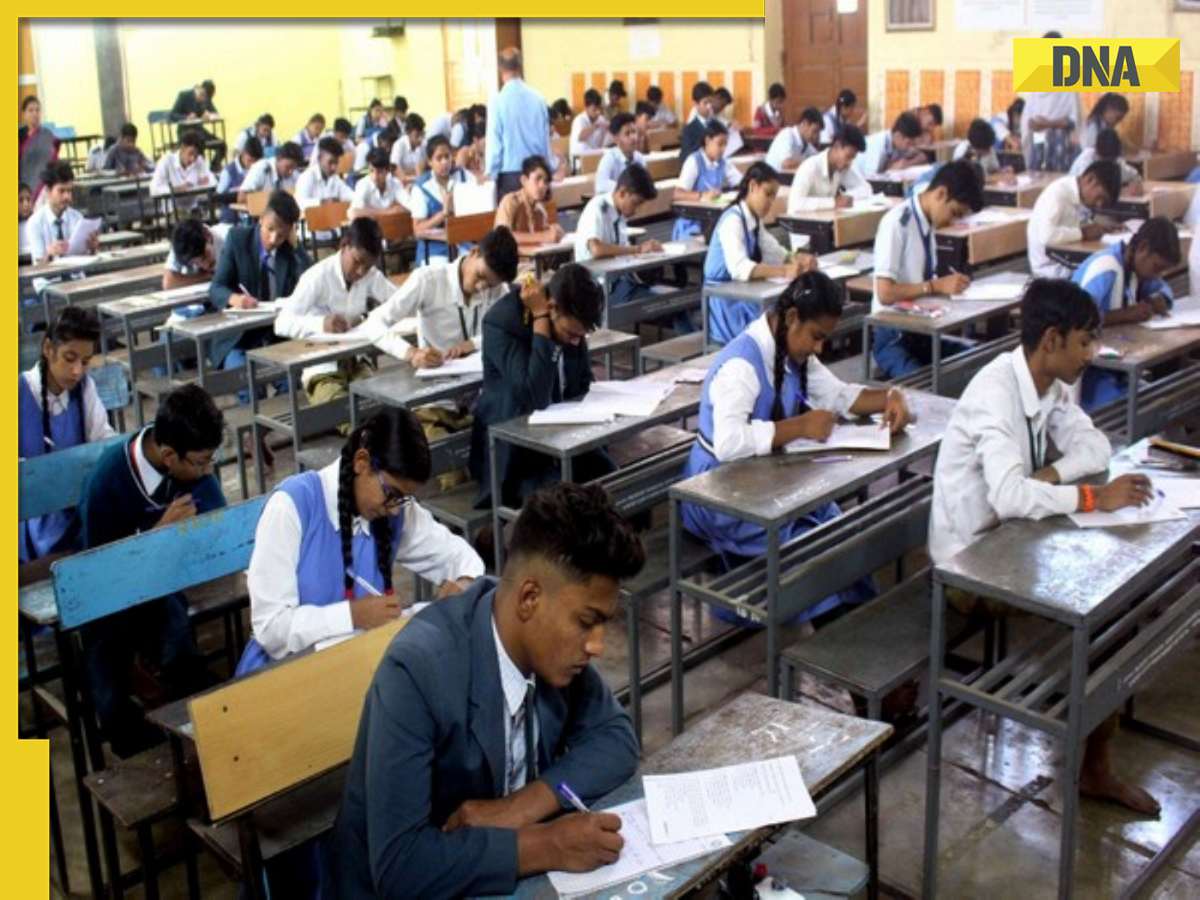)
If, upon reviewing the script, a student identifies discrepancies that appear to be clerical in nature – such as incorrect totalling or a missed question that was clearly answered – they can then proceed to apply for a verification of marks. This process typically involves a re-examination of the answer script by the board to confirm the accuracy of the marks awarded and the totalling.
Step 4: Apply for Re-evaluation
For students who believe that their answers have been substantively under-marked, or that the quality of evaluation itself is questionable, the next step is to apply for a re-evaluation of specific questions. This is a more in-depth process where the answer script is assigned to a different examiner for a fresh assessment of the answers.
Important Note on Re-evaluation Outcomes:
It is crucial for students to understand the implications of the re-evaluation process. According to the CBSE, the marks obtained after re-evaluation can either increase, decrease, or remain the same. The board has clearly stated that the revised result, whatever it may be, will be treated as the final and binding outcome. This means students must be prepared for all potential scenarios, including the possibility of their marks decreasing.
Implications and Future Outlook
The current situation presents several significant implications for the CBSE and the broader educational landscape in India.
- Erosion of Trust: The OSM controversy has undoubtedly eroded a degree of trust between students, parents, and the examination board. Rebuilding this trust will require sustained efforts from the CBSE to ensure transparency, accuracy, and robustness in its evaluation processes.
- Systemic Review and Improvement: The board will likely undertake a comprehensive review of the OSM system’s implementation, identifying its shortcomings and introducing necessary improvements. This may involve refining the scanning technology, enhancing evaluator training, and strengthening the quality control mechanisms.
- Focus on Student Well-being: The immense stress and anxiety experienced by students and their families during this period highlight the need for greater attention to student mental well-being. The CBSE and educational institutions should consider providing better support systems and clear communication channels to alleviate such pressures.
- The Future of Digital Evaluation: Despite the current challenges, the move towards digital evaluation is an inevitable trend in education. The CBSE’s experience with OSM, while fraught with difficulties, will serve as a valuable learning opportunity for other examination boards and educational technology providers. The key will be to learn from these missteps and ensure that future implementations are seamless, reliable, and truly beneficial for students.
As the re-evaluation process unfolds, the nation will be watching closely to see how the CBSE navigates this critical juncture, striving to restore confidence and uphold the integrity of its examinations. The volume of requests serves as a stark reminder that while technological advancement is important, it must be accompanied by meticulous planning, robust execution, and a deep understanding of the stakes involved for millions of students.
