

By [Your Name/Agency]
SHEKHAWATI, RAJASTHAN – In the semi-arid landscape of northern Rajasthan, where the dust of the Thar Desert meets the historic trade routes of the Silk Road, lies a region that defies the conventional austerity of the plains. Shekhawati, a sprawling territory encompassing the districts of Jhunjhunu, Sikar, and Churu, is currently undergoing a quiet but profound renaissance. Once the opulent home of India’s wealthiest merchant princes, the region’s "painted towns" are transitioning from decaying relics of the 18th century into a vibrant hub for heritage tourism, cinematic production, and international conservation efforts.
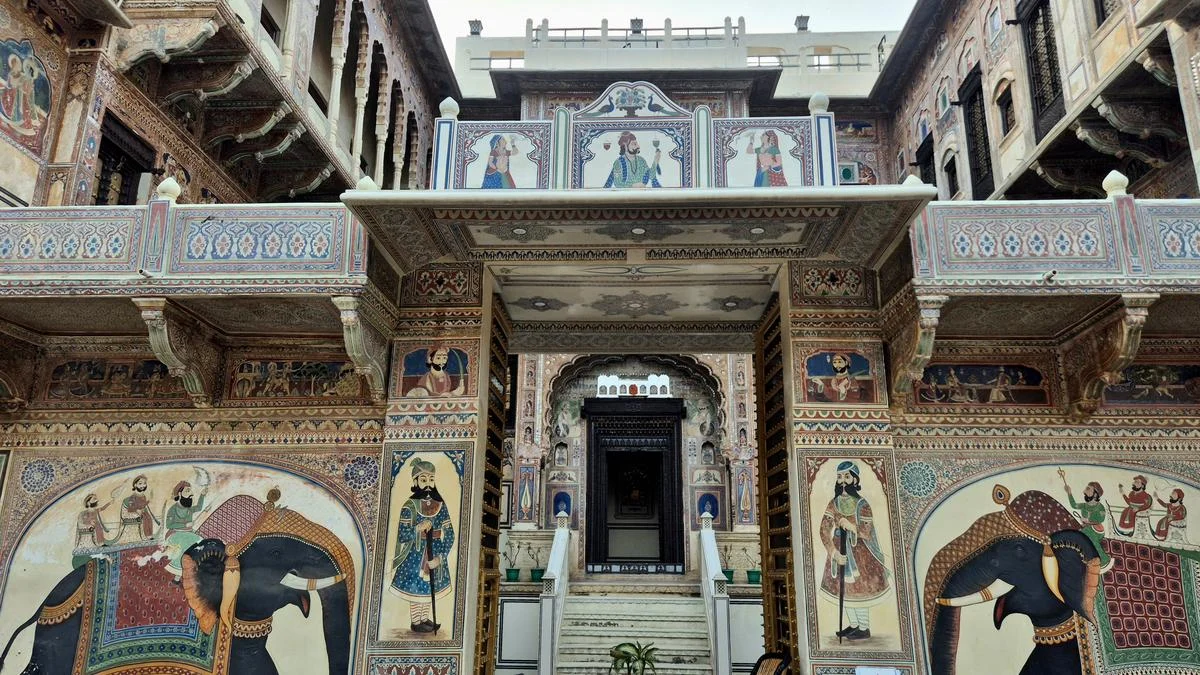
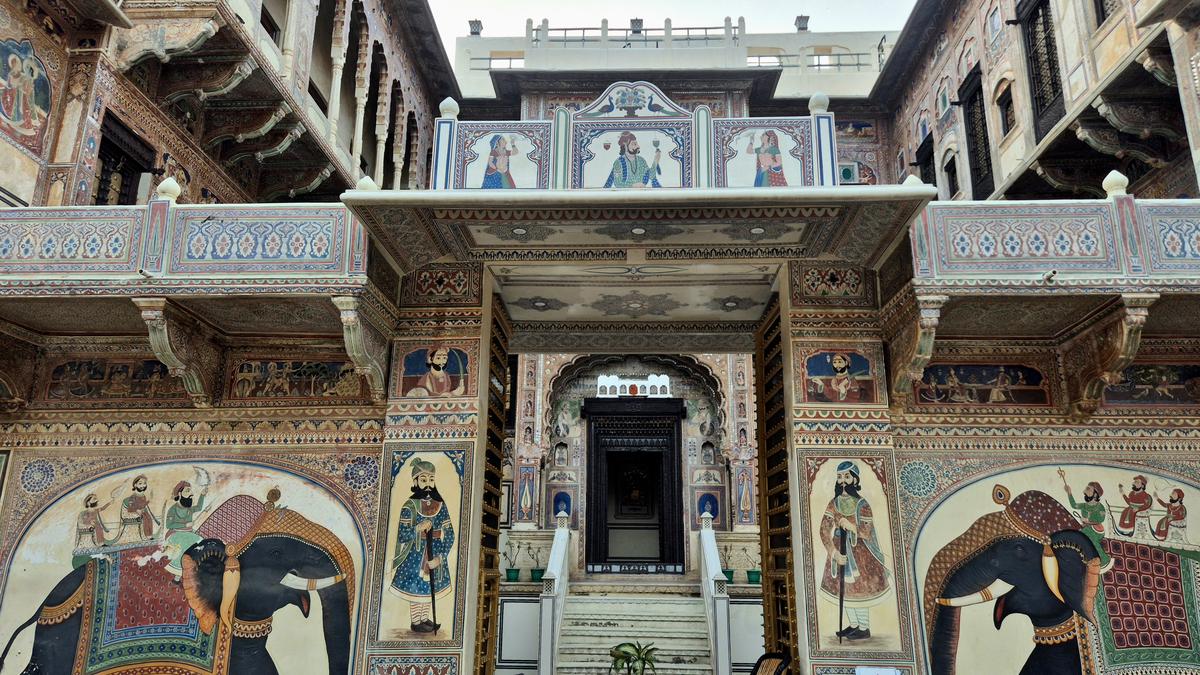
Known globally as the "world’s largest open-air art gallery," Shekhawati represents a unique intersection of Rajput bravery and Marwari mercantile ambition. Today, the region’s dense concentration of frescoed havelis (grand mansions) serves as a living record of India’s transition into the modern age, capturing a time when traditional Indian aesthetics collided with European colonial influences.
The Evolution of an Architectural Marvel: A Chronology of Wealth
The story of Shekhawati is inextricably linked to the ebb and flow of global trade. The region’s name derives from Rao Shekha, a 15th-century Rajput chieftain who established a sovereign territory independent of the Jaipur and Bikaner states. However, the architectural grandeur that defines the region today did not emerge until much later.
The 15th to 17th Century: Foundations of Power
Originally a buffer zone between major kingdoms, Shekhawati’s strategic location along caravan routes linking the Mughal capitals of Agra and Delhi to the ports of Gujarat and the markets of Central Asia made it a vital trading corridor.
The 18th to 19th Century: The Golden Age of the Marwaris
As the British East India Company gained influence, the traditional trade routes shifted. The local merchant communities—predominantly Marwaris and Jains—amassed immense fortunes through the trade of cotton, silk, spices, and opium. To signal their rising status, these merchants commissioned increasingly elaborate havelis in their ancestral villages. This period saw the birth of the "fresco culture," where every square inch of masonry was used as a canvas to showcase wealth, piety, and worldly knowledge.
The 20th Century to Present: Decay and Discovery
By the early 1900s, the mercantile families began migrating to burgeoning industrial hubs like Calcutta (Kolkata) and Bombay (Mumbai). The havelis were left in the hands of caretakers, leading to decades of neglect. It was only in the late 20th century that historians and travelers rediscovered the region, sparking a movement toward "adaptive reuse"—the transformation of crumbling mansions into boutique heritage hotels.
A Geographical Inventory of Grandeur: Supporting Data and Site Analysis
The Shekhawati circuit is not a single destination but a constellation of towns, each offering a distinct flavor of this "painted" heritage.
Mandawa: The Cinematic Epicenter
Mandawa has emerged as the most recognizable face of Shekhawati. Its skyline is dominated by the 18th-century Mandawa Castle, featuring classic Rajputana architecture. The town is a labyrinth of narrow lanes housing the Goenka Double Haveli, Murmuria Haveli, and Chowkhani Double Haveli.
According to local tourism data, Mandawa has seen a significant spike in domestic footfall due to its role in Bollywood blockbusters like PK, Bajrangi Bhaijaan, and Jab We Met. The town also marks a social milestone in the region’s tourism industry: it is the home of Mudita Saxena, the first female tourist guide in Shekhawati authorized by the Ministry of Tourism, signaling a shift in the traditional gender roles of the region.
Churu: The Gateway to the Desert
Churu, often overlooked by those on shorter itineraries, houses some of the most intricate architectural feats in the region. The Surana Haveli, built around 1870, is a marvel of ventilation and design. Locally dubbed the "Hawa Mahal of Churu," it features a staggering 1,111 windows and doors.
The town is also home to the Sethani Ka Johara, a historic stepwell built during the devastating famine of 1899. This site serves as a poignant reminder of the philanthropic role the merchant families played in local governance and disaster relief.
Nawalgarh and Ramgarh: The Cultural Reservoirs
Nawalgarh is frequently cited by historians as the town with the highest quality of preserved frescoes. The Dr. Ramnath Podar Haveli Museum stands as one of the oldest private museums in India, offering a structured look at the folklore and domestic life of the 19th-century Marwari.
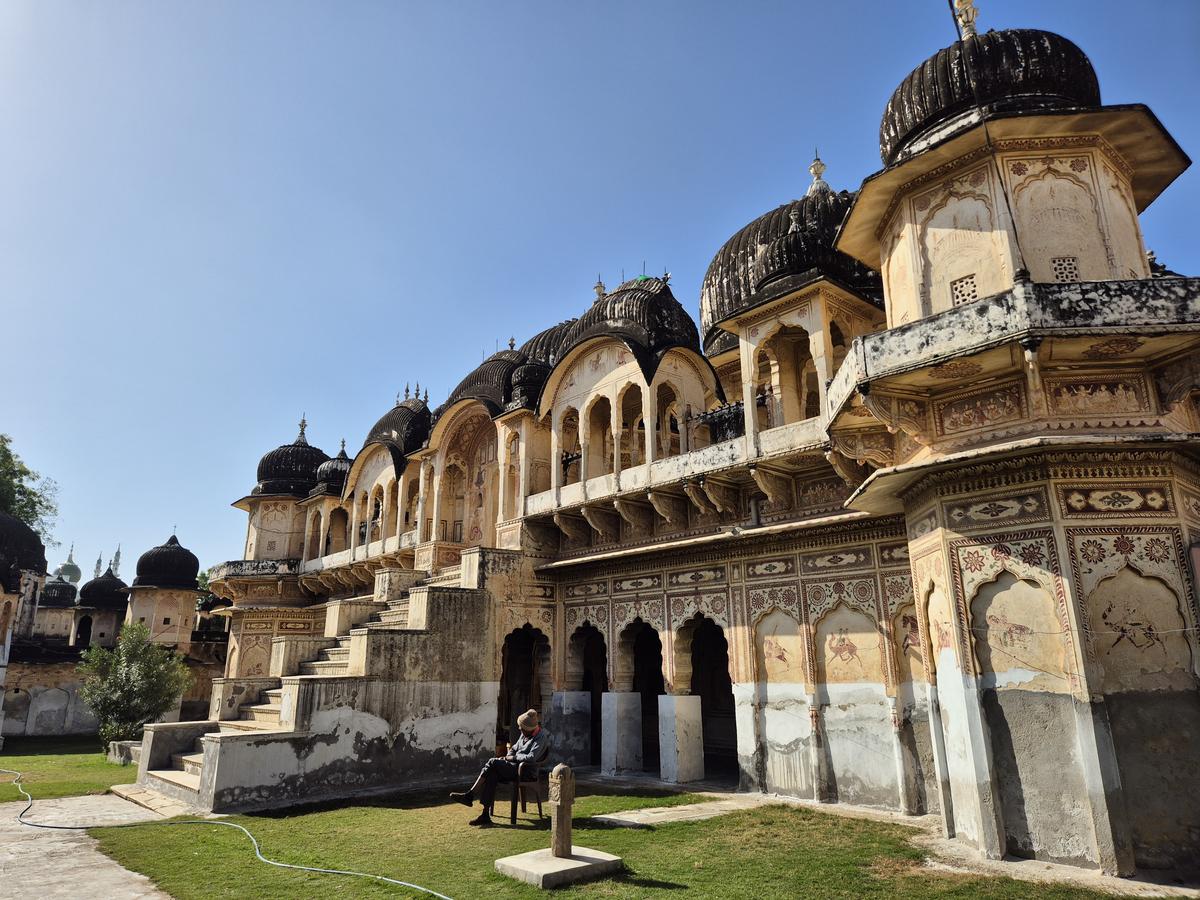
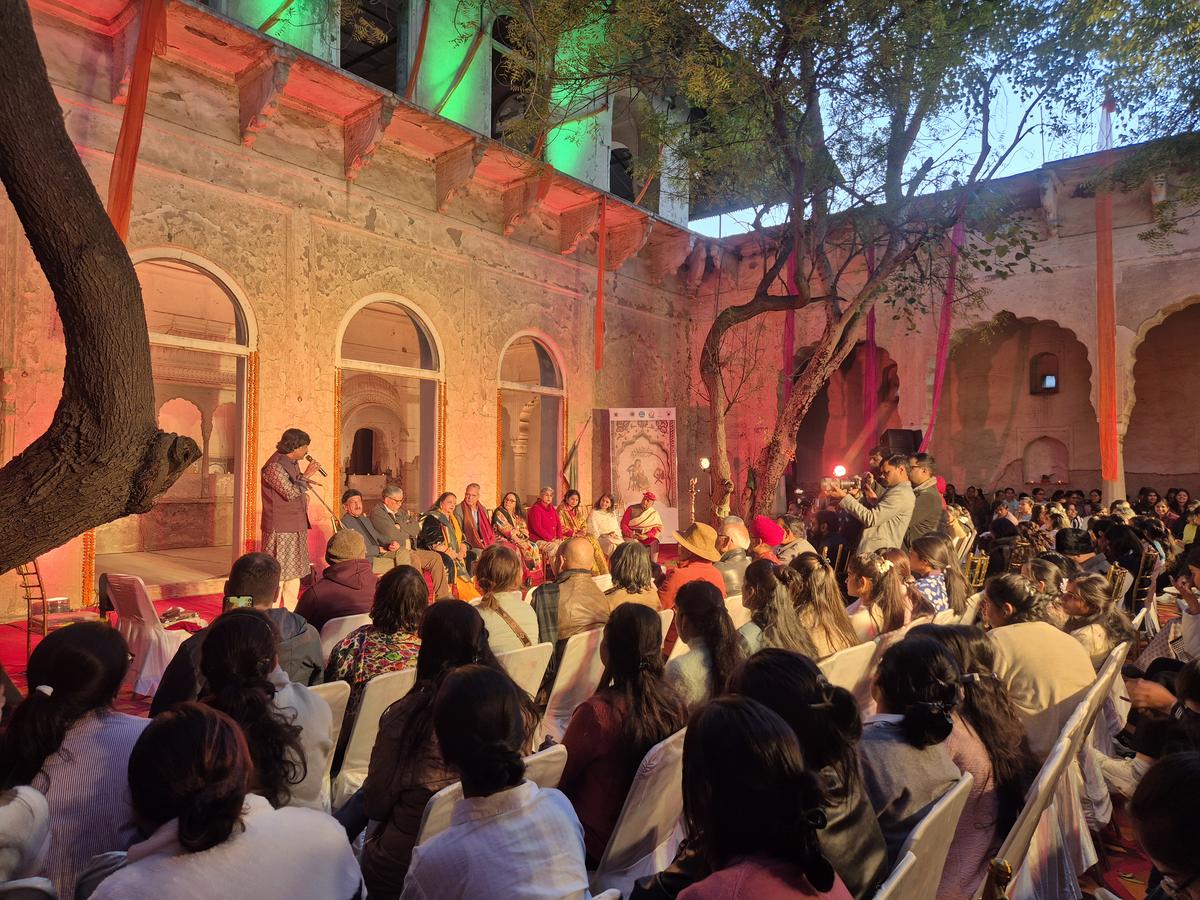
Ramgarh Shekhawati, once known as "Doosra Kashi" (the second Varanasi) due to its status as a center for Sanskrit learning and Ayurvedic medicine, is currently the focal point of high-level conservation efforts. The town’s heritage is being revitalized through the Vedaaranya Heritage and Healing Festival (VHAH Fest), which integrates performing arts with architectural preservation.
Conservation and Institutional Responses: The Experts Weigh In
The preservation of Shekhawati’s frescoes is a race against time and the elements. Unlike the frescoes of the European Renaissance, which were often protected within cathedrals, Shekhawati’s art is exposed to the harsh Rajasthani sun, monsoon rains, and the dust of the desert.
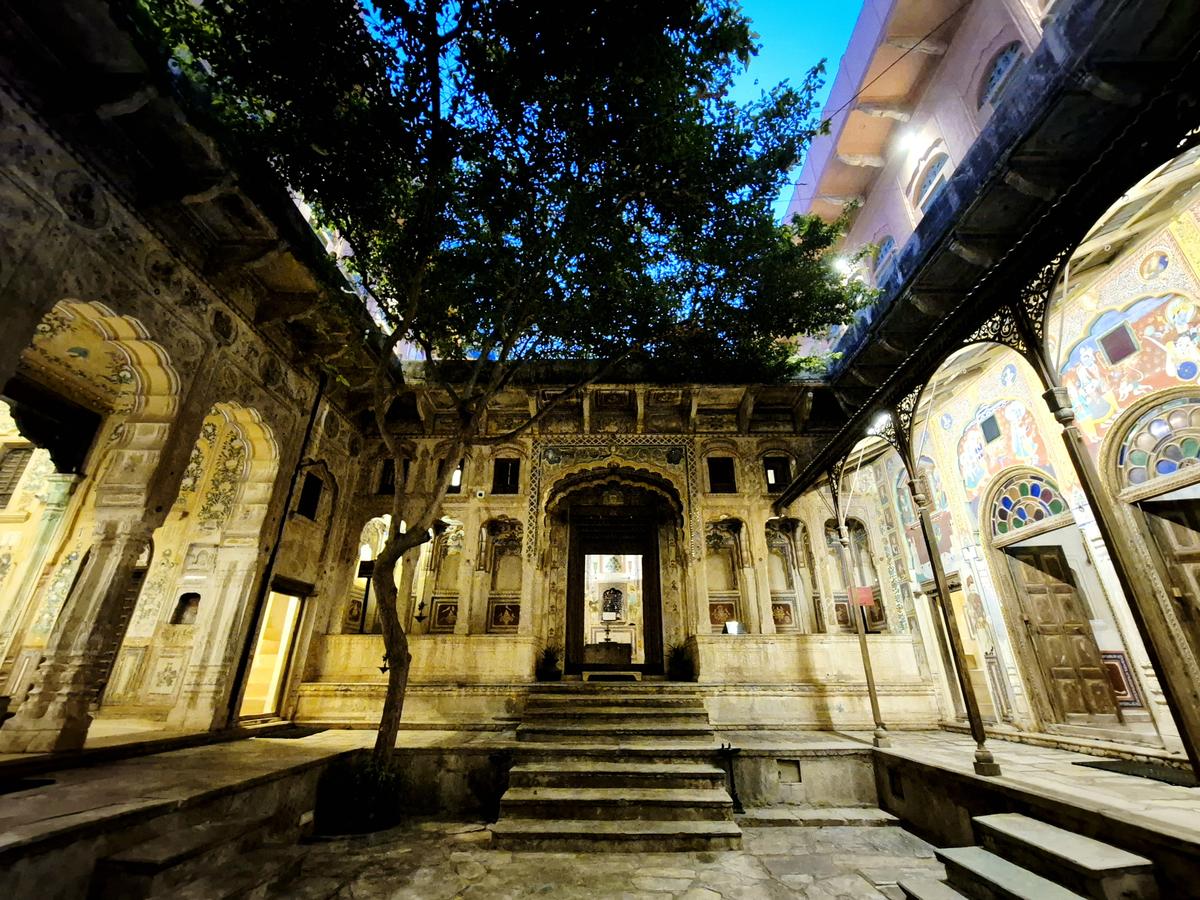
Conservationist Atul Khanna, who oversaw the restoration of the 150-year-old Jaipuria haveli (now the Vivaana Museum Hotel), emphasizes the importance of "adaptive reuse." Khanna argues that for these structures to survive, they must be functional. "The goal is not to preserve these buildings behind glass," says a spokesperson for the Vivaana project. "It is to live with them, ensuring that the original architectural details remain the focus while providing modern amenities."
In Ramgarh, Shruti Nada Poddar, a heritage conservationist and native of the town, has been instrumental in bringing international attention to the region. Through the VHAH Fest, Poddar has engaged UNESCO-led panels to discuss the sustainable development of the region. The 10th edition of the festival recently showcased how the integration of Kathak recitals, Dastaangoi (storytelling), and percussive ensembles can draw investment and interest back to these forgotten towns.
Official tourism boards have also noted the shift toward "experiential travel." Visitors are no longer satisfied with mere sightseeing; they seek immersive experiences, such as the village walks led by authorized guides that connect the history of the havelis to the living culture of the surrounding markets.
The Cultural Fabric: Culinary Traditions and Local Economy
The revival of Shekhawati is not limited to its walls; it is also reflected in the resurgence of its culinary heritage. The local economy is increasingly bolstered by "food tourism," where traditional Rajasthani specialties are being preserved and marketed to international palates.
Key Culinary Landmarks:
- Mandawa: The Vivaana Culture Hotel serves as a guardian of traditional recipes like ker sangri, daal-baati-choorma, and the legendary junglee maas.
- Nawalgarh: Local favorites include the baked Rajbhog from Babulalji Halwai and the complex flavors of Dal Pakwan at Ambri restaurant.
- Churu & Ramgarh: The region is famous for its "Kachori culture," with shops like Shri Ganesh Mishtan Bhandar in Churu and Motilal Niranjanlal in Ramgarh serving pyaaj (onion) and matar (pea) kachoris that have remained unchanged for generations.
These small-scale businesses form the backbone of the local economy, ensuring that the benefits of the heritage tourism boom reach the community beyond the hotel owners.
Implications for the Future: Tourism, Heritage, and Sustainability
The trajectory of Shekhawati offers a blueprint—and a warning—for heritage conservation in India. The implications of its current transformation are threefold:
- Economic Shift: The region is successfully pivoting from a defunct trading outpost to a high-value cultural destination. This shift provides employment for local youth as guides, artisans, and hospitality professionals, potentially reversing the decades-long trend of outward migration.
- The Challenge of Authenticity: As havelis are converted into hotels, there is a constant tension between "restoration" and "renovation." Over-commercialization risks stripping the buildings of their historical soul. The success of projects like the MOHAR Haveli (Museum of Heritage & Art) in Ramgarh suggests that a museum-first approach can coexist with commercial hospitality.
- Environmental Degradation: The very frescoes that draw tourists are under threat from pollution and rising temperatures. Sustainable tourism practices, including restricted vehicle access in old town centers and the use of traditional natural dyes for restoration, are no longer optional—they are essential for the region’s survival.
As the sun sets over the cenotaphs of Ramgarh or the 1,111 windows of Churu, it is clear that Shekhawati is more than a relic of the past. It is a testament to the resilience of Indian art and the enduring spirit of the Marwari merchants who, even as they looked toward the world, painted their dreams on the walls of their desert homes. The "Open-Air Gallery" is finally receiving the curation it deserves, ensuring that these painted chronicles will speak to generations yet to come.
