

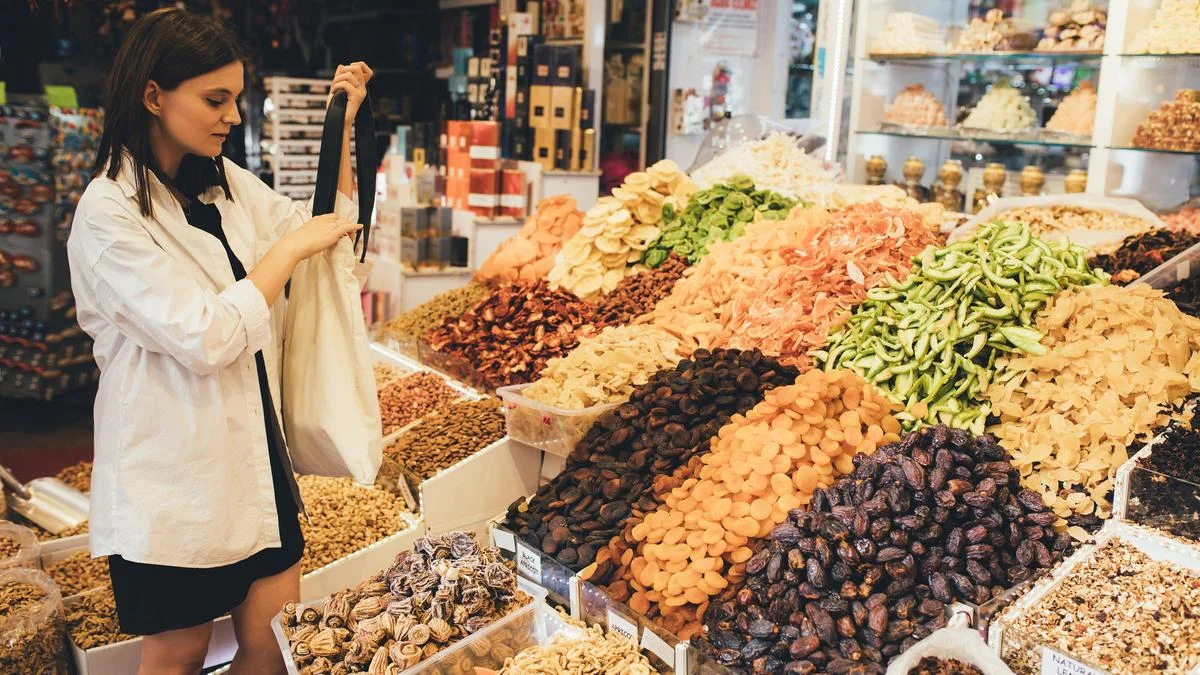
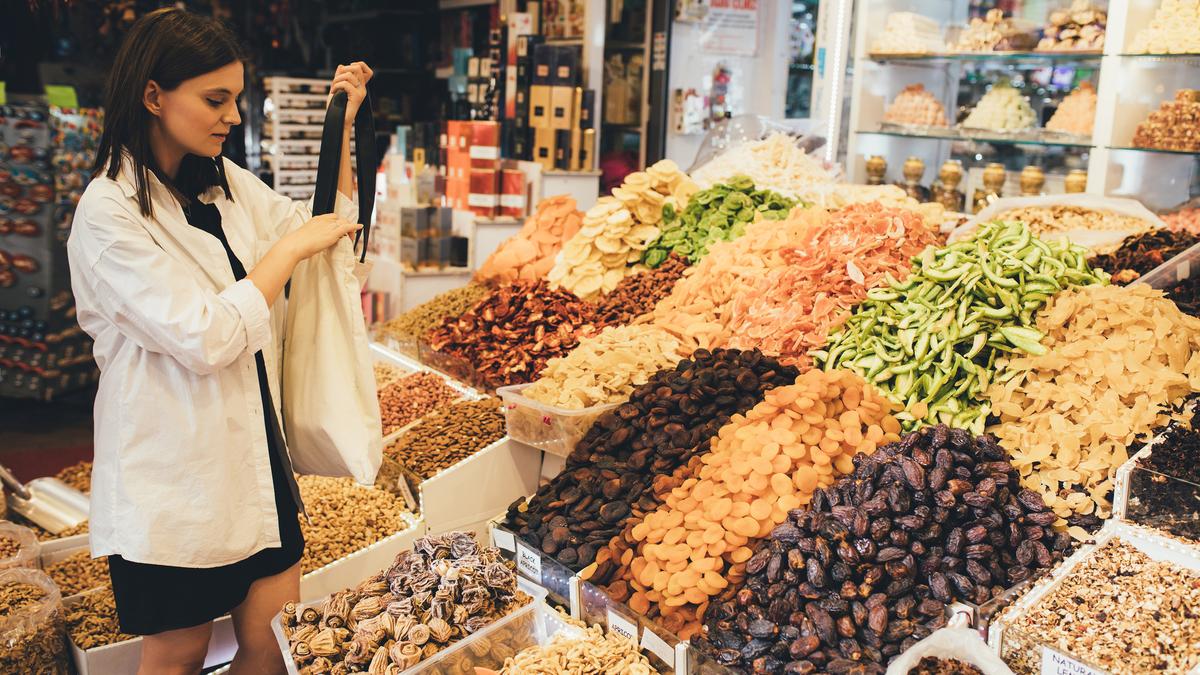
In the suitcase of the modern Indian traveler, the traditional refrigerator magnet and the "I Love New York" t-shirt are being unceremoniously displaced. Taking their place are vacuum-sealed packets of Balinese sambal, artisanal shichimi togarashi from a centuries-old Tokyo spice shop, hand-pressed olive oils from Tuscany, and aged attars from the labyrinthine lanes of Lucknow.
A paradigm shift is underway in the Indian travel landscape. No longer content with merely visiting landmarks, a growing demographic of "grocery tourists" is redefining the holiday experience. For these travelers, the heart of a culture is not found in its museums, but in its supermarket aisles, spice markets, and cookware boutiques. According to recent consumer sentiment data, a staggering 84% of Indian travelers are now open to—and actively planning for—the purchase of kitchen or pantry staples while on holiday.
Main Facts: The Kitchen as the New Compass
The rise of grocery tourism marks a transition from passive sightseeing to active cultural immersion. Travelers like Karthika Ganapathy, a Chennai-based finance professional, represent this new vanguard. Ganapathy doesn’t just stumble into local markets; she approaches them with the precision of a curated investment portfolio. Her Google Lists are meticulously organized by category: rare ingredients, regional snacks, heritage meats, and professional-grade cookware.
"Food is the most honest lens through which to view a city," Ganapathy explains. "When I bring back a specific type of fermented bean paste from Japan or a particular blend of sea salt from the Mediterranean, I’m not just bringing back a product; I’m bringing back the ability to recreate a memory in my own kitchen."
This trend is not limited to international borders. Domestically, Indian travelers are flocking to Goa not just for the beaches, but for local chorizo and feni; to Lucknow for its legendary spice blends; and to Kerala for single-origin peppercorns. The grocery store has become a destination in its own right, offering a sensory-rich environment that reflects the local lifestyle more accurately than any tourist trap.
Chronology: From Duty-Free Luxuries to Hyperlocal Staples
The evolution of Indian travel shopping has moved through three distinct phases over the last four decades:
1. The "Duty-Free" Era (1980s – 2000s)
For decades, the Indian traveler’s shopping list was dominated by "status" items unavailable at home. This era was defined by giant bars of Toblerone, Scotch whisky, and international perfumes purchased at airport duty-free shops. The goal was to bring back things that signaled "foreign travel."
2. The Gourmet Expansion (2010s)
As India’s economy opened up and the middle class expanded, travelers began seeking higher-end culinary items. This was the age of Italian olive oils, Swiss chocolates, and French wines. However, these were still largely "luxury" items—products that were recognizable global brands rather than local secrets.
3. The Era of the "Grocery Tourist" (2020 – Present)
Post-pandemic, the travel philosophy shifted. The isolation of lockdowns spurred a massive interest in home cooking and "slow travel." Social media platforms like TikTok and Instagram began featuring "supermarket hauls" where influencers explored the mundane yet fascinating aisles of foreign grocery stores. Today’s Indian traveler seeks the "authentic" and the "hyperlocal"—the specific brand of chips a teenager in Seoul eats, or the exact heirloom clay pot used by a grandmother in a Goan village.
Supporting Data: Quantifying the Culinary Craze
The shift toward grocery tourism is backed by robust data indicating that food is now a primary motivator for travel.
- The 84% Metric: A recent study by a leading global travel platform revealed that over eight out of ten Indian travelers prioritize buying local ingredients or cookware. This is significantly higher than the global average, suggesting a deep-seated cultural connection between Indian identity and culinary heritage.
- The Airbnb Influence: The rise of short-term rentals with fully equipped kitchens has facilitated this trend. Data shows that 45% of Indian travelers now prefer accommodations with cooking facilities, allowing them to experiment with their grocery finds in real-time before packing them for the journey home.
- Economic Impact: Market analysts estimate that "culinary retail" now accounts for nearly 20% of the total vacation spend for the affluent Indian traveler, rivaling expenditures on traditional sightseeing and luxury goods.
Official Responses: Insights from the Industry
Experts across the travel and culinary sectors are noting the permanence of this trend.
Travel Industry Perspective:
"We have seen a 30% increase in requests for ‘market-centric’ itineraries," says Vikram Sethi, a luxury travel consultant based in Delhi. "Clients no longer want just a table at a Michelin-starred restaurant. They want a guided tour of the Tokyo fish market with a chef, followed by a trip to a knife-smith in Seki. They want to know where the locals buy their rice."
Culinary Historians:
Dr. Amrita Ghosh, a food anthropologist, views this as a reclamation of heritage. "Indian culture has always been centered around the kitchen. As we become more globalized, there is a desire to compare and contrast our spice cultures with others. When an Indian traveler buys pimentón in Spain, they are subconsciously drawing a line back to the chilies used in their own regional cuisine. It’s a form of intellectual and sensory exploration."
Retail Strategy:
Retailers are also pivoting. Large supermarket chains in tourist hubs like Bali and Dubai have begun creating "tourist-friendly" sections that feature vacuum-packed local delicacies, complete with English instructions and customs-compliant packaging, specifically targeting the international "grocery tourist."

Implications: How Grocery Tourism is Changing the World
The rise of this trend has far-reaching implications for several industries, ranging from logistics to cultural diplomacy.
1. The Evolution of Luggage and Logistics
Luggage manufacturers are beginning to take note. We are seeing the emergence of "culinary-safe" suitcases—bags with hard shells and insulated compartments designed to protect fragile bottles of oil or temperature-sensitive cheeses. Furthermore, international courier services at major airports are seeing increased demand for shipping "pantry hauls" directly to travelers’ homes to avoid airline weight penalties.
2. The Democratization of Global Cuisine
As more Indians bring back authentic ingredients, the "Indian-International" palate is evolving. The availability of real Thai galangal or Mexican dried chilies in home kitchens means that global recipes are being recreated with higher fidelity. This reduces the reliance on "localized" versions of international dishes and fosters a more sophisticated global food culture within India.
3. Sustainability and Small-Scale Producers
Grocery tourism often benefits small-scale artisans and farmers rather than giant corporations. A traveler buying honey from a roadside stall in Himachal Pradesh or a hand-woven basket in a Moroccan souk is putting money directly into the hands of local creators. This promotes a more sustainable and equitable form of tourism.
4. Regulatory Challenges
The surge in grocery tourism has also led to increased scrutiny from customs and agricultural departments. Travelers must now navigate a complex web of "phytosanitary certificates" and "prohibited items" (such as raw meats or certain seeds). This has given rise to a new niche of travel blogging: the "Customs Guide," which helps travelers understand what they can and cannot legally bring back to India.
Conclusion: The Ultimate Souvenir
The rise of grocery tourism among Indian travelers is more than a passing fad; it is a reflection of a more mature, curious, and "flavor-first" approach to the world. By filling their suitcases with spices, snacks, and cookware, travelers are ensuring that their holiday doesn’t end when the plane lands. Instead, the journey continues every time they open their pantry, the scent of a distant market wafting through their Indian home, proving that the best way to remember a place is, quite literally, to taste it.
As Karthika Ganapathy puts it: "A magnet sits on your fridge and eventually becomes invisible. But a spice blend from a market in Istanbul? That changes the way you experience your Sunday lunch. That is a souvenir that lives."
