

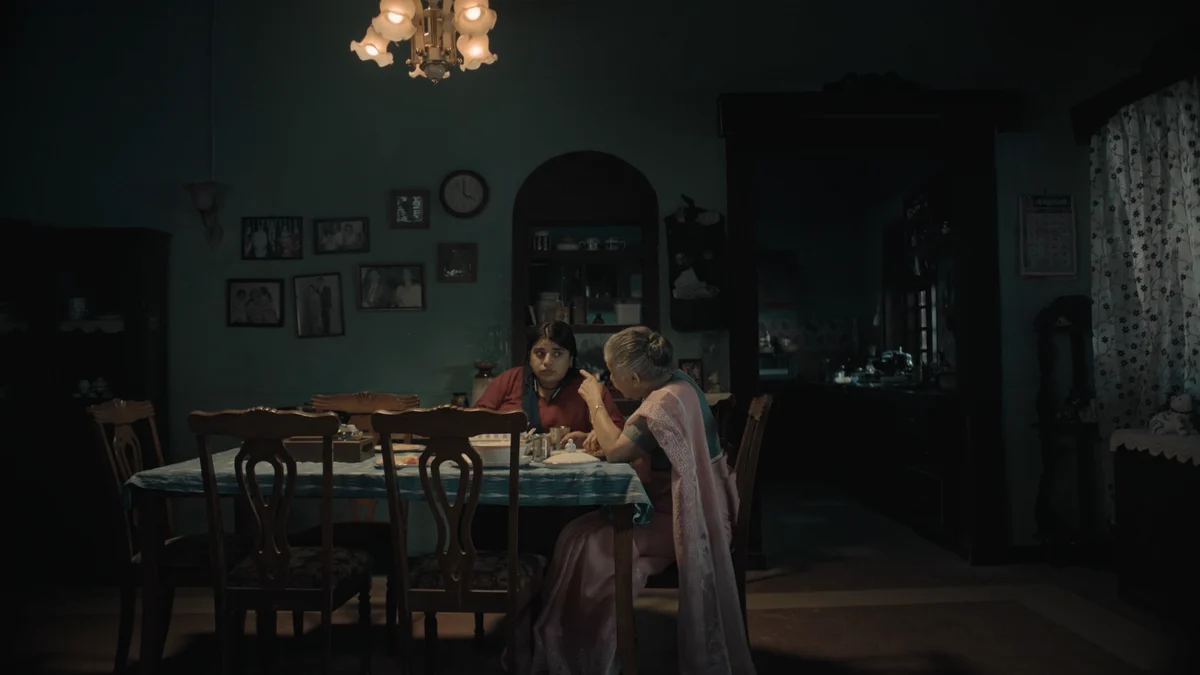
Filmmaker Sulagna Chatterjee, before reaching the milestone age of 30, embarked on a deeply personal quest: to bring her short film, "Olakh," to fruition. This ambitious undertaking, requiring one final push for financial backing, was fueled by a profound question that had long occupied her thoughts: "What remains of a woman after years of being somebody’s daughter, wife, mother, employer, employee, caregiver; after the thousand small accommodations made in the name of belonging?" The Marathi word for "identity," "Olakh" is not merely a film but a cinematic exploration of this existential query, and its journey from concept to screen is a testament to the power of collective belief and independent filmmaking.
The Genesis of "Olakh": An Introspective Journey
The seeds of "Olakh" were sown in November 2024, following a period of intense introspection for Chatterjee. Her childhood in Kolkata, shaped by the presence of her mother and grandmother, became the fertile ground for her narrative. She observed a unique and often overlooked talent that women cultivate: the ability to adapt and accommodate so seamlessly that their own actions begin to feel instinctive, almost involuntary. This observation led her to the poignant question that lies at the heart of her film: "Why do we lose ourselves so much when we are trying to be loved?"
This deeply personal reflection, rooted in the lived experiences of the women in her family, translated into a powerful cinematic vision. The film’s central theme is the erosion of self through constant compromise and the subtle sacrifices made in the pursuit of belonging and love. It is a narrative that eschews grand pronouncements, instead finding profound truths within the intimate spaces of domestic life.

A Cast of Acclaimed Talent
To embody the complexities of "Olakh’s" narrative, Chatterjee assembled a cast of seasoned performers. Leading the ensemble is the esteemed senior actor Suhasini Mulay, whose illustrious career includes iconic roles in films like "Lagaan" (2001) and "Dil Chahta Hai" (2001). Her presence lends gravitas and nuanced performance to the film. Complementing Mulay is Nikita Grover, a recognized casting director and actor known for her work in the critically acclaimed series "Pataal Lok" (2020) and films such as "Shadows of the Moonless Nights" (2026). Together, they bring a wealth of experience and interpretive depth to the characters.
The Crowdfunding Crucible: A Collective Act of Faith
The path to realizing "Olakh" was not paved with conventional studio funding. Instead, Chatterjee chose the challenging yet empowering route of crowdfunding. This decision was born from her prior experiences with independent filmmaking, including projects like "The Visit" (2021), "Adulting" (2018), and the crowdfunded "Pehli Date" (2025). She understood that crowdfunding is not simply about attaching a monetary figure to a dream; it’s an arduous process of repeatedly approaching individuals with the "faintly mortifying question of whether somebody might help pay for it."
However, for "Olakh," this process transformed into a profound demonstration of shared belief. The crowdfunding campaign officially launched on April 20, 2025. By the time principal photography commenced on August 5, the film’s ₹10 lakh budget was not met by a single, substantial investment. Instead, it was an accumulation of conviction from a diverse group of individuals. Approximately 230 people contributed, collectively raising around ₹7 lakh, representing 70% of the total budget. The spectrum of these contributions was remarkable, ranging from a modest ₹51 to a significant ₹1.5 lakh.

The remaining ₹3 lakh was secured through the crucial involvement of co-producers. Furthermore, a network of collaborators generously offered their expertise and resources, providing equipment and post-production support. These contributions, while not always appearing as direct financial figures, significantly reduced the film’s overall expenditure, showcasing a holistic approach to collaborative filmmaking. In essence, a film about identity began with an appeal to strangers, who responded with an outpouring of support, transforming a personal vision into a communal endeavor.
Crowdfunding vs. Studio Backing: The Director’s Choice
Chatterjee’s decision to pursue crowdfunding over traditional studio backing was a strategic one, driven by a desire for creative autonomy. While acknowledging that a producer or studio can provide invaluable support by managing the myriad practical challenges of film production, thus allowing the director to focus more intently on the creative aspects, she also recognized the potential for compromise. Such arrangements, she noted, can sometimes necessitate surrendering a degree of creative control.
By choosing the independent route, Chatterjee was empowered to tackle a "braver story." This freedom allowed her to delve into the nuanced and potentially sensitive themes of "Olakh" without the constraints of commercial pressures that might otherwise influence narrative choices. The ability to maintain full creative ownership was paramount in her pursuit of authentically exploring the complexities of female identity.

The Politics of Appetite: Unpacking Identity in the Domestic Sphere
The narrative of "Olakh" unfolds primarily within the confines of a Mumbai home kitchen, a microcosm where the intersection of caste, class, age, and experience becomes starkly evident. The film centers on the interactions between a landlady and her domestic worker, two women whose lives are shaped by vastly different societal positions.
Suhasini Mulay portrays a Punjabi widow, who, through marriage, has navigated the customs of a Maharashtrian household. Her character embodies the experience of carrying one identity into the traditions of another, highlighting the subtle negotiations and adjustments that define many women’s lives. Within this kitchen setting, the concept of "taste" is imbued with historical context, and "appetite" takes on political undertones. The seemingly simple question of "what will be cooked?" subtly conceals a deeper, less frequently voiced inquiry: "whose preference truly matters?"
Chatterjee’s personal observations heavily influenced this aspect of the film. She drew inspiration from her own mother’s experience. Her mother, a Bangal (a Bengali who migrated from East Bengal before the Partition) who married into a Ghoti (Bengalis from West Bengal) family out of love, found herself adjusting her culinary preferences to align with her new household. Her preference for spicier food was accommodated, but over 35 to 36 years of marriage, her mother adapted so thoroughly that her own culinary desires seemed almost forgotten.

This gradual erosion of personal preference, though seemingly minor and not a dramatic tragedy, was precisely what captivated Chatterjee’s attention. It illustrated how identity can be subtly diminished, not through overt conflict, but through a series of small concessions. As Chatterjee observed, identity doesn’t always vanish with a dramatic exit; sometimes, it erodes one preference at a time.
The narrative takes a significant turn with her mother’s recovery from cancer. This life-altering event prompted a reframing of the future, with her mother referring to the years ahead as "life 2.0," suggesting a profound sense of rebirth. In this new phase, she began to re-embrace her preferred foods. While surviving cancer is a monumental act, for Chatterjee, her mother’s reclaiming of her appetite held an equally potent argument about the essence of the self. This personal anecdote became a powerful metaphor for the film’s exploration of reclaiming one’s identity after periods of compromise.
The Domestic Sphere as a Canvas for Identity
From these deeply personal memories and observations, "Olakh" draws its profound interest in the domestic sphere as a site where identity is constantly constructed and deconstructed. The film’s two central female characters occupy vastly different social strata within the same household, and their proximity does not negate the inherent inequality between them. Chatterjee was particularly drawn to the subtle betrayals of caste and class that manifest in everyday interactions. She also explores the generational disconnect, where an older generation may not fully comprehend the pain experienced by a younger one, and how younger women might misinterpret the endurance of their mothers and grandmothers as contentment.

The film’s journey, from one person’s unwavering insistence on telling a story to a collective act of faith, exemplifies the power of independent cinema. Sulagna Chatterjee’s direct appeal for support resonated with 230 individuals who, in turn, became stakeholders in her vision. This collaborative spirit, fueled by a shared understanding of the film’s central themes, underscores the profound impact that crowdfunding can have in empowering filmmakers to tell stories that might otherwise remain untold. "Olakh" stands as a poignant reminder that even the most intimate explorations of identity can find a powerful voice through the collective will of a community.
World Premiere and Future Trajectory
The culmination of this arduous yet rewarding journey was the world premiere of "Olakh" at the Indian Film Festival in Melbourne on August 20. This prestigious platform provided the film with its initial international exposure, marking a significant milestone in its cinematic voyage. The film’s success in securing funding and its subsequent premiere are indicative of a growing appreciation for nuanced storytelling that delves into the complexities of human experience, particularly from a female perspective. As "Olakh" continues its festival run and seeks wider distribution, it promises to spark conversations about identity, accommodation, and the quiet resilience of women, echoing the profound questions that Sulagna Chatterjee set out to explore.
