

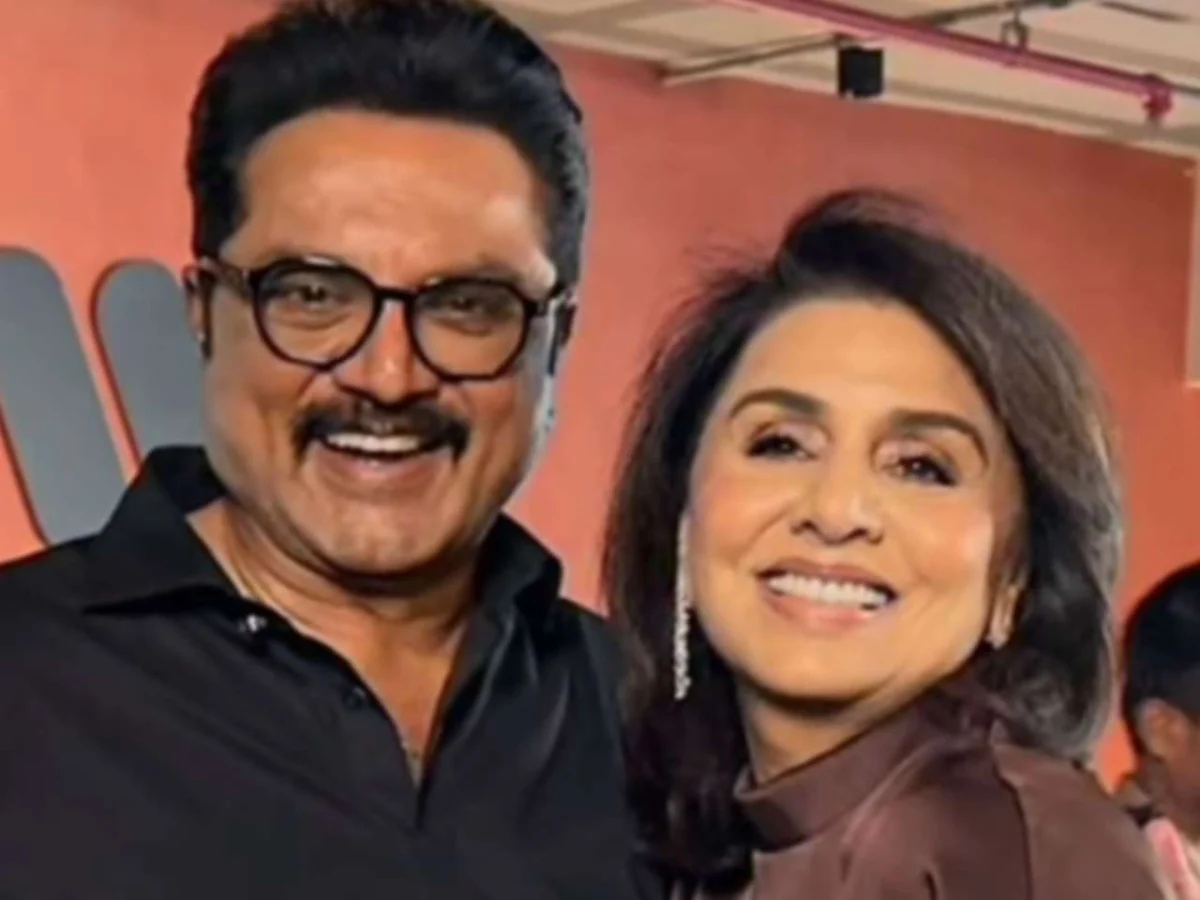
Mumbai, India – In the vibrant tapestry of Indian cinema, certain collaborations resonate with a profound sense of continuity, weaving together past and present through the shared experiences of artists. Actor R. Sarathkumar, a towering figure in South Indian cinema, recently found himself at the heart of such a moment while working on the family comedy-drama "Daadi Ki Shaadi." His on-screen partnership with veteran actress Neetu Kapoor, he reveals, transcended mere professional engagement, evolving into a poignant reflection on the cyclical nature of life and the enduring legacies within the Hindi film industry.
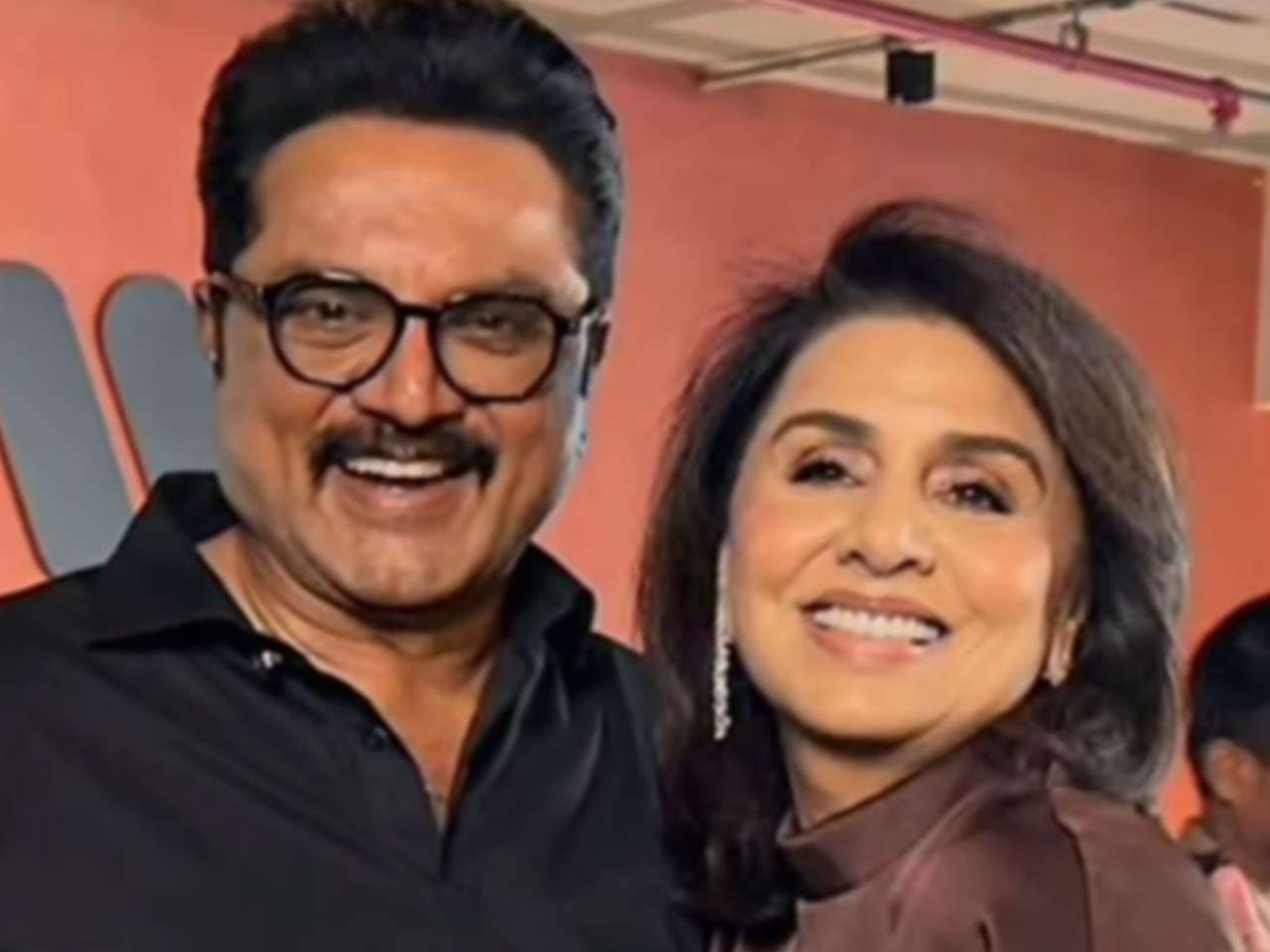
Sarathkumar’s participation in "Daadi Ki Shaadi," which premiered on May 8th, marked a significant foray into Bollywood for the seasoned actor. While he has previously made a cameo appearance in the 2024 film "Sarfira" alongside Akshay Kumar, "Daadi Ki Shaadi" offered him a more substantial role, allowing him to engage with a wider audience and a different creative landscape. However, it was the presence of Neetu Kapoor that truly imbued the experience with a deeper meaning.
)
The "Cycle of Life" Moment: Connecting Through Legacy
Speaking to ANI, Sarathkumar articulated the profound personal significance of sharing the screen with Neetu Kapoor. "It was really a good experience working with Neetu," he stated, his voice carrying a warmth that belied the professional distance. He then unveiled the touching connection: "My wife Radhika had worked with Rishi ji in ‘Naseeb Apna Apna,’ so now I am acting with Neetu ji. It’s a cycle of life."
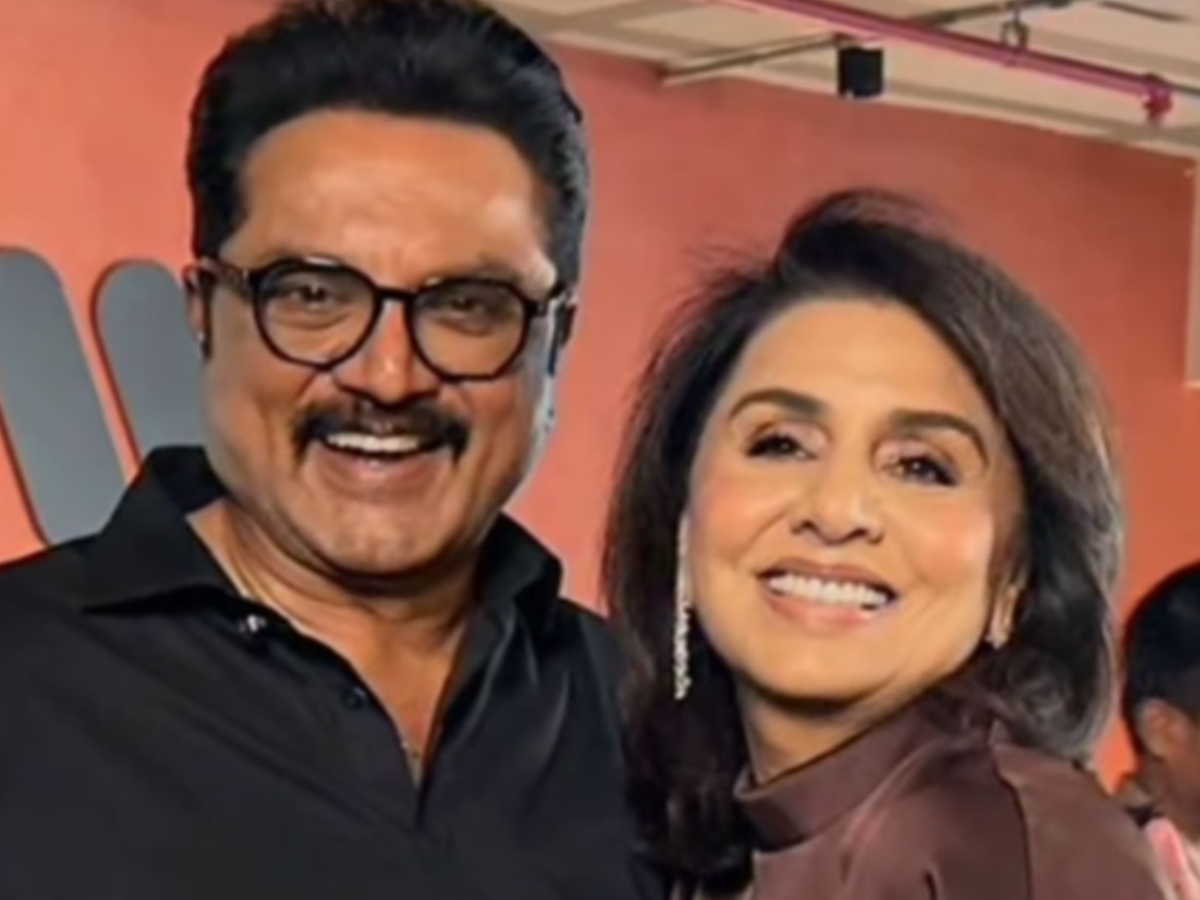)
This statement encapsulates the extraordinary serendipity of their collaboration. Radhika Sarathkumar, a respected actress in her own right, had shared screen space with Neetu Kapoor’s late husband, the legendary Rishi Kapoor, in the 1986 film "Naseeb Apna Apna." For R. Sarathkumar to now be acting alongside Neetu Kapoor, the wife of his wife’s former co-star, creates a beautiful and tangible echo across generations of Bollywood history. It’s a testament to the interconnectedness of the film fraternity, where relationships and professional paths often intertwine in unexpected and meaningful ways.

"She is so nice, and everybody made me feel comfortable from day one," Sarathkumar elaborated, highlighting the welcoming atmosphere on the set. This ease of integration was crucial for an actor venturing into a new industry. He admitted to having harbored a desire to do a Hindi film for a considerable time, patiently awaiting a script that would resonate with him. "This was one such script where I thought I could make an impact." The script, coupled with the congenial environment, fostered a sense of camaraderie that transcended the professional. "The entire unit was so cordial that we eventually became like a family. Even today, we still have our Daadi Ki Shaadi family WhatsApp group, which shows how much the film has impacted my life."
)
"Daadi Ki Shaadi": A Narrative of Family and Connection
"Daadi Ki Shaadi" is described as a family comedy-drama, a genre that often explores themes of relationships, familial bonds, and the everyday nuances of life. Written and directed by Ashish R. Mohan, the film appears to have struck a chord with its ensemble cast, fostering an environment of genuine connection.
)
Sarathkumar’s positive assessment of his co-stars extends to Kapil Sharma, the popular comedian and actor who plays a pivotal role in the film. Describing Sharma as an "intelligent and witty guy" with a "caring personality," Sarathkumar expressed his eagerness to collaborate with him again. This sentiment underscores the positive working dynamic that can arise when talented individuals come together with mutual respect and a shared vision.
)
The actor also touched upon his cameo in "Sarfira," noting his experience working with Akshay Kumar. While a cameo offers a brief glimpse, "Daadi Ki Shaadi" provided a more immersive experience, allowing him to delve deeper into a character and contribute more significantly to the narrative.
)
A Film for Every Family: The Emotional and Entertaining Core
Beyond the personal connections, Sarathkumar firmly believes in the universal appeal of "Daadi Ki Shaadi." He advocates for its viewership by families, describing it as "totally entertaining and emotional." The film, he suggests, carries a "beautiful message about families staying together and how parents and grandparents should never miss the presence of their children." This emphasis on familial values and the importance of intergenerational connection is a theme that resonates deeply within Indian culture and cinema.
)
The emotional depth and entertainment quotient, he believes, stem from the collective effort of the cast and crew. "It was a great experience working with Neetu ji, Kapil and the entire team. Everybody was very interesting to work with." The dedication and hard work of everyone involved were instrumental in translating the director’s vision onto the screen.
)
The Director’s Vision: From Narration to Screen
Sarathkumar’s praise for director Ashish Mohan further illuminates the collaborative spirit behind "Daadi Ki Shaadi." He was particularly impressed by the director’s ability to translate his narrative vision into tangible cinematic reality. "The way he narrated the script and what finally came on screen were exactly the same," Sarathkumar observed. This fidelity to the script and the director’s clear communication are often hallmarks of a well-executed film. "The writer, the entire cast and crew did a great job. Everyone was dedicated and worked really hard," he added, acknowledging the collective effort that contributes to a film’s success.
)
The Evolving Landscape of Indian Cinema: Beyond Regional Boundaries
Looking towards the future, R. Sarathkumar remains focused on his commitments within the South Indian film industry. While he has no immediate Bollywood projects on the horizon, he remains open to returning to Hindi cinema should the right script and role present themselves. This pragmatic approach reflects the changing dynamics of the Indian film industry, where talent and compelling narratives are increasingly transcending regional boundaries.
)
Sarathkumar’s perspective on this evolution is noteworthy: "He also noted that he now sees Indian cinema as one united industry, saying talent has become more important than regional boundaries." This sentiment is increasingly shared by filmmakers, actors, and audiences alike. The rise of pan-Indian films, the accessibility of content across platforms, and the growing recognition of talent from all corners of the country are dismantling the traditional barriers that once separated regional film industries. For actors like Sarathkumar, this presents an exciting opportunity to reach a wider audience and contribute to a more unified and vibrant cinematic landscape.
)
Production and Release: The Final Pieces of the Puzzle
The film "Daadi Ki Shaadi," produced by Rtake Studios in collaboration with BeingU Studios and Shimla Talkies, is a product of a concerted effort by multiple production houses. Ashish R. Mohan’s dual role as writer and director underscores his central creative vision for the project. The ensemble cast, featuring Neetu Kapoor and Kapil Sharma in lead roles, alongside Riddhima Kapoor Sahni, Sarath Kumar, and Sadia Khateeb, promised a dynamic on-screen chemistry. The film’s release on May 8th marked the culmination of this creative endeavor, offering audiences a blend of family drama, humor, and heartwarming messages.
)
In essence, R. Sarathkumar’s experience with "Daadi Ki Shaadi" is more than just another film credit. It is a poignant reminder of the enduring connections that bind the Indian film industry, a testament to the power of shared experiences across generations, and a hopeful glimpse into a future where cinematic talent knows no regional bounds. The "cycle of life" he experienced on set with Neetu Kapoor is a beautiful metaphor for the continuous evolution and interconnectedness of Bollywood, a legacy that continues to unfold with each new collaboration.
