

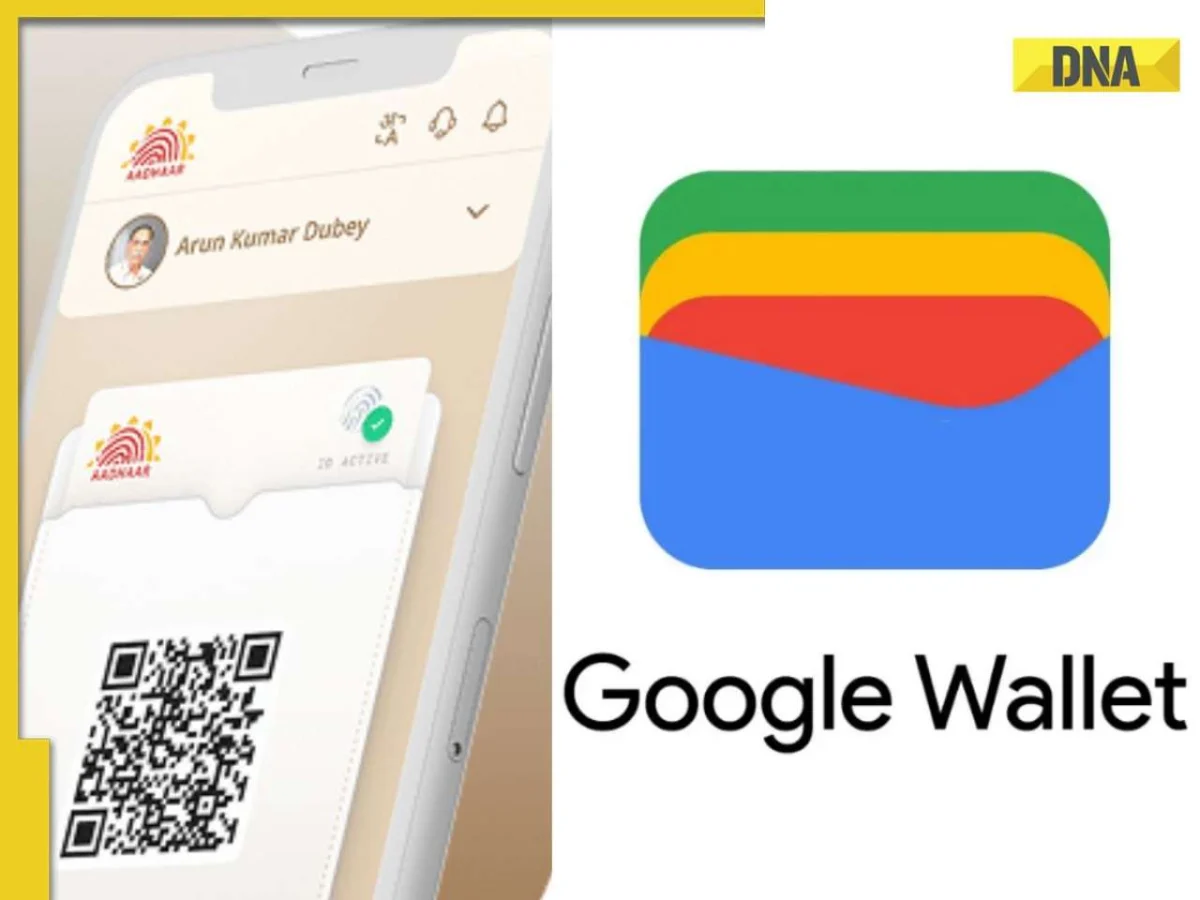
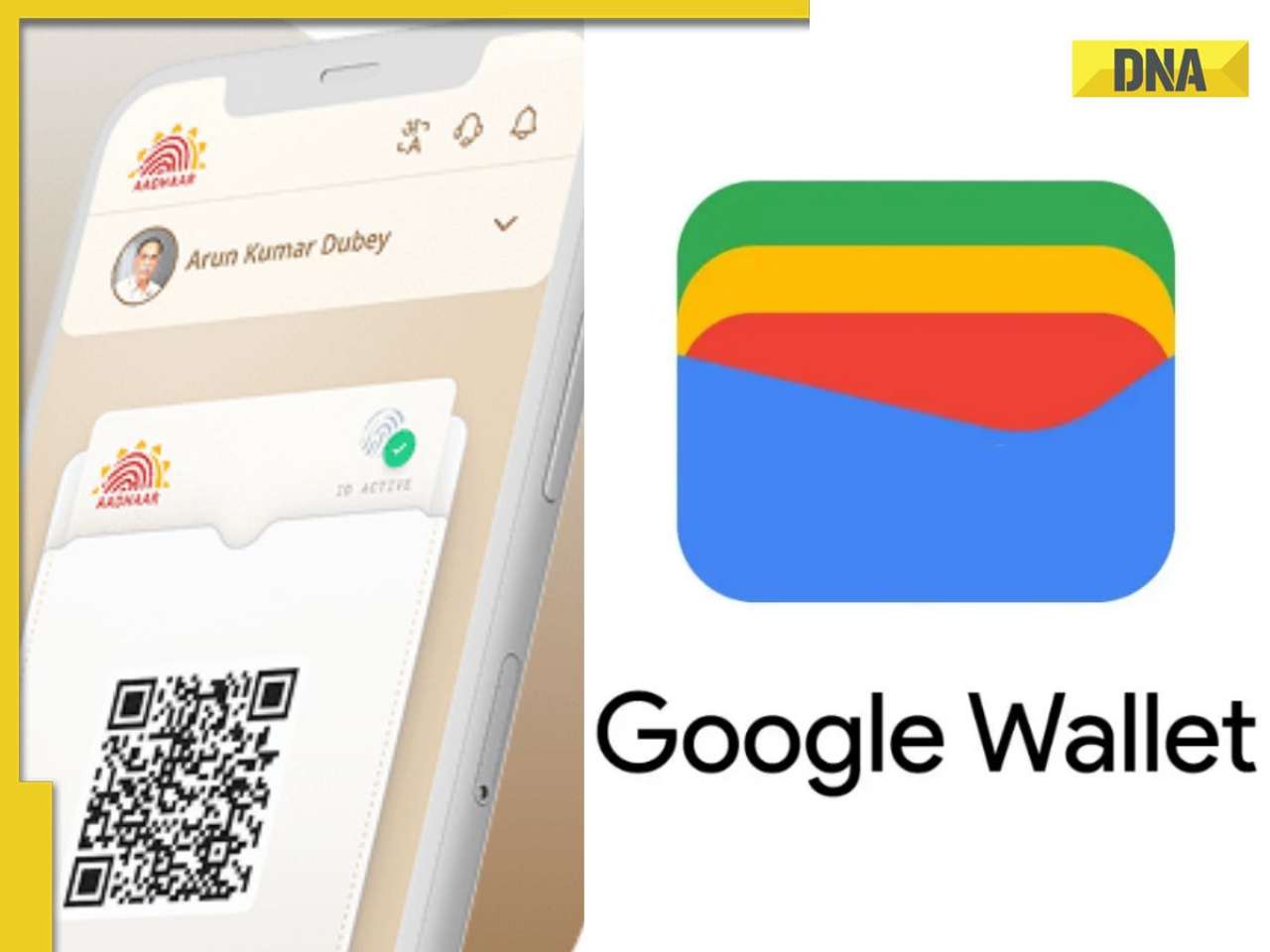
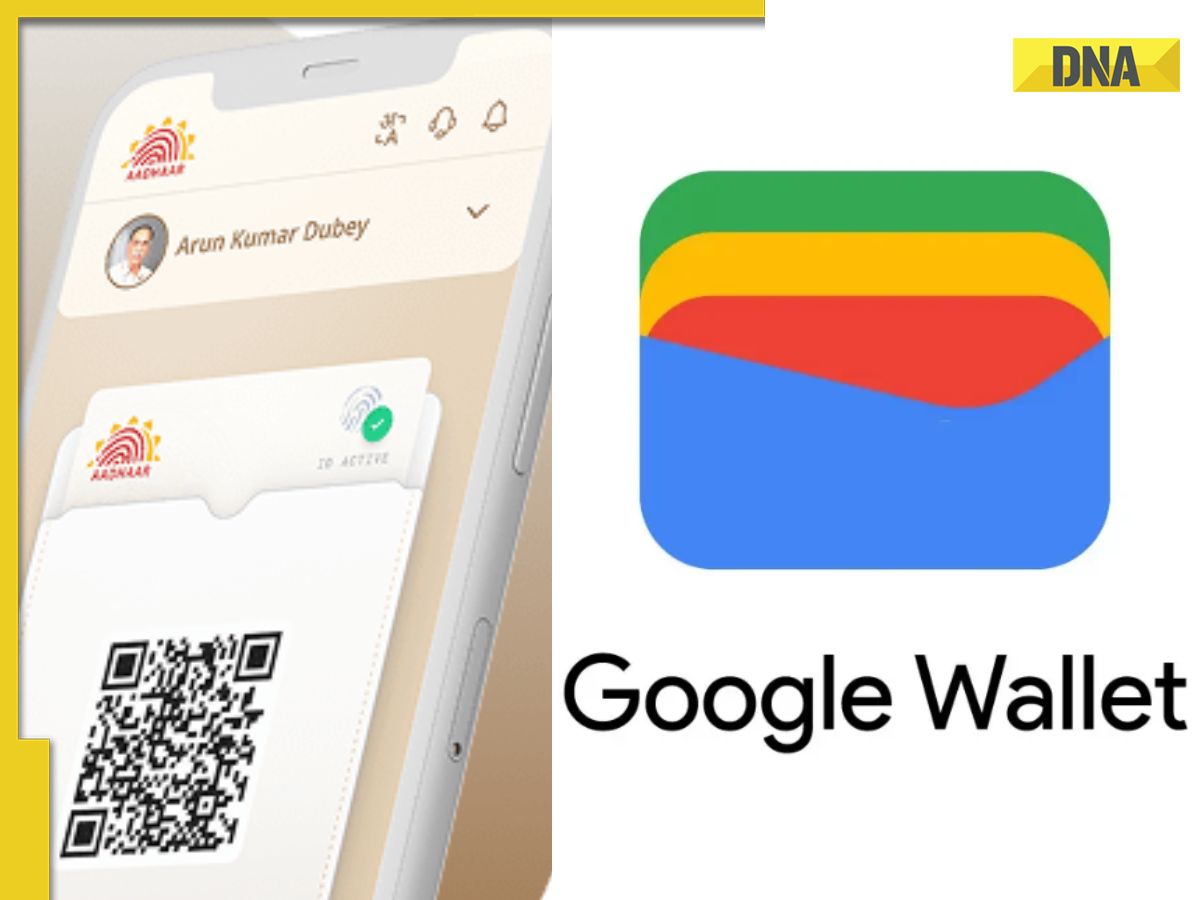
New Delhi, India – In a significant stride towards enhancing digital convenience and secure identity verification for millions, Google has announced a groundbreaking partnership with the Unique Identification Authority of India (UIDAI). This collaboration now empowers users across India to securely store their Aadhaar details directly within the Google Wallet application, transforming the way personal identification is presented and verified in the digital age.
The move marks a pivotal moment in India’s ongoing digital transformation, integrating the nation’s foundational digital identity program, Aadhaar, with one of the world’s most widely used digital wallet platforms. This integration promises a more streamlined, accessible, and secure method for citizens to prove their identity, whether for online services or in physical settings, without the constant need for a physical card.
A New Era of Digital Identity: Google and UIDAI Partner for Aadhaar in Wallet
The core of this partnership lies in enabling users to create a secure, digital version of their Aadhaar card on their smartphones. This is not merely an image or a scanned copy but a "verifiable credential" that leverages advanced security protocols to ensure authenticity and protect user privacy. Google’s announcement, made via an official blog post, underscores its commitment to fostering digital inclusion and simplifying everyday transactions for Indian users.
Unlike previous Aadhaar linking initiatives with services like PAN cards or bank accounts, this integration focuses purely on storing an individual’s identity details within Google Wallet. This means that Google Wallet can now serve as a secure digital repository for Aadhaar, facilitating authentication processes by presenting these verifiable credentials on demand. The immediate benefit is the elimination of the hassle associated with carrying a physical Aadhaar card, providing a robust digital alternative that is both secure and readily available.
)
Initial rollout sees Google Wallet authentication aligned with select partners, including prominent entertainment chain PVR INOX and leading matrimonial service BharatMatrimony. This strategic choice of partners highlights the diverse range of applications for digital identity verification, from accessing services and age verification to secure account creation. The overarching aim is to make identity verification smoother, more accessible, and universally accepted, thereby enhancing user experience across a multitude of platforms and services.
The Journey to a Digital-First India: Aadhaar’s Evolution and Google’s Role
The integration of Aadhaar into Google Wallet is not an isolated event but a culmination of years of strategic digital development within India and Google’s concerted efforts to embed itself within the nation’s burgeoning digital economy. To fully appreciate the significance of this partnership, it is essential to trace the chronological evolution of these intertwined narratives.

The Genesis of Aadhaar: A Foundation for Digital Identity
The Unique Identification Authority of India (UIDAI) embarked on its ambitious journey to provide every Indian resident with a unique 12-digit identification number, Aadhaar, in 2009. Conceived as a tool for inclusive development, Aadhaar aimed to streamline the delivery of government subsidies, welfare schemes, and services by providing a verifiable identity to millions, many of whom previously lacked formal identification. Over the past decade, Aadhaar has become ubiquitous, with over 1.3 billion residents enrolled, making it the world’s largest biometric ID system. Its widespread adoption has led to its integration into virtually every aspect of public and private life, from opening bank accounts and filing taxes to receiving pension benefits and accessing mobile services. This pervasive presence has laid the groundwork for innovations like the Google Wallet integration, where a digital identity can unlock a plethora of services.
Google’s Deep Roots in India’s Digital Landscape
Google’s engagement with India’s digital ecosystem runs deep, predating this recent partnership. With Android dominating the smartphone market, Google’s search engine as the primary gateway to the internet, and Google Pay (formerly Tez) becoming a formidable player in the UPI-driven digital payments landscape, the tech giant has cultivated a significant user base and understanding of Indian digital habits. Google has consistently invested in localizing its products, developing features tailored for the Indian market, and supporting initiatives aimed at digital inclusion. Its "Next Billion Users" strategy has seen it focus on making technology accessible and useful for emerging markets, and the Aadhaar integration aligns perfectly with this long-term vision. The decision to integrate Aadhaar into Google Wallet, therefore, reflects Google’s strategic intent to further entrench its services within India’s unique digital public infrastructure.
)
UIDAI’s Push for Verifiable Digital Credentials
The UIDAI has not been static in its approach to identity. Recognizing the need for secure, privacy-preserving, and digitally verifiable forms of Aadhaar, it introduced initiatives like the mAadhaar app and, more recently, the Aadhaar Verifiable Credentials (VC) framework. This framework is a crucial precursor to the Google Wallet integration. Aadhaar VCs allow for offline verification and the generation of digitally signed, tamper-proof credentials that can be shared securely without exposing the full Aadhaar number or requiring a live connection to the central Aadhaar database. This technological advancement ensures that users retain control over their identity information, sharing only what is necessary for verification, thereby bolstering privacy and security. The partnership with Google Wallet leverages this very framework, making the "verifiable credential" a tangible and easily accessible feature for the average user.
Unpacking the Mechanism: How Digital Aadhaar Works in Google Wallet
The integration of Aadhaar into Google Wallet is built upon a sophisticated architecture designed for both convenience and robust security. Understanding the underlying technology and the step-by-step process is crucial for appreciating its potential impact.
)
The "Verifiable Credential" Advantage
At the heart of this innovation is the concept of an "Aadhaar Verifiable Credential." Unlike simply storing an image of your Aadhaar card, which offers no inherent security against tampering or misuse, a verifiable credential is a cryptographically secured digital document. When a user adds their Aadhaar to Google Wallet, the system generates this verifiable credential, which is then stored securely on the user’s device.
This credential contains the necessary identity information (e.g., name, date of birth, gender, address, and the last four digits of the Aadhaar number) and is digitally signed by the UIDAI. This digital signature ensures that the credential is authentic and has not been altered. When a user needs to prove their identity, the Wallet app presents this verifiable credential to the requesting service. The service can then cryptographically verify the UIDAI’s signature, confirming the authenticity of the Aadhaar details without needing to access a central database in real-time. This mechanism drastically reduces the risk of identity fraud and enhances privacy by allowing for selective disclosure – sharing only the necessary attributes rather than the entire identity profile.
)
Robust Security Protocols and User Control
Google and UIDAI have emphasized the stringent security measures in place. The process is secured by:
- On-Device Storage: The verifiable credential is stored securely on the user’s smartphone, not on Google’s cloud servers. This means the user retains control over their data.
- Encryption: The stored credential is encrypted, adding an extra layer of protection against unauthorized access even if the device is compromised.
- One-Time Password (OTP) Verification: The initial process of adding Aadhaar to the Wallet requires an OTP sent to the user’s registered mobile number, ensuring that only the legitimate Aadhaar holder can add their details.
- Device Security: The Wallet app itself often requires device-level authentication (PIN, fingerprint, face unlock) to access, further securing the digital Aadhaar.
- Offline Verification: The Aadhaar Verifiable Credential is designed for offline verification, meaning that a live internet connection to the UIDAI database is not always required for a service provider to verify the authenticity of the presented identity. This significantly enhances usability in areas with limited connectivity.
Crucially, Google has reiterated that this feature does not grant Google access to the Aadhaar database or enable the company to track user activity based on Aadhaar details. It is a user-initiated process for secure, self-sovereign identity management.
)
Step-by-Step Guide to Adding Aadhaar to Google Wallet
The process of adding your Aadhaar details to Google Wallet has been designed for simplicity and security, offering two primary pathways:
Method 1: Via the Google Wallet App
)
- Update Google Wallet: Ensure your Google Wallet app is updated to the latest version available on your smartphone’s app store.
- Open the App: Launch the Google Wallet application.
- Initiate Addition: Tap the ‘+’ or ‘Add to Wallet’ button, typically found at the bottom right or center of the screen.
- Select Aadhaar: Choose the option to add an ‘ID card’ or specifically ‘Aadhaar card’. You might be redirected to the official Aadhaar app or a secure portal.
- Enter Aadhaar Number: Input your 12-digit Aadhaar number into the designated field.
- OTP Verification: A One-Time Password (OTP) will be sent to the mobile number registered with your Aadhaar. Enter this OTP to verify your identity.
- Confirm and Add: Follow the on-screen prompts to confirm and add your Aadhaar "verifiable credential" to your Google Wallet.
Method 2: Via the Official Aadhaar App (mAadhaar)
- Open mAadhaar App: Launch the official mAadhaar application on your smartphone.
- Sign In & Verify: Sign in to the app and complete any necessary identity verification steps.
- Tap ‘Add to Wallet’: Look for an option like ‘Add to Wallet’ within the mAadhaar app’s interface.
- Select Google Wallet: When prompted, choose ‘Google Wallet’ as the destination for your digital Aadhaar.
- Continue: Tap ‘Continue’ to proceed.
- Follow On-Screen Instructions: The app will guide you through the remaining steps, which will likely involve a secure handover or redirection to Google Wallet to finalize the addition of your verifiable credential.
Once added, users can access their digital Aadhaar within Google Wallet whenever identity verification is required, offering a seamless and secure experience.
)
Expanding Horizons: Current and Future Use Cases
While initial partners include PVR INOX and BharatMatrimony, the potential applications for digital Aadhaar in Google Wallet are vast and transformative:
- Age Verification: For purchasing age-restricted products or services (e.g., alcohol, tobacco, online gaming).
- Travel and Hospitality: Faster check-ins at airports, railway stations, and hotels, potentially reducing wait times and paperwork.
- Government Services: Streamlined access to various government schemes, ration collection, pension verification, and other public services requiring identity proof.
- Financial Services (KYC): Expedited Know Your Customer (KYC) processes for opening bank accounts, applying for loans, or obtaining insurance, reducing the need for physical document submission.
- Healthcare: Quicker patient registration at hospitals and clinics, ensuring accurate identity verification for medical records.
- Telecom: Simplified SIM card activation and mobile connection processes.
- Online Services: Secure registration and login for various online platforms, enhancing security and reducing reliance on traditional password systems.
- Employment Verification: For background checks and official documentation during job applications.
The convenience of having a universally accepted identity proof securely stored on one’s smartphone is set to revolutionize numerous everyday interactions, making them quicker, more efficient, and less prone to errors.
)
Voices from the Forefront: Official Statements and Expert Perspectives
The partnership between Google and UIDAI is a significant development, and official statements from both entities, alongside insights from industry analysts, shed light on the strategic thinking and anticipated impact.
Google’s Vision for Seamless Identity Verification
While specific direct quotes from Google executives might be limited in the initial announcement, the overarching message from the company’s official blog post and public statements consistently emphasizes convenience, security, and digital empowerment. Google’s vision is to make digital identity as accessible and intuitive as digital payments. "Our collaboration with UIDAI is a testament to our commitment to supporting India’s digital transformation journey," a Google spokesperson might state, highlighting the goal of "providing users with a secure and hassle-free way to manage their identity in the digital realm." The focus is on simplifying user experiences, reducing friction in verification processes, and leveraging the ubiquitous nature of smartphones to deliver essential services. The integration of Aadhaar as a "verifiable credential" aligns with Google’s global push for self-sovereign identity solutions, where users have greater control over their personal data.
)
UIDAI’s Commitment to Secure Digital Ecosystems
The Unique Identification Authority of India (UIDAI) has consistently championed secure and inclusive digital identity. Its collaboration with Google reflects a broader strategy to expand the utility and accessibility of Aadhaar while maintaining stringent security and privacy standards. "UIDAI is dedicated to building a robust and secure digital identity ecosystem for all Indian residents," an official statement from the authority would likely assert. "This partnership with Google Wallet exemplifies our efforts to provide diverse, secure, and user-friendly channels for Aadhaar verification, leveraging the Aadhaar Verifiable Credential framework to ensure data privacy and authenticity." For UIDAI, the goal is to further embed Aadhaar as a trusted, digital identity proof, enabling seamless access to services while upholding the principles of user consent and data protection. The adoption of a widely used platform like Google Wallet extends Aadhaar’s reach and practical utility significantly.
Industry Analysts Weigh In
Technology and digital policy analysts have largely viewed this partnership as a positive step, albeit with a cautious eye on implementation and privacy. "This integration is a game-changer for digital identity in India," comments a leading tech analyst. "It marries India’s most important digital ID with a platform that billions already use. The convenience factor is immense, and if the security protocols around verifiable credentials are robust, it could set a global precedent for digital ID management."
)
However, some analysts also raise important considerations regarding privacy and data security. "While the ‘verifiable credential’ model is inherently more private than centralized database queries, public trust and transparent communication from both Google and UIDAI will be paramount," notes a digital rights advocate. "Users need to be absolutely clear on what data is stored, where it’s stored, and how it’s used. The devil will be in the details of implementation and the continuous vigilance against potential misuse." The consensus is that while the potential benefits are enormous, ongoing oversight and user education will be critical for the long-term success and widespread adoption of this initiative.
Implications and the Road Ahead: Shaping India’s Digital Future
The integration of Aadhaar into Google Wallet carries profound implications for India’s digital future, touching upon convenience, economic efficiency, privacy, and its role as a global leader in digital public infrastructure.
)
Enhancing Convenience and Accessibility
The most immediate and tangible benefit is the unparalleled convenience it offers. For millions of Indians, their smartphone is their primary access point to the digital world. Having Aadhaar securely stored within Google Wallet means that a crucial identity document is always at hand, eliminating the need to carry physical cards, search for photocopies, or remember complex details. This is particularly impactful for residents in remote areas, for whom accessing physical government offices or printing facilities can be challenging. It democratizes access to identity verification, making it readily available for all smartphone users.
Addressing Privacy and Data Security: A Balanced Approach
Privacy and data security have always been central to discussions surrounding Aadhaar. This partnership addresses these concerns by leveraging the "verifiable credential" model. Unlike previous Aadhaar integrations that sometimes involved direct database linkages, this system focuses on user-controlled, on-device storage of a digitally signed credential. This approach inherently offers enhanced privacy by:
)
- Data Minimization: Only necessary attributes are shared for verification, not the entire Aadhaar profile.
- User Consent: The user explicitly initiates the process of adding Aadhaar and presenting it for verification.
- Decentralized Verification: Verification can occur offline, reducing reliance on central servers and potential points of attack.
However, vigilance remains crucial. Ensuring the continuous security of the Wallet app itself, protecting against malware on user devices, and educating users about safe digital practices will be ongoing challenges that both Google and UIDAI must address collaboratively. The key is to maintain a balanced approach that prioritizes both convenience and robust privacy safeguards.
Economic Efficiencies and Fraud Reduction
The streamlining of identity verification processes has significant economic implications. By simplifying KYC procedures for financial services, reducing the paperwork involved in various transactions, and enabling faster service delivery, the digital Aadhaar in Google Wallet can contribute to substantial cost savings for businesses and government agencies. It also has the potential to significantly reduce identity fraud, as verifiable credentials are much harder to forge or tamper with compared to physical documents. This enhanced trust in digital identity can accelerate economic activity and foster greater participation in the formal economy.
)
The Broader Landscape of Digital Public Infrastructure
India has emerged as a global leader in building robust Digital Public Infrastructure (DPI), with Aadhaar, UPI (Unified Payments Interface), and DigiLocker being prime examples. The integration of Aadhaar into Google Wallet further solidifies this position. It demonstrates how foundational digital IDs can be seamlessly integrated into widely used private platforms, creating a synergistic ecosystem that benefits citizens, businesses, and the government alike. This model could serve as a blueprint for other nations looking to build their own digital identity and service delivery frameworks.
Potential Challenges and the Path to Wider Adoption
Despite its immense potential, the path to universal adoption and seamless operation will face challenges:
)
- Digital Divide: While smartphone penetration is high, a segment of the population still lacks access or digital literacy, which could hinder widespread adoption.
- User Education: Clear and continuous communication about the security features, privacy safeguards, and step-by-step usage will be essential to build user trust and encourage adoption.
- Merchant and Service Provider Adoption: While initial partners are onboard, ensuring widespread acceptance by a diverse range of merchants and service providers will require significant outreach and technical integration efforts.
- Interoperability: Ensuring seamless interoperability with other digital locker systems (like DigiLocker) and various government and private sector applications will be key.
- Evolving Threat Landscape: As with any digital system, continuous updates and vigilance against evolving cyber threats will be paramount to maintain the integrity and security of the digital Aadhaar.
In conclusion, the partnership between Google and UIDAI to integrate Aadhaar into Google Wallet represents a monumental leap forward for India’s digital identity landscape. By combining the ubiquity of Google’s platform with the foundational strength of Aadhaar, this initiative promises to usher in an era of unparalleled convenience, security, and accessibility for identity verification. While challenges remain, the strategic vision and technological underpinnings are poised to reshape how Indians interact with services, further cementing the nation’s position at the forefront of the global digital revolution.
