

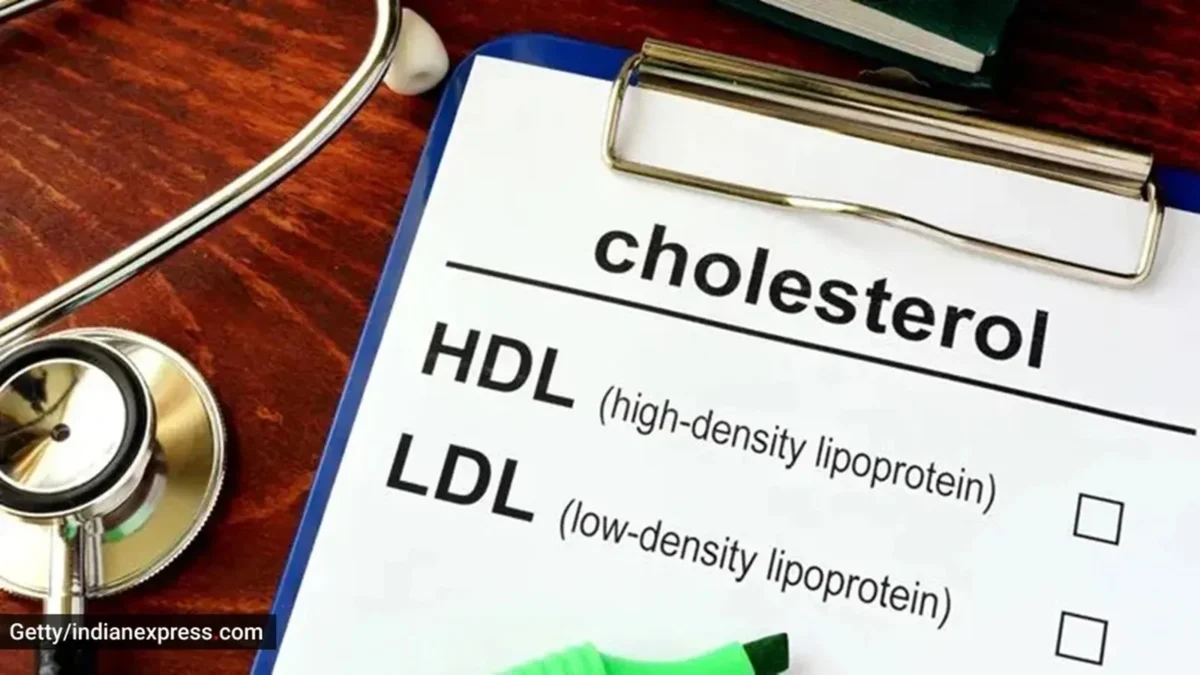
New Delhi, May 12, 2026 – Actor Shoaib Ibrahim, known for his roles in popular television serials, has publicly shared his significant health victory: successfully bringing his previously high cholesterol levels under control after a three-year battle. In a recent blog post, while enjoying a traditional Rajasthani meal prepared by his wife, actress Dipika Kakar, Ibrahim revealed the results of a recent blood test that confirmed his cholesterol is now within the normal range. This achievement comes with a renewed commitment to a stricter, "time-wise" diet, signaling a proactive approach to long-term well-being.
Ibrahim, 38, disclosed that his cholesterol had been elevated for the past three to four years, a condition he attributes in part to a strong family history. "My cholesterol is now normal, having been high for the past 3-4 years," he stated. "It is hereditary in my family. My father has, my mother has. And BP also. So, I have now made it normal." This personal triumph serves as a powerful testament to the impact of dedicated lifestyle modifications, even in the face of genetic predispositions.
The actor’s candid disclosure has prompted discussions among health professionals and the public alike, underscoring the complex interplay between genetics and lifestyle in managing chronic health conditions like high cholesterol and blood pressure. Experts emphasize that while genetic factors can increase risk, they are not deterministic, and proactive health management can significantly mitigate these risks.
The Genetic Factor: Understanding the Inherited Risk
The conversation around Shoaib Ibrahim’s health journey inevitably leads to the significant role of genetics in cardiovascular health. Dr. Parin Sangoi, a distinguished consultant interventional cardiologist at Wockhardt Hospitals in Mumbai Central, elaborated on this crucial aspect. "Genetics can play a big role in cholesterol levels, especially in cases such as familial hypercholesterolemia, where the body has trouble clearing LDL (‘bad’) cholesterol," explained Dr. Sangoi. Familial hypercholesterolemia (FH) is a genetic disorder characterized by very high levels of LDL cholesterol from birth, significantly increasing the risk of premature heart disease.
However, Dr. Sangoi stressed that most individuals fall into a "mixed situation." "Most people find themselves in a mixed situation where genes increase the risk, but lifestyle choices determine how much that risk affects them," she stated. "So, even if high cholesterol runs in the family, it doesn’t guarantee that everyone will have it." This nuanced perspective is vital, as it empowers individuals to take control of their health, even if they have a genetic predisposition to certain conditions. Ibrahim’s experience exemplifies this, as he has managed to normalize his cholesterol despite his family history.
A Multi-Year Battle: The Path to Normal Cholesterol
The declaration that Shoaib Ibrahim has brought his cholesterol back to normal after a three-year struggle raises an important question for many: Is it truly possible to reverse elevated cholesterol levels that have persisted for years? Dr. Sangoi provided an affirmative and encouraging answer, highlighting the efficacy of consistent and comprehensive lifestyle interventions.
"According to Dr. Sangoi, with consistent lifestyle changes like improving diet, increasing physical activity, maintaining a healthy weight, and sometimes using medication, cholesterol levels can be managed," the article notes. The key, she emphasizes, lies in persistence. "The key is to be consistent rather than relying on short-term efforts. Regular monitoring through blood tests helps track progress and make necessary adjustments."
This underscores a critical point: managing chronic health conditions is not a sprint, but a marathon. The sustained effort over several years, as demonstrated by Ibrahim, is what yields lasting results. The proactive monitoring through blood tests is also a crucial element, allowing for timely interventions and adjustments to the management plan.
The Pillars of Cholesterol Management: Diet and Lifestyle
Beyond the genetic component, the article delves into the practical aspects of managing cholesterol, with a particular focus on diet and eating patterns. While Ibrahim’s mention of a "time-wise" diet suggests a structured approach, Dr. Sangoi clarified the relative importance of "what" one eats versus "when."

"Dr. Sangoi also mentioned that having structured eating patterns, such as avoiding late-night meals and keeping regular gaps between meals, may improve lipid metabolism," the report states. This points to the benefits of a disciplined approach to eating, which can aid the body’s metabolic processes. However, she quickly followed up with a more fundamental principle: "However, what you eat is still more important than when you eat. A balanced diet that is low in trans fats and high in fiber, whole grains, nuts, and healthy fats is essential."
This advice aligns with established dietary guidelines for cholesterol management. Prioritizing nutrient-dense foods, limiting saturated and trans fats, and increasing intake of fiber and healthy fats are cornerstones of a heart-healthy diet. This includes a variety of fruits, vegetables, whole grains, lean proteins, and healthy fats found in avocados, nuts, and seeds.
Proactive Health: Addressing Hereditary Cholesterol and Blood Pressure
The dual presence of high cholesterol and high blood pressure within Ibrahim’s family highlights a common concern for many. Dr. Sangoi offered practical guidance for individuals with a similar genetic background. "If there’s a family history of cholesterol problems and high blood pressure, it’s important to begin screening early and stay proactive," she advised.
Early and regular health screenings are paramount in identifying potential issues before they become serious. This proactive approach allows for timely interventions and the implementation of preventative measures. "Simple habits like regular exercise, a balanced diet, managing stress, and routine health check-ups can greatly lower long-term cardiovascular risk," Dr. Sangoi concluded.
These seemingly simple habits form the bedrock of cardiovascular health. Regular physical activity helps manage weight, improve cholesterol profiles, and lower blood pressure. A balanced diet, as discussed, provides the necessary nutrients and avoids harmful components. Stress management techniques, such as meditation, yoga, or mindfulness, can also have a positive impact on blood pressure and overall well-being. Combined with consistent medical check-ups, these lifestyle choices create a powerful shield against the development or exacerbation of heart-related conditions.
The Road Ahead: A Commitment to Continued Well-being
Shoaib Ibrahim’s journey from managing elevated cholesterol to achieving normal levels, despite a hereditary predisposition, is an inspiring narrative. His commitment to a "stricter, time-wise" diet moving forward signals a mature understanding of health management as an ongoing process. This renewed focus is not merely about reacting to a health scare but about embracing a lifestyle that prioritizes long-term vitality and disease prevention.
The actor’s openness about his health challenges and successes contributes to destigmatizing health conversations, encouraging others to be more transparent and proactive about their own well-being. In a world where lifestyle diseases are on the rise, Ibrahim’s experience serves as a powerful reminder that with dedication, informed choices, and consistent effort, significant health improvements are achievable for everyone, regardless of their genetic inheritance.
The inclusion of expert opinions from Dr. Parin Sangoi lends scientific credibility and practical advice to the narrative, transforming a personal anecdote into a valuable public health resource. The article, through its comprehensive approach, aims to educate and empower readers to take charge of their cardiovascular health, emphasizing that a proactive and informed lifestyle is the most potent tool in navigating the complexities of genetic predispositions and achieving lasting wellness.
Disclaimer: This article is based on information from the public domain and expert insights. It is crucial to consult with a qualified healthcare practitioner before initiating any new health routine or making significant changes to your diet and lifestyle.
