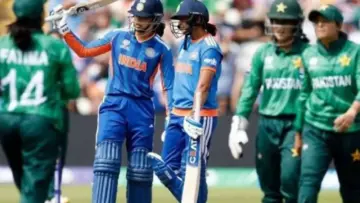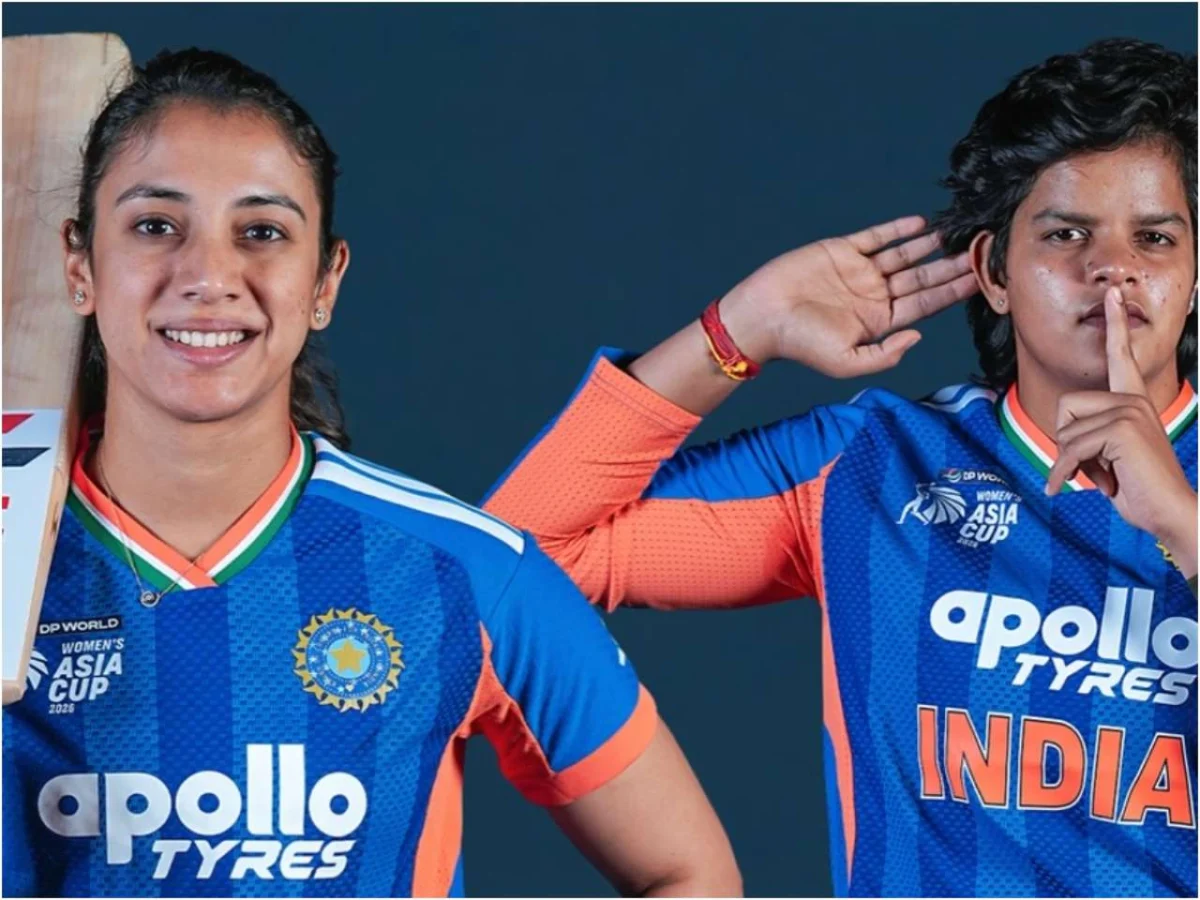
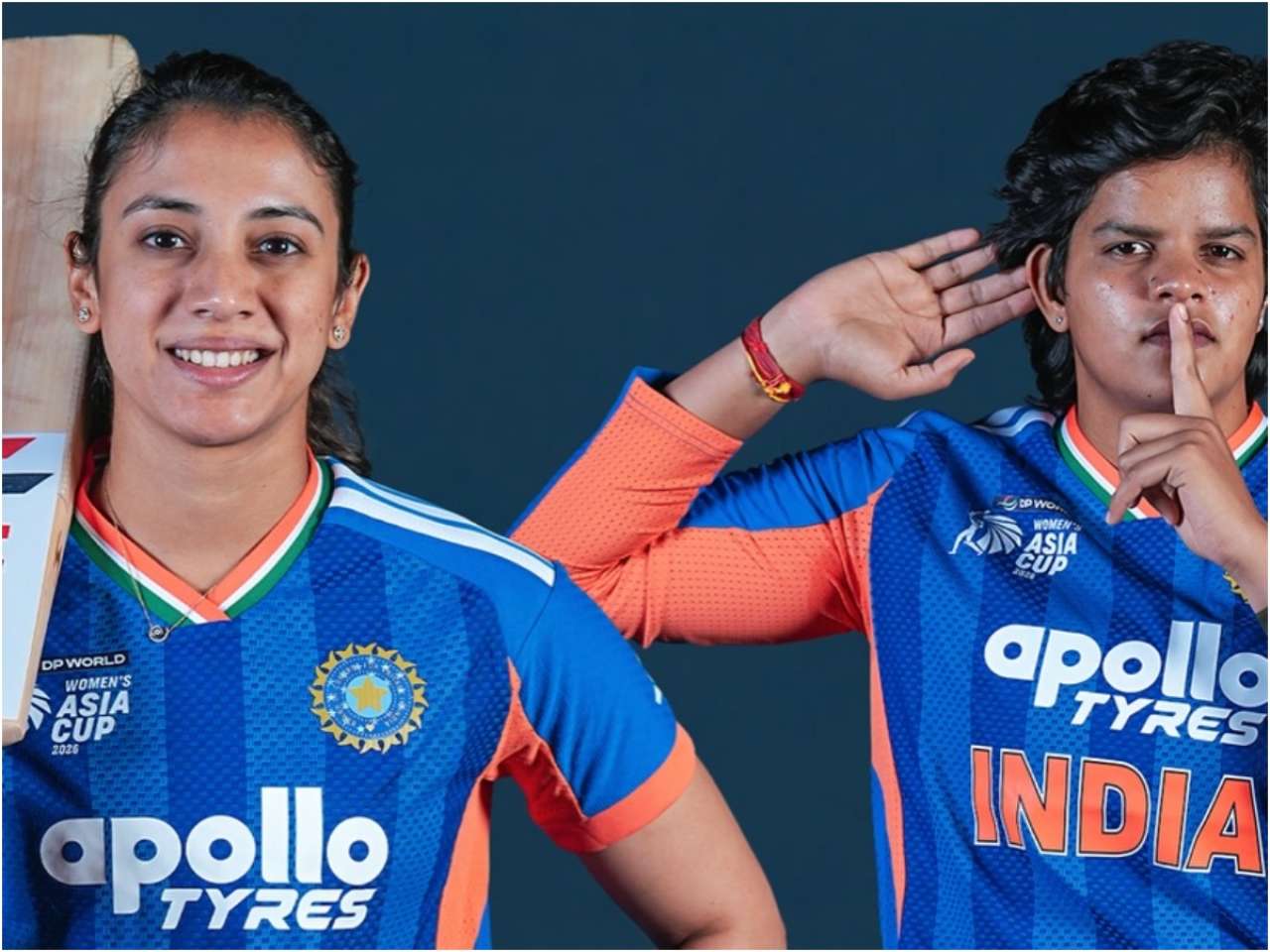
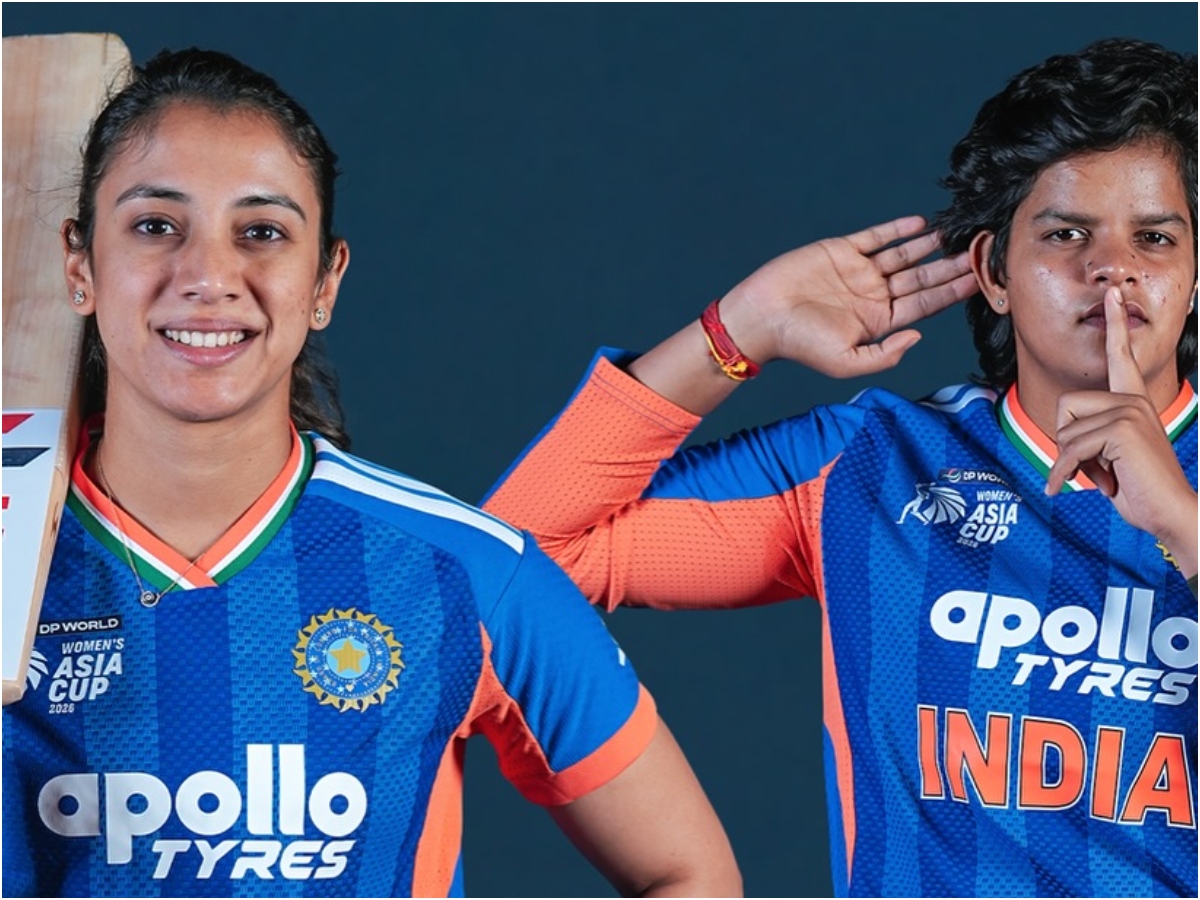
Dubai, UAE – As the Indian women’s cricket team prepares to launch its Asia Cup 2026 campaign tonight against Thailand at the iconic Dubai International Cricket Stadium, the cricketing world’s gaze is already firmly fixed on a much anticipated and politically charged encounter: India versus Pakistan on September 5. Beyond the boundaries and the battle for supremacy on the pitch, a pervasive question lingers, casting a shadow of anticipation and controversy: Will the traditional post-match handshake, a symbol of sportsmanship and camaraderie, be observed between the arch-rivals?
This looming debate over a simple gesture underscores the deeply intertwined nature of sports and geopolitics, particularly in the context of India and Pakistan. Head coach Amol Muzumdar, while addressing the media, offered a diplomatic stance, urging focus on the cricketing aspect, yet his carefully chosen words did little to quell the speculative fervor surrounding the September 5 fixture.
Main Facts: The Nexus of Sport and Geopolitics
The Asia Cup 2026 is poised to be a significant tournament for women’s cricket, showcasing regional talent and vying for continental glory. For India, a cricketing powerhouse, the tournament begins with a seemingly straightforward challenge against Thailand. However, the subsequent match against Pakistan carries a weight far heavier than mere sporting rivalry. Scheduled for Saturday, September 5, in Dubai, this group stage clash has transcended the confines of the cricket field, becoming a focal point for political discourse and national sentiment.
The core of the controversy stems from the severely strained relations between the two nations, exacerbated by a "war" (as described in the original source, referring to military escalations and counter-terrorism operations) in the preceding year. This period saw significant Indian military action against what were identified as Pakistan-funded terror organisations, leading to a profound deterioration in bilateral ties. Consequently, interactions, even in the realm of sports, have become highly scrutinised, serving as barometers for the broader diplomatic climate.
)
Historically, the handshake in cricket symbolises mutual respect, acknowledging the effort and skill of opponents irrespective of the outcome. However, in the context of India-Pakistan sporting encounters over the past year, this gesture has been notably absent. Several instances across various levels of Indian cricket – from junior men’s teams to senior men’s and women’s squads – have seen players deliberately avoid shaking hands with their Pakistani counterparts. This conscious avoidance has been interpreted as a powerful, non-verbal statement, underlining the deep-seated grievances and the prevailing political estrangement between the two nuclear-armed neighbours.
Coach Amol Muzumdar’s press conference ahead of the tournament opener provided a glimpse into the team’s official stance. While acknowledging the upcoming fixture, he deftly sidestepped a direct answer regarding the handshake. His emphasis remained squarely on cricketing performance: "Look, we try to play the best cricket on the ground, and off-the-field stuff, we don’t focus on it. We try to play the best cricket that we know on that particular day, and we will speak about this when we play that game. But at the moment, we are focusing on tomorrow’s game. One game at a time." This statement, while pragmatic from a coaching perspective, leaves the ultimate decision on the handshake tantalisingly open to interpretation until the moment arrives.

Chronology: A History of Tense Encounters
The sporting rivalry between India and Pakistan is perhaps one of the most intense and captivating in the world, often mirroring the complex geopolitical narrative shared by the two nations. For decades, cricket matches between India and Pakistan have been more than just games; they are proxy battles, imbued with national pride, historical grievances, and an almost unbearable weight of expectation from hundreds of millions of fans.
The Shadow of Geopolitics
The genesis of the current handshake debate can be traced back to a period of heightened military tension and conflict in the previous year. The original article’s reference to a "war" and the "decimation of headquarters of Pakistan-funded terror organisations" points to significant cross-border military actions and counter-terrorism operations that severely strained diplomatic relations. Such events inevitably spill over into cultural and sporting exchanges, as governments and public sentiment often demand a mirroring of political positions in other spheres. When diplomatic channels are frozen or hostile, even seemingly innocuous gestures like a handshake can acquire profound symbolic meaning.
)
Sports as a Political Barometer
In the India-Pakistan context, sports, especially cricket, has historically served as a sensitive barometer of bilateral relations. Periods of improved relations have sometimes seen initiatives like "cricket diplomacy," where sporting tours were used to foster goodwill and dialogue. Conversely, periods of tension, like the present, lead to the suspension of bilateral series, the refusal of visas, and, as we are now witnessing, a re-evaluation of basic sporting courtesies.
The deliberate avoidance of handshakes by Indian athletes is not an isolated incident but a trend that has gained traction over the past year. This phenomenon extends across various age groups and formats, from junior tournaments to senior international fixtures. Each instance, whether by the men’s or women’s teams, sends a clear message: the political relationship is paramount, and traditional sporting courtesies might be suspended as a mark of protest or solidarity with national policy. This collective stance indicates a directive, either explicit or implicit, from higher authorities within the cricketing administration or even governmental circles, to maintain a unified front in expressing disapproval of Pakistan’s alleged role in cross-border terrorism.
)
The Erosion of Sporting Tradition
The handshake, a universal symbol of respect, acknowledgement, and fair play in sports, finds itself under immense pressure in this unique rivalry. For generations, athletes have been taught the importance of shaking hands with opponents before and after a contest, regardless of the result. It signifies the spirit of competition within a framework of mutual respect. When this tradition is consciously broken, it highlights the extraordinary nature of the political baggage attached to the India-Pakistan encounter. It suggests that for some, the political imperative now outweighs the conventional tenets of sportsmanship, transforming a simple gesture into a complex act of defiance or diplomacy.
The current situation is a culmination of decades of complex relations, punctuated by moments of both hope and despair. Every India-Pakistan match becomes a stage not just for cricketing prowess but also for the underlying political narrative, making the Sept 5 clash in Dubai an event pregnant with significance beyond the pursuit of Asia Cup glory.
)
Supporting Data: The Cricket Context and Team Dynamics
While the handshake controversy dominates headlines, the actual cricketing contest remains the primary objective for both teams. The Asia Cup 2026 is a crucial tournament, offering valuable exposure and competitive match practice, particularly in the T20 format, which is increasingly vital for the growth of women’s cricket globally.
India’s Preparedness and Recent Form
Head coach Amol Muzumdar touched upon India’s preparation, offering insights into the team’s current state and future aspirations. "We don’t pay too much attention to the form. You are talking about 16 T20Is in the last six months. But at the same time, we know what scope of improvement this team has got. There is a huge scope of improvement. There is a young side. I think, if you look at it, we are trying to play some good cricket, good aggressive cricket."
)
This statement provides several key pieces of information:
- High Activity: 16 T20Is in six months indicates a busy schedule, suggesting the team is well-versed in the format and has had ample opportunities to fine-tune their strategies. This volume of matches could mean better cohesion and understanding among players.
- Focus on Improvement: Muzumdar’s acknowledgment of a "huge scope of improvement" is a realistic assessment. Even top teams constantly seek to evolve. For a young side, this means continuous learning, adapting to different conditions, and refining individual and collective skills.
- Youthful Energy: The emphasis on a "young side" suggests a strategic investment in the future of Indian women’s cricket. Youth brings enthusiasm, fearlessness, and a willingness to experiment. However, it also implies a potential lack of experience in high-pressure situations, which tournaments like the Asia Cup are designed to provide.
- Aggressive Cricket: The commitment to "good aggressive cricket" points towards a modern, fearless approach to the T20 format. This typically involves attacking batting, sharp fielding, and an assertive mindset with the ball, aiming to dominate opponents from the outset. This philosophy is crucial for success in the fast-paced nature of T20s.
India’s recent form leading into the Asia Cup would likely be a mixed bag, as implied by Muzumdar downplaying "form" in favour of "scope of improvement." They would have faced various opponents, testing their mettle in different conditions. Key players for India would likely include experienced campaigners in batting and bowling, alongside exciting young talents who are making their mark on the international stage.
)
Pakistan’s Challenge
While the source article does not delve into Pakistan’s preparations, they too would be eager to make a strong statement in the Asia Cup. Pakistan women’s cricket has a history of producing talented players and has often been a competitive force in regional tournaments. Their approach to the India match will undoubtedly be driven by both cricketing strategy and the awareness of the immense political and emotional weight attached to the fixture.
Head-to-Head and Tournament Stakes
Historically, matches between India and Pakistan in women’s cricket have been closely contested, though India often holds an edge. In T20Is, particularly in multi-nation tournaments like the Asia Cup, the rivalry adds an extra layer of intensity. The Dubai International Cricket Stadium, known for its generally flat pitches that can assist both batters and spinners, will provide a neutral venue for this high-stakes encounter.
)
The Asia Cup itself is an important platform for regional supremacy. For both India and Pakistan, a strong performance is essential not just for national pride but also for building momentum towards future ICC events. India’s fixture list in the group stage is:
- August 30: India vs. Thailand (Opener)
- September 3: India vs. Hong Kong
- September 5: India vs. Pakistan
These matches will allow India to test their combinations and gain confidence before facing their arch-rivals. The progression from the group stage to the semi-finals and final will hinge on consistent performances, and the match against Pakistan could be pivotal in determining group standings and knockout stage pathways.
)
Official Responses: Navigating the Diplomatic Minefield
Amol Muzumdar’s statements at the pre-tournament press conference are the only official responses provided regarding the handshake controversy. His words, while seemingly straightforward, are rich with diplomatic nuance and strategic avoidance.
The Coach’s Prudent Stance
"Look, we try to play the best cricket on the ground, and off-the-field stuff, we don’t focus on it. We try to play the best cricket that we know on that particular day, and we will speak about this when we play that game. But at the moment, we are focusing on tomorrow’s game. One game at a time."
)
This response is a classic example of a coach operating under immense public and political scrutiny. Here’s a breakdown of its interpretation:
- Prioritising Performance: The immediate emphasis on "playing the best cricket on the ground" is a professional coach’s primary directive. It attempts to refocus attention on the sporting objective, away from external pressures.
- Distancing from "Off-the-field stuff": This phrase is a clear attempt to compartmentalise. Muzumdar acknowledges the existence of "off-the-field stuff" but asserts that the team’s focus is not on it. This allows him to avoid directly commenting on the political implications or the handshake itself.
- Delaying a Definitive Answer: "We will speak about this when we play that game" is a strategic deferral. It neither confirms nor denies a handshake, keeping the options open and preventing a premature commitment that could be criticised by either political factions or sporting purists. It also places the onus of the decision closer to the event, potentially allowing for real-time assessments or last-minute directives.
- "One Game at a Time": This coaching cliché is particularly effective here. By stressing focus on the immediate match against Thailand, Muzumdar maintains team discipline and prevents players from being distracted by the September 5 clash and its associated controversies. It’s a standard practice to manage pressure and maintain focus.
The Unanswered Question
Crucially, Muzumdar did not explicitly state whether the Indian team would or would not shake hands. This deliberate ambiguity ensures that the suspense remains, and the team is not prematurely locked into a position. In the volatile landscape of India-Pakistan relations, a coach or team official making a definitive statement on such a sensitive issue could have significant repercussions, potentially inviting political backlash or creating unnecessary pressure on the players.
)
The absence of a direct answer also highlights the delicate tightrope walk that sports organisations and teams must perform when national politics intersect with international competition. While sporting bodies often advocate for the separation of sport and politics, the reality for India and Pakistan is far more complex. The decision regarding a handshake is unlikely to be solely the players’ or even the coach’s. It would likely involve consultations with the Board of Control for Cricket in India (BCCI) and possibly even governmental channels, given the precedent set by previous teams. The BCCI, while maintaining its autonomy, is highly sensitive to the political climate and public sentiment, especially when it concerns interactions with Pakistan.
Therefore, Muzumdar’s response, while seemingly vague, is a highly calculated and prudent official statement, designed to manage expectations, protect his players, and defer a decision on a matter fraught with political symbolism.
)
Implications: Beyond the Boundary Ropes
The India-Pakistan clash, particularly with the handshake controversy, carries significant implications that extend far beyond the 22 yards of the cricket pitch.
Impact on Sportsmanship and the Spirit of Cricket
The deliberate avoidance of a handshake, while understandable in the context of strained political relations, undeniably impacts the cherished "Spirit of Cricket." This ethos, promoted by the ICC, emphasizes fair play, respect for opponents, and graciousness in victory and defeat. When political tensions lead to the abandonment of fundamental gestures of sportsmanship, it sends a troubling message about the purity and integrity of the game. It risks undermining the universal values that sports are meant to embody and teach. For younger generations watching, it could normalise a lack of respect between competitors, fostering a culture of animosity rather than healthy rivalry.
)
Media Scrutiny and Public Reaction
The September 5 match is guaranteed to attract unprecedented media attention, not just for the cricket but specifically for the pre- and post-match interactions. Every movement, every glance, and every non-interaction will be scrutinised by journalists, analysts, and fans globally. Social media will undoubtedly amplify reactions, with hashtags trending and public opinion sharply divided. Nationalist sentiments on both sides will be inflamed, making any gesture (or lack thereof) a subject of intense debate and political commentary. This level of scrutiny adds immense pressure on the players, who are expected to perform at their peak while simultaneously navigating a politically charged environment.
Precedent Setting for Future Encounters
The decision made on September 5 regarding the handshake will establish a significant precedent. If the Indian team once again avoids the handshake, it will solidify the trend observed over the past year, indicating a prolonged period where traditional sporting courtesies are suspended due to geopolitical realities. This could become the new norm for India-Pakistan encounters across various sports, further distancing the two nations on the sporting front. Conversely, if, against expectations, a handshake were to occur, it would be seen as a powerful symbolic gesture, potentially hinting at a thaw in relations, however slight, and would be lauded by proponents of sports diplomacy.
)
The Future of India-Pakistan Sporting Ties
The ongoing controversies raise fundamental questions about the future of India-Pakistan sporting ties. Bilateral cricket series have been suspended for years due to political tensions. While multi-nation tournaments like the Asia Cup and World Cups provide rare opportunities for these teams to meet, the increasingly politicised nature of these encounters could lead to calls for even further separation, or at least a continued lack of normal sporting interaction. For cricket to truly flourish globally, a healthy and regular rivalry between these two cricketing giants is essential. The current climate, however, suggests that this is a distant dream.
Global Cricket Community’s View
The International Cricket Council (ICC) and other global sporting bodies generally advocate for the separation of sport and politics. However, they are often powerless to intervene directly in bilateral political disputes that affect sporting interactions. The ICC might issue statements promoting the spirit of cricket, but direct intervention on whether teams shake hands is beyond their remit. The situation highlights the challenges international sporting bodies face when their ideals clash with complex geopolitical realities.
)
Beyond the Handshake: The Actual Cricket
Ultimately, amidst all the political theatre, the Asia Cup is a competitive cricket tournament. For India, the primary goal is to win the tournament and demonstrate their dominance in women’s cricket in Asia. The match against Pakistan, irrespective of the handshake, will be a crucial test of skill, temperament, and strategic execution. Who handles the pressure better, who executes their plans more effectively, and which team’s young talent rises to the occasion will determine the outcome on the field. The match itself promises to be a thrilling contest, a testament to the enduring appeal of this rivalry, even when shrouded in controversy.
In conclusion, the India-Pakistan clash in the Asia Cup 2026 is poised to be an event of immense significance, captivating audiences not just for the battle of bat and ball, but for the profound symbolic weight carried by a simple, yet contentious, handshake. Coach Muzumdar’s diplomatic stance has only intensified the anticipation, ensuring that the September 5 encounter in Dubai will be scrutinised on multiple levels, making it a truly unmissable event in the global sporting calendar.
)
Find your daily dose of All Latest News including Sports News, Entertainment News, Lifestyle News, explainers & more. Stay updated, Stay informed- Follow DNA on WhatsApp.