

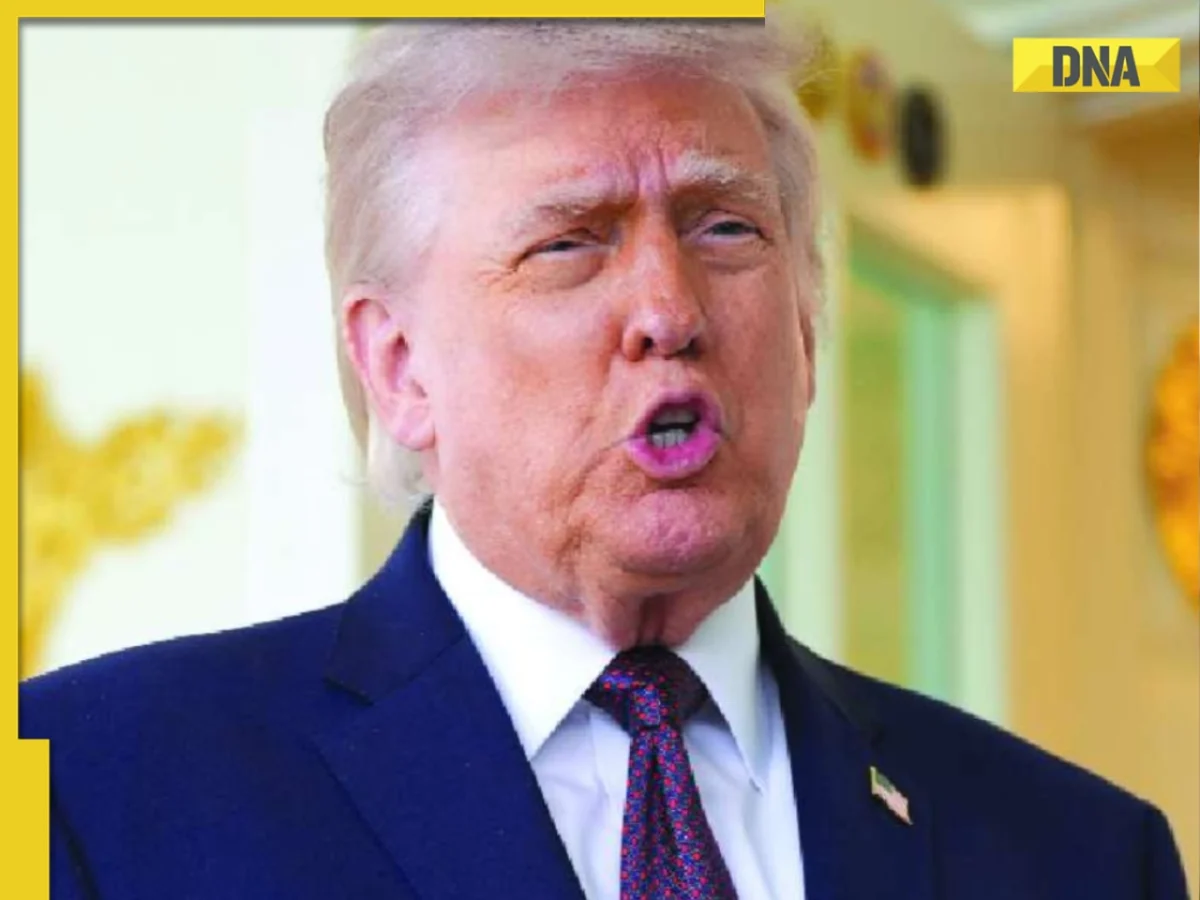
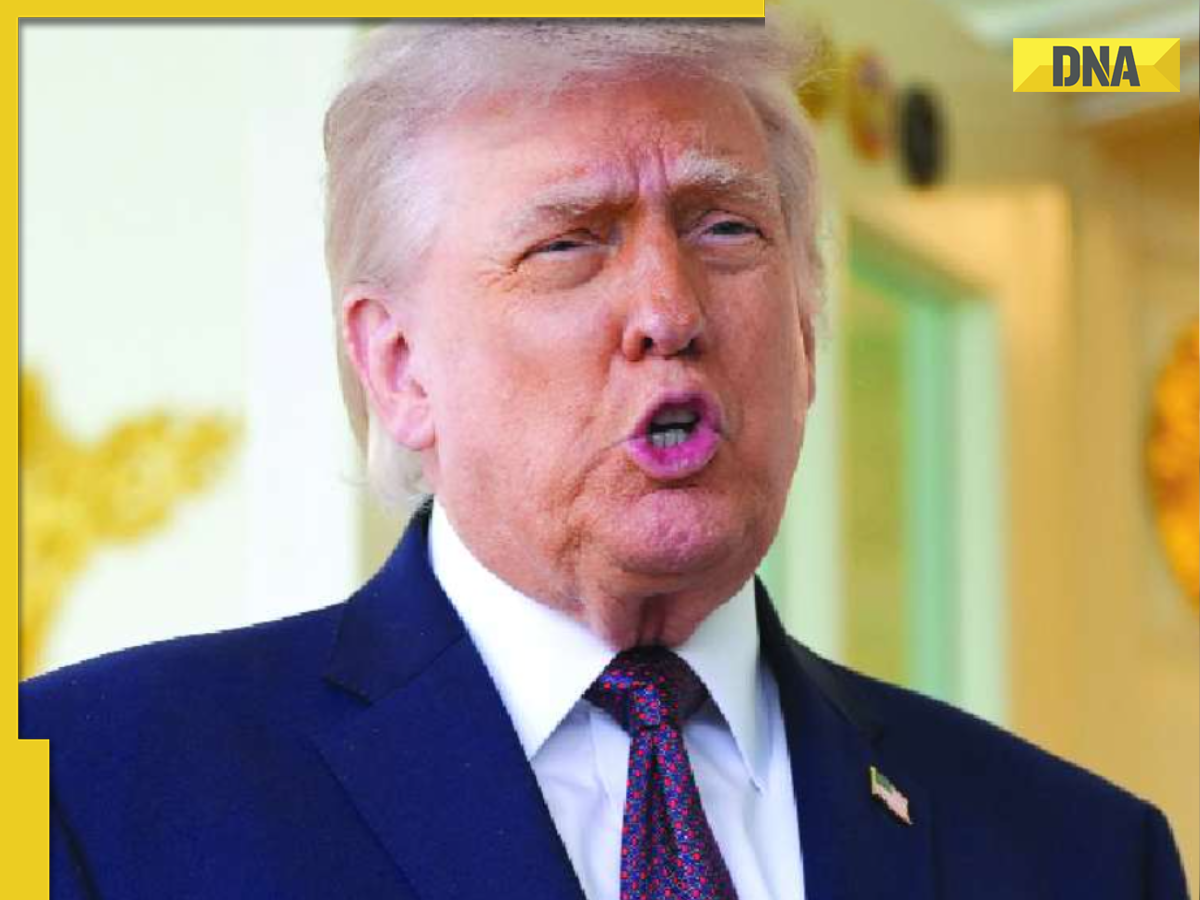
Washington D.C. – In a dramatic turn that momentarily eased soaring tensions in West Asia, US President Donald Trump announced on Monday (local time) that he had "put off" a planned military strike against Iran. The decision, revealed during a discussion with reporters, came in response to urgent appeals from key regional allies – Saudi Arabia, Qatar, the United Arab Emirates, and other unspecified nations – who believe that ongoing, high-stakes negotiations are "very close to making a deal" to de-escalate the deepening crisis.
President Trump’s statement signals a precarious pause in what has been an escalating confrontation, characterized by mutual threats, military buildups, and a stringent US blockade against Iranian ports. While expressing a desire for a peaceful resolution, Trump also underscored the formidable strength of the US military and reiterated a firm commitment to prevent Iran from developing nuclear weapons, maintaining a calculated ambiguity that keeps all options on the table. The coming days are poised to be a critical test for international diplomacy, as regional powers and global actors watch to see if this eleventh-hour reprieve can pave the way for a lasting settlement or merely delay an inevitable confrontation.
The Immediate Announcement: A Diplomatic Pause
The announcement from the Oval Office arrived amidst a period of profound uncertainty regarding the trajectory of US-Iran relations. President Trump, addressing the press, articulated the rationale behind his decision to temporarily halt military action. "I put it (attack on Iran) off for a little while, hopefully maybe forever, but possibly for a little while because we’ve had very big discussions with Iran and we’ll see what they amount to," he stated, highlighting the dual hope for a permanent peace and the pragmatic acknowledgment of a potentially short-lived deferral.
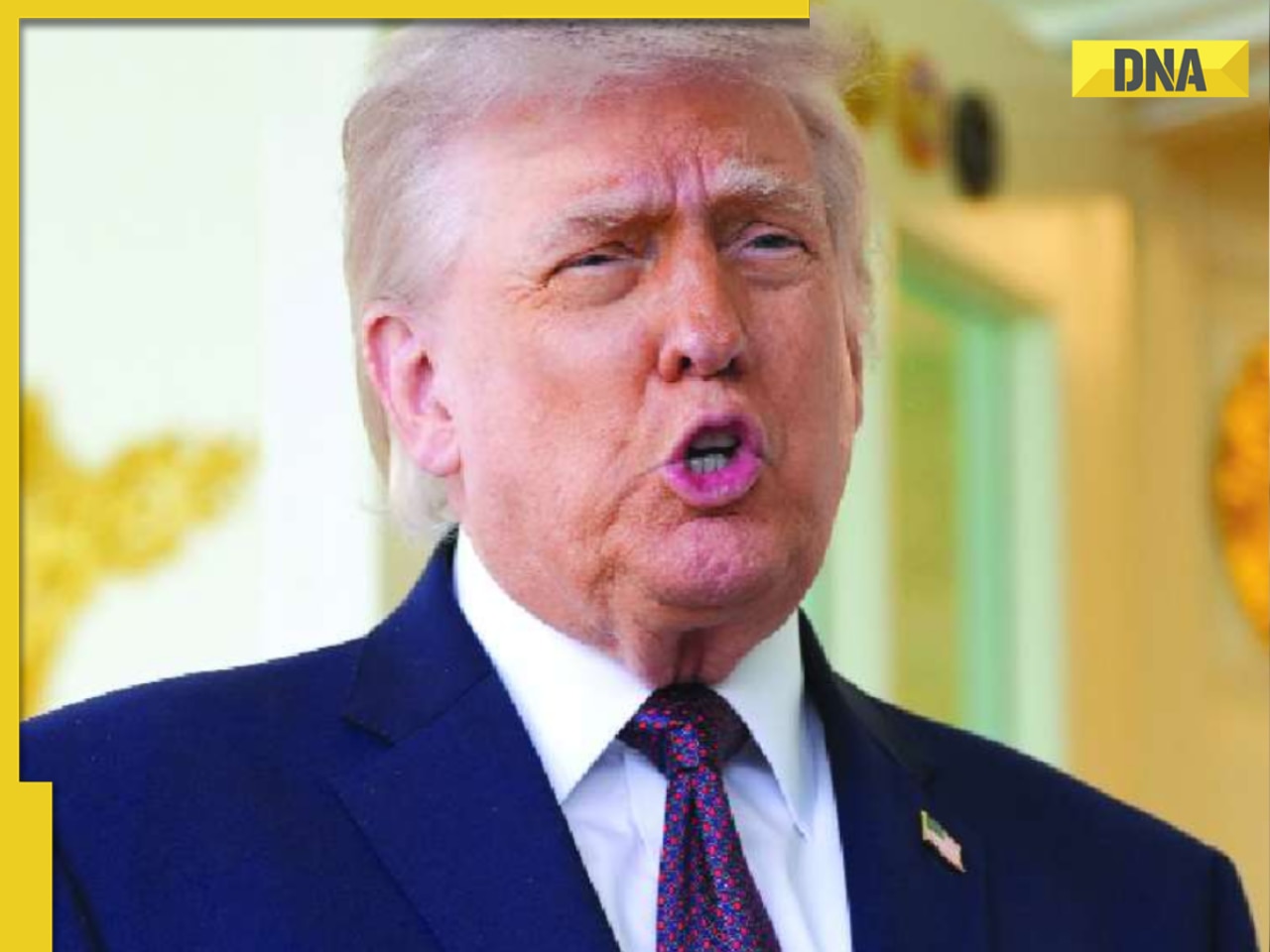
The direct impetus for this pause, as explained by Trump, was a collective plea from influential Arab Gulf states. "I was asked by Saudi Arabia, Qatar, UAE and some others if we could put it off for two or three days, a short period of time, because they think that they are getting very close to making a deal," he revealed. This direct appeal from countries that stand to be most directly impacted by a regional conflict underscores the profound anxieties gripping West Asia and suggests a concerted, behind-the-scenes diplomatic effort to avert war. Trump characterized this development as "a very positive development," while tempering expectations with a dose of realism: "but we’ll see whether or not it amounts to anything."
The President also confirmed that multiple countries were actively engaging with both US officials and Iran, aiming to broker a diplomatic resolution. "I was called by these three countries, plus others, and they’re dealing directly with our people and right now, Iran. There seems to be a very good chance that they can work something out," Trump affirmed, expressing a clear preference for a non-military outcome. His concluding remark, "If we can do that without bombing the hell out of them, I will be very happy," encapsulated the administration’s stated objective: to achieve strategic goals without resorting to kinetic action, if at all possible. This pivotal moment has injected a fragile sense of hope into a landscape previously dominated by escalating rhetoric and the looming threat of military engagement.
The Chronology of Escalation and De-escalation
The current diplomatic tightrope walk is the culmination of years of deteriorating relations, punctuated by periods of intense pressure and sporadic attempts at engagement. Understanding the backdrop is crucial to grasping the significance of Trump’s latest decision.
)
Years of Mounting Tensions: The Nuclear Deal’s Shadow
The roots of the current crisis can be traced back decades, but more immediately, to the unravelling of the Joint Comprehensive Plan of Action (JCPOA), commonly known as the Iran nuclear deal. Signed in 2015 by Iran and the P5+1 group (China, France, Germany, Russia, the United Kingdom, and the United States), the agreement aimed to limit Iran’s nuclear program in exchange for sanctions relief. While hailed by some as a triumph of diplomacy, it was vehemently criticized by others, including then-candidate Donald Trump, who deemed it a flawed agreement that failed to address Iran’s ballistic missile program or its destabilizing regional activities.
In May 2018, President Trump made the consequential decision to withdraw the United States from the JCPOA and subsequently reimposed and expanded a broad array of economic sanctions on Iran. This "maximum pressure" campaign was designed to cripple Iran’s economy, force it back to the negotiating table, and compel it to agree to a more comprehensive deal that would curb its nuclear ambitions, ballistic missile development, and support for regional proxy groups. Iran, in response, initially adhered to the deal’s terms but gradually began to scale back its commitments in 2019, enriching uranium beyond agreed limits and increasing its stockpiles, claiming these actions were reversible if sanctions were lifted. This created a perilous tit-for-tat dynamic, pushing the region ever closer to the brink.
Recent Flashpoints and Military Posturing
The period leading up to Trump’s announcement has been marked by a series of alarming incidents that underscored the fragility of regional peace. These included attacks on international shipping in the Gulf, often attributed to Iran or its proxies, and the downing of a US surveillance drone. Each incident prompted stern warnings from Washington and ratcheted up calls for retaliation from some hawkish elements within the US administration and among regional allies.
)
In response to perceived threats, the US significantly bolstered its military presence in the region, deploying additional aircraft carriers, bomber task forces, and missile defense systems. These deployments, while framed as defensive measures, were interpreted by Iran as aggressive posturing, further fueling the cycle of distrust and provocation. Iran, in turn, conducted military exercises, unveiled new missile capabilities, and reiterated its resolve to defend its sovereignty, often threatening to disrupt vital oil shipping lanes in the Strait of Hormuz if its economic interests were jeopardized. The constant military maneuvering by both sides created an exceptionally volatile environment where a single miscalculation could easily ignite a broader conflict.
The Diplomatic Undercurrents: Failed Overtures and Renewed Hope
Despite the overt hostility, diplomatic channels were never entirely severed, albeit often indirect and fraught with challenges. The current news report mentions that President Trump had previously "turned down Iran’s peace proposal to stop the ongoing West Asia crisis," deeming it insufficient and not representing "any meaningful progress towards a deal." This particular proposal, reportedly delivered through Pakistani mediators, was a revised text that apparently contained "only limited changes compared to previous submissions," according to a senior US official cited by Axios. This rejection highlighted the significant chasm between Washington’s demands and Tehran’s offers.
However, the latest development suggests a shift. The appeals from Saudi Arabia, Qatar, and the UAE imply that either Iran has presented a new, more compelling offer, or that the Gulf states have managed to bridge some of the critical gaps in understanding and expectation between Washington and Tehran. The "big discussions" Trump referenced could be a new phase of intense, multi-party diplomacy, potentially involving these Gulf intermediaries, aimed at constructing a framework for a more acceptable deal. The very act of these rival Gulf nations collectively appealing to the US president for a delay signals a profound and shared concern for regional stability, indicating that the potential for a breakthrough, however slim, is being taken seriously by key players.

Supporting Data: The Geopolitical Chessboard of West Asia
The decision to pause military action against Iran is not made in a vacuum; it is deeply intertwined with the complex geopolitical realities of West Asia, a region of immense strategic importance.
Iran’s Nuclear Ambitions and Regional Influence
At the heart of the crisis lies Iran’s nuclear program, which the US and its allies fear could eventually lead to the development of nuclear weapons. Despite Iran’s consistent claims that its program is for peaceful energy and medical purposes, its past clandestine activities and current enrichment levels raise significant international alarm. The specter of a nuclear-armed Iran is a nightmare scenario for Israel and many Sunni Arab states, who view Iran as their primary regional adversary.
Beyond its nuclear capabilities, Iran exerts considerable influence across West Asia through a network of proxy groups and allied militias. From Hezbollah in Lebanon and Syria, to various Shiite militias in Iraq, and the Houthi rebels in Yemen, Iran has demonstrated a capacity to project power and destabilize governments perceived as hostile. This "axis of resistance," as Iran terms it, allows Tehran to challenge the regional dominance of Saudi Arabia and its allies, creating a protracted proxy conflict that exacerbates sectarian tensions and fuels humanitarian crises. The US seeks to dismantle this network and curb Iran’s regional adventurism, seeing it as a direct threat to the security of its allies and global energy supplies.
)
The Gulf States’ Pivotal Role: Balancing Act and Self-Preservation
The intervention of Saudi Arabia, Qatar, and the UAE in requesting a delay is particularly telling. These nations, while predominantly US allies, possess their own intricate relationships with Iran, ranging from outright hostility (Saudi Arabia) to more nuanced engagement (Qatar, Oman). A full-scale military conflict between the US and Iran would undoubtedly have catastrophic consequences for these Gulf states. Their proximity to Iran, their critical role in global oil production, and their reliance on the free flow of shipping through the Strait of Hormuz make them acutely vulnerable to any regional conflagration.
For Saudi Arabia, long locked in a cold war with Iran, a direct US-Iran conflict would be a double-edged sword. While it might weaken its rival, the collateral damage—economic disruption, refugee flows, and potential retaliatory attacks on Saudi infrastructure—would be immense. Qatar, host to the largest US military base in the region (Al Udeid Air Base), and the UAE, a major global trade hub, have even more to lose from regional instability. Their economies are highly dependent on security and open trade routes. Their collective appeal to Trump signifies a shared understanding that even a "victorious" war could lead to an unmanageable regional meltdown. This also highlights a strategic hedging on their part, seeking to influence US policy towards a more diplomatic path even while maintaining security alliances. It suggests that, despite their varied geopolitical positions and occasional rivalries (such as the Saudi-UAE blockade of Qatar from 2017-2021, which has since been resolved), the threat of war with Iran superseded their differences, prompting a rare moment of unified diplomatic action.
US Strategic Interests: Sanctions, Security, and Diplomacy
The US "maximum pressure" campaign on Iran is multi-faceted, encompassing economic sanctions, military deterrence, and diplomatic isolation. The primary objective is to force a change in Iran’s behavior—specifically regarding its nuclear program, ballistic missiles, and regional destabilization. The sanctions have indeed inflicted severe damage on Iran’s economy, leading to widespread inflation, unemployment, and a significant drop in oil exports, its primary revenue source. However, they have not yet compelled Iran to fully capitulate to US demands, leading to a strategic dilemma for Washington: intensify pressure further, or explore diplomatic off-ramps.
)
The US military presence in West Asia is geared towards protecting its interests, ensuring the security of its allies, and deterring aggression. However, the costs and risks of military intervention are immense, both in terms of human lives and potential long-term entanglements. The Trump administration, while often employing aggressive rhetoric, has also shown a transactional willingness to de-escalate if a perceived deal is within reach. The current pause underscores this tension between a hawkish stance and a pragmatic desire to avoid costly wars, especially in an election year.
The Economic Dimension: Global Oil Markets and Sanctions Impact
The prospect of conflict in West Asia invariably sends tremors through global energy markets. The region accounts for a significant portion of the world’s oil production and possesses critical chokepoints like the Strait of Hormuz, through which a substantial percentage of global oil shipments pass. Any disruption here would lead to a sharp spike in oil prices, potentially triggering a global economic recession.
The existing US sanctions have already impacted the global oil supply by severely curtailing Iran’s exports. However, a full-blown military conflict would dwarf these effects, creating unprecedented volatility. The Gulf states, major oil producers themselves, have a vested interest in maintaining market stability, as do global economies. This economic imperative undoubtedly played a significant role in their urgent appeal for a diplomatic delay, understanding that a war would not only impact their immediate security but also their economic lifeline.
)
Official Responses and International Reactions
The immediate aftermath of President Trump’s announcement has seen a mixture of official statements and anticipated international reactions, each offering a glimpse into the complex web of interests at play.
President Trump’s Public Statements: A Calculated Ambiguity
President Trump’s public remarks were a carefully crafted blend of strength and openness to negotiation. His statement about "putting it off for a little while, hopefully maybe forever" projects both resolve and a desire for peace. By explicitly crediting Saudi Arabia, Qatar, and the UAE for their intervention, he not only validated their diplomatic efforts but also subtly shifted some of the responsibility for a potential deal onto these regional players. This approach aligns with his broader foreign policy philosophy of encouraging allies to take greater ownership of regional security challenges.
His emphasis on the US military’s superiority ("We have the greatest military in the world") served as a clear message of deterrence to Iran, reinforcing that the military option remains potent and ready, even if temporarily shelved. Simultaneously, his declaration that "We’re not going to let Iran have a nuclear weapon" reiterated a core red line for the US administration. The concluding sentiment, "If we can do that without bombing the hell out of them, I will be very happy," humanized his stance, suggesting a preference for diplomatic success over military conflict, a stance that resonates with a war-weary American public and international community.
)
CENTCOM’s Unwavering Stance: The Blockade Continues
While the White House signaled a diplomatic pause, the United States Central Command (CENTCOM) maintained its operational posture, indicating a continuity of pressure on Iran. CENTCOM’s statement on Monday confirmed that it "continues to strictly enforce the U.S. blockade against Iranian ports." This is not a mere formality; the blockade is a critical component of the "maximum pressure" campaign, designed to choke off Iran’s economic lifelines.
The specific mention that "U.S. forces have now redirected 85 commercial vessels to ensure full compliance" highlights the concrete and ongoing nature of this enforcement. This action serves multiple purposes: it prevents Iran from exporting oil or importing goods that could aid its nuclear or military programs, it denies revenue to the regime, and it demonstrates US resolve and capability to maintain pressure even during diplomatic overtures. The continuation of the blockade ensures that Iran feels the economic pain, thereby increasing its incentive to negotiate in good faith. It also signals to regional allies and adversaries that while a strike may be paused, the overall strategy of pressure remains firmly in place.
The Silence from Tehran: Awaiting a Response
Conspicuously absent from the immediate reporting following Trump’s announcement was a direct and official public response from Tehran. This silence could be interpreted in several ways. It might signify internal deliberations within the Iranian leadership, weighing the implications of Trump’s statement and the overture from the Gulf states. Iran’s typically hardline stance means any perceived concession would need careful framing for its domestic audience. Alternatively, it could be a strategic silence, allowing the diplomatic process to unfold away from public scrutiny, or perhaps an indication that the alleged "deal" is still in a highly sensitive and unconfirmed stage. The lack of an immediate, celebratory embrace of the pause from Iran suggests that significant hurdles likely remain, or that Tehran is proceeding with extreme caution.
)
Gulf States’ Behind-the-Scenes Diplomacy: A Collective Plea
The fact that Saudi Arabia, Qatar, and the UAE collectively approached President Trump is a powerful indicator of their shared concern and their active role in crisis management. These nations, often at odds with each other or with Iran, appear to have found common ground in seeking to avert a regional war. Their confidence in being "very close to making a deal" suggests a level of engagement and understanding with Iran that goes beyond public rhetoric. This behind-the-scenes diplomacy could involve shuttle mediation, direct talks, or a combination of efforts to bridge the trust deficit between Washington and Tehran. Their collective appeal lends significant weight to the diplomatic track, positioning them as crucial facilitators in any potential resolution.
Global Appraisals: Allies, Adversaries, and the UN
Internationally, the news of the paused strike is likely to be met with cautious optimism, particularly from European allies who have consistently advocated for de-escalation and the preservation of the JCPOA. Countries like France, Germany, and the UK, which have tried to keep the nuclear deal alive despite US withdrawal, would welcome any move towards a diplomatic resolution. They might see this as a potential opening to re-engage with Iran and possibly salvage aspects of the original agreement or build a new, broader framework.
China and Russia, major powers with significant economic and strategic interests in West Asia, would also likely view the pause positively. Both nations have been critical of US "maximum pressure" policies and unilateral sanctions, advocating for multilateral diplomacy. President Trump’s mention of his conversation with Chinese President Xi Jinping, where Xi was "very complimentary of our military," could be interpreted as a nod to China’s indirect influence and its potential role in encouraging restraint. The United Nations and other international bodies would also likely issue statements urging all parties to seize this diplomatic opportunity and avoid any actions that could reignite tensions. The world holds its breath, hoping this pause represents a genuine turning point rather than a temporary lull before a storm.
)
Implications: A Precarious Path Forward
President Trump’s decision to pause military action against Iran marks a critical juncture, opening a narrow window for diplomacy but also highlighting the immense challenges that lie ahead. The implications of this move are far-reaching, impacting regional stability, US foreign policy, and the global economic landscape.
The Prospect of a Deal: High Stakes, Deep Distrust
The immediate focus now shifts to the nature and feasibility of the "deal" that the Gulf states believe is within reach. What would such an agreement entail? It would almost certainly need to address Iran’s nuclear program, perhaps through stricter limits on enrichment, enhanced inspections, or a longer duration of restrictions than the original JCPOA. Beyond the nuclear issue, any comprehensive deal would likely need to touch upon Iran’s ballistic missile capabilities and its support for regional proxies – issues that Tehran has historically considered non-negotiable aspects of its national security.
The immense challenge lies in bridging the deep chasm of distrust that has built up over decades. Iran demands sanctions relief and security assurances, while the US and its allies demand verifiable and irreversible changes in Iranian behavior. The role of the Gulf states as intermediaries, if successful, would be crucial in building confidence and finding creative solutions. However, the memory of past failed negotiations and the current hardline stances from both Washington and Tehran mean that even a limited agreement would require unprecedented flexibility and political will from all sides. The verification mechanism of any deal would also be paramount to ensure compliance and build long-term trust.
)
Regional Stability: A Fragile Equilibrium
The pause in military action offers a desperately needed moment of respite for a region perpetually on edge. A full-scale conflict between the US and Iran would have destabilized West Asia in unimaginable ways, potentially drawing in other regional actors, exacerbating existing proxy wars in Yemen, Syria, and Iraq, and creating a humanitarian catastrophe on an unprecedented scale. The fear of such an outcome was clearly the driving force behind the Gulf states’ intervention.
However, this equilibrium remains fragile. If diplomacy fails, the risk of renewed escalation, and potentially a more determined US military response, remains high. The pause merely shifts the timeline; it does not eliminate the underlying tensions. The coming days will test the resilience of regional security architectures and the capacity of international actors to collectively de-escalate without sacrificing core security interests. The impact on regional conflicts, such as the war in Yemen, could also be significant, as a broader US-Iran rapprochement might pave the way for reduced Iranian support for the Houthis, or conversely, a hardening of positions if the deal focuses solely on nuclear issues.
US Foreign Policy: Credibility and Cohesion
President Trump’s decision to pause the strike showcases a characteristic blend of unpredictability and transactional pragmatism in his foreign policy. On one hand, it could be seen as a sign of flexibility and a willingness to explore diplomatic solutions, potentially enhancing US credibility as a peace broker. On the other hand, the abrupt shift from a perceived readiness for military action to a sudden pause could also raise questions about the consistency and coherence of US policy, potentially emboldening adversaries or confusing allies.
)
The "maximum pressure" campaign’s effectiveness will now be judged by whether it can actually lead to a "better deal," as promised. The interplay between military threats and diplomatic outreach is a delicate balance, and the success or failure of these negotiations will significantly impact the perception of US foreign policy in the years to come. Allies who have long advocated for diplomacy, particularly in Europe, might feel validated, while those who favored a harder line may express concern over perceived weakness. The decision also highlights the internal dynamics within the US administration, where different factions may advocate for varying approaches to Iran.
Economic Ramifications: Short-term Relief, Long-term Uncertainty
Global energy markets are likely to react positively to the news of de-escalation, with a potential easing of oil prices in the short term. The immediate threat of disruption to oil shipping lanes in the Gulf is reduced, offering a temporary reprieve to global economies already grappling with various challenges. However, this relief is likely to be fleeting if a concrete deal does not materialize.
The underlying economic pressures on Iran from US sanctions will continue, as confirmed by CENTCOM’s ongoing blockade. This sustained pressure will keep Iran’s economy under severe strain, further incentivizing it to seek a comprehensive agreement that includes sanctions relief. For the Gulf states, the pause allows for continued economic activity without the immediate threat of war-induced chaos, preserving their vital trade routes and investment flows. The long-term economic outlook for the region and for global energy security will remain tied to the ultimate success or failure of these diplomatic efforts.
)
The Path Ahead: Diplomacy’s Last Stand?
The coming days and weeks represent a critical window for diplomacy. The "big discussions" with Iran, spurred by the appeals of the Gulf states, must now translate into tangible progress. All parties face immense pressure: Iran to make concessions that satisfy US demands while preserving its sovereignty, the US to achieve its strategic objectives without resorting to military force, and the Gulf states to facilitate a deal that ensures regional stability.
The stakes could not be higher. If the negotiations prove fruitful, this moment could be remembered as a diplomatic triumph that averted a catastrophic war. If they falter, however, the pause may prove to be merely a temporary deferral, pushing the region back to the brink, with potentially even greater consequences. The world watches, hopeful that this precarious path forward will lead to a lasting peace rather than an inevitable conflict.
