


Mumbai, India – As the revered Islamic festival of Eid al-Adha, commonly known as Bakrid, approaches in 2026, a nuanced challenge presents itself to millions of bank customers and businesses across India: a divergent holiday schedule dictated by the lunar calendar and regional observances. The Reserve Bank of India (RBI), the nation’s central banking institution, has released its holiday calendar, revealing a city-specific patchwork of closures on either May 27 or May 28, with some regions observing both days. This variation necessitates careful planning for anyone intending to conduct financial transactions that require physical bank presence.
This comprehensive report delves into the intricacies of the Bakrid 2026 bank holidays, exploring the religious and astronomical factors influencing the dates, the specific city-wise breakdowns, the underlying RBI guidelines, and the crucial implications for individuals and the broader economy.
Unraveling the Bakrid 2026 Bank Holiday Conundrum: Main Facts
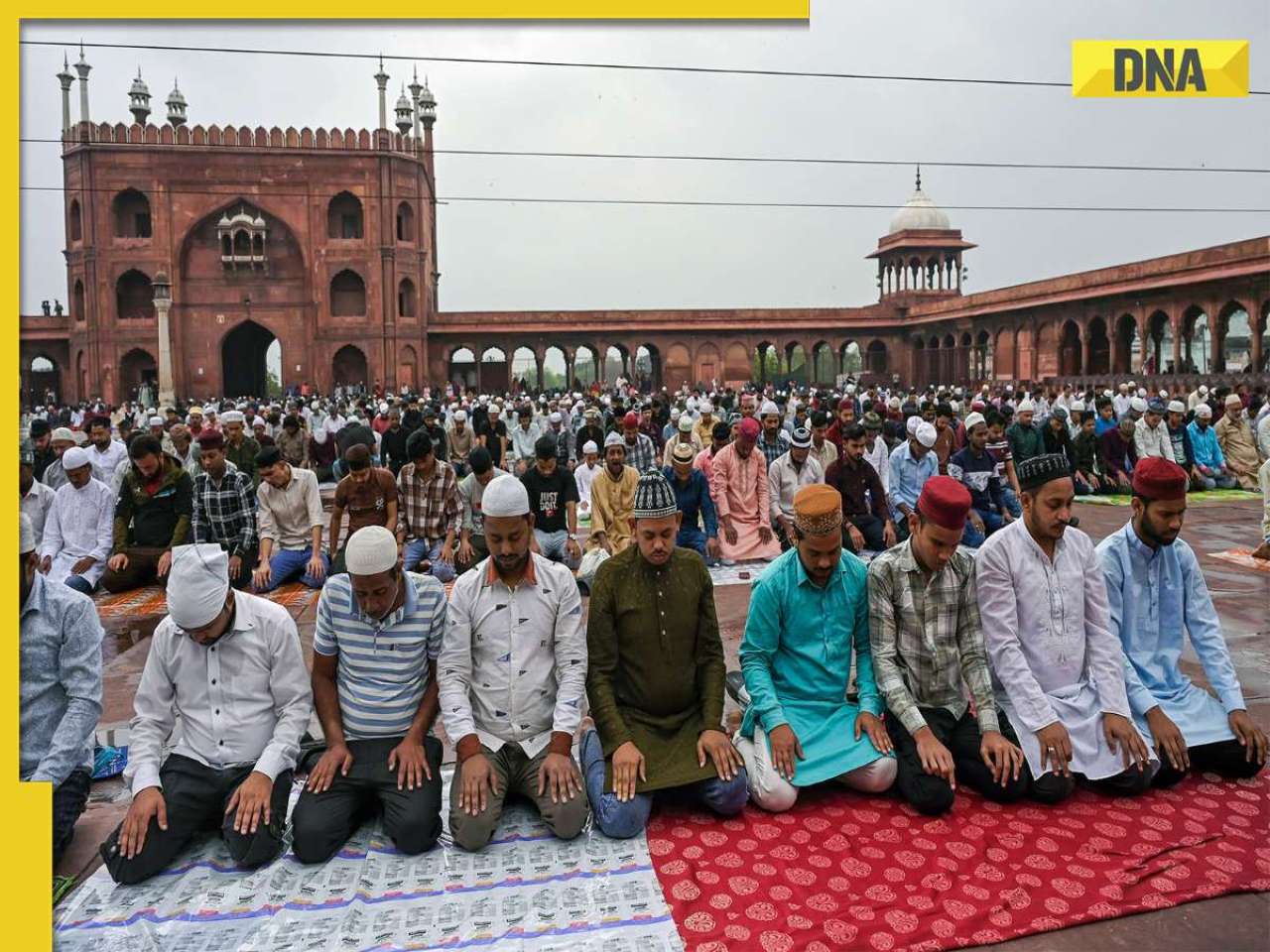
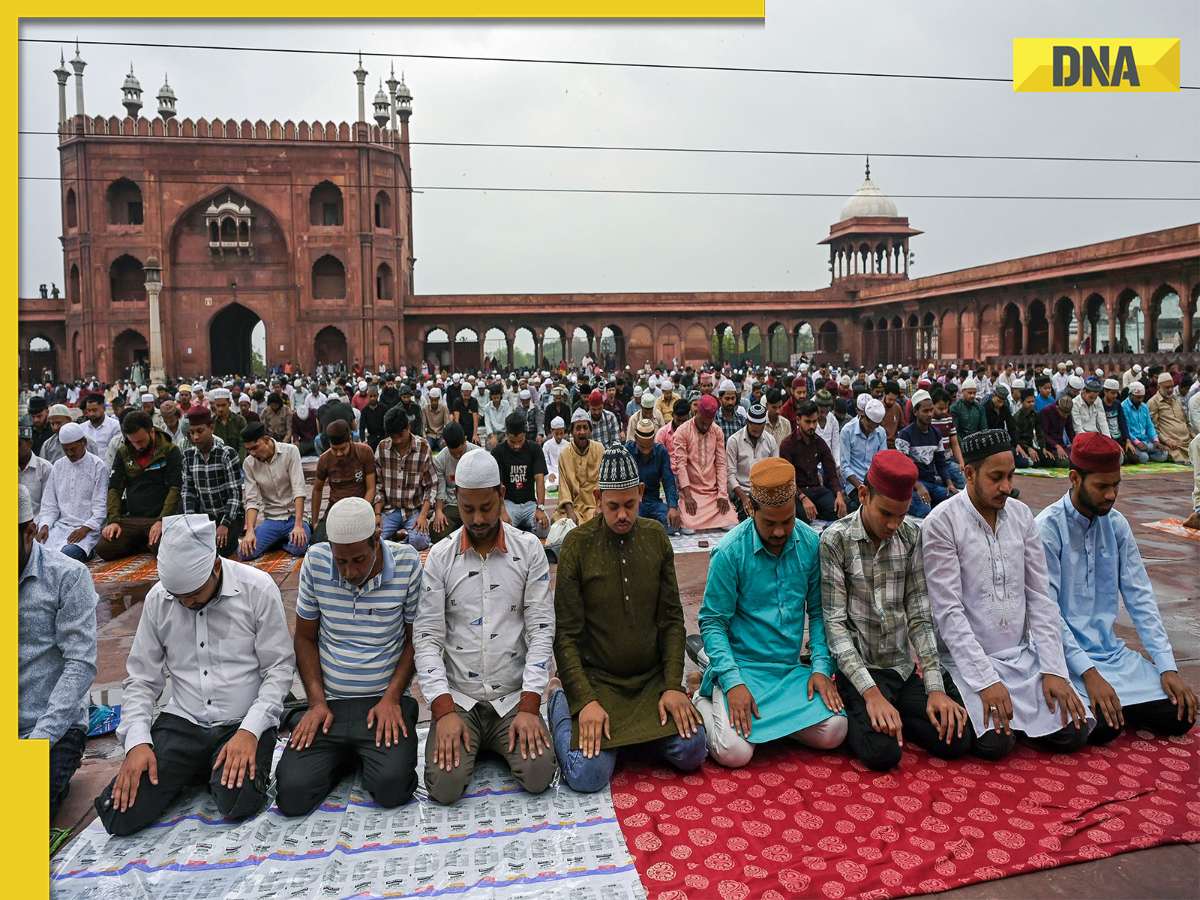
Bakrid, or Eid al-Adha, stands as one of the most significant festivals in the Islamic calendar, observed by Muslims worldwide. It commemorates Prophet Ibrahim’s profound devotion and willingness to sacrifice his son, Ismail, as an act of obedience to Allah, before divine intervention spared Ismail and provided a ram for sacrifice. This deeply spiritual occasion is marked by prayers, feasting, charitable acts, and the symbolic offering of animal sacrifice, fostering a spirit of community and gratitude.
For 2026, the celebration of Eid al-Adha across most of India has been officially declared for May 28. This date, however, deviates from initial calendar projections that often align with the Gregorian calendar’s estimation, creating a state of confusion regarding bank closures. The RBI’s holiday calendar, the definitive guide for banking operations, reflects this dynamic, leading to a bifurcated holiday schedule. Customers in major financial hubs and smaller towns alike need to be acutely aware of their local bank holiday status to avoid operational disruptions.
)
The primary point of confusion stems from the initial expectation of a May 27 holiday in many regions, which was subsequently revised to May 28 following religious pronouncements. This shift underscores the reliance of Islamic festivals on the sighting of the crescent moon, a practice that introduces a degree of flexibility to scheduled dates. Consequently, the RBI’s holiday list, which aggregates state-specific notifications and central government directives, now shows certain cities observing May 27 as a holiday, others May 28, and a few, like Jammu and Srinagar, extending the closure to both days. This regional disparity is a critical piece of information for financial planning, emphasizing the need for customers to verify the exact holiday schedule pertinent to their specific location. While digital banking services – including mobile banking, internet banking, and ATMs – remain operational 24/7, physical transactions such as cheque clearances, cash deposits and withdrawals at branches, and specific loan processing activities will be impacted.
Chronology: The Lunar Calendar and the Shifting Date of Sacrifice
The timing of Islamic festivals is governed by the lunar Hijri calendar, which consists of 12 months in a year of 354 or 355 days. This makes the Islamic year approximately 10 to 11 days shorter than the Gregorian solar calendar. As a result, Islamic holidays, including Eid al-Adha, shift backward by roughly this amount each year relative to the Gregorian calendar. This inherent difference is the fundamental reason why the dates of festivals like Bakrid vary annually.

Eid al-Adha is celebrated on the 10th day of Dhu al-Hijjah (Zil Hijja), the twelfth and final month of the Islamic calendar. The commencement of Dhu al-Hijjah, and subsequently the date of Eid al-Adha, is determined by the sighting of the crescent moon (Hilal) marking the beginning of the new month. For 2026, this pivotal moon sighting occurred on May 18, officially marking the start of Dhu al-Hijjah. This astronomical observation, coupled with religious decrees, ultimately led to the declaration of May 28 as the primary day of celebration for Bakrid across most of India.
Prominent religious bodies and revered spiritual leaders play a crucial role in confirming these dates. For Bakrid 2026, several influential Islamic organizations in India, including Imarat-e-Sharia Hind, the Shahi Imam of Fatehpuri Mosque in Chandni Chowk, Delhi, and Jama Masjid’s Shahi Imam Syed Shaban Bukhari, collaboratively announced that the three-day festival would commence on May 28. This collective pronouncement effectively superseded earlier tentative dates that might have circulated, solidifying May 28 as the widely observed date for the festival. Such declarations are vital as they provide clarity and uniformity for the Muslim community across the country, subsequently influencing the official holiday notifications issued by state governments and, ultimately, the RBI’s holiday calendar. This chronological sequence – from lunar observation to religious declaration to official notification – illustrates the intricate process that underpins the determination of public holidays for major religious festivals in India.
)
Supporting Data: Navigating the RBI’s Dispersed Holiday Schedule
The Reserve Bank of India’s holiday calendar is the authoritative reference for bank closures across the nation. For Bakrid 2026, this calendar meticulously outlines a diverse schedule of closures, reflecting the regional autonomy in declaring public holidays and the varying interpretations of the festival’s timing. This decentralised approach, while catering to local customs and traditions, places a significant responsibility on customers to verify the holiday status specific to their city or state.
City-Wise Bank Holiday Schedule for Bakrid 2026:
Banks Closed on May 27, 2026, for Eid-ul-Adha (Bakri Eid)/Id-ul-Zuha:
A significant number of cities will observe bank holidays on May 27. These include:
)
- Agartala (Tripura)
- Ahmedabad (Gujarat)
- Aizawl (Mizoram)
- Bhopal (Madhya Pradesh)
- Chandigarh (Union Territory)
- Dehradun (Uttarakhand)
- Guwahati (Assam)
- Hyderabad (Telangana)
- Imphal (Manipur)
- Kanpur (Uttar Pradesh)
- Kochi (Kerala)
- Kohima (Nagaland)
- Kolkata (West Bengal)
- Lucknow (Uttar Pradesh)
- New Delhi (National Capital Territory)
- Raipur (Chhattisgarh)
- Ranchi (Jharkhand)
- Shillong (Meghalaya)
- Shimla (Himachal Pradesh)
- Srinagar (Jammu & Kashmir – also closed on May 28)
- Thiruvananthapuram (Kerala)
- Vijayawada (Andhra Pradesh)
Banks Closed on May 28, 2026, for Bakrid:
Other key cities and financial centres will observe the holiday on May 28, aligning with the widespread religious declaration for the festival’s commencement. These include:
- Belapur (Maharashtra)
- Bengaluru (Karnataka)
- Chennai (Tamil Nadu)
- Jaipur (Rajasthan)
- Jammu (Jammu & Kashmir – also closed on May 27)
- Mumbai (Maharashtra)
- Nagpur (Maharashtra)
- Panaji (Goa)
- Patna (Bihar)
Cities with Holidays on Both May 27 and May 28, 2026:
Notably, banks in the Union Territory of Jammu and Kashmir, specifically in Jammu and Srinagar, will observe holidays on both May 27 and May 28, providing an extended closure period. This dual holiday often reflects historical precedents, specific regional government policies, or a staggered observance pattern for significant festivals.
)
RBI Guidelines and Holiday Categorization:
The RBI classifies bank holidays into three main categories, as per its established guidelines:
- Holidays under the Negotiable Instruments Act: These are mandatory public holidays applicable across all financial institutions, declared by the central or state governments. Bakrid typically falls under this category.
- Holidays under the Negotiable Instruments Act and Real-Time Gross Settlement (RTGS) Holidays: These specifically impact RTGS transactions, a system for large-value interbank fund transfers.
- Banks’ Closing of Accounts: These are specific dates when banks close for internal accounting purposes, usually at the end of the financial year (April 1st and October 1st).
It is crucial for customers to understand that while certain national holidays are uniform, regional bank holidays can and do differ significantly across states. This variance is primarily due to state governments having the authority to declare public holidays based on local festivals, cultural significance, and religious observances. For a festival like Bakrid, where the exact date can be influenced by local moon sighting committees or state-level interpretations, these regional discrepancies become particularly pronounced.
)
The economic implications of these localized closures, even for a single day, can be considerable for specific sectors. Small and Medium Enterprises (SMEs) heavily reliant on daily cash transactions or physical cheque clearances might experience minor disruptions. Local markets, particularly those dealing with perishable goods or daily wages, could see a temporary slowdown in financial activity. However, the increasing penetration of digital banking solutions has significantly mitigated the broader economic impact, allowing for continued financial operations even when physical branches are shut.
Official Responses: Religious Decrees and Financial Authority
The declaration of a public holiday for a religious festival in India is a multi-layered process, often initiated by religious authorities and then formalized by governmental bodies, with the RBI playing a crucial role in disseminating the final banking schedule. For Bakrid 2026, the clarity regarding the May 28 celebration date emerged directly from prominent Islamic religious institutions.
)
As mentioned, influential groups such as Imarat-e-Sharia Hind and the Shahi Imams of key mosques like Fatehpuri Mosque and Jama Masjid in Delhi, are central to this process. These religious leaders, after observing the crescent moon on May 18, issued pronouncements confirming that Dhu al-Hijjah would commence on a specific day, thus fixing Bakrid for May 28. Their statements carry immense weight within the Muslim community and serve as the foundational decree for the festival’s observance. These pronouncements are not merely religious declarations but effectively act as a precursor to official state government notifications.
Upon receiving such religious confirmations, state governments, through their respective general administration departments, issue official gazette notifications declaring public holidays under the Negotiable Instruments Act. These notifications specify the exact dates and the regions where the holiday will be observed. The RBI then consolidates these state-wise notifications, along with any central government directives, to compile its comprehensive holiday calendar. This calendar, published on the RBI’s official website, serves as the final and authoritative word for all banks operating in India.
)
The process highlights a unique synergy between religious tradition and secular governance in India. While the initial date determination is religious, its translation into a public holiday, with its associated economic and social impacts, falls under the purview of government administration and financial regulation. The RBI’s role is therefore critical in harmonizing these diverse declarations into a clear, actionable schedule for the banking sector, ensuring that financial institutions are aware of their operational status and can communicate effectively with their clientele. This coordination helps manage public expectations and facilitates a smoother functioning of the financial system, even in the face of variable holiday schedules.
Implications: Managing Financial Flows Amidst Festival Celebrations
The scattered nature of Bakrid 2026 bank holidays across India carries significant implications for various stakeholders, from individual customers and small businesses to large corporations and the broader financial ecosystem. While the digital revolution has dramatically reduced the reliance on physical bank branches, certain transactions still necessitate in-person services, making awareness of these holidays paramount.
)
For Individual Customers:
For millions of individuals, bank holidays mean a temporary halt to services like over-the-counter cash withdrawals or deposits, physical cheque clearances, and in-person queries or loan applications. While the convenience of online banking and mobile applications has soared, allowing for seamless fund transfers (NEFT, IMPS, UPI), bill payments, and balance checks, the need for cash remains prevalent, especially during festive seasons. Therefore, customers must:
- Plan Ahead for Cash Needs: Utilize ATMs well in advance to ensure sufficient cash reserves for festive expenses or emergencies, especially in regions with dual holidays.
- Schedule Critical Transactions: For payments like loan EMIs, credit card bills, or other time-sensitive financial obligations, leverage online payment options or ensure payments are initiated before the holiday to avoid late fees or penalties.
- Verify Local Schedules: Double-check the exact holiday dates with their specific bank branch or the RBI website, as regional variations can lead to unexpected closures.
- Utilize Digital Alternatives: Fully embrace mobile banking apps, internet banking portals, and UPI for most routine transactions, as these services operate uninterrupted.
For Businesses and Merchants:
Businesses, particularly Small and Medium Enterprises (SMEs) and those in retail, often face specific challenges during bank holidays.
)
- Cash Flow Management: Businesses heavily reliant on cash transactions or daily deposits may experience temporary disruptions to their cash flow. They need to plan for these periods, perhaps by making deposits before the holidays or holding sufficient cash reserves.
- Vendor Payments and Payroll: Companies must ensure that vendor payments and employee salaries scheduled around Bakrid are processed either before or after the holiday, accounting for potential delays in interbank transfers or cheque clearances.
- Logistics and Supply Chain: Businesses involved in supply chains that depend on swift financial transactions for material procurement or delivery might face minor delays.
- Embrace Digital Payment Solutions: Merchants are increasingly adopting digital payment gateways and QR code-based payment systems, which remain fully functional during bank holidays, ensuring continuity of sales and revenue collection.
Broader Economic Impact:
On a macro level, the economic impact of these localized bank holidays is generally minimal in contemporary India. The robust digital payment infrastructure, coupled with the RBI’s efforts to promote financial inclusion through technology, ensures that the core financial system remains largely operational. While specific sectors in certain regions might experience a slight dip in activity due to physical bank closures, the overall resilience of the Indian economy is unlikely to be significantly affected. The widespread availability of ATMs and digital transaction platforms acts as a crucial buffer, preventing major disruptions to commerce and financial flows.
Forward Planning and Final Advice:
The Bakrid 2026 bank holiday schedule serves as an annual reminder of the dynamic interplay between cultural observances and modern financial systems. For optimal financial management, customers and businesses are strongly advised to:
)
- Proactively Consult Official Sources: Always refer to the official RBI holiday calendar and confirm with their bank’s local branch or website.
- Leverage Technology: Fully utilize the suite of digital banking services available 24/7.
- Maintain Flexibility: Build a small buffer into financial planning, especially for time-sensitive transactions, to account for unforeseen delays.
By staying informed and leveraging the extensive digital banking infrastructure, individuals and businesses can navigate the Bakrid 2026 bank holidays smoothly, ensuring that the spirit of celebration remains undiminished by financial inconveniences.
