

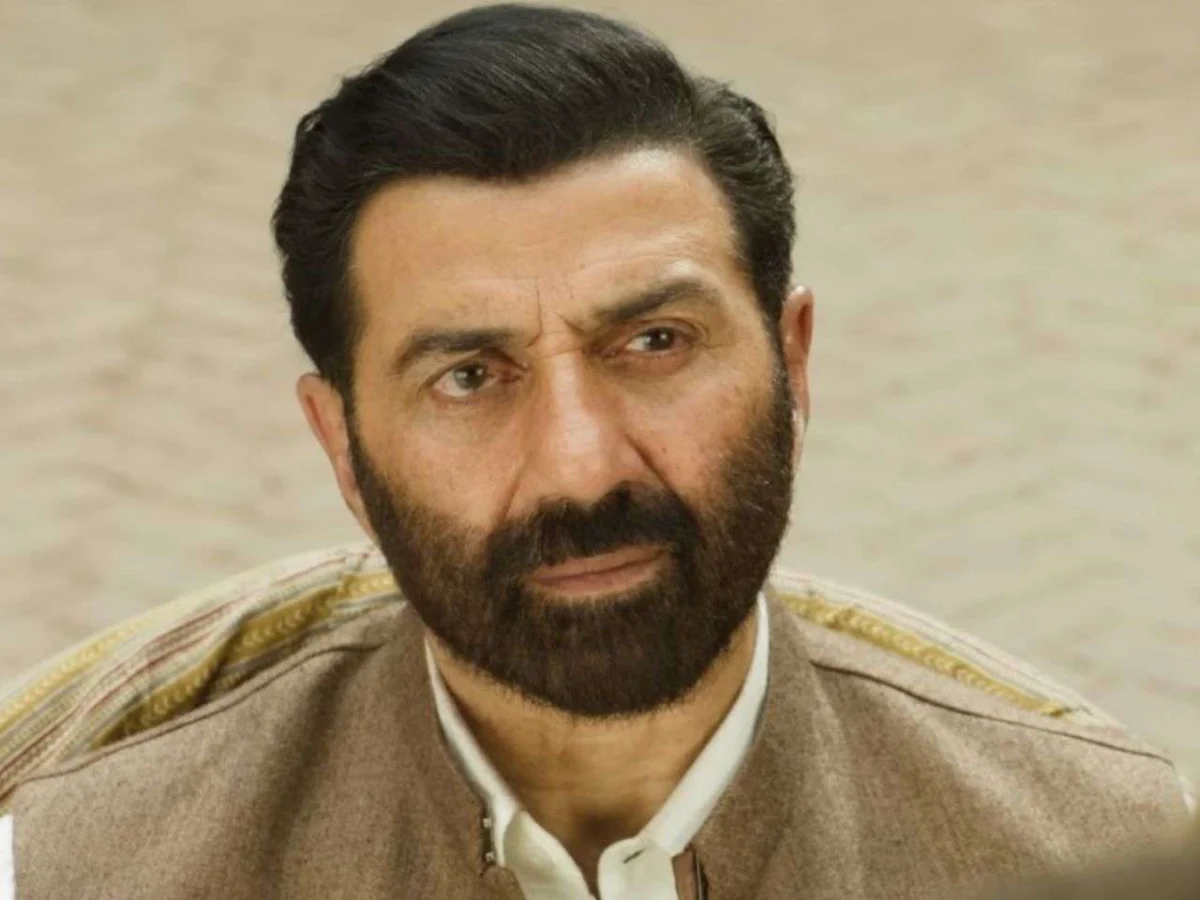
Mumbai, India – August 7, 2026 – As the silver screen gears up for the release of Rajkumar Santoshi’s upcoming film, "Batwara 1947," a palpable anticipation surrounds its lead actor, Sunny Deol. Known for his powerful portrayals of patriotic heroes in blockbusters like "Border" and the "Gadar" franchise, Deol is set to embody a character that diverges significantly from his previous iconic roles. In "Batwara 1947," he steps into the shoes of a Muslim man who migrates from India to Pakistan during the tumultuous Partition era and, in a surprising twist, finds himself protecting an Indian woman. This nuanced portrayal has sparked conversations, particularly regarding the potential reception from his extensive fan base in Pakistan, a region often depicted as the antagonist in Deol’s earlier cinematic endeavors.
In an exclusive interaction with media, Deol addressed the delicate question of whether his Pakistani fans would welcome a film that, on the surface, might seem to depict their country in a less than favorable light, albeit through a narrative of protection and human connection. His response offered a glimpse into his thoughtful perspective on the power of cinema and the discerning nature of true cinegoers.
The Legacy of Deol’s Cinematic Persona: From Border to Batwara
Sunny Deol has carved a formidable niche in Bollywood as the quintessential action hero, often at the forefront of defending national pride against external threats. Films like "Border" (1997), a cinematic tribute to the Battle of Longewala, and the "Gadar" series, which saw him heroically reclaim his abducted wife from Pakistan, have cemented his image as a staunch protector of India. These films, while immensely popular, have also drawn criticism for their perceived anti-Pakistan sentiment, a narrative frequently amplified by media interpretations and political undertones.
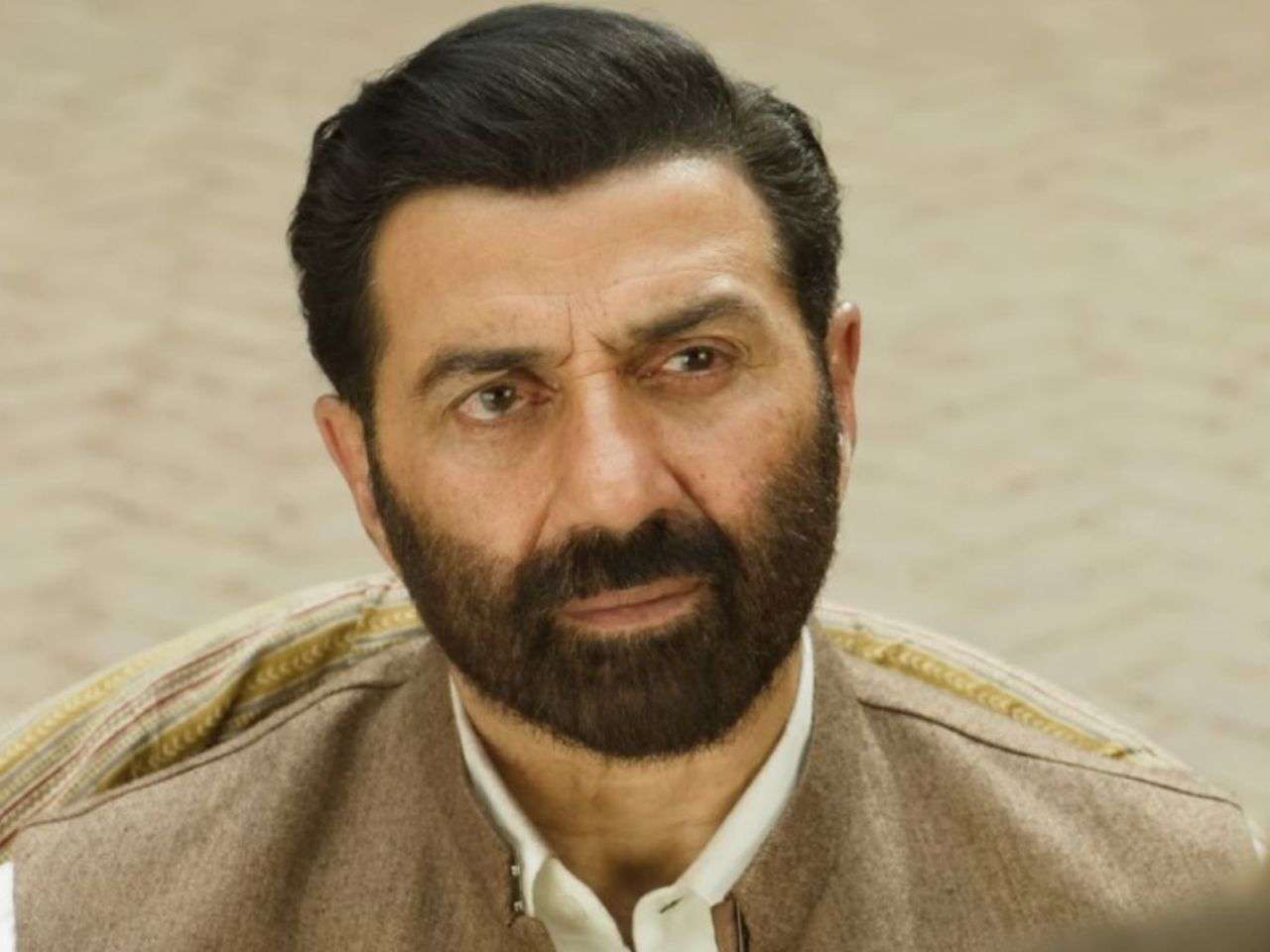
"Batwara 1947" marks a deliberate departure from this established archetype. Directed by the acclaimed Rajkumar Santoshi, the film delves into the human drama that unfolded during the 1947 Partition of India. Deol’s character, a Muslim migrant to Pakistan, finds himself in a moral quandary as he extends protection to an Indian woman, portrayed by Shabana Azmi. This shift in narrative, from overt conflict to an act of humanitarianism across borders, is a significant evolution for Deol’s on-screen persona and a testament to Santoshi’s vision.
)
Deol’s Perspective: Bridging Divides Through Art
When questioned by DNA about the potential reaction of his Pakistani fans to a film that might be perceived as showcasing "havoc" in their country, even if through a narrative of compassion, Deol’s response was measured and insightful. He acknowledged the existence of his fans across the border and articulated a belief in their ability to transcend the political and journalistic narratives that often create divisions.
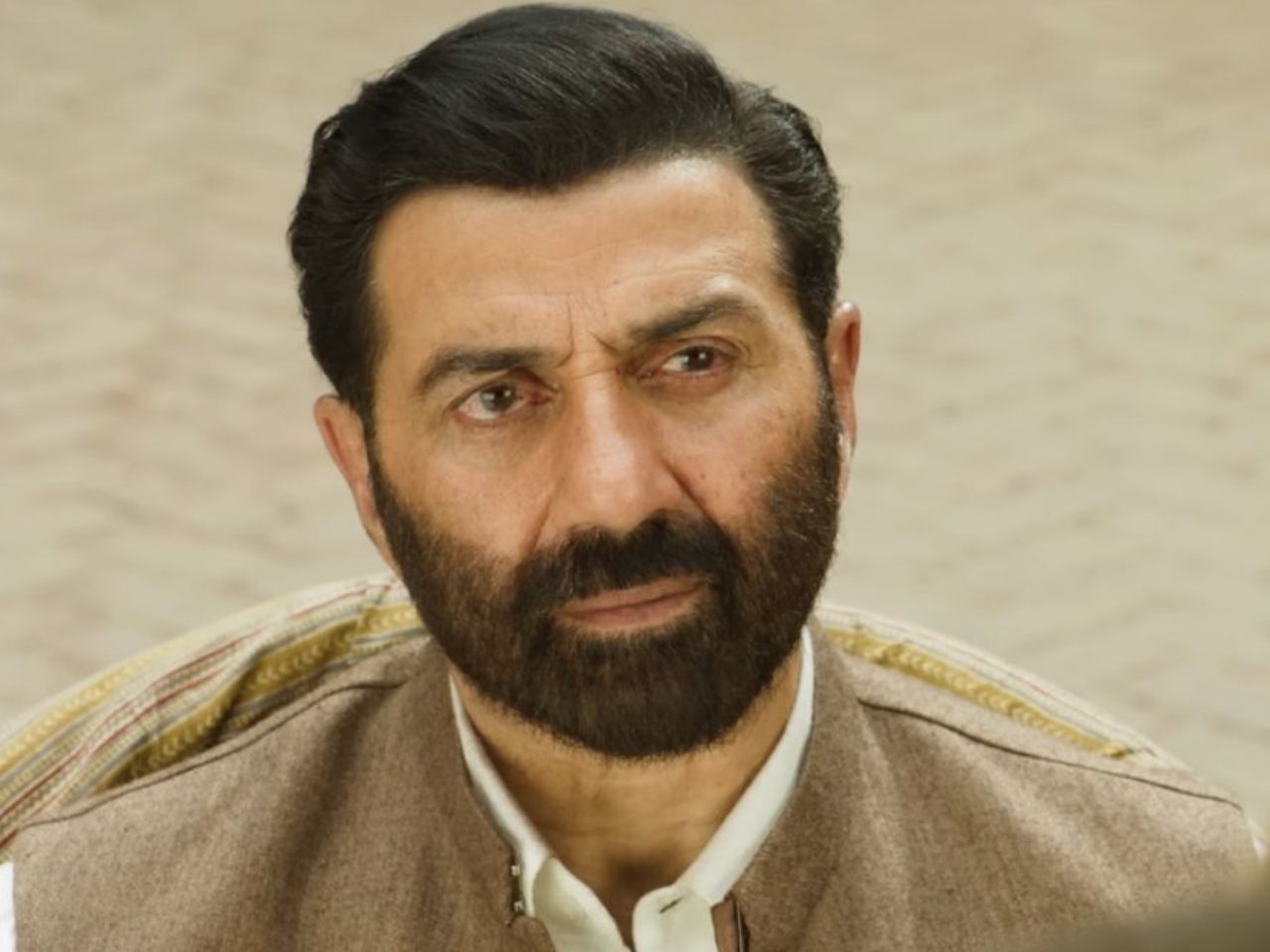
"Dekhiye, fans are always there. They love you, no matter what," Deol stated calmly. "It (the India-Pakistan rivalry) is some journalism, some political mishmash that changes the narrative. Jo actually cinegoer hota hai, jo actual insaan hota hai, un mein yeh sab cheezein nahi hoti. Woh bas film dekh rahe hote hai."
)
This statement underscores Deol’s conviction that genuine cinema lovers and individuals are capable of appreciating a film’s artistic merit and emotional core, independent of the political climate or prevailing media discourse. He believes that the common person’s engagement with a film is primarily driven by the storytelling and the human connection it fosters, rather than preconceived notions or nationalistic biases.
Deol further elaborated on his personal experiences, highlighting that his interactions with fans worldwide, including those from Pakistan, have consistently revealed a different reality. He has encountered a spectrum of audiences who connect with his characters on a personal level, irrespective of the geopolitical context.

"Main toh sunata aa raha hu ki aise-aise hai. But when I travel, and wherever I go, we meet all kinds of people. Kaha-kaha se nahi fans hai. They’re looking at you from any other point of view. They love you because you’ve played a character that has related to them. That’s why they love you. Usse zyada kuch hota nahi hai," he explained.
This perspective suggests that while media and political narratives might frame the India-Pakistan relationship in a confrontational light, the individual viewer’s connection to an actor and their performance is often rooted in empathy and relatability. Deol’s characters, even when portraying strong, nationalistic figures, have often resonated with audiences due to their inherent human qualities and the emotional depth they bring to their roles. In "Batwara 1947," this ability to connect on a human level is likely to be amplified by the film’s exploration of a complex historical event and the universal theme of compassion.
)
The Historical Context: Partition and its Enduring Impact
"Batwara 1947" is set against the backdrop of one of the most significant and traumatic events in modern history: the Partition of India. The division of British India into two independent dominions, India and Pakistan, in August 1947, led to one of the largest mass migrations in human history. An estimated 10 to 20 million people were displaced, and countless lives were lost in the ensuing communal violence. The Radcliffe Line, drawn by Sir Cyril Radcliffe, arbitrarily divided communities and families, leaving a legacy of pain, displacement, and enduring geopolitical tension between the two nations.
The film’s narrative, focusing on a Muslim character migrating to Pakistan and subsequently protecting an Indian woman, offers a potentially poignant exploration of the human cost of Partition. It moves beyond the simplistic narratives of "us versus them" to delve into the complexities of individual choices and humanitarian actions amidst widespread chaos and animosity. By placing a Muslim character at the center of a story involving the protection of an Indian individual, "Batwara 1947" has the potential to challenge stereotypes and offer a more nuanced understanding of the diverse experiences and moral dilemmas faced by people during that era.
)
Supporting Cast and Creative Vision: A Collaborative Endeavor
The success of any film hinges on the collaborative efforts of its cast and crew, and "Batwara 1947" appears to be no exception. Directed by Rajkumar Santoshi, a filmmaker known for his ability to weave compelling narratives with strong performances, the film boasts a formidable ensemble cast.
Preity Zinta, a celebrated actress known for her versatility and expressive performances, is also part of the promotional activities, suggesting her significant role in the film. Shabana Azmi, a veteran of Indian cinema with a career spanning decades and an impressive repertoire of critically acclaimed performances, plays the Indian woman in need of protection. Her presence alone guarantees a certain gravitas and emotional depth to the narrative.
)
The film also features Karan Deol, Sunny Deol’s son, indicating a potential generational continuation of their cinematic legacy. Ali Zafar, a popular Pakistani singer and actor, is also reported to be in a key role, adding another layer of cross-cultural collaboration to the project. Abhimanyu Singh, known for his intense portrayals, rounds out the principal cast.
The involvement of Aamir Khan Productions as the producer further elevates the film’s standing. Aamir Khan is renowned for his meticulous approach to filmmaking and his commitment to backing projects that are both artistically significant and socially relevant. His production house has a track record of delivering critically and commercially successful films that often push the boundaries of conventional storytelling.
)
Release Date and Strategic Positioning
"Batwara 1947" is slated for a theatrical release on August 14, 2026. This date holds significant symbolic importance, as it falls just before India’s Independence Day (August 15) and Pakistan’s Independence Day (August 14). Releasing the film around this period is a strategic choice, aiming to capitalize on the patriotic fervor and nationalistic sentiments prevalent during this time. It also positions the film to engage audiences with themes of national identity, history, and the complex legacy of Partition.
Implications for Indo-Pak Cinema and Cultural Exchange
Sunny Deol’s thoughtful response regarding his Pakistani fans carries significant implications for the broader landscape of Indo-Pak cinema and cultural exchange. For years, the flow of films and cultural content between the two neighboring countries has been fraught with political tensions and restrictions. However, the enduring popularity of Indian cinema in Pakistan and the presence of Pakistani artists in Bollywood demonstrate an undeniable cultural connection that transcends political boundaries.
)
Deol’s perspective suggests a hope that art can serve as a bridge, fostering understanding and empathy even in the face of historical grievances. If "Batwara 1947" succeeds in resonating with audiences in both India and Pakistan, it could pave the way for more nuanced and human-centric narratives that explore shared histories and experiences. It could encourage filmmakers to venture into storytelling that fosters dialogue rather than exacerbating divisions.
Furthermore, the film’s potential to be perceived as less "Pakistan-bashing" could contribute to a shift in the portrayal of the neighboring country in Bollywood. While patriotic films have their place, a move towards more complex and balanced narratives can lead to a more mature and sophisticated cinematic output that reflects the multifaceted realities of human relationships.
)
As "Batwara 1947" approaches its release, the focus will not only be on its box office performance but also on its ability to spark conversations, challenge perceptions, and perhaps, in its own way, contribute to a more nuanced understanding of the enduring legacy of Partition and the complex relationship between India and Pakistan. Sunny Deol’s willingness to engage with these sensitive questions, coupled with the film’s promising premise, suggests that "Batwara 1947" might be more than just another Bollywood entertainer; it could be a significant cultural statement.
