

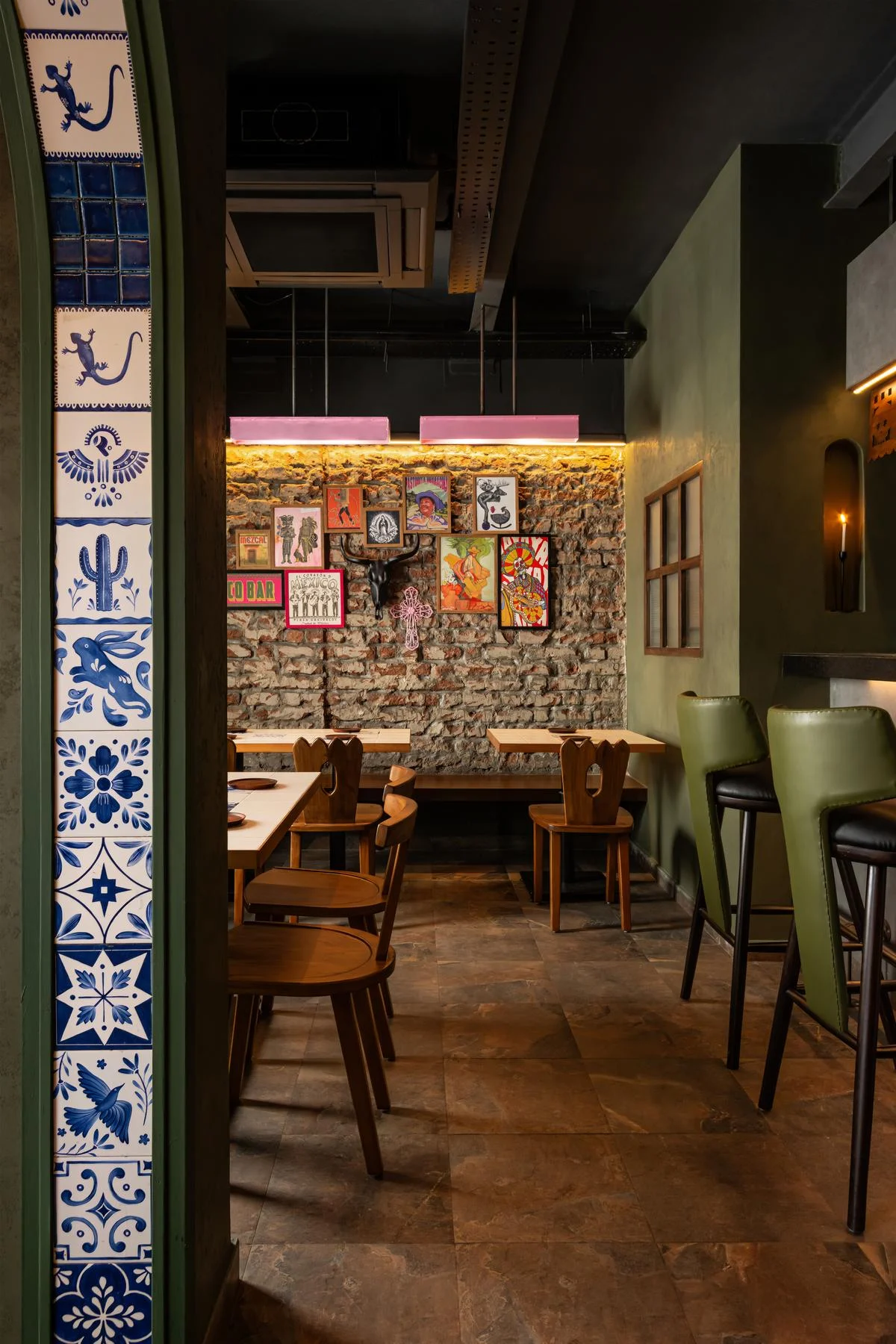
Bengaluru, a city renowned for its dynamic spirit and rapid evolution, is experiencing a profound culinary transformation. While once a niche offering, Mexican cuisine has firmly planted its roots, blossoming into a vibrant and sought-after dining experience. This article delves into the fascinating journey of Mexican food’s integration into Bengaluru’s gastronomic landscape, exploring its historical challenges, its present-day resurgence, and the factors driving this exciting trend. From humble beginnings to sophisticated regional explorations, Bengaluru’s love affair with Mexican flavors is a testament to the city’s adventurous palate and its embrace of global culinary influences.
The Long Road to Acceptance: From Pecos’s Fumble to Today’s Triumph
The story of Mexican food in Bengaluru is not one of immediate success. In 1989, Collin Timms’s ambitious venture, Pecos, named after a New Mexican river, met an unceremonious end. The city, it seemed, was not yet ready for the intricate flavors and textures of Mexican cuisine. Pecos eventually found its footing by pivoting to a more familiar offering – beer – becoming a beloved pub in the process. This early setback underscores a crucial point: the acceptance of foreign cuisines is a gradual, often arduous, process, dependent on cultural familiarity and evolving consumer tastes.
Fast forward to the present day, and the landscape is dramatically different. The mention of "carne asadas" and "birria tacos" now evokes an immediate understanding and often, a craving, among Bengaluru’s discerning diners. A new wave of restaurants, prioritizing regional authenticity and meticulous culinary techniques, are leading this charge. This shift signifies more than just a passing trend; it represents a significant evolution in the city’s culinary identity, a willingness to explore beyond the well-trodden paths of Italian and Asian fare.

The Rise of Authenticity: Comal and the Art of Nixtamalization
Chef Varun Pereira, the visionary behind Comal, a restaurant dedicated to showcasing the nuances of Mexican gastronomy, observes a "huge increase in interest for Mexican cuisine." He notes that even established Tex-Mex establishments are now incorporating more authentic Mexican dishes into their menus. "Mexican was never as popular as Italian or Asian," Pereira states, "but there is a huge connect between Indian and Mexico." This connection, he suggests, lies in the shared emphasis on fresh ingredients, vibrant spices, and the communal aspect of dining.
Comal, a name that translates to "tawa" in Hindi, embodies this philosophy by meticulously recreating traditional Mexican dishes. Their commitment to authenticity is evident in their use of masa flour tortillas, prepared through the ancient process of nixtamalization – a technique that significantly enhances the nutritional value and flavor of corn. Dishes like chilaquiles, mole-laden enchiladas, and jackfruit flautas are not merely imitations but careful explorations of Mexican culinary heritage. Their best-selling items, including the refreshing horchata (a rice-based drink) and the succulent carne asadas, further highlight their dedication to delivering an unadulterated Mexican experience.
Pereira’s journey to Comal was fueled by a deep personal passion for Mexican food. A month-long sojourn to Mexico City, where he savored meals in everything from Michelin-starred establishments to humble street-side taco stands, solidified his vision. "I am a big fan of Mexican cuisine, and there was always a gap in the market, and I wanted to bring my love for this food to India and Bengaluru," he explains. This personal drive, coupled with a keen understanding of the Bengaluru diner’s openness to new experiences, has been instrumental in Comal’s success. The restaurant’s open kitchen design, allowing for direct interaction between chefs and diners, further fosters a sense of engagement and provides an invaluable opportunity for education and feedback.

Cantina Culture and the Bengaluru Palate: Mezcalita’s Vision
For restaurateur Rizwan Amlani, the opening of Mezcalita, a cantina-style establishment, was a "labour of love." His formative years working as a chef in the US, interspersed with frequent trips to Mexico, instilled in him a profound appreciation for the country’s culinary soul. He articulates the distinctions between various Mexican eateries – cantinas, taquerías, and fonditas – with an intimate knowledge that reflects his deep connection to the cuisine.
Amlani describes a cantina as a "friendly, casual establishment" where the bartenders might know your name, fostering a sense of community akin to the cherished Irani cafes of Mumbai. "It is like an Irani cafe in Mumbai. I go to the same Irani cafe, my great grandfather went to," he elaborates, drawing a parallel that resonates deeply with the concept of timeless hospitality. Mezcalita, with its presence in both Mumbai and Bengaluru, has found a particularly receptive audience in the Garden City. Their Baja fish tacos, pork carnitas, and green enchiladas are consistently popular.
Amlani observes that Bengaluru diners are remarkably experimental and inquisitive. "My team is challenged every day because people ask a lot of questions. They want to know how it is cooked, what are the spices, why is it so familiar. This is rarer in Mumbai," he notes. This eagerness to understand the "why" behind the flavors is a significant indicator of the evolving sophistication of Bengaluru’s food scene. It suggests a move beyond mere consumption towards a deeper appreciation of culinary heritage and craftsmanship.

A Decade of Discovery: Chinita and the Enduring Appeal of Traditional Flavors
Chinita stands as one of the pioneering Mexican restaurants in Bengaluru, having opened its doors over a decade ago. Sameer Mirchandani, the managing partner, recalls the early days as a period of dedicated customer education. "When we first started, we spent a lot of time on the floor talking to customers, educating them about the cuisine and explaining the various dishes on our menu," he shares. This hands-on approach was crucial in demystifying Mexican food for a city that was still largely unfamiliar with its intricacies.
Over the past 12 years, Mirchandani has witnessed a significant shift. "We’ve noticed that the cuisine has become more widely accepted and popular, and customers are more knowledgeable about Mexican food now," he states. Certain traditional Mexican combinations, once met with hesitation, are now celebrated. The intriguing interplay of "chocolate and chilli in our chocolate chilli cake," and the innovative use of chocolate in savory dishes like mole, are prime examples of how Chinita has successfully introduced diners to the complex flavor profiles of Mexico. Their enduring best-sellers – soft tacos, burrito bowls, chocolate chilli cake, and Mexican-style grilled corn – are a testament to the timeless appeal of well-executed, authentic dishes.
The Frontier of Regional Mexican Cuisine: Comedor and Future Prospects
Indiranagar, a hub for culinary innovation, is also home to Comedor, a recently opened, vegetarian-only restaurant specializing in regional Mexican fare. Comedor’s menu bravely ventures into lesser-known territories, featuring dishes such as "chile relleno" from the city of Puebla and "Sopa de fideo," a vermicelli soup with Spanish roots. The restaurant’s commitment to authenticity is further underscored by its meticulous sourcing of ingredients like Mexican pepperleaf, masa flour, cojita cheese, and the crisp root vegetable jicama.

Rizwan Amlani, reflecting on the broader landscape, believes there is still considerable untapped potential for Mexican cuisine in India. "Bengaluru diners are experimental, but I feel like every market in India is still not ready to go down that path yet," he observes. However, he remains optimistic about the future, particularly concerning the exploration of regional Mexican food. He draws a parallel with the evolution of Asian cuisine, which once existed as a monolithic entity but has now diversified into specialized offerings. "I would love to do an Oaxacan restaurant someday," he muses, hinting at the exciting possibilities that lie ahead for those willing to delve deeper into the rich tapestry of Mexican culinary traditions.
The Data Behind the Boom: Consumer Trends and Market Growth
The burgeoning popularity of Mexican cuisine in Bengaluru is not merely anecdotal; it is supported by observable shifts in consumer behavior and market trends. While precise statistical data for the Mexican food segment within Bengaluru’s broader restaurant industry can be elusive, several indicators point towards significant growth:
- Increased Restaurant Openings: The proliferation of new Mexican restaurants, ranging from casual taquerias to more upscale establishments focusing on regional specialties, signifies a strong market demand. The emergence of restaurants like Comal and Comedor, alongside established players like Chinita and the expanding Mezcalita, demonstrates a healthy ecosystem.
- Menu Diversification in Existing Establishments: As noted by Chef Varun Pereira, even non-Mexican restaurants are integrating Mexican dishes into their menus, indicating a broader appeal and a desire to cater to evolving customer preferences. This cross-pollination suggests that Mexican flavors are becoming more mainstream.
- Social Media Buzz and Online Reviews: The active presence of Mexican restaurants on social media platforms, coupled with a consistently high volume of positive reviews and engagement, reflects a growing public interest and satisfaction. Food bloggers and influencers often highlight new Mexican eateries, further amplifying their reach.
- Demand for Authentic Ingredients and Techniques: The emphasis placed by chefs like Pereira on nixtamalization and by Comedor on specific regional ingredients suggests a diner base that is becoming more discerning and appreciative of authenticity, moving beyond generic "Tex-Mex" perceptions.
- Growth in the Beverage Segment: The popularity of beverages like horchata and the increasing interest in mezcal and tequila-based cocktails also contribute to the overall appeal and experience of Mexican dining, indicating a holistic engagement with the culture.
- Economic Factors: Bengaluru’s growing economy and its large population of young, educated professionals with disposable income are key drivers. This demographic is often more open to experimenting with international cuisines and dining out frequently.
While specific market share figures for Mexican cuisine in Bengaluru are not readily available, the qualitative evidence—from restaurateur interviews to the very existence and success of these establishments—strongly suggests a significant upward trajectory. The "unexplored cuisine" of yesterday is rapidly becoming a cornerstone of Bengaluru’s diverse culinary map.

Implications for the Future of Bengaluru’s Food Scene
The rise of Mexican cuisine in Bengaluru has several far-reaching implications for the city’s gastronomic future:
- Encouragement of Culinary Exploration: The success of authentic Mexican restaurants will likely inspire entrepreneurs to explore other underrepresented global cuisines, fostering a more diverse and adventurous dining landscape.
- Elevated Standards of Authenticity: As diners become more educated, there will be a greater demand for genuine culinary experiences, pushing restaurants to prioritize traditional techniques and ingredients. This could lead to a higher overall standard across various cuisines.
- Economic Opportunities: The growth of the Mexican food sector creates new employment opportunities for chefs, kitchen staff, service professionals, and suppliers. It also contributes to the local economy through increased consumer spending.
- Cultural Exchange and Understanding: Food serves as a powerful ambassador for culture. The increasing familiarity with Mexican cuisine fosters a greater understanding and appreciation of Mexican traditions, art, and history among Bengaluru’s population.
- Potential for Specialization: As Amlani’s ambition to open an Oaxacan restaurant suggests, the future could see further specialization within Mexican cuisine, with restaurants focusing on distinct regional variations, much like the evolution seen in Asian culinary offerings.
- Adaptation and Fusion: While authenticity is a key driver, there will also likely be continued innovation, with chefs exploring creative fusions that blend Mexican flavors with local Indian ingredients and palates, creating unique culinary hybrids.
In conclusion, Bengaluru’s embrace of Mexican cuisine is a vibrant narrative of culinary evolution. From initial apprehension to widespread acceptance and a growing appreciation for regional authenticity, the journey is far from over. As chefs continue to push boundaries and diners remain eager for new experiences, the future of Mexican food in Bengaluru promises to be as rich, complex, and flavorful as the cuisine itself.
