

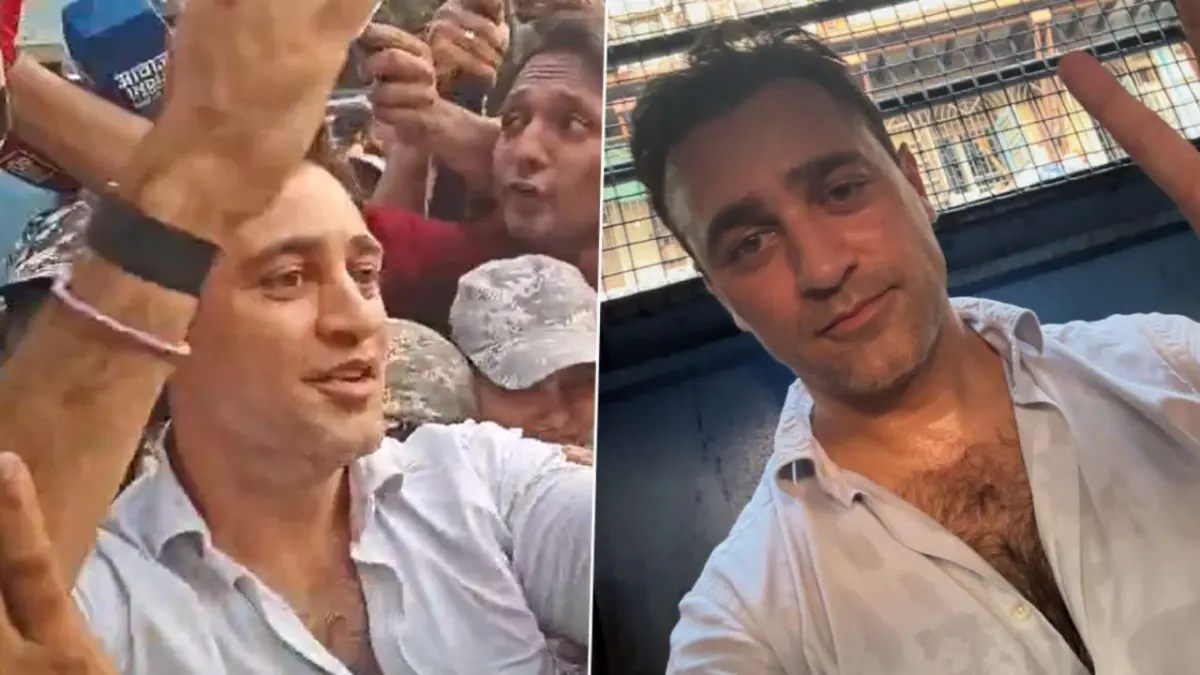
Mumbai, India – October 15, 2026 – Prominent Bollywood actor Imran Khan, nephew of legendary actor Aamir Khan, has reportedly been directed by the Mumbai Police to depart India by October 28th. This significant development comes in the wake of his participation in an anti-Chief Election Commissioner (CEC) protest held at Mumbai’s historic August Kranti Maidan on October 10th. While official confirmation remains elusive, sources suggest the directive is linked to his alleged non-Indian citizenship and potential violations of immigration laws.
The reported order has sent ripples through the Indian entertainment industry and ignited discussions surrounding immigration policies, the rights of individuals participating in protests, and the complexities of citizenship verification. The Bollywood fraternity, often a vibrant platform for public discourse, finds itself once again at the center of a sensitive national conversation.
The Unfolding Situation: A Timeline of Events
The reported expulsion order against Imran Khan marks a dramatic turn of events, the roots of which can be traced back to a recent demonstration that brought together a diverse group of individuals concerned about the integrity of India’s electoral process.
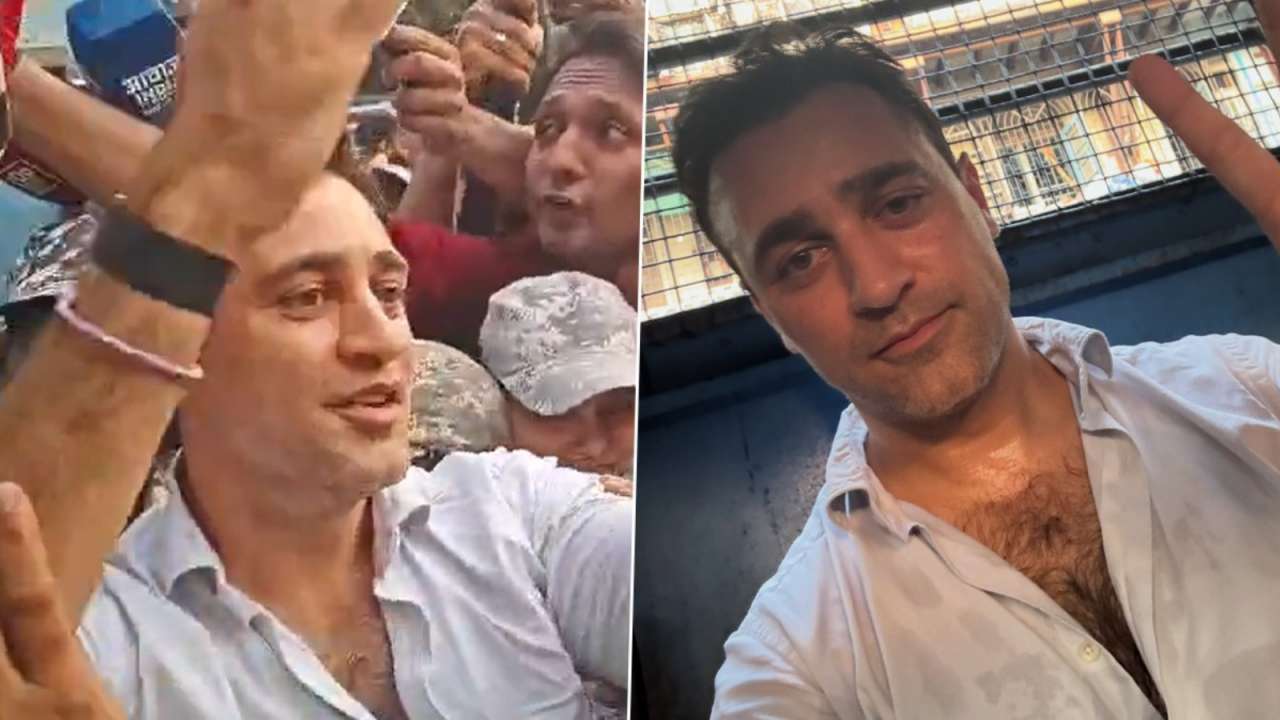
October 10, 2026: The August Kranti Maidan Protest: Imran Khan, accompanied by his partner, actor Lekha Washington, and cousin Zayn Marie Khan, joined a protest at August Kranti Maidan. The demonstration was primarily aimed at demanding the resignation of Chief Election Commissioner Gyanesh Kumar. This protest was part of a broader wave of dissent and scrutiny directed towards the Special Intensive Revision (SIR) of electoral rolls and allegations of procedural irregularities raised by opposition parties and various civil society groups. The venue itself, August Kranti Maidan, holds historical significance as the site where the Quit India Movement was launched in 1942, lending a powerful symbolic weight to any gathering held there.
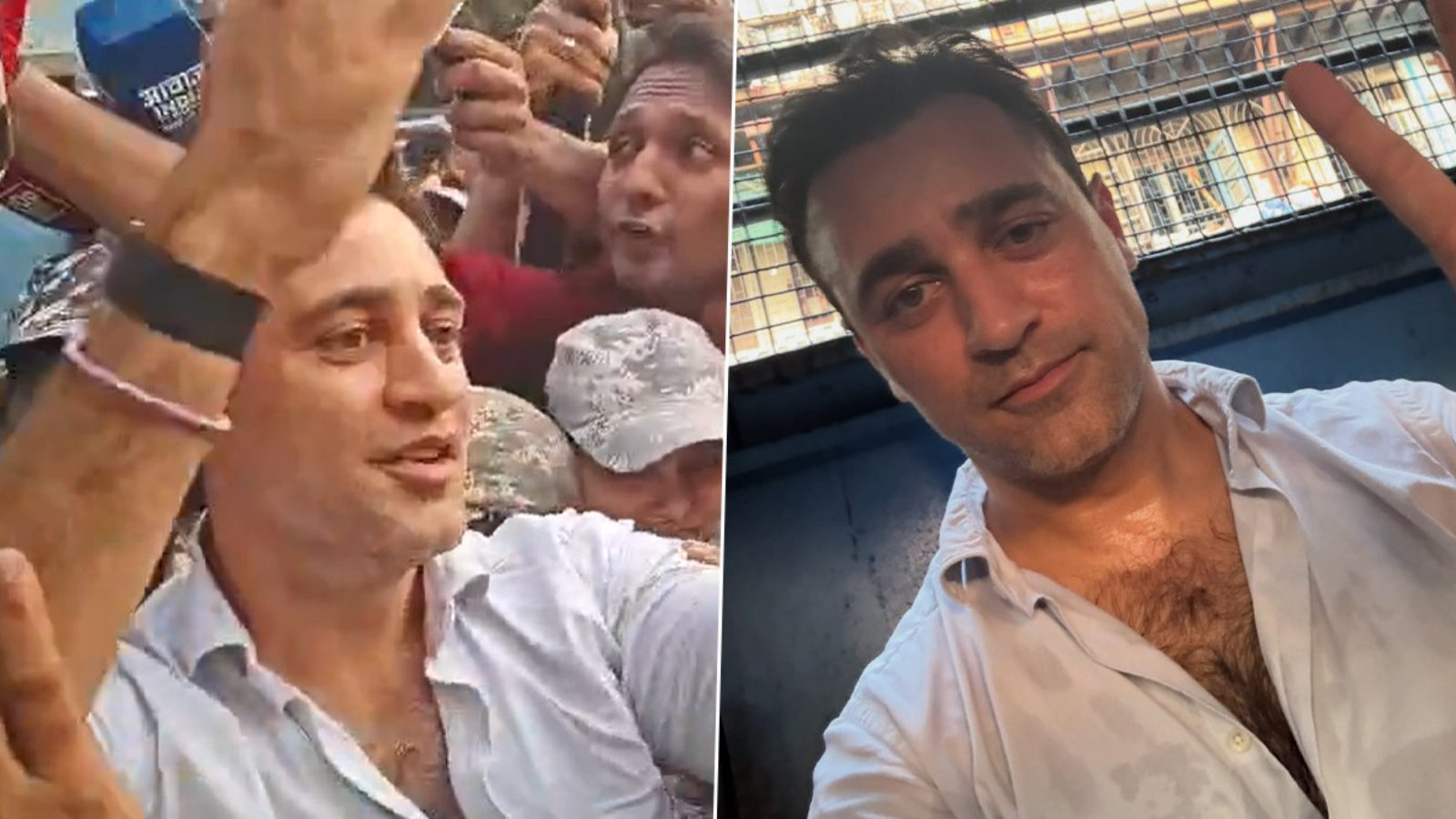)
October 10, 2026: Detentions by Mumbai Police: During the course of the protest, Imran Khan, Lekha Washington, and Zayn Marie Khan were reportedly detained by the Mumbai Police. While detentions during protests are not uncommon for crowd control or to prevent disruptions, the subsequent alleged issuance of an exit order suggests a more serious underlying concern. The exact reasons for their detention at the time have not been independently verified, but it is widely assumed to be in connection with their participation in the demonstration.
Mid-October 2026: The Alleged Exit Order: Days following the protest and detentions, reports began to surface that Imran Khan had received a notice from the Mumbai Police. This notice, according to unconfirmed sources, mandates his departure from India by October 28th. The urgency and specific deadline underscore the gravity of the reported directive.

The Crux of the Matter: Citizenship and Immigration Concerns
The core of the reported action against Imran Khan appears to be centered on his alleged citizenship status. News outlets have widely reported that the actor is believed to hold United States citizenship. If this is indeed the case, his participation in a political protest within India could have significant legal ramifications, particularly under the country’s immigration laws.
Allegations of Non-Indian Citizenship: The prevailing narrative suggests that the Mumbai Police’s action is rooted in the Immigration Act. Reports indicate that the actor was allegedly participating in the protest despite not being an Indian citizen. This distinction is crucial in legal and administrative contexts, as it pertains to the rights and responsibilities of foreign nationals within Indian territory.
)
Lack of Independent Confirmation: It is imperative to note that while these reports are circulating widely, there has been no independent confirmation of Imran Khan’s citizenship status or the precise legal provisions under which the alleged notice has been issued. The Mumbai Police have yet to issue an official statement addressing the matter, and the actor’s representatives have also remained largely silent, contributing to the speculation and uncertainty.
The Immigration Act Context: India’s Immigration Act, 1983, and subsequent amendments, govern the entry, exit, and stay of foreigners in the country. The act outlines various provisions related to visa regulations, permissible activities for foreign nationals, and penalties for violations. If an individual is found to be engaged in activities that are deemed contrary to their visa status or that could be interpreted as interference in domestic political affairs without proper authorization, it could lead to directives for their departure.
)
The Protest: A Demand for Electoral Transparency
Imran Khan’s presence at the protest was not an isolated incident; it was part of a larger movement expressing concerns about the fairness and transparency of India’s electoral machinery.
Demands for CEC’s Resignation: The primary objective of the protest on October 10th was to call for the resignation of Chief Election Commissioner Gyanesh Kumar. While the specific grievances leading to this demand are not detailed in the initial reports, such calls typically arise from perceived biases, procedural improprieties, or a lack of confidence in the impartiality of the election commission.
)
Concerns Over Electoral Rolls: The protest was also explicitly linked to the Special Intensive Revision (SIR) of electoral rolls. This process is critical for ensuring accurate and up-to-date voter lists. Allegations of irregularities during such revisions can raise serious questions about the fairness of upcoming elections and disenfranchisement of eligible voters.
Broader Civil Society Scrutiny: The involvement of civil society groups and opposition parties in these demonstrations highlights a growing trend of public engagement and scrutiny of electoral processes. In a democratic framework, such activism is often seen as a vital mechanism for holding institutions accountable and safeguarding democratic principles.
)
Supporting Data and Contextual Information
To understand the potential implications of this situation, it is useful to consider relevant data and the broader context of immigration and protest laws in India.
Foreign Nationals and Political Activities: India, like most sovereign nations, has regulations governing the political activities of foreign nationals. While the definition of "political activity" can be nuanced, participation in protests that express dissent against government officials or policies can often be viewed as such. The intention behind these regulations is generally to prevent foreign interference in domestic affairs and maintain national sovereignty.
)
Citizenship and its Legal Ramifications: Citizenship in India is governed by the Citizenship Act, 1955. This act outlines various ways in which a person can acquire Indian citizenship, including by birth, descent, registration, and naturalization. For individuals who are not Indian citizens, their legal standing and rights within India are determined by the terms of their visa and the provisions of the Foreigners Act and the Immigration Act.
The Role of the Election Commission: The Election Commission of India (ECI) is an independent constitutional body responsible for conducting elections in the country. Its impartiality and effectiveness are crucial for the democratic process. Any allegations that cast doubt on its functioning are taken seriously and can lead to public outcry and calls for reform.
)
Precedents and Public Figures: While specific cases of foreign nationals being asked to leave India for participating in protests are not widely publicized, the principle of regulating foreign involvement in sensitive domestic matters is well-established. High-profile individuals, due to their public visibility, often face greater scrutiny.
Official Responses and Statements (or Lack Thereof)
As of the time of this report, there has been a notable lack of official confirmation or detailed statements from the relevant authorities regarding the reported exit order against Imran Khan.
)
Mumbai Police Silence: The Mumbai Police, the alleged issuer of the directive, have not officially commented on the matter. This silence, while perhaps strategic, fuels speculation and leaves room for misinterpretation. Typically, any official action of this nature would be accompanied by a formal press release or statement, especially given the public profile of the individual involved.
Government Administration’s Position: There has also been no official statement from the Ministry of Home Affairs or any other central government department that oversees immigration and foreign national affairs. This suggests that the matter might be at a local police level, or that the central government is awaiting further developments or a formal report before making any pronouncements.
)
Actor’s Representatives’ Stance: Representatives of Imran Khan, including his publicists and legal team, have also maintained a low profile. Their lack of public comment could be attributed to several factors, including ongoing legal consultations, a strategy to avoid further media attention, or a desire to resolve the situation through private channels.
Implications and Broader Societal Impact
The reported directive against Imran Khan carries several significant implications, both for the individual involved and for the broader societal discourse in India.
)
Impact on Imran Khan’s Career and Life: If the order is upheld, it would have a profound impact on Imran Khan’s personal life and his career in Bollywood. His established presence in the Indian film industry would be abruptly disrupted, potentially forcing him to relocate and seek opportunities elsewhere. This would also likely affect his relationships and his established life in India.
Freedom of Speech and Association: The incident raises important questions about the boundaries of freedom of speech and association for individuals residing in India, particularly those who are not citizens. While the right to protest is a fundamental aspect of democracy, the application of immigration laws in such contexts can be a complex balancing act.
)
Nationalism and Citizenship Debates: The case could inadvertently reignite debates around nationalism, citizenship, and the role of foreign nationals in Indian society. Discussions about who belongs, who has a right to express dissent, and the criteria for national belonging are often sensitive and can become polarized.
Scrutiny of Electoral Processes: On a positive note, the protest itself, and the subsequent attention on Imran Khan, could serve to further highlight the importance of maintaining robust and transparent electoral processes. The public’s engagement with these issues, even through controversial means, underscores a commitment to democratic ideals.
)
International Perceptions: Such incidents can also shape international perceptions of India’s democratic values and its treatment of foreign residents. While India prides itself on being a vibrant democracy, actions perceived as restrictive of fundamental rights can draw international attention and criticism.
As this situation unfolds, the coming days will be crucial in determining the accuracy of the reports, the legal basis for any action taken, and the official stance of the Indian authorities. The outcome will not only affect Imran Khan but could also set precedents and influence future discussions on citizenship, immigration, and the right to protest in India. The Bollywood fraternity, while often seen as an entertainment industry, frequently finds itself intertwined with social and political narratives, and this latest development is a stark reminder of that enduring connection.
