

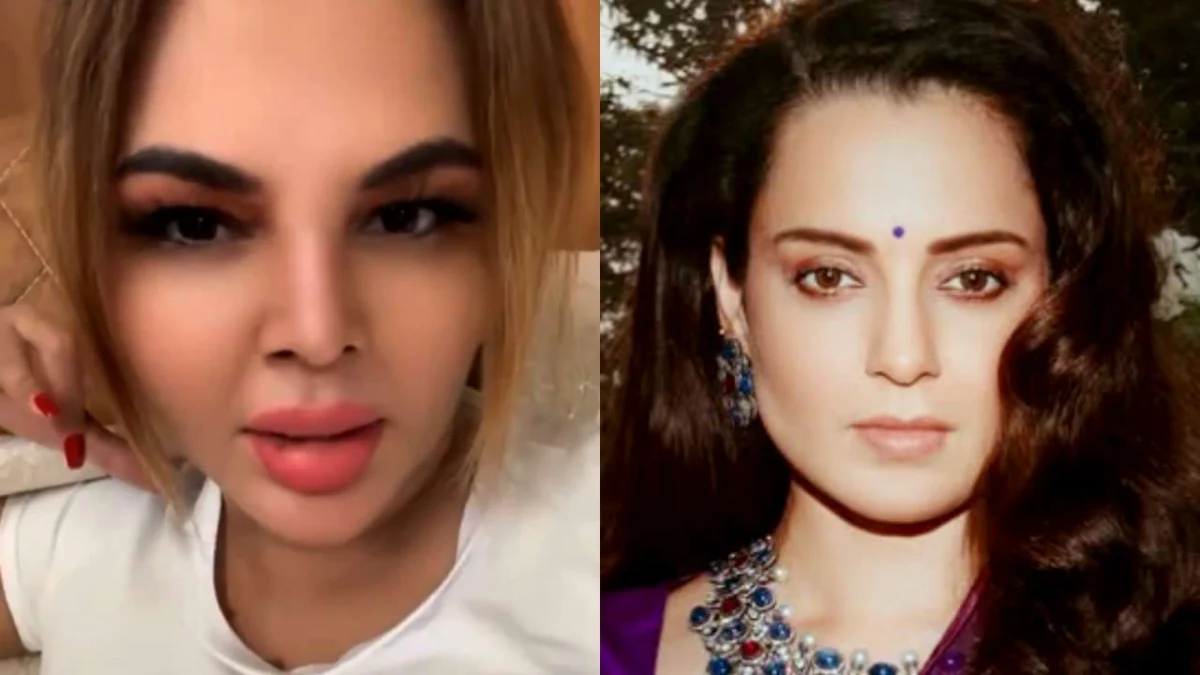
Mumbai, India – July 29, 2024 – A vocal and often controversial figure in Indian entertainment, Rakhi Sawant, has launched a no-holds-barred attack on BJP MP and acclaimed actor Kangana Ranaut, vehemently defending young Gen Z protesters against Ranaut’s recent disparaging remarks. Sawant, known for her candid and often provocative style, has not only labelled Ranaut a "chudail" (witch) but has also questioned her legitimacy as a Member of Parliament and her moral standing to comment on the nation’s youth. The public spat highlights a growing divide in how public figures perceive and address contemporary youth movements and the role of social commentary.
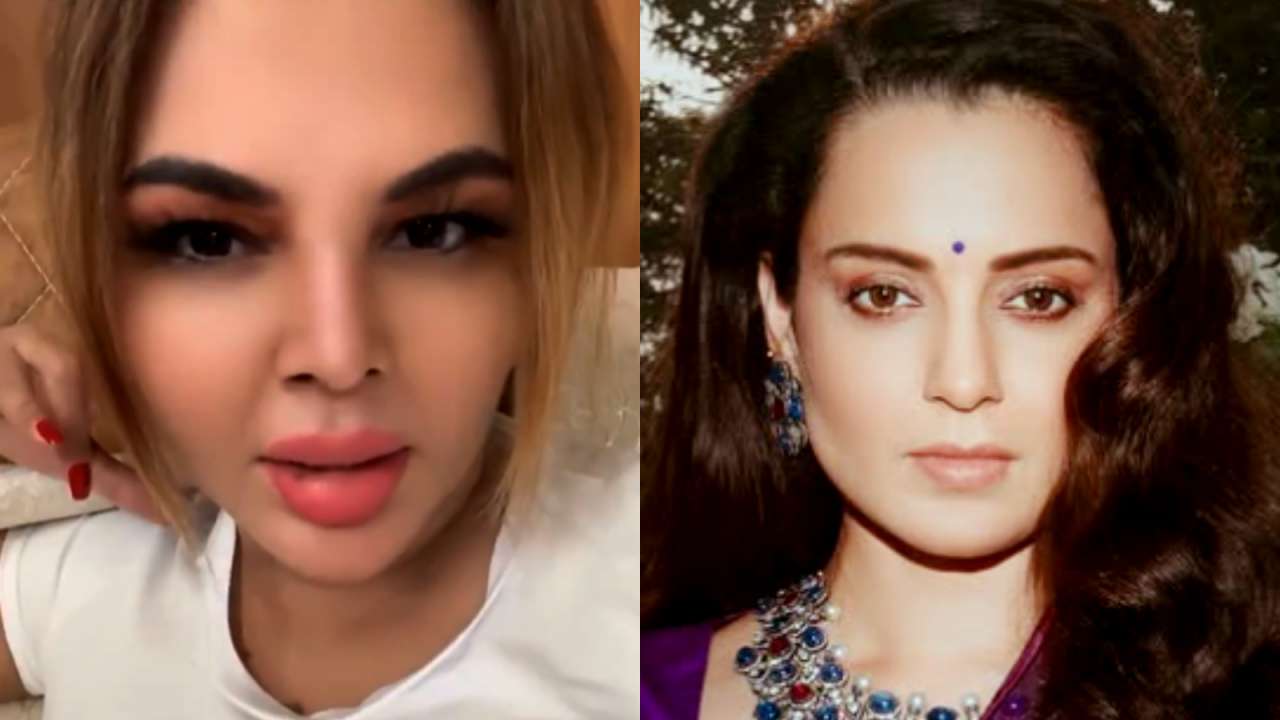
The Spark: Ranaut’s "Generation Gutter" Comments Ignite Backlash
The controversy erupted following a series of Instagram Stories posted by Kangana Ranaut, where she directly addressed and criticised videos emerging from CJP-led student protests. Ranaut, a vocal proponent of conservative ideologies, did not mince words, labelling the Gen Z protesters as "Generation Gutter." She further characterized some young women participating in these demonstrations as "westernised," accusing them of exhibiting a false sense of independence without genuine merit. Ranaut’s commentary extended to questioning the protesters’ academic capabilities, suggesting they were "not good at studies," reliant on parental finances, and seeking freedoms without accepting responsibilities. This broad-brush condemnation, targeting a generation known for its digital activism and engagement with social issues, immediately drew widespread condemnation from various quarters, including political leaders, fellow celebrities, and a significant portion of the online community.
)
Rakhi Sawant’s Retaliation: A Defence of Youth and a Challenge to Authority
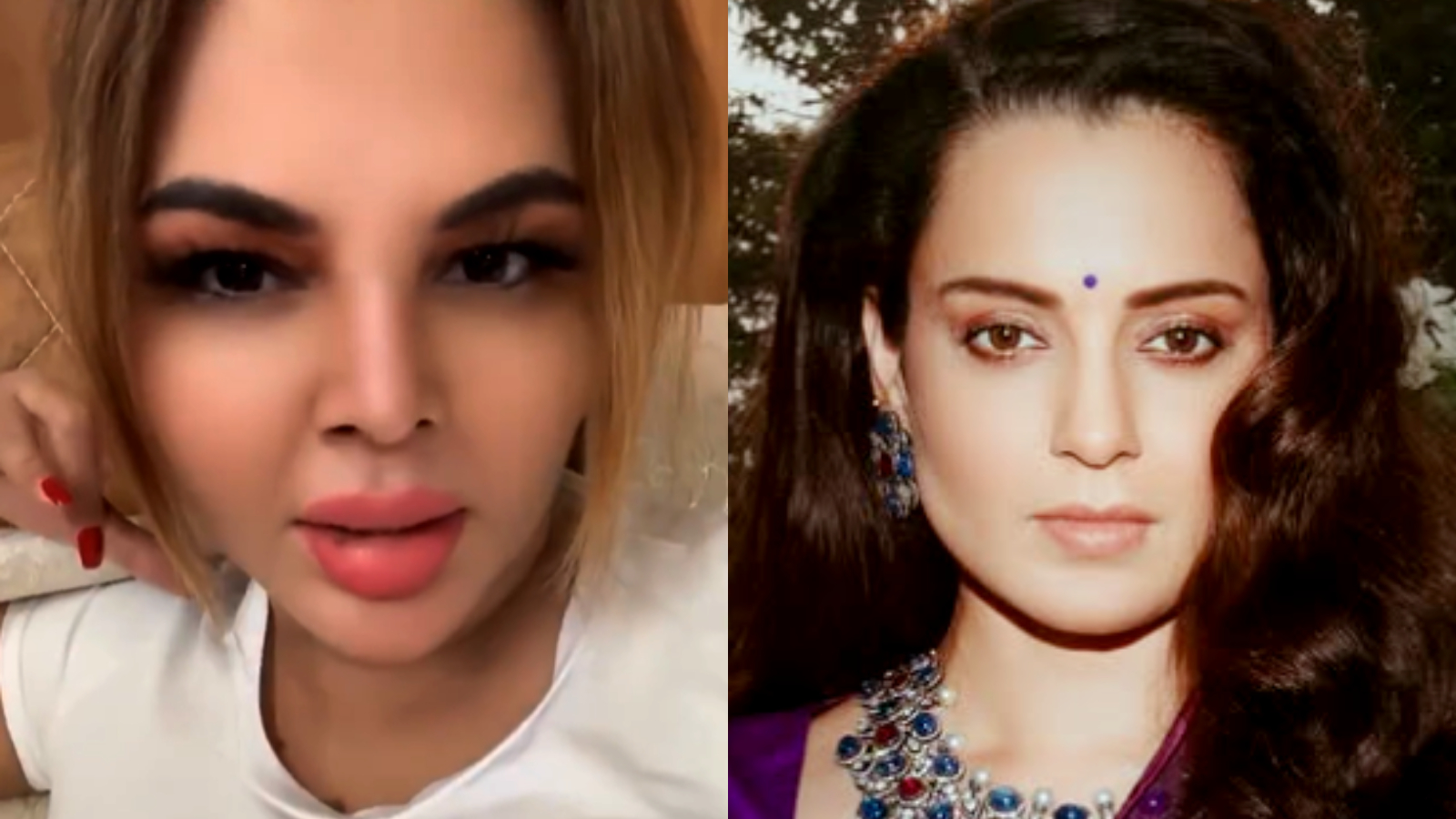
In response to Ranaut’s controversial statements, Rakhi Sawant emerged as a prominent, albeit unexpected, defender of the Gen Z protesters. In a widely circulated video shared on her Instagram, Sawant didn’t just disagree with Ranaut; she launched a personal and sharp critique, using highly charged language. Sawant’s defence centred on the principle of protecting the nation’s youth, particularly young women, from what she perceived as baseless and demeaning attacks.

"What kind of things are you saying about the girls of our country?" Sawant vociferously questioned in her video. "What are you saying about my students, about the daughters of our nation?" Her words underscored a deep concern for the perceived disparagement of young women who are actively participating in socio-political discourse.
)
Beyond defending the protesters, Sawant directly challenged Ranaut’s credentials and authority. "What did you do to become MP?" she asked, casting doubt on Ranaut’s electoral success and her right to speak on behalf of the electorate. "If you ever go out and contest elections, you won’t even get people’s votes. I don’t know how you became such a big name in Mandi, or how you ended up becoming whatever position you hold today." This rhetorical questioning aimed to undermine Ranaut’s position as a public servant and her capacity to represent the people’s voice.
)
Sawant’s criticism also took a personal turn, with her labelling Ranaut a "chudail" (witch). This insult, while sensational, served to amplify the intensity of her disapproval. She invoked Ranaut’s past public incidents, most notably the 2024 Chandigarh airport slap incident, as a cautionary tale and a sign of potential public backlash. "You had faced a slap incident at the airport, didn’t you? Aren’t you afraid? You will face people’s anger everywhere if you continue like this," Sawant warned, suggesting that Ranaut’s aggressive rhetoric could invite further public censure.
)
A Chronology of the Public Exchange: From Social Media to Media Frenzy
July 28, 2024 (Approximate): Kangana Ranaut posts a series of Instagram Stories criticising Gen Z protesters, using terms like "Generation Gutter" and making sweeping generalizations about young women and their perceived lack of academic merit and financial independence.
)
July 29, 2024: Rakhi Sawant responds via an Instagram video, publicly denouncing Ranaut’s comments. She labels Ranaut a "chudail," questions her MP status, and reminds her of the 2024 Chandigarh airport incident. Sawant’s video quickly gains traction across social media platforms.
)
July 29-30, 2024: News outlets pick up on the exchange, with multiple media houses reporting on Sawant’s strong rebuttal. The story begins to dominate entertainment and political news cycles.
)
Ongoing: Public discourse continues on social media, with supporters of both personalities engaging in heated debates. The incident highlights the polarized views on youth activism and the role of public figures in shaping narratives around it.
)
Supporting Data and Context: The Gen Z Factor and Ranaut’s Public Persona
The Gen Z demographic, broadly defined as individuals born between the late 1990s and early 2010s, is characterized by its digital nativity, increased engagement with social and political issues, and a propensity for online activism. Student protests, often fueled by social media campaigns, have become a significant avenue for this generation to voice their concerns on a range of issues, from climate change and social justice to educational policies. Ranaut’s criticism of these protesters, therefore, touches upon a sensitive nerve for a generation that largely sees itself as engaged and responsible.
)
Kangana Ranaut, on the other hand, has cultivated a public image as a fearless and outspoken individual, often aligning herself with nationalist sentiments and a conservative viewpoint. Her political foray as a Member of Parliament from Mandi, Himachal Pradesh, has amplified her platform for making public statements on a variety of issues. However, her outspoken nature has also led to several controversies and public criticisms, often for her strong opinions and the manner in which she expresses them. The 2024 Chandigarh airport incident, where she was allegedly slapped by a CISF constable over her comments on the farmers’ protest, remains a stark reminder of the potential consequences of provocative statements.
)
Rakhi Sawant, a seasoned entertainer and reality TV personality, has built a career on her unfiltered and often theatrical persona. While her remarks may be perceived as sensational by some, they often resonate with a segment of the public that appreciates directness and a willingness to challenge established figures, even if through unconventional means. Her defence of the youth in this instance positions her as an advocate for a generation that feels misrepresented.
)
Implications and Wider Ramifications: A Debate on Free Speech, Responsibility, and Respect
The public exchange between Rakhi Sawant and Kangana Ranaut extends beyond a simple celebrity spat; it reflects a broader societal debate on several critical issues:
)
- The Nature of Youth Activism: Ranaut’s "Generation Gutter" comment dismisses the legitimate concerns and activism of young people, framing them as inherently problematic. Sawant’s defence highlights the importance of respecting and engaging with youth movements, even when there are disagreements.
- The Role of Public Figures and Politicians: As an elected official, Ranaut’s statements carry significant weight. Sawant’s challenge questions whether such pronouncements are constructive and representative of the electorate’s diverse views. This raises questions about the responsibility of public figures to foster dialogue rather than division.
- Freedom of Speech vs. Respectful Discourse: While both individuals have the right to express their opinions, the intensity and nature of their language underscore the challenges of maintaining respectful discourse in public life. Sawant’s use of derogatory terms, while a response to perceived insult, also enters the realm of personal attacks.
- Generational Divide and Perception: The incident underscores a potential generational gap in understanding and appreciating the methods and motivations of contemporary youth. Ranaut’s criticism seems rooted in a more traditional view of societal norms, while Gen Z protesters often operate within a framework of progressive social values.
- The Power of Social Media: The entire episode was amplified and sustained through social media platforms, demonstrating their potent influence in shaping public opinion and driving media narratives.
Rakhi Sawant’s fierce defence of Gen Z protesters against Kangana Ranaut’s controversial remarks has injected a dramatic and highly personal element into the ongoing discourse surrounding youth activism and public commentary. While the language used may be contentious, the underlying issues of respect, responsibility, and the right to protest remain central to this heated Bollywood exchange. The incident serves as a stark reminder of the polarized landscape of public opinion and the significant impact that celebrity voices can have on shaping societal narratives.
