

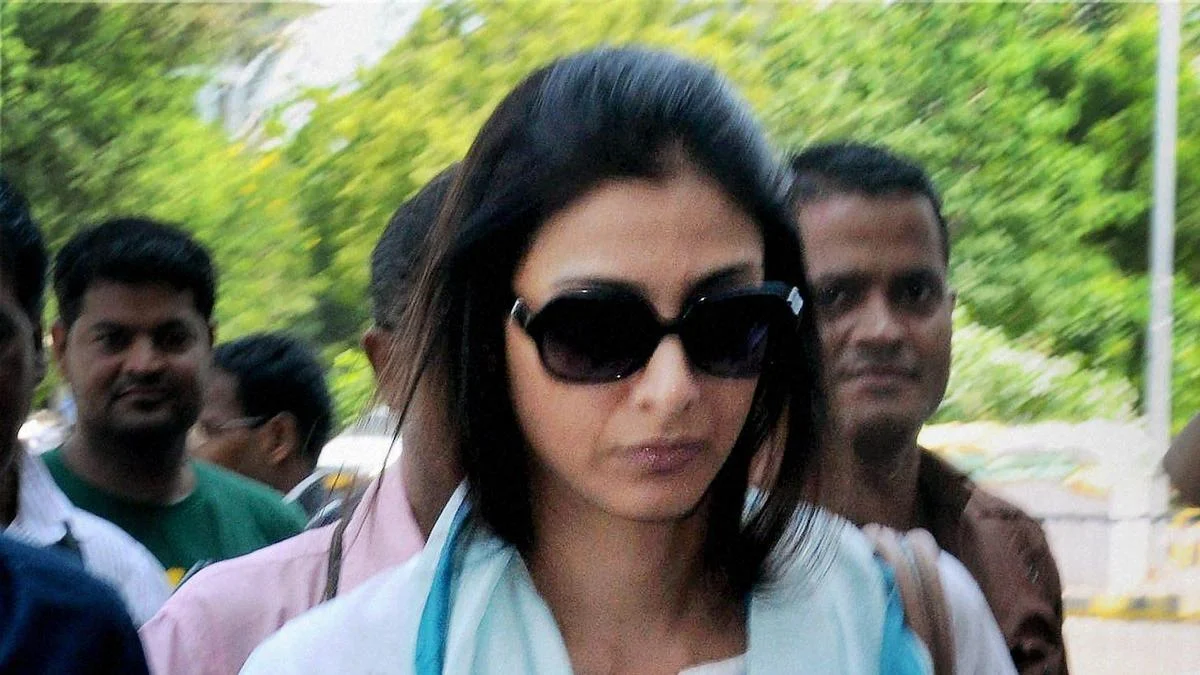
New Delhi, August 10, 2026 – In a significant legal victory for celebrity rights in the digital age, acclaimed Bollywood actress Tabassum Jamal Hashmi, widely known as Tabu, has been granted interim protection by the Delhi High Court against the unauthorized use of her name, image, voice, and other personal attributes. The groundbreaking order, issued by Justice Jyoti Singh on August 6, specifically addresses the burgeoning threat of artificial intelligence (AI), deepfakes, and face-morphing technologies, aiming to safeguard the veteran actress from irreparable harm.
This crucial interim relief stems from a lawsuit filed by Ms. Tabu against a consortium of individuals and online platforms. The actress alleged a pervasive pattern of unauthorized exploitation of her personality rights, including the circulation of defamatory material, the illicit sale of merchandise bearing her photographs, and the dissemination of manipulated and AI-generated content designed to mislead and sensationalize.
The court’s decision underscores the increasing vulnerability of public figures to sophisticated digital manipulation and the urgent need for robust legal frameworks to protect their identities and reputations.
The Magnitude of the Threat: Deepfakes and Personality Rights
In an era where digital manipulation is becoming increasingly sophisticated and accessible, the unauthorized use of an individual’s likeness and persona poses a grave threat. The legal battle initiated by Tabu highlights the intersection of celebrity rights, intellectual property, and the ethical implications of advanced AI technologies.

Ms. Tabu, a celebrated actress with a career spanning over three decades, has garnered immense respect and recognition both in India and on the international stage for her exceptional performances. Her name, "Tabu," and her image have become instantly recognizable to the public, imbued with a unique distinctiveness and associated with her celebrated persona.
The court’s recognition of this distinctiveness is paramount. "There is no gainsaying that Plaintiff’s name and moniker/stage name ‘Tabu’ and her image, voice, likeness and other attributes of her personality have acquired unique distinctiveness and are associated with her instantly by members of the public," the order stated. This acknowledgment forms the bedrock of her right to protect her personality attributes from misappropriation.
The Plaintiff’s Grievances: A Pattern of Exploitation
Tabu’s legal petition laid bare a disturbing trend of digital exploitation. She brought to the court’s attention the existence of AI-generated obscene images and videos, deliberately crafted to attract viewership through sensationalism and prurient interests. These often involve the manipulation and alteration of existing footage from her films, interviews, and public appearances.
The petition detailed how certain movie scenes are strategically edited, with techniques like zooming and frame rate manipulation, to hyper-focus on intimate moments. This deliberate distortion, intended to attract viewers and generate unlawful gain, places the actress in a negative and damaging light, eroding her carefully cultivated public image. The court acknowledged the actor’s assertion that such content is designed to attract viewers and make unlawful gain, while simultaneously showing the Plaintiff in a bad light.

This type of manipulation not only infringes upon her right to privacy and control over her image but also has the potential to inflict significant damage to her career, personal life, and mental well-being. The proliferation of such content, often spread rapidly across social media platforms, can create a distorted perception of the individual, making it challenging to rectify the misinformation.
The Court’s Intervention: A Shield Against Digital Abuse
Justice Jyoti Singh’s order provides a crucial interim shield for Tabu. The court recognized that, without immediate protection, the actor was likely to suffer irreparable harm. This underscores the urgency with which the legal system must address the challenges posed by emerging technologies.
The court has issued a broad restraining order against the various defendants, prohibiting them from using, exploiting, or misappropriating Ms. Tabu’s personality or publicity rights without her explicit consent and authorization. This prohibition encompasses a wide range of her personal attributes, including:
- Her Name and Stage Name: Preventing any unauthorized commercial or promotional use of "Tabu."
- Voice Recordings and Duplications: Safeguarding against the misuse of her voice for any purpose without consent.
- Signatures: Protecting against fraudulent use of her signature.
- Images and Photographs: Prohibiting the unauthorized use of her pictures in any context.
- Movie Stills: Preventing the exploitation of stills from her films for commercial or inappropriate purposes.
A Chronology of Legal Action and Digital Threats
While the specific timeline of when Ms. Tabu first became aware of and began to combat these unauthorized uses is not detailed in the provided text, the filing of the lawsuit and the subsequent court order on August 6, 2026, represent a critical juncture. This indicates a period of investigation and compilation of evidence by the actress and her legal team before approaching the court.

The rise of deepfake technology has been a growing concern globally over the past decade. Initially confined to niche technological circles, it has now become more accessible, leading to widespread concern about its potential for misuse. This has prompted various legal and ethical discussions worldwide, with several jurisdictions beginning to enact laws or develop frameworks to address this evolving threat. Tabu’s case is a prominent example of how these concerns are translating into concrete legal action within India’s judicial system.
Supporting Data and the Legal Basis for Protection
The court’s decision is rooted in the established principles of personality rights, which grant individuals the exclusive right to control the commercial use of their identity. These rights are often considered a facet of broader privacy and intellectual property laws.
In its order, the court explicitly stated, "Plaintiff (Ms. Tabu) has a right to protect her personality rights and consequentially to restrain third parties from using, misappropriating and/or exploiting in any manner, without her consent and authorisation, the personality attributes." This statement reaffirms the legal standing of personality rights and their enforceability.
The increasing sophistication of AI and deepfake technology presents a new frontier in the exploitation of these rights. The court’s inclusion of protection against "artificial intelligence, deepfakes and face-morphing technologies" signifies a forward-looking approach, acknowledging that existing legal frameworks must adapt to new technological challenges.

Official Responses and the Role of Digital Platforms
Beyond restraining individuals and entities directly involved in the exploitation, the court has also mandated the involvement of major digital platforms. In its order, the court directed:
- Google, Meta (Facebook and Instagram), X (formerly Twitter), and Reddit: To take down or disable access to specified URLs that host infringing content. This demonstrates a recognition of the crucial role these platforms play in the dissemination of information and the responsibility they hold in moderating content.
- GoDaddy: To lock and suspend specified domains. This targets the underlying infrastructure that may be used to host or promote unauthorized content.
These directives highlight a collaborative approach to combating digital abuse, involving both content creators and the platforms that facilitate their reach. The expectation is that these platforms will actively participate in enforcing court orders and implementing robust content moderation policies to prevent the spread of harmful and infringing material.
Implications and the Future of Celebrity Rights in the Digital Age
The Delhi High Court’s interim order in favor of Tabu carries significant implications for the broader landscape of celebrity rights and the legal ramifications of AI-generated content.
- Precedent for Future Cases: This ruling sets a crucial precedent for other public figures who may face similar challenges. It signals that the Indian judiciary is prepared to take strong measures to protect individuals from the misuse of their identity in the digital sphere, particularly concerning emerging technologies like AI and deepfakes.
- Heightened Awareness and Responsibility: The case is likely to increase awareness among the public and celebrities alike about the risks associated with deepfakes and the importance of safeguarding personality rights. It also places a greater onus on digital platforms to proactively address and remove infringing content.
- Evolving Legal Frameworks: As AI technology continues to advance, legal systems worldwide will need to continually evolve to address new forms of exploitation. This case underscores the need for comprehensive legislation that specifically tackles the nuances of AI-generated content and its impact on individual rights.
- Empowerment of Celebrities: The order empowers celebrities to take decisive legal action against those who seek to exploit their persona for malicious or commercial purposes. It provides a clear legal avenue for seeking redress and protection against digital abuse.
- Ethical Considerations for AI Development: The case also implicitly raises ethical questions for developers and users of AI technologies. The ease with which AI can be used to create convincing but fabricated content necessitates a strong emphasis on ethical guidelines and responsible deployment.
The interim protection granted to Tabu is a vital step in a larger ongoing battle against digital misinformation and the erosion of individual rights in an increasingly interconnected world. As technology progresses, the legal system’s ability to adapt and provide robust safeguards will be paramount in ensuring that the digital realm remains a space for creativity and connection, rather than a platform for exploitation and defamation. The fight to protect one’s identity in the age of AI is far from over, but this ruling offers a beacon of hope and a strong affirmation of the right to control one’s own narrative.
