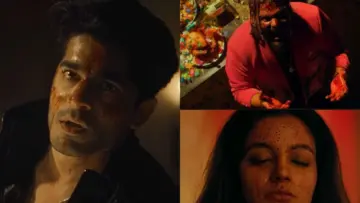
Mumbai, India – October 31, 2026 – The Indian film industry is in deep mourning following the tragic and sudden demise of celebrated director Sanjay Gupta, who passed away yesterday, October 30, 2026, at the age of 57. Known for his gritty and stylishly executed gangster dramas, Gupta left an indelible mark on Bollywood with his distinctive cinematic vision. His untimely death, reportedly due to a grave accident in his bathroom, has sent shockwaves through the fraternity, leaving many to grapple with the profound loss of a filmmaker who consistently pushed boundaries within the genre.
Gupta, a name synonymous with slick action and compelling narratives of the underworld, was the creative force behind a string of critically acclaimed and commercially successful films. His directorial prowess was most prominently showcased in iconic titles such as Aatish (1994), Kaante (2002), Shootout at Lokhandwala (2007), and Shootout at Wadala (2013). These films not only entertained audiences but also redefined the gangster genre in Indian cinema, often drawing parallels to Hollywood’s darker and more intense offerings.
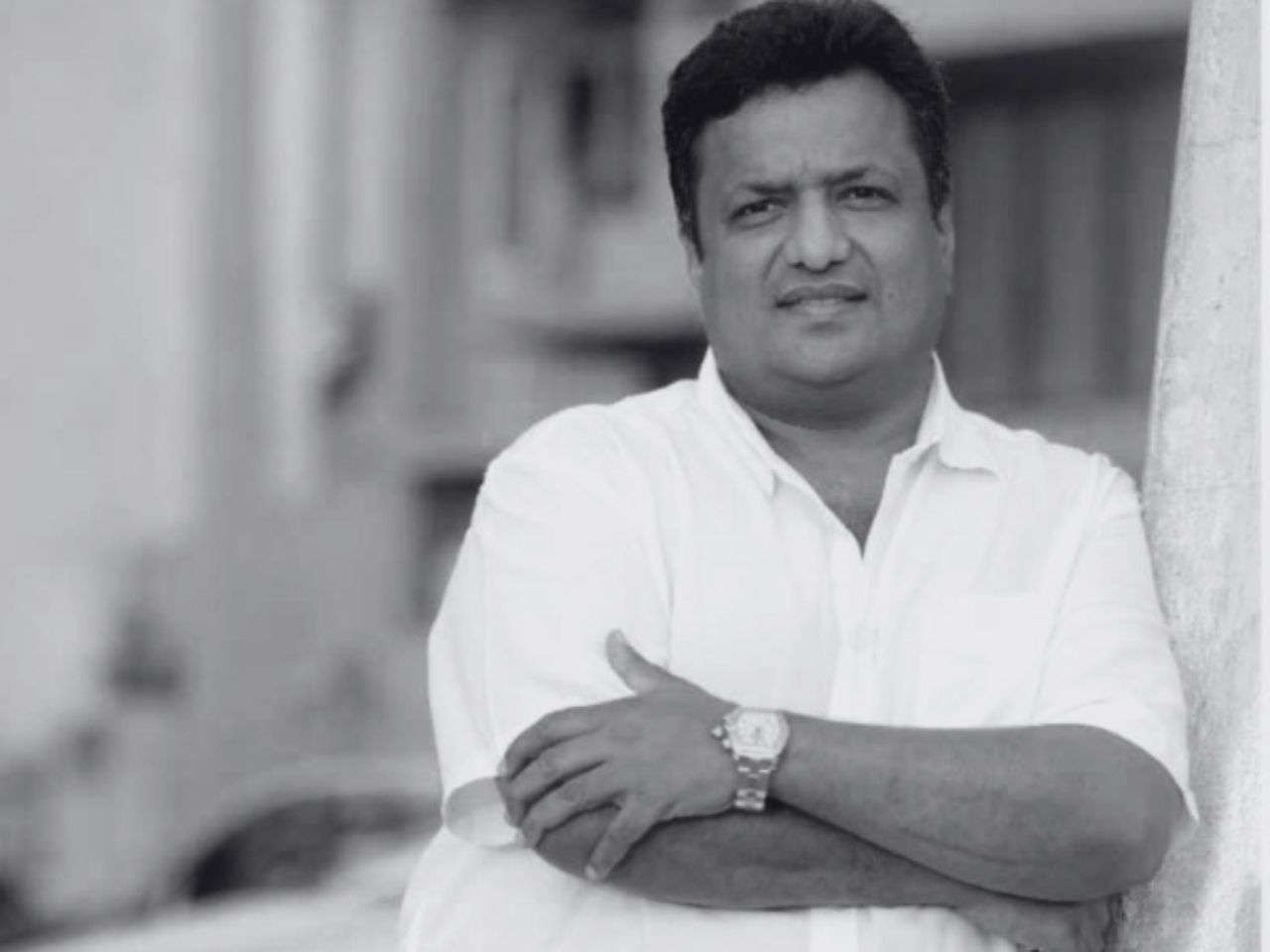
The news of his passing was met with widespread disbelief and sorrow. Sources close to the matter, as reported by Film Information, indicated that Gupta suffered a fatal fall in his bathroom late last night. The unfortunate incident was discovered early this morning, October 31, when he was found to have sustained a severe, life-threatening injury from the fall. While the official cause of death is pending confirmation, the circumstances surrounding his demise have cast a somber shadow over the industry.
This tragic event is particularly poignant given Gupta’s well-documented history of overcoming adversity. Several years prior, the director had a remarkable brush with mortality when he survived a harrowing accident while driving back to Mumbai from Pune. His resilience in the face of such life-threatening situations had always been a testament to his strong spirit, making his sudden departure all the more devastating.
A Master of the Underworld: Tracing Sanjay Gupta’s Cinematic Journey
Sanjay Gupta’s directorial debut, Aatish – Feel the Fire, released in 1994, immediately signaled his arrival as a filmmaker with a unique flair for storytelling. The film, loosely inspired by the classic Amitabh Bachchan and Shashi Kapoor starrer Deewaar, showcased Gupta’s ability to craft engaging narratives with strong character development and a keen eye for dramatic tension. It was a promising start that hinted at the impactful career that lay ahead.
However, it was the ensemble crime thriller Kaante (2002) that truly catapulted Sanjay Gupta into the directorial elite. This ambitious film, a masterful homage and unofficial remake of Quentin Tarantino’s cult classic Reservoir Dogs, also incorporated elements from other influential crime films like The Asphalt Jungle and The Killing, and even Ringo Lam’s City on Fire, which itself was a precursor to Reservoir Dogs. Kaante was a visual spectacle, featuring a star-studded cast including Amitabh Bachchan, Sanjay Dutt, Suniel Shetty, and Akshaye Khanna. Its slick action sequences, stylish presentation, and gripping storyline resonated deeply with audiences, establishing Gupta as a formidable force in the industry and solidifying his reputation for delivering high-octane entertainment.

Following a period that saw a few less successful ventures, including Musafir and Zinda, Gupta made a triumphant return in 2007 with Shootout at Lokhandwala. This gritty gangster drama, based on the real-life encounter of notorious gangster Maya Dolas and his gang in the Lokhandwala residential complex in 1991, was a critical and commercial triumph. The film, featuring an ensemble cast including Sanjay Dutt, Vivek Oberoi, Amitabh Bachchan, and Suniel Shetty, not only garnered significant box office success but also spawned a highly popular franchise. The "Shootout" series became synonymous with Gupta’s ability to blend historical events with cinematic flair, bringing the raw realities of Mumbai’s underworld to the silver screen with an unflinching gaze.
The franchise continued with Shootout at Wadala in 2013, which served as a prequel, focusing on the life and eventual encounter of gangster Manya Surve, portrayed by John Abraham. This film further cemented Gupta’s mastery of the genre, showcasing his consistent ability to deliver compelling narratives that captivated audiences. It was after Shootout at Lokhandwala that Gupta also established his own production house, White Feather Films, which went on to produce all his subsequent directorial projects, underscoring his growing independence and creative control.

Beyond Gangsters: Exploring Gupta’s Diverse Filmography
While Sanjay Gupta carved a niche for himself in the gangster genre, his directorial acumen extended beyond the confines of underworld dramas. In 2017, he helmed Kaabil, starring Hrithik Roshan and Yami Gautam. Despite a formidable box office clash with Shah Rukh Khan’s Raees, Kaabil emerged as a significant commercial success, demonstrating Gupta’s versatility and his ability to deliver engaging romantic thrillers with strong emotional cores. This film was, in fact, his biggest commercial hit, showcasing his broad appeal as a filmmaker.
His most recent directorial venture, Mumbai Saga, released in 2021, saw him return to his roots with a star-studded cast including John Abraham and Emraan Hashmi. The film, set in the backdrop of Mumbai’s changing landscape in the 1980s and 90s, aimed to capture the essence of the era’s gangster culture. However, it did not achieve the expected commercial success, a rare stumble in an otherwise distinguished career.

A Legacy of Style and Substance
Sanjay Gupta’s filmmaking was characterized by a distinctive visual style, often featuring slick cinematography, pulsating background scores, and a penchant for stylish action sequences. He had a remarkable ability to adapt complex Hollywood narratives into palatable and engaging Bollywood blockbusters, infusing them with an Indian sensibility that resonated with local audiences. His films often explored themes of loyalty, betrayal, ambition, and the blurred lines between good and evil, reflecting the harsh realities of the criminal underworld with a dramatic flair.
His influence on the gangster genre in Bollywood is undeniable. He brought a new level of grit and realism, coupled with a sophisticated aesthetic, that set his films apart. He was often compared to Ram Gopal Varma, another director who revolutionized the genre, but Gupta carved his own unique path, developing a signature style that was instantly recognizable.

Tributes Pour In: A Collective Grief
The news of Sanjay Gupta’s passing has been met with an outpouring of grief and tributes from across the film fraternity. Directors, actors, producers, and technicians who had the privilege of working with him have shared their fond memories and expressed their profound sadness.
Filmmaker Anurag Kashyap, known for his own contributions to crime cinema, took to social media to express his shock, stating, "Devastated to hear about Sanjay Gupta. A true visionary and a master storyteller. His contribution to Bollywood, especially the gangster genre, will never be forgotten. Rest in peace, Sanjay."

Actor Sanjay Dutt, who starred in several of Gupta’s most iconic films, including Kaante and Shootout at Lokhandwala, shared a heartfelt tribute: "Sanjay was more than a director; he was a friend, a brother. His passion for filmmaking was infectious, and he had an unparalleled ability to bring stories to life. The world of cinema has lost a true gem. My deepest condolences to his family and loved ones."
Actress Esha Deol, who worked with Gupta in Dus and Cash, commented, "Sanjay Gupta was a powerhouse of talent. He had an incredible vision and brought so much energy to his sets. I learned so much from him. This is a heartbreaking loss for all of us."

The Indian Film & Television Directors’ Association (IFTDA) released a statement mourning Gupta’s demise, highlighting his significant contributions to Indian cinema and expressing their solidarity with his grieving family. The association lauded his courage and dedication to his craft, emphasizing the void his absence will create.
The Road Ahead: A Look at Funeral Arrangements and Legacy
Details regarding Sanjay Gupta’s funeral arrangements are expected to be shared by his family in the coming days. The film fraternity is likely to gather in large numbers to pay their last respects to the filmmaker who shaped a significant chapter of Bollywood’s cinematic history.

Sanjay Gupta’s legacy is not merely confined to the box office collections of his films; it lies in the indelible mark he left on the gangster genre, the careers he helped launch, and the cinematic experiences he provided to millions of viewers. His ability to translate raw, urban narratives into visually stunning and emotionally resonant films will continue to inspire aspiring filmmakers. While his untimely departure leaves a void that will be difficult to fill, the impact of his work will undoubtedly endure, ensuring that his stories and his vision continue to live on in the annals of Indian cinema. The loss of Sanjay Gupta at such a relatively young age is a stark reminder of life’s fragility, prompting reflection on the creative forces that shape our cultural landscape and the profound impact they leave behind.