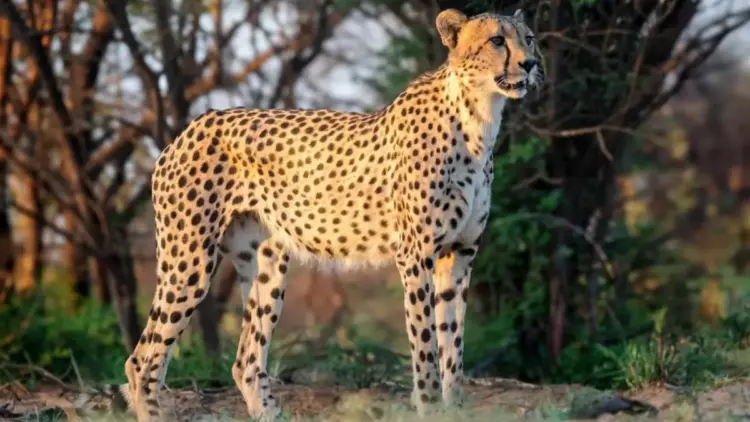
The ambitious and high-stakes effort to reintroduce the cheetah to the Indian landscape faced a somber milestone on October 27, 2026. A 19-month-old India-born male cheetah, identified as KNG22, succumbed to injuries sustained from firearm pellets at a specialized veterinary facility in Jabalpur. The cub, an offspring of the South African cheetah Nirva, represented the second generation of a species once declared extinct in India in 1952. His death has not only triggered a high-level federal investigation but has also reignited a national debate regarding the viability of "Project Cheetah" in a landscape increasingly defined by human-wildlife conflict and fragmented habitats.
Main Facts: A Violent End for an India-Born Cub
The death of KNG22 is particularly significant because he was among the first generation of cheetahs born on Indian soil following the historic translocation of big cats from Namibia and South Africa. Born to Nirva, a six-year-old female brought from South Africa, KNG22 was seen as a symbol of the project’s success in establishing a breeding population.
However, the reality of life outside the strictly monitored enclosures of Kuno National Park proved fatal. The cub was discovered on October 25, 2026, in a severely debilitated state within the territorial forests of the Morena district. This area lies outside the protected boundaries of Kuno, highlighting the tendency of young males to wander into human-dominated landscapes as they seek to establish their own territories.
Initial medical assessments revealed a grim picture. The cheetah had been targeted with a firearm, and five pellets were eventually recovered from his body during emergency surgery. The injuries were extensive, affecting the cub’s internal organs, musculoskeletal structure, and nervous system. Despite the mobilization of top-tier veterinary resources in Jabalpur, the damage proved irreversible.
Chronology of the Incident: From Discovery to Demise
The timeline of events surrounding KNG22’s death underscores the rapid escalation of the crisis and the intensive efforts made by authorities to save the animal.
October 25, 2026: The Discovery
The crisis began on the morning of October 25 when field staff of the Madhya Pradesh Forest Department located KNG22 in Compartment No. 748 of the Sheopur Territorial Forest Division. The cub was unable to move effectively and showed signs of extreme distress. It was immediately apparent that he had sustained traumatic injuries, though the nature of the "foreign bodies" was not yet confirmed.
October 25–26, 2026: Emergency Transit and Diagnosis
Recognizing the severity of the situation, forest officials coordinated an emergency transfer to the Department of Veterinary Surgery and Radiology at Nana Ji Deshmukh Veterinary Science University (NDVSU) in Jabalpur. Upon arrival, the medical team utilized advanced diagnostic tools, including X-rays and a subsequent CT scan. These scans revealed multiple metallic fragments lodged deep within the cheetah’s body, causing systemic trauma.
October 26, 2026: Surgical Intervention
A team of specialist veterinarians performed emergency surgery to remove the projectiles and repair internal damage. During this procedure, five firearm pellets were extracted. The presence of these pellets confirmed that the cheetah had been shot, though the motive—whether poaching, a retaliatory strike by villagers, or an accidental encounter—remained unclear.
October 27, 2026: The Loss
Despite 48 hours of intensive veterinary care, the cheetah’s condition deteriorated. The internal organ damage and the shock to the nervous system were too great for the young cub to overcome. At 19 months old, KNG22 was declared dead, marking a painful loss for the conservationists who had monitored him since birth.
Supporting Data: The Current Status of Project Cheetah
The death of KNG22 brings the total number of cheetahs in India to 58. While the project has seen several births over the last year, the mortality rate among both imported adults and India-born cubs remains a point of concern for international and domestic experts.
According to a press note issued by Sameeta Rajora, Principal Chief Conservator of Forests and Chief Wildlife Warden of Madhya Pradesh, the current distribution of the population is as follows:
- Kuno National Park (KNP): 52 cheetahs (including adults and surviving cubs).
- Gandhi Sagar Wildlife Sanctuary: 4 cheetahs.
- Veerangana Durgavati Tiger Reserve (VDTR): 2 cheetahs.
Project Cheetah was launched with the goal of establishing a self-sustaining population of 35 to 40 cheetahs over the next decade. While the birth of cubs like KNG22 suggests that the animals are adapting biologically to the Indian climate and prey base, the human element remains the most unpredictable variable. The fact that KNG22 was found in a "territorial forest"—land that is often used by local communities for grazing and transit—highlights the lack of a "buffer zone" that can safely accommodate the wide-ranging nature of the cheetah.

Official Responses: A Multi-Agency Investigation
The gravity of a cheetah being killed by gunfire has prompted an immediate and multifaceted response from both the state and central governments. Because the cheetah is a high-profile "Schedule I" species under the Wildlife Protection Act, the incident is being treated as a major wildlife crime.
Federal Intervention
The Union government has deputed a high-level team to conduct a ground-level investigation. This team includes:
- The Inspector General of Forests.
- The National Tiger Conservation Authority (NTCA).
- The Additional Director of the Wildlife Crime Control Bureau (WCCB).
- The Regional Deputy Director of the WCCB.
The involvement of the WCCB is particularly telling; it suggests that authorities are looking into potential poaching networks or organized hostility toward the reintroduction project.
State-Level Action
In tandem with the federal probe, the Madhya Pradesh government has constituted a Special Task Force (STF). This task force is unique in that it integrates both forest department experts and police officers. Their mandate is to sweep the Morena and Sheopur districts, interview local villagers, and identify the weapon used in the shooting.
Sameeta Rajora’s office emphasized that no effort would be spared in bringing the perpetrators to justice. "The loss of an India-born cheetah to human intervention is a serious setback," the department noted, emphasizing that the project’s success depends on the safety of the animals when they exit protected boundaries.
Implications: Conflict, Coexistence, and the Future of the Species
The death of KNG22 is not an isolated incident of friction between the cheetahs and the local population. It occurs against a backdrop of increasing anxiety among the rural communities surrounding Kuno National Park.
The Human-Wildlife Conflict Factor
On the very same day KNG22 was found injured (October 25), reports emerged from Bamori village in the Sheopur district that two other cheetahs had entered a cattle shed. In a harrowing encounter, the predators killed two calves while the owners slept only a few meters away. Such incidents have spread panic across the region. For villagers whose livelihoods depend on livestock, the cheetah is often seen not as a conservation success story, but as a direct threat to their economic security.
The Challenge of "Exploring the Wild"
As young males like KNG22 reach maturity, their natural instinct is to disperse and find new territories. Unlike the fenced reserves of South Africa, the Indian landscape is a patchwork of villages, agricultural fields, and fragmented forests. When a cheetah "explores," it inevitably crosses paths with humans. If the local population perceives the animal as a threat to their lives or livestock, the risk of "retaliatory killing" skyrockets. The use of pellet guns or local firearms is a common, albeit illegal, method used by farmers to ward off predators.
Strategic Adjustments Needed
Experts suggest that the death of KNG22 may force a rethink of the project’s management strategy. Possible shifts include:
- Enhanced Community Engagement: Moving beyond simple compensation for livestock loss to active "social fencing," where villagers are stakeholders in the cheetah’s survival.
- Expansion of Protected Habitats: Accelerating the preparation of alternative sites like Gandhi Sagar to reduce the density and pressure on Kuno.
- Real-time Monitoring Improvements: While many cheetahs are collared, the delay between an animal entering a "danger zone" and forest department intervention remains a critical gap.
Conclusion
The journey of Project Cheetah has been one of extreme highs and devastating lows. From the spectacle of the first transcontinental translocation to the joy of the first cubs born on Indian soil, the project has captured the world’s imagination. However, the death of KNG22 serves as a stark, violent reminder of the obstacles that remain.
The recovery of five pellets from the body of a 19-month-old cub is more than a veterinary tragedy; it is a signal that the "human" part of the conservation equation requires as much attention as the "biological" part. As the NTCA and WCCB conduct their investigations, the future of the remaining 58 cheetahs hangs in a delicate balance between the wild instincts of the species and the tolerance of the people who share their land. For KNG22, the dream of a wild life in India ended in a Jabalpur surgery room, but for his kin, his death may provide the hard lessons necessary to ensure their survival in an increasingly crowded world.