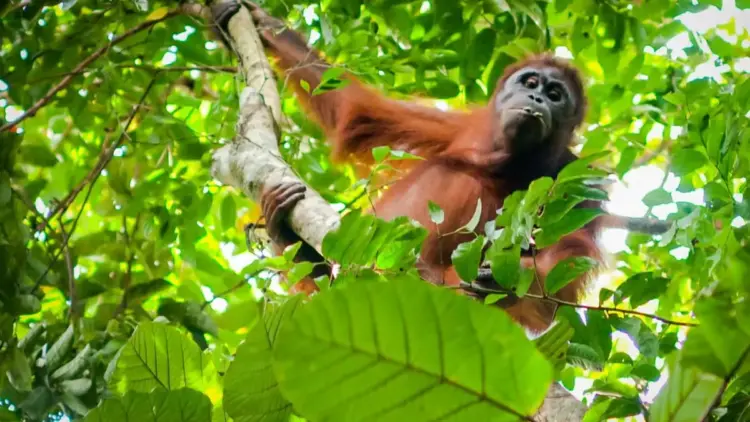
MUMBAI, India — In a milestone for international wildlife conservation and diplomatic cooperation, an infant orangutan, rescued from the confines of a suburban Mumbai apartment two years ago, is finally scheduled to return to his ancestral home in Indonesia. On October 19, 2026, the juvenile primate will board a flight from India, marking the first successful repatriation of a seized CITES-listed (Convention on International Trade in Endangered Species of Wild Fauna and Flora) animal from Indian soil.
This high-stakes operation is the culmination of years of bilateral negotiations, logistical planning, and intensive veterinary care. It serves as a stark reminder of the burgeoning illegal wildlife trade that treats some of the world’s most endangered species as mere commodities for the exotic pet market.
The Journey Home: Main Facts and Significance
The repatriation of the young orangutan represents a significant victory for the Assistant Management Authority of CITES in Mumbai. According to Yogesh Nilkand Warkad, who has been overseeing the Indian side of the operation, the process was fraught with procedural hurdles and health complications that delayed the animal’s return for several months.
"This is a landmark case," Warkad stated. "My office did everything in our capacity to ensure that the legal and biological requirements were met. It sets a precedent for how India handles the seizure and subsequent return of exotic, endangered species to their range countries."
The infant, estimated to be around three years old now, was a victim of a sophisticated smuggling network that brings non-human primates from Southeast Asia into the Indian interior. His return to Indonesia is not just a win for one individual animal, but a symbolic strike against the criminal syndicates that profit from the destruction of biodiversity.

Chronology: From a Mumbai Flat to the Sumatran Rainforest
The saga began in late 2024 when wildlife authorities and local police conducted a raid on a 3-BHK (three-bedroom) apartment in Palava, Dombivli, a bustling residential hub in the Mumbai Metropolitan Region. Expecting to find routine contraband, officials were instead met with the heartbreaking sight of a one-year-old orangutan infant and several endangered reptiles living in domestic conditions entirely unsuitable for their survival.
The Initial Seizure and Stabilization
Upon his rescue, the infant was in a fragile state. Deprived of his mother’s milk and the social structure of a wild troop, he was initially transferred to the Gorewada Zoo in Nagpur, Maharashtra. This move was made in consultation with the then Chief Wildlife Warden, Vivek Khandekar. However, the transition was difficult. At the age of 18 months, the orangutan developed a severe respiratory infection—a common and often fatal ailment for young primates exposed to human pathogens and fluctuating climates.
Rehabilitation at Vantara
Recognizing the need for specialized, long-term care, authorities moved the infant to the Vantara zoo and rehabilitation center in Jamnagar, Gujarat. Vantara, known for its state-of-the-art veterinary facilities and primate-specific enclosures, provided the environment necessary for the infant to recuperate. Under the care of specialists, the orangutan’s health stabilized, and he began the slow process of physical recovery, gaining the strength required for an international flight.
Diplomatic Breakthroughs
While the animal recovered physically, a "paperwork war" ensued between New Delhi and Jakarta. Repatriating a CITES Appendix I animal requires rigorous proof of origin, health certifications, and the assurance of a suitable facility in the home country. The process gained significant momentum following an international outcry over a separate incident in Odisha, where five baby orangutans were found abandoned. This secondary crisis catalyzed both governments to fast-track the Mumbai juvenile’s return.
Supporting Data: The Rising Tide of Primate Smuggling
The Mumbai case is not an isolated incident but part of a worrying trend. India has increasingly become a destination and a transit hub for exotic wildlife, particularly primates and macaws.
- Smuggling Routes: Data suggests that the majority of these animals enter India via air routes from Southeast Asian hubs like Malaysia and Thailand. Porous borders and the rising demand for "status-symbol" pets among India’s affluent urban population have fueled the trade.
- The Cost of Capture: Conservationists point out a grim reality: for every infant orangutan that reaches a buyer’s living room, it is almost certain that its mother was killed. Orangutan mothers are fiercely protective and will not relinquish their young voluntarily.
- Conservation Status: Both Bornean and Sumatran orangutans are listed as Critically Endangered by the IUCN. With habitat loss due to palm oil plantations and illegal logging, every individual lost to the pet trade represents a significant blow to the genetic viability of the wild population.
Official Responses: Bilateral Cooperation and Future Goals
Indonesian authorities have expressed a mixture of relief and resolve. Panut Hadisiswoyo, the founder of the Orangutan Information Centre (OIC), has been a key figure in coordinating the return.

"We have been preparing for this moment for the last two years," Hadisiswoyo told Mongabay-India. He noted that the Sumatra Rescue Alliance (SRA) is fully prepared to receive the juvenile. "The international attention on the five babies abandoned in Odisha definitely helped push the Mumbai case forward. We approached the Indian authorities with renewed urgency after that incident."
Hadisiswoyo is optimistic about the Mumbai juvenile’s future. Unlike many captive animals that become too habituated to humans, this young male is believed to be a prime candidate for "rewilding."
"He can certainly be rewilded," Hadisiswoyo added. "We have successfully rehabilitated sub-adults in the past. It is a long process, but it is entirely possible."
Sinan Serhadli, a conservation scientist and adviser to the Yayasan Orangutan Sumatera Lestari-Orangutan Information Centre (YOSL-OIC), explained the technicalities of the next phase. "Upon arrival, the infant will undergo a mandatory quarantine period. Following that, he will be enrolled in a ‘Jungle School.’ This is where he will learn the skills his mother would have taught him: how to climb safely, how to identify and process forest foods, and how to build nests for the night."
Implications: Setting a Precedent for Wildlife Justice
The successful repatriation of the Mumbai orangutan carries profound implications for the future of wildlife law enforcement in South Asia.
1. A Model for Future Cases
The five baby orangutans currently held at Nandankanan Zoological Park in Odisha are the next priority. An Indonesian delegation consisting of seven experts, including veterinarians and specialists, is expected to visit India shortly to assess their health and origins. The Mumbai case provides the legal and logistical blueprint for their eventual return.

2. Ethical and Welfare Concerns
The case has sparked a national conversation in India regarding the ethics of exotic pet ownership. Unlike domestic animals, primates have complex social and psychological needs that cannot be met in a human household. The respiratory issues suffered by the infant in this case highlight the biological vulnerability of these animals when removed from their natural environments.
3. Strengthening CITES Enforcement
The Assistant Management Authority of CITES in Mumbai has signaled that this operation is a warning to traffickers. By going through the arduous process of repatriation rather than simply keeping the animal in an Indian zoo, the government is sending a message that "stolen" wildlife belongs to its country of origin.
4. The Call for Global Vigilance
Indonesian officials are using this moment to call for stricter international controls. "We demand that processes are in place to combat the international illegal wildlife trade at every step—from the forests where they are taken to the countries where they are sold," Hadisiswoyo emphasized.
Conclusion: A Second Chance at Wildness
As the October 19 departure date approaches, the infant orangutan remains under close observation. His journey from a cramped Mumbai apartment to the lush, verdant canopy of Sumatra is a rare success story in the often-bleak world of wildlife trafficking.
While it will take approximately four years of "Jungle School" before he can be fully released into the wild, his return to Indonesia represents more than just the movement of a single animal. It is a testament to the fact that when international borders, bureaucratic red tape, and medical challenges are met with persistent diplomatic and conservationist will, justice can be served for the most vulnerable inhabitants of our planet.
For the juvenile orangutan, the sounds of Mumbai traffic will soon be replaced by the calls of the rainforest—a homecoming two years in the making.