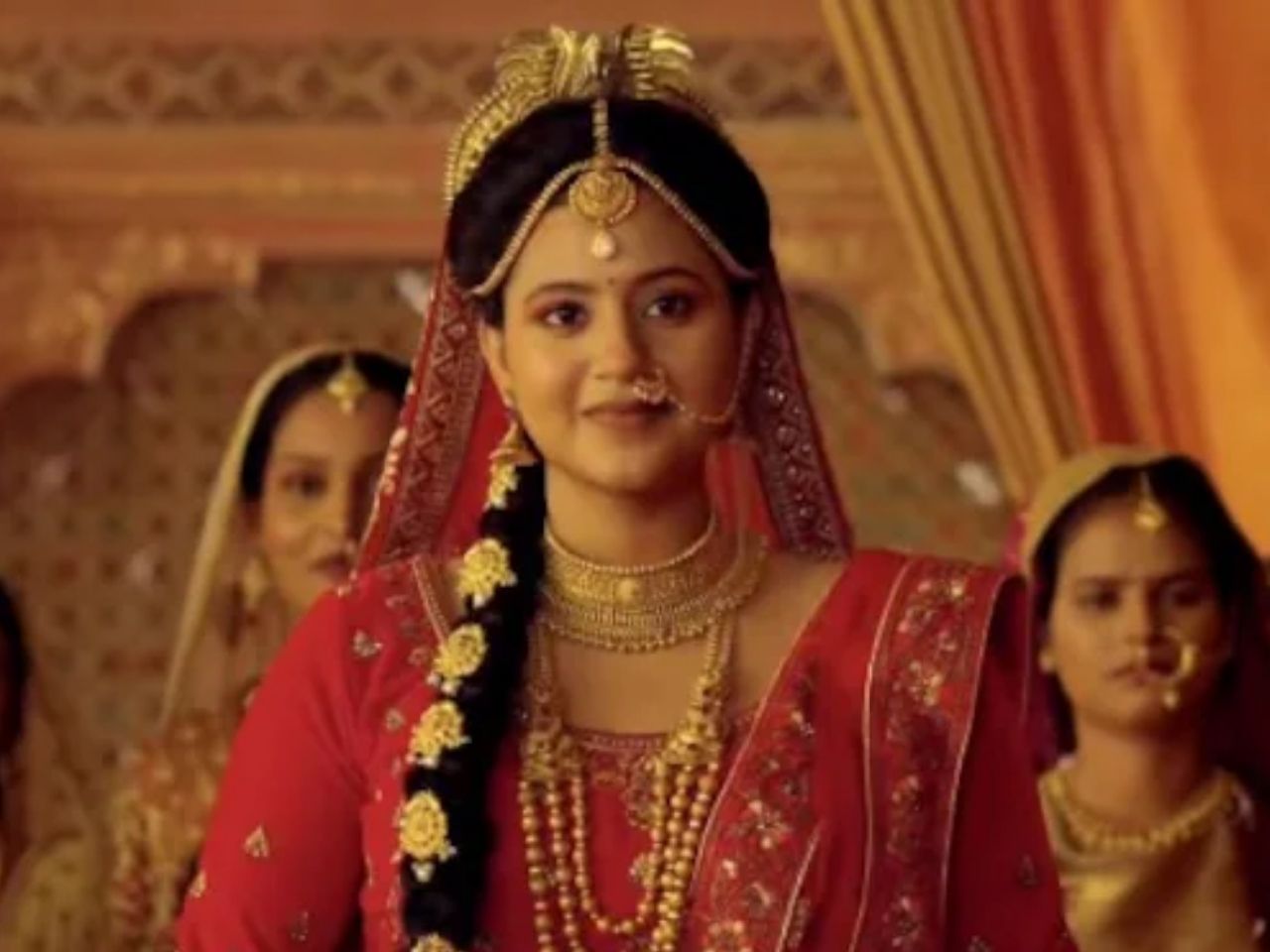
New Delhi, India – September 5, 2026 – The cinematic reimagining of the timeless epic, "Mahakavya Shri Ramayan Katha," continues to be a focal point of discussion, not just for its ambitious scale but also for the fervent debates surrounding its casting and production. Following the initial mixed-to-negative reception of its teaser, the filmmakers have unveiled a new song, "Ram Ji Ki Sena," aiming to re-engage audiences with the devotional spirit of the narrative. Simultaneously, Anjali Arora, who embodies the pivotal role of Goddess Sita, has spoken candidly about the immense responsibility and personal journey involved in portraying such a revered deity, acknowledging the inherent challenges and the weight of public expectation.
The release of "Ram Ji Ki Sena" arrives at a crucial juncture for the film. While the teaser ignited a firestorm of online criticism, particularly regarding Arora’s casting, the new musical offering seeks to shift the narrative back to the core devotional and epic elements of the Ramayana. The song is described as a powerful depiction of faith, courage, unity, and the unwavering determination of Lord Rama’s Vanara Sena as they embark on their formidable journey towards Lanka. It delves into the trials and triumphs of building the Ram Setu, with the chant of "Ram Naam" serving as the emotional and energetic anchor.
The Unfolding Narrative: From Teaser Backlash to Musical Resurgence
The journey of "Mahakavya Shri Ramayan Katha" from its inception to its impending release has been anything but smooth. The initial promotional material, including the teaser, was met with a significant backlash on social media platforms. A substantial segment of the online audience expressed disappointment and skepticism, with many questioning the creative choices made by the production team, particularly the selection of Anjali Arora, known for her presence in viral social media trends like "Kaccha Badam," for the role of Mata Sita. This criticism highlighted a perceived disconnect between the perceived persona of the actress and the profound sanctity associated with the character of Sita.
In response to this growing sentiment, the filmmakers have strategically released "Ram Ji Ki Sena." This new song aims to showcase the grandeur and devotional fervor that the film intends to convey. The lyrical content and visual representation are designed to evoke a sense of divine power, collective endeavor, and unwavering faith, mirroring the spirit of the epic itself. The song’s focus on the Vanara Sena’s journey and their unwavering devotion to Lord Rama serves as a direct appeal to the audience’s appreciation for the core tenets of the Ramayana.
)
Anjali Arora’s Devotional Endeavor: Embracing the Mantle of Mata Sita
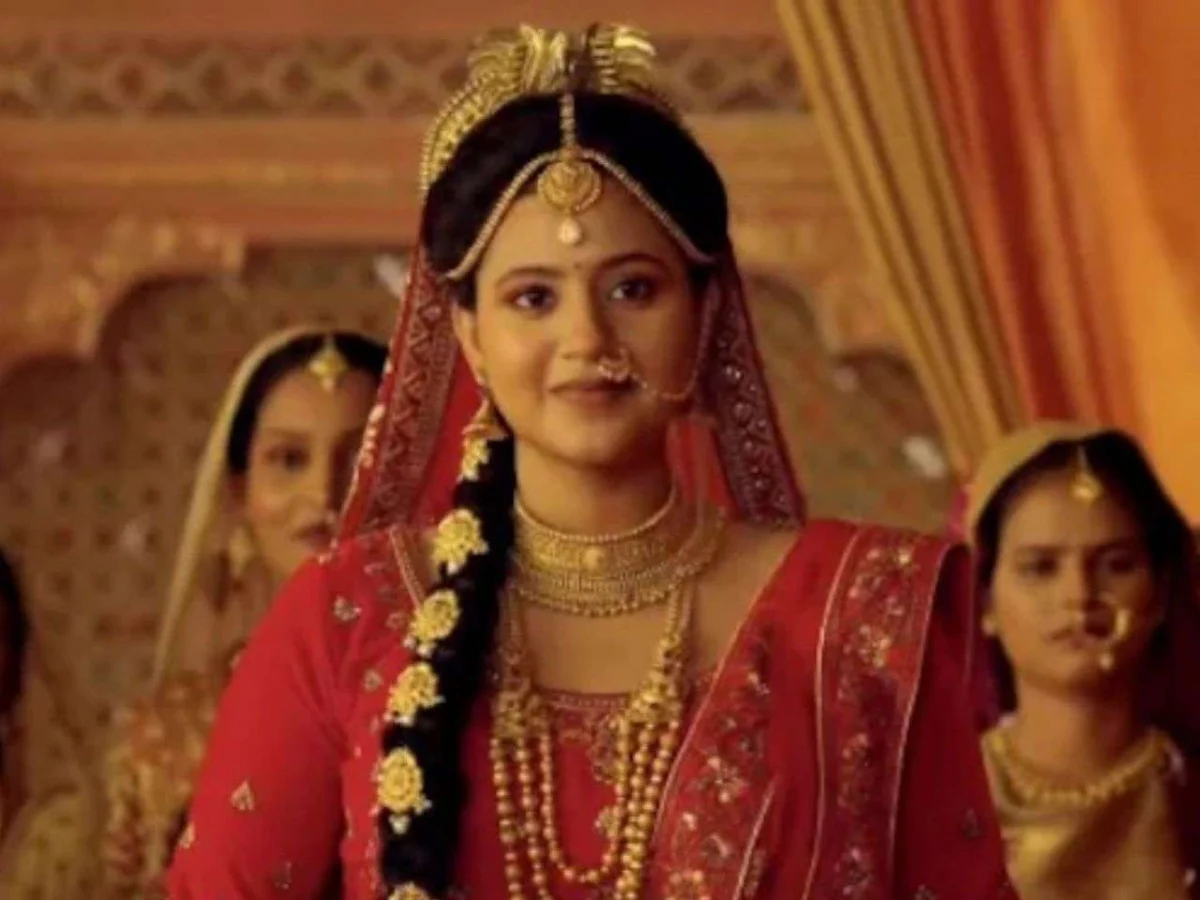
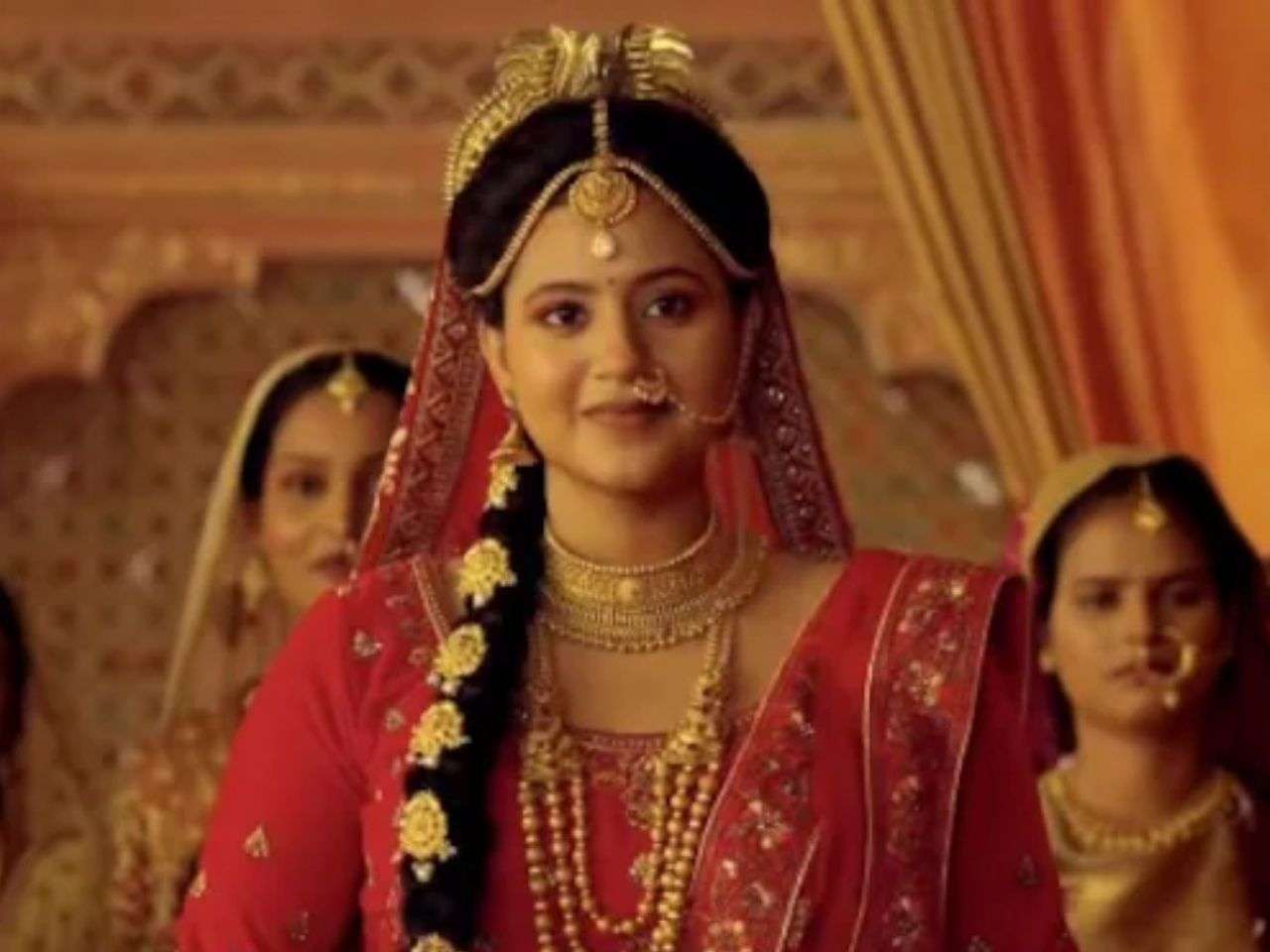
Amidst the prevailing controversy, Anjali Arora has offered a deeply personal perspective on her portrayal of Mata Sita. Her statements reveal a conscious and deliberate approach to inhabiting such a sacred character, one that extends far beyond the superficial judgments often levied in the digital age. Arora emphasized that playing Mata Sita has been an "emotional and responsible journey" in her life, underscoring the profound significance she attributes to the role.
"She represents immense strength, dignity, patience, and faith," Arora stated, highlighting the multifaceted nature of Sita’s character. "Her love for Shri Ram is profound, but what inspires me equally is her inner courage and the grace with which she faces every trial." This introspection suggests that Arora has delved deep into the spiritual and emotional complexities of Sita, aiming to capture not just her external trials but also her internal fortitude and unwavering devotion.

Crucially, Arora revealed her awareness of the challenges from the outset. "I knew from the beginning that this character had to be approached with complete respect and sincerity," she asserted. This foresight indicates a proactive effort to mitigate potential misinterpretations and to ensure that her portrayal would be a tribute rather than a trivialization of the divine figure. She expressed her hope that the audience would recognize the "devotion and effort with which we have tried to bring her to the screen." Her earnest plea for the audience to connect with the song and, by extension, the film’s essence, underscores the personal investment she has made in this ambitious project.
Chronology of Events: A Staggered Rollout Amidst Rising Tensions
The release strategy for "Mahakavya Shri Ramayan Katha" appears to be a carefully orchestrated, albeit challenging, dance between promotion and public perception management.
)
- Early Stages: The initial announcement of the project and the commencement of production likely generated a degree of anticipation, given the enduring popularity of the Ramayana narrative in Indian culture.
- Teaser Release: The unveiling of the film’s teaser marked the first major public engagement. This phase, however, was characterized by a swift and significant negative reaction across social media and online forums. The casting of Anjali Arora became a primary point of contention, with many deeming it an inappropriate choice for the role of Mata Sita.
- Song Release: "Ram Ji Ki Sena": In direct response to the teaser’s reception and in an effort to refocus attention on the film’s devotional and epic themes, the makers released the song "Ram Ji Ki Sena." This move represents a strategic pivot to highlight the narrative’s core strengths and devotional resonance.
- Lead Actress’s Statement: Anjali Arora’s candid and heartfelt statement regarding her approach to playing Mata Sita serves as a crucial counter-narrative to the online criticism. It aims to humanize the actress and emphasize her commitment to a respectful and sincere portrayal.
- Behind-the-Scenes Revelation: The filmmakers have also released behind-the-scenes footage and information, emphasizing the film’s commitment to authenticity by showcasing actual shooting locations in Chitrakoot, Bastar, Chhattisgarh. This move seeks to bolster the film’s credibility and production value.
- Upcoming Release: The film is slated for a theatrical release on September 25, 2026, a date that will ultimately determine whether the promotional efforts and the film itself can overcome the initial controversy.
Supporting Data and Production Insights: A Foundation of Authenticity
Beyond the controversy, "Mahakavya Shri Ramayan Katha" boasts several production elements that aim to lend it gravitas and authenticity. The filmmakers have highlighted a commitment to real-location shooting, a practice that can significantly enhance the visual storytelling and immersive quality of a historical or epic film.
The decision to shoot the film and its songs simultaneously in both Hindi and Chhattisgarhi is a notable aspect of the production. This bilingual approach suggests a desire to cater to a broader audience within India and potentially to preserve the regional linguistic nuances of the story. Rather than opting for a post-production dubbing process for the Chhattisgarhi version, the simultaneous filming indicates a more integrated and authentic approach to production, potentially allowing for a richer cultural resonance.
)
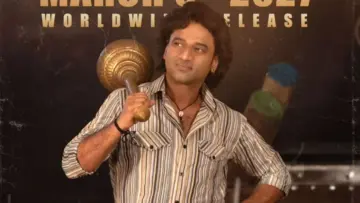
Recent behind-the-scenes (BTS) videos have provided glimpses of the shooting locations, featuring actors Dev Sharma and Anjali Arora amidst the natural landscapes of Chitrakoot, Bastar, Chhattisgarh. These visuals are intended to showcase the film’s commitment to capturing the essence of the epic’s setting and to underscore the scale and ambition of the production. Such BTS content often serves to build anticipation and to offer a more tangible connection to the filmmaking process for the audience.
The film’s ensemble cast includes Dev Sharma as Shri Ram, Sheel Verma as Lakshman, Nirbhay Wadhwa as Hanuman, and Rajniesh Duggal as Ravan, alongside Anjali Arora as Mata Sita. This lineup features a mix of established actors and those looking to make a significant mark, all tasked with bringing these iconic characters to life. The choice of actors, particularly for the central figures, inevitably plays a crucial role in audience perception and acceptance.
)
Official Responses and Perspectives: A Measured Approach to Criticism
The primary official response to the controversy has come through the filmmakers’ strategic release of the song "Ram Ji Ki Sena" and, more directly, through Anjali Arora’s personal statements.
The decision to release a devotional song like "Ram Ji Ki Sena" can be interpreted as an attempt to reframe the narrative around the film’s intended spiritual and epic tone, thereby attempting to draw attention away from the casting debates. It’s a common strategy in the film industry to highlight the musical or emotional aspects of a project when faced with critical headwinds.
)
Anjali Arora’s candid interview serves as a more direct form of response. By articulating her deep respect for the character of Sita and her conscious approach to the role, she aims to preemptively address criticisms and to showcase her commitment to a sincere portrayal. Her emphasis on the "respect and sincerity" required for the character suggests an understanding of the cultural and religious sensitivities involved. Her statement can be seen as an effort to build empathy with the audience and to encourage them to look beyond her previous public image.
The filmmakers themselves have largely remained measured in their public statements, allowing the content – the song and BTS footage – to speak for itself. This approach often aims to avoid further fueling online debates and instead focus on showcasing the film’s artistic and production merits. The overall strategy appears to be one of patience and persistence, betting on the film’s eventual release and its ability to connect with audiences on its own terms.
)
Implications and the Road Ahead: Navigating the Digital Deluge
The controversy surrounding "Mahakavya Shri Ramayan Katha" is emblematic of the challenges faced by filmmakers in the digital age, where initial reactions can be amplified exponentially through social media. The casting of established social media personalities in roles of immense cultural and religious significance often invites intense scrutiny.
The film’s success will likely depend on several factors:
)
- Audience Reception to "Ram Ji Ki Sena": The impact of the new song will be a key indicator of whether the filmmakers can shift public perception and generate positive buzz. A strong reception could signal a re-engagement with the film’s core themes.
- Anjali Arora’s Performance: Ultimately, the success of Arora’s portrayal of Mata Sita will be judged by her performance on screen. Her commitment, as expressed in her statements, will need to translate into a compelling and respectful depiction.
- Overall Film Quality: Beyond casting and individual performances, the film’s direction, screenplay, cinematography, and thematic execution will be paramount. A well-crafted and emotionally resonant film has the potential to overcome initial reservations.
- Balancing Devotion and Entertainment: The Ramayana is a sacred text for millions. The film’s ability to strike a balance between honoring its devotional aspects and providing an engaging cinematic experience will be crucial for its broad appeal.
- The Power of the Narrative: The enduring appeal of the Ramayana narrative itself is a significant asset. If the film can tap into the timeless themes of good versus evil, dharma, and devotion, it may find a receptive audience.
As "Mahakavya Shri Ramayan Katha" inches closer to its release date, the industry and audiences will be watching closely to see if it can navigate the turbulent waters of public opinion and emerge as a significant cinematic rendition of one of India’s most beloved epics. The journey from controversy to critical acclaim is a challenging one, but for this ambitious project, it remains a possibility.