

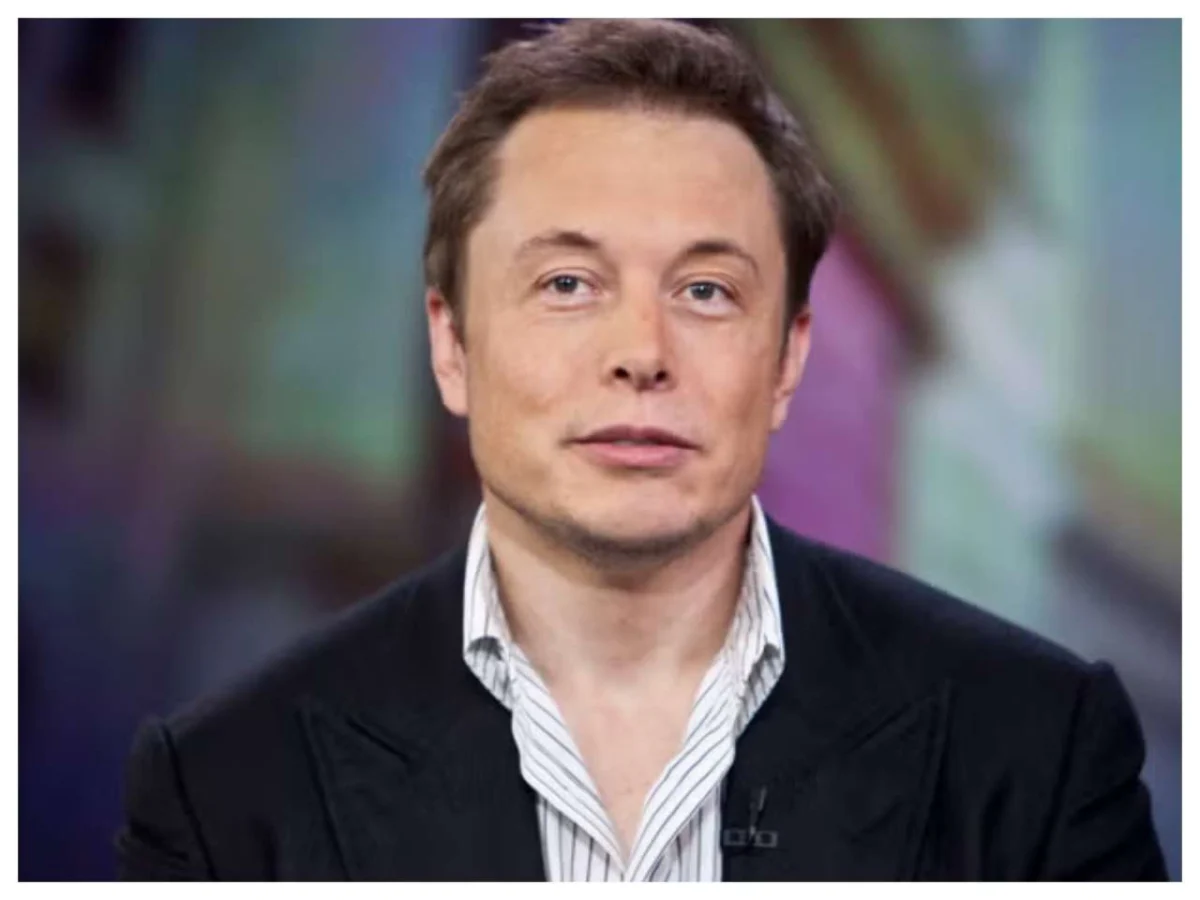
SEATTLE, WA – In a move that sent ripples through the global technology sector, billionaire entrepreneur Elon Musk has emphatically denied widespread reports suggesting that his aerospace company, SpaceX, is secretly developing an AI-powered smartphone. Dismissing the claims as "utterly false," Musk’s direct refutation on his social media platform, X (formerly Twitter), aimed to quash growing speculation about a potential foray into consumer electronics by the space exploration giant.
The reports, which had gained significant traction across tech news outlets and investor forums, painted a picture of a sophisticated device leveraging advanced artificial intelligence from Musk’s xAI venture, potentially featuring a compact design, Qualcomm Snapdragon chips, and a custom operating system. The purported motivation behind such a device was seen as a strategic expansion for SpaceX, possibly intended as a showcase for investors ahead of a future initial public offering (IPO) or as a new frontier for its Starlink satellite internet service. However, Musk’s unequivocal denial has, for the time being, grounded these ambitious projections.
Main Facts: The Swift Denial of a High-Tech Rumour
Speculation regarding a SpaceX-developed, AI-enabled smartphone had reached a fever pitch in recent weeks. Tech enthusiasts and industry analysts alike were abuzz with the prospect of a device that could redefine the boundaries of consumer technology, combining cutting-edge AI capabilities with the innovative ethos of Elon Musk’s companies. The alleged features of this phantom device were compelling: a sleek form factor, potentially even thinner than Apple’s iPhone, powered by industry-standard Qualcomm Snapdragon processors, and running on a bespoke operating system. Crucially, it was believed to integrate AI technologies directly from xAI, Musk’s artificial intelligence company responsible for the Grok chatbot.
The narrative suggested that such a device would not only serve as a powerful personal assistant but also potentially offer seamless integration with SpaceX’s Starlink satellite internet, bridging terrestrial and orbital communication in an unprecedented manner. The strategic rationale was clear: a diversification beyond its core space launch and satellite internet services, potentially opening up new revenue streams and cementing SpaceX’s position as a multifaceted technology powerhouse.
)
However, the excitement was abruptly curtailed by Elon Musk himself. Utilizing his preferred communication channel, X, Musk addressed the rumours directly and unequivocally. His statement, "utterly false," left no room for ambiguity, effectively shutting down the ongoing narrative about a SpaceX smartphone prototype or its imminent development. This definitive denial serves as a stark reminder of the often-unpredictable nature of tech industry speculation, particularly when it involves high-profile figures like Musk.
Chronology of Speculation and Denial
The journey from initial whisperings to Musk’s definitive denial provides a fascinating insight into the modern tech rumour mill, fueled by an insatiable appetite for innovation and the omnipresent influence of figures like Elon Musk.

Initial Rumours Emerge
The seeds of speculation regarding a SpaceX AI smartphone were likely sown against a backdrop of several converging factors. Firstly, Elon Musk’s increasing emphasis on artificial intelligence across his various ventures, most notably with the establishment of xAI and the development of its conversational AI, Grok, naturally led to questions about how these AI capabilities might manifest in consumer-facing hardware. Secondly, SpaceX’s proven track record of disrupting established industries – from rocket manufacturing to global internet provision with Starlink – made the idea of it entering the smartphone market, however unconventional, seem plausible to many. The company’s demonstrated capacity for ambitious projects and vertical integration hinted at a potential willingness to explore new hardware frontiers. Analysts began to connect the dots between SpaceX’s space-based computing ambitions and the potential for an AI-centric device that could leverage its existing infrastructure.
The Content of the Reports
As the rumours gained momentum, specific details began to emerge, giving the hypothetical device a tangible form in the public imagination. Reports suggested that a prototype of this AI-enabled phone might be unveiled to investors as a strategic move leading up to a potential SpaceX IPO. This would serve to highlight the company’s broader technological prowess and diversified capabilities beyond its core aerospace and satellite internet businesses.
)
The alleged technical specifications were equally intriguing. The device was said to be remarkably compact, potentially even boasting a thinner profile than the latest iPhones, signaling a focus on cutting-edge design and miniaturization. Internally, it was speculated to feature Qualcomm Snapdragon chips, a ubiquitous choice for high-performance Android devices, indicating a reliance on proven, powerful hardware. A custom operating system, distinct from Android or iOS, was also part of the speculation, suggesting a desire for full control over the user experience and deep integration of xAI’s technologies. The overarching narrative was that this device would not merely be a smartphone but a dedicated AI companion, deeply integrated with xAI’s capabilities and potentially offering enhanced connectivity via Starlink.
Elon Musk’s Swift Rejection
The widespread dissemination of these detailed reports eventually prompted a direct response from the man at the center of the storm. On [Date of original article: July 2, 2026], Elon Musk took to X to address the swirling rumours. His message was concise but impactful: the claims of SpaceX developing smartphone hardware were "utterly false." This direct, public denial served as an immediate and definitive rebuttal to what had become a significant topic of discussion within the tech community. The use of "utterly false" conveyed a strong sense of dismissal, aiming to leave no doubt about the veracity of the reports.
)
Historical Context of Musk’s Comments
It is important to place this denial within the broader context of Elon Musk’s past statements regarding consumer devices. In previous discussions, Musk had famously stated that a "Starlink phone was ‘not out of the question.’" This earlier remark had been a significant contributor to the general belief that SpaceX might eventually venture into consumer hardware.
However, a crucial distinction must be drawn between a "Starlink phone" and the "SpaceX AI smartphone" described in the recent reports. A Starlink phone, as previously conceived, would likely be a satellite communication device, primarily focused on providing connectivity in remote areas or as a backup to terrestrial networks, much like existing satellite phones but with potentially higher bandwidth. It would prioritize robust satellite integration and communication capabilities. In contrast, the recently denied device was described as a full-fledged AI-powered smartphone, competing directly with established players like Apple and Samsung, and deeply integrating advanced AI as its primary differentiator. Musk’s openness to a Starlink-focused communication device does not necessarily translate to an interest in developing a general-purpose AI smartphone, especially one that would require significant investment in R&D, manufacturing, and marketing within an already saturated and highly competitive market. His current denial clarifies that such a comprehensive, AI-centric smartphone is not on SpaceX’s immediate horizon.
)
Supporting Data and Industry Context
The speculation surrounding a SpaceX AI smartphone did not emerge in a vacuum. It was fueled by SpaceX’s established trajectory of innovation, Elon Musk’s broader vision, and a burgeoning interest in dedicated AI hardware across the tech industry.
SpaceX’s Expanding Ambitions Beyond Core Operations
While SpaceX is primarily known for its revolutionary advancements in space launch technology and its ambitious Starlink satellite internet constellation, the company has consistently demonstrated a willingness to push boundaries and explore new technological frontiers. Starlink itself represents a significant diversification from its core rocket business, establishing SpaceX as a major player in global internet infrastructure. This precedent suggests that further diversification, even into seemingly unrelated sectors, is not entirely out of character for the company.
)
SpaceX’s long-term vision, often articulated by Musk, extends to colonizing Mars and establishing a multi-planetary civilization. Such an audacious goal inherently requires advancements across a vast array of technologies, including advanced computing, communication, and human-machine interfaces. While a smartphone might seem mundane in comparison to interplanetary travel, an AI-powered device deeply integrated with Starlink could be envisioned as a crucial communication node for a future Martian colony or for users in extreme terrestrial environments. This strategic alignment, however distant, might have contributed to the plausibility of the smartphone rumours, even if the current form of such a device is denied. The company’s increased emphasis on AI, including space-based computing, further reinforces the idea that it is actively exploring how AI can augment its existing and future endeavors.
The Rise of Dedicated AI Hardware
The notion of a dedicated AI smartphone from SpaceX resonates strongly with a broader industry trend: the push towards specialized AI hardware devices. Several prominent players and startups are actively exploring form factors and functionalities designed specifically around AI interactions, moving beyond general-purpose smartphones.
)
- Microsoft’s Experimental Wearables: Microsoft has publicly showcased experimental wearable prototypes driven by AI. These devices aim to offer seamless, context-aware assistance without the need for constant screen interaction, leveraging AI to understand user intent and provide information proactively.
- OpenAI and Jony Ive’s Collaboration: OpenAI, a leader in generative AI, has partnered with Jony Ive, the legendary former chief design officer of Apple. Their collaboration is focused on developing new AI-focused hardware products, indicating a belief that AI requires new physical interfaces and form factors to truly unlock its potential.
- Humane AI Pin: One of the most high-profile examples is the Humane AI Pin. This screenless, wearable device projects information onto the user’s hand and relies heavily on voice commands and AI processing to perform tasks like sending messages, making calls, and retrieving information. It represents a radical departure from the smartphone paradigm.
- Rabbit R1: Another notable entrant is the Rabbit R1, a compact, orange-colored device designed to act as a universal controller for apps using its "Large Action Model" (LAM). The R1 aims to understand user intentions and execute tasks across various applications without needing to open them individually, essentially acting as an AI-powered universal remote.
While these devices demonstrate significant innovation, they have also highlighted the challenges facing the nascent consumer AI device market. Both Humane and Rabbit, despite initial hype, have faced difficulties in gaining widespread traction and convincing consumers of the essential utility of their AI-first devices. Concerns about price, battery life, limited functionality compared to a smartphone, and the learning curve for new interaction paradigms have hindered mass adoption. The market for dedicated AI devices remains largely unpredictable, with significant hurdles to overcome before they can challenge the dominance of the smartphone.
The Role of xAI and Grok
At the heart of the SpaceX AI smartphone speculation was the presumed integration of xAI’s technologies, particularly its Grok chatbot. Elon Musk founded xAI with the stated goal of understanding the true nature of the universe, but also to develop AI that is "maximally curious" and seeks truth. Grok, xAI’s flagship AI model, is known for its ability to access information in real-time via X and its willingness to answer questions that other AIs might avoid.
)
If a SpaceX smartphone were indeed in development, integrating Grok would be a significant differentiator. It could offer a truly personalized and highly responsive AI assistant, potentially providing real-time information, context-aware suggestions, and sophisticated conversational capabilities far beyond what current smartphone assistants offer. Such integration would align with Musk’s vision of creating AI that is deeply knowledgeable and capable of nuanced understanding. The potential for Grok to serve as the brain of a consumer device was a compelling aspect of the denied reports, linking SpaceX’s hardware ambitions directly to Musk’s broader AI ecosystem.
Technological Feasibility and Supply Chain
From a purely technological standpoint, developing a smartphone, even an AI-centric one, is a monumental undertaking. The alleged use of Qualcomm Snapdragon chips suggests a reliance on established, high-performance mobile processors, which would be a pragmatic choice for a new entrant. However, developing a "custom operating system" from scratch is an incredibly complex and resource-intensive endeavor. It would require a vast team of software engineers, significant investment in R&D, and the creation of an entirely new developer ecosystem to attract third-party applications.
)
Furthermore, manufacturing and distributing a consumer electronics device on a global scale presents immense supply chain challenges, requiring expertise in mass production, logistics, and retail partnerships that are vastly different from SpaceX’s current operations in aerospace and satellite deployment. While SpaceX has demonstrated impressive manufacturing capabilities for rockets and Starlink terminals, scaling to millions of consumer devices is a different beast entirely. The lack of a clear existing infrastructure for consumer electronics manufacturing and distribution within SpaceX further underscores the ambitious nature of the denied claims.
Official Responses and Lack Thereof
The official responses to the SpaceX AI smartphone reports have been characterized by a definitive denial from Elon Musk and a noticeable silence from other implicated parties.
)
Elon Musk’s Definitive Stance
Elon Musk’s statement on X, labeling the reports as "utterly false," serves as the primary and most authoritative official response. His direct and unambiguous language aimed to immediately put an end to the speculation. Coming from the CEO himself, this denial carries significant weight and effectively communicates that, at least for the foreseeable future, a SpaceX AI smartphone is not part of the company’s plans. This firm rejection stands in contrast to more nuanced or non-committal statements often issued by companies when addressing rumours they wish to neither confirm nor deny entirely. Musk’s choice of words indicates a strong desire to dissociate SpaceX from these specific claims.
Silence from Qualcomm and SpaceX
While Musk issued a personal denial, there has been no official statement from SpaceX’s corporate communications department directly addressing the reports. Similarly, Qualcomm, the alleged supplier of Snapdragon chips for the purported device, has remained silent. This lack of response from the corporate entities is typical in situations involving speculative reports, where companies often choose not to dignify rumours with an official comment unless absolutely necessary. In this instance, Musk’s personal denial on X was evidently deemed sufficient to address the matter. The absence of further corporate statements from either SpaceX or Qualcomm reinforces the idea that the reports lacked substance.
)
The Nuance of "Not Out of the Question"
As previously noted, Elon Musk’s past comment that a "Starlink phone was ‘not out of the question’" adds a layer of complexity to the current denial. It highlights the distinction between a device designed primarily for satellite connectivity and a full-fledged AI smartphone. A Starlink phone, conceived as a robust satellite communicator, would align more closely with SpaceX’s existing infrastructure and mission to provide global internet access, especially in underserved regions. Such a device would likely prioritize durability, long battery life, and seamless satellite hand-off over advanced AI processing or a sprawling app ecosystem.
The recently denied "AI smartphone," however, implied a much broader scope: a direct competitor to high-end consumer smartphones, with AI at its core and a custom operating system. This would entail a massive investment in software development, user experience design, and an entirely new supply chain and distribution network—an undertaking far removed from SpaceX’s current core competencies. Musk’s denial, therefore, can be interpreted not as a rejection of all potential consumer hardware but specifically of a high-end, general-purpose AI smartphone, while leaving the door potentially ajar for more specialized, Starlink-centric communication devices in the distant future.
)
Implications and Future Outlook
Elon Musk’s emphatic denial of the SpaceX AI smartphone reports carries significant implications for market perception, SpaceX’s strategic direction, and the broader landscape of consumer AI hardware.
Impact on Speculation and Market Perception
The "utterly false" statement has served to immediately deflate the intense speculation surrounding SpaceX’s entry into the smartphone market. For now, it has clarified the company’s position and likely reassured investors and the public that SpaceX remains focused on its core missions of space exploration and satellite internet. While Musk’s companies are often associated with ambitious, disruptive projects, his direct denial helps manage expectations and prevent unwarranted excitement or concern based on unconfirmed rumours. It underscores the importance of official statements, especially from a figure as influential as Musk, in shaping market narratives. The immediate impact is a cessation of discussions about this particular device, redirecting focus back to SpaceX’s existing and announced projects.
)
SpaceX’s Strategic Direction
Despite the denial, this episode reveals something about the perception of SpaceX’s potential future ventures. The fact that such a rumour gained significant traction suggests that the market views SpaceX as a company with the potential for vast diversification, capable of tackling complex technological challenges in disparate fields. While an AI smartphone is off the table for now, the underlying belief in SpaceX’s innovative capacity and Musk’s ambitious vision persists. The denial does not necessarily preclude any future expansion into consumer hardware, especially if it aligns more directly with Starlink or other existing projects. It merely clarifies that a full-fledged AI smartphone is not the immediate path. SpaceX’s strategic direction remains centered on space and connectivity, but the incident highlights how its brand and technological prowess are perceived as having broader applicability.
The Future of Consumer AI Hardware
The SpaceX AI smartphone saga also casts a spotlight on the volatile and uncertain future of dedicated AI hardware. While companies like Microsoft, OpenAI, Humane, and Rabbit are investing heavily in AI-first devices, the market is still searching for a "killer app" or a truly compelling reason for consumers to adopt these new form factors over the highly versatile smartphone. Challenges such as high cost, limited functionality compared to a smartphone, concerns about privacy, integration with existing digital ecosystems, and the steep learning curve for new interaction paradigms continue to hinder widespread adoption.
)
Musk’s adamant rejection, coming from a leading figure in both AI and hardware, might be seen by some as a cautionary signal about the immediate viability or strategic importance of entering this highly competitive and unproven market. It suggests that even for a company with immense resources and technological capability like SpaceX, the business case for a dedicated AI smartphone might not yet be compelling enough. The market needs to mature, and the value proposition of AI hardware needs to become clearer and more indispensable before it can truly challenge the ubiquity of smartphones.
Elon Musk’s Ecosystem Vision
The hypothetical SpaceX AI smartphone, had it been real, could have theoretically represented a powerful new node in Elon Musk’s burgeoning technological ecosystem. Imagine a device seamlessly integrating with a Tesla vehicle, controlling Neuralink interfaces, connecting via Starlink, and powered by xAI’s intelligence. Such a vision, while currently denied for the smartphone component, illustrates the broader potential for synergy across Musk’s various ventures. While the phone itself is "utterly false," the underlying drive to create interconnected, AI-powered technologies that span multiple domains remains a defining characteristic of Musk’s entrepreneurial philosophy. This episode, therefore, while a denial of a specific product, does not negate the larger narrative of an interconnected, AI-driven future envisioned by Musk.
)
The Unpredictable Nature of Tech Development
Finally, this incident serves as a reminder of the dynamic and often unpredictable nature of technological development. While Musk’s "utterly false" statement is as definitive as it gets, the tech industry has a long history of companies denying products or strategies only to pursue them later under different circumstances or with different technologies. For now, the SpaceX AI smartphone remains a figment of industry speculation. However, in an era of rapid technological advancement and relentless innovation, yesterday’s impossibility can sometimes become tomorrow’s breakthrough, especially when driven by ambitious visionaries. But for the moment, Elon Musk has firmly put this particular rumour to rest, grounding SpaceX firmly in its current aerospace and satellite internet ambitions.
Find your daily dose of All Latest News including Sports News, Entertainment News, Lifestyle News, explainers & more. Stay updated, Stay informed- Follow DNA on WhatsApp.
