

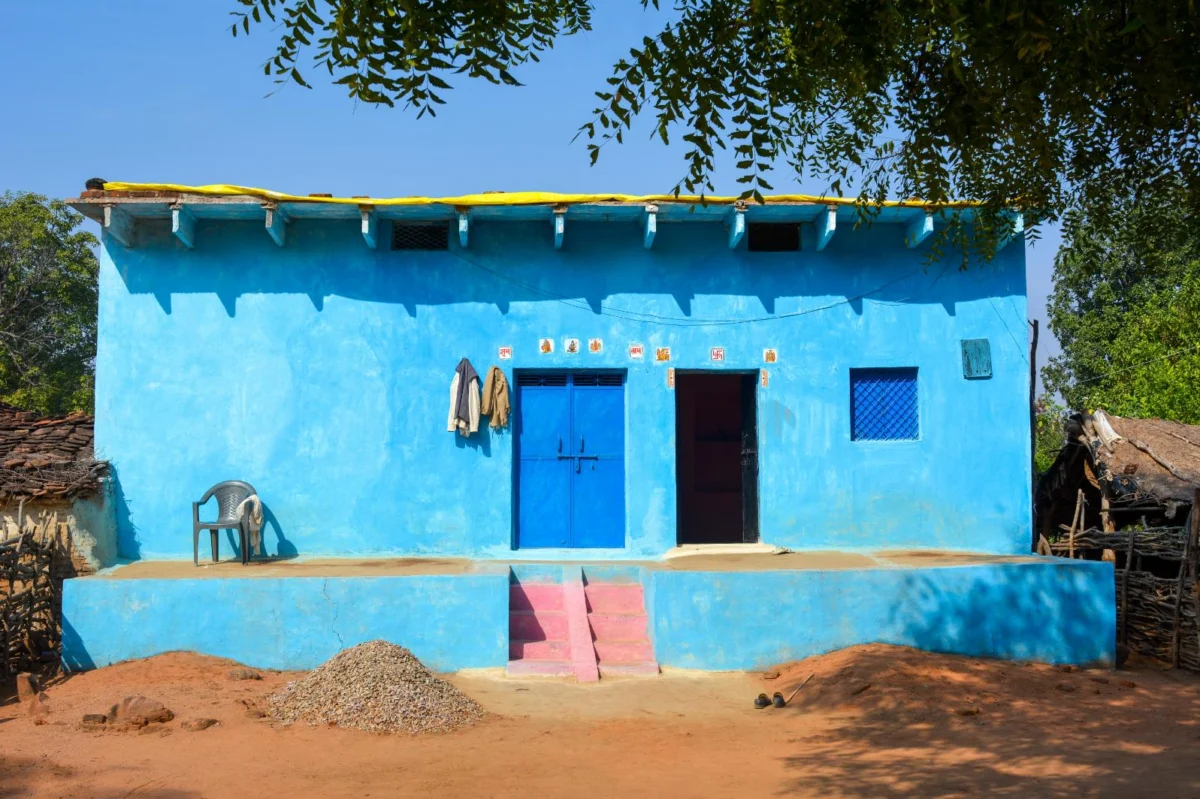
The dream of homeownership, long considered the ultimate benchmark of financial stability for Indian families, is undergoing a massive transformation. At the heart of this change is the Pradhan Mantri Awas Yojana (PMAY), the Government of India’s flagship mission aimed at achieving "Housing for All." With the recent launch of PMAY-Urban 2.0, the government has renewed its commitment to bridging the housing gap for the Economically Weaker Sections (EWS), Low-Income Groups (LIG), and Middle-Income Groups (MIG).
This article provides an in-depth exploration of the PMAY framework, the transition to version 2.0, eligibility criteria, and the broader economic implications of this massive social welfare initiative.
1. Main Facts: The New Avatar of Urban Housing
The Pradhan Mantri Awas Yojana – Urban (PMAY-U) is not merely a subsidy scheme; it is a multi-pronged strategy to address the complexities of urban migration and the rising cost of real estate. On September 1, 2024, the government formally rolled out PMAY-U 2.0, following a Union Cabinet decision to expand the scope of the mission.
Key Pillars of PMAY-U 2.0:
- Interest Subsidy Scheme (ISS): This is the primary vehicle for middle-class homeownership. It provides a 4% interest subsidy on home loans up to ₹25 lakh for a tenure of 12 years.
- AHP (Affordable Housing in Partnership): Encourages private developers and public agencies to build affordable housing projects where a specific percentage of houses are reserved for EWS/LIG categories.
- BLC (Beneficiary-Led Construction): Provides financial assistance to individual families to build or enhance their own houses on their own land.
- ISSR (In-Situ Slum Redevelopment): Uses land as a resource to provide houses to slum dwellers by involving private developers.
The new iteration of the scheme aims to assist one crore (10 million) urban families, ensuring that the rapid pace of urbanization in India does not lead to a proliferation of substandard living conditions.
2. Chronology: The Journey from 2015 to PMAY-U 2.0
To understand the current state of affordable housing, one must look at the timeline of the mission’s evolution:
- June 2015: PMAY-Urban is launched with the goal of providing 2 crore houses by 2022. It introduced the Credit-Linked Subsidy Scheme (CLSS) for EWS and LIG.
- 2017: The scope was expanded to include Middle-Income Groups (MIG-I and MIG-II) under the CLSS, acknowledging that even the urban middle class struggled with skyrocketing property prices.
- March 2021: The CLSS for MIG categories (MIG I and II) officially ended, creating a period of uncertainty for middle-income homebuyers.
- December 2022: The original deadline for PMAY-U was extended to December 2024 to complete houses already sanctioned.
- June 2024: The Union Cabinet, under the newly formed government, approved the implementation of PMAY-U 2.0 with an allocation of ₹10 lakh crore (including central assistance and state shares).
- September 1, 2024: PMAY-U 2.0 is officially operationalized, introducing the new Interest Subsidy Scheme (ISS) for families with annual incomes up to ₹9 lakh.
3. Supporting Data: Income Categorization and Financial Benefits
The effectiveness of PMAY lies in its targeted approach. The government categorizes beneficiaries based on annual household income to ensure that subsidies reach those who need them most.
The Income Slabs under PMAY-U 2.0:
- Economically Weaker Section (EWS): Households with an annual income up to ₹3 lakh.
- Low Income Group (LIG): Households with an annual income between ₹3 lakh and ₹6 lakh.
- Middle Income Group (MIG): Households with an annual income between ₹6 lakh and ₹9 lakh.
Financial Breakdown of the Interest Subsidy Scheme (ISS):
Under the 2024 guidelines, the ISS offers a significant reduction in the financial burden of a home loan:
- Subsidy Rate: 4% interest subvention.
- Maximum Loan Amount for Subsidy: ₹25 lakh (The loan itself can be higher, but the subsidy applies only to the first 25 lakh).
- Maximum Subsidy Cap: Approximately ₹1.80 lakh credited upfront to the loan account.
- Loan Tenure: Up to 12 years for subsidy calculation (though the loan term can be longer).
- Property Value Limit: The total cost of the house must not exceed ₹35 lakh.
Impact on EMI:
For an EWS or LIG family, a ₹1.80 lakh reduction in the principal amount can lead to a monthly EMI reduction of several thousand rupees. Over a 15-to-20-year loan period, this translates to total interest savings of nearly ₹4 lakh to ₹5 lakh, making the effective cost of the house much more manageable.
4. Eligibility and Application: Navigating the Process
To ensure the scheme isn’t misused, the Ministry of Housing and Urban Affairs (MoHUA) has set strict eligibility criteria.
Who Can Apply?
- The "First Home" Rule: Neither the applicant nor any member of their family (spouse and unmarried children) should own a pucca (all-weather) house in any part of India.
- Urban Requirement: The property must be located within the statutory towns as per Census 2011 or towns subsequently notified by the State Government.
- Women’s Empowerment: For EWS and LIG categories, the house must be owned or co-owned by a female member of the household (mandatory for new house purchases).
- Aadhar Linkage: All beneficiaries must have a valid Aadhar number to prevent duplication and ensure direct benefit transfer.
Step-by-Step Application Guide:
- Step 1: Identify the Category. Determine if you fall under EWS, LIG, or MIG based on your total household income.
- Step 2: Approach a Lender. Apply for a home loan through a Primary Lending Institution (PLI), which includes scheduled commercial banks, housing finance companies, or regional rural banks.
- Step 3: Verification. The lender verifies your eligibility and submits your application to the Central Nodal Agency (CNA).
- Step 4: Subsidy Release. Once the CNA approves, the subsidy amount is released to the lender.
- Step 5: Principal Reduction. The lender credits the subsidy to your loan account immediately, reducing the principal balance. Your EMIs are then recalculated based on the lower amount.
5. Official Responses: The Government’s Vision
Government officials have consistently emphasized that PMAY is more than just a housing project; it is a catalyst for economic growth.
During the launch of PMAY-U 2.0, representatives from the Ministry of Housing and Urban Affairs (MoHUA) stated:
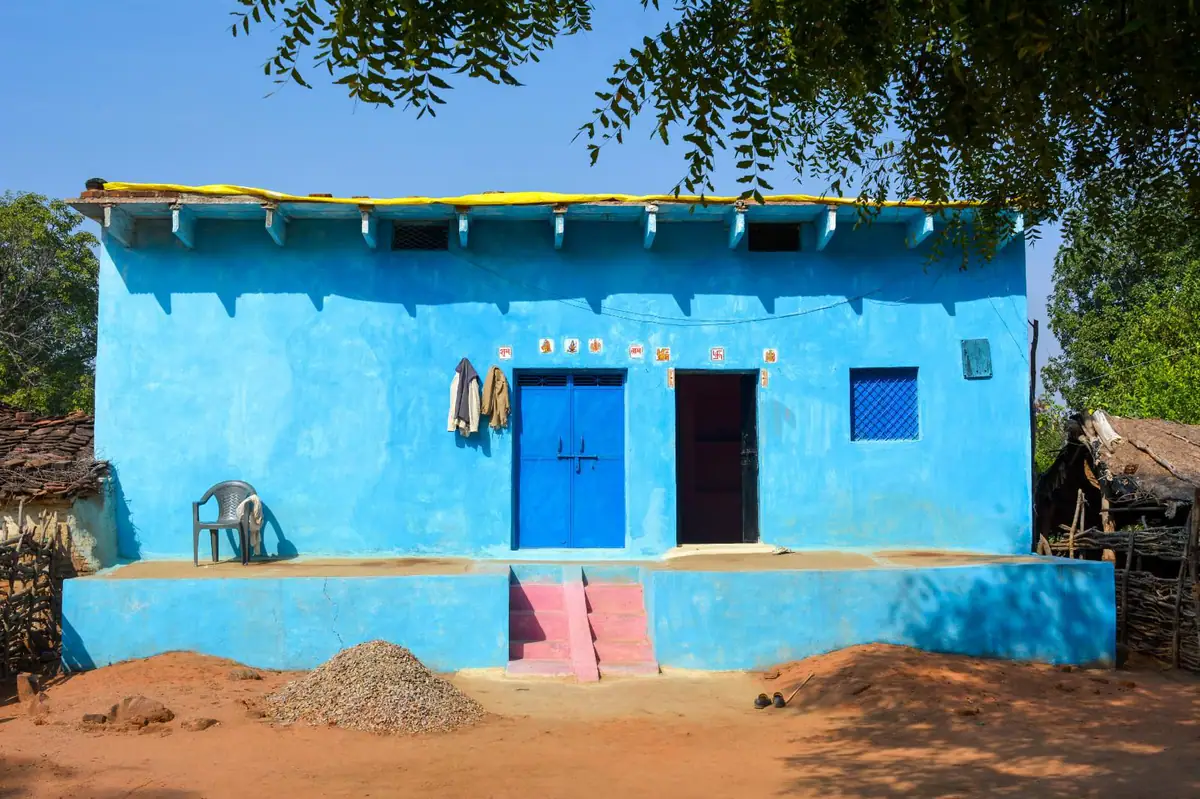
"PMAY-U 2.0 is designed to fulfill the aspirations of the urban middle class and the underprivileged. By providing a 4% interest subsidy, we are ensuring that the dream of owning a home does not become a lifelong debt trap. This scheme is a cornerstone of the ‘Viksit Bharat 2047’ vision, where every Indian has a dignified roof over their head."
Furthermore, the government has highlighted the "multiplier effect" of the scheme. For every house built under PMAY, there is a direct boost to the cement, steel, and construction industries, which in turn generates millions of unskilled and semi-skilled jobs.
6. Implications: Social and Economic Transformation
The continuation of PMAY through version 2.0 has far-reaching implications for Indian society and the economy.
1. Social Mobility and Dignity
Moving from a kutcha house or a rented slum dwelling to a pucca house with a private toilet, electricity, and water connection has a profound impact on health and education. Families in permanent homes report better school attendance for children and lower healthcare costs.
2. Women’s Ownership
By making female ownership or co-ownership mandatory for certain categories, PMAY is arguably one of the largest gender-empowerment programs in the world. It provides women with an asset that offers financial security and a greater say in household decision-making.
3. Real Estate Market Correction
The focus on "Affordable Housing" has forced developers to shift their gaze from luxury apartments to high-volume, low-margin affordable projects. This shift helps in cooling down overheated urban land prices and creates a more sustainable real estate ecosystem.
4. Technological Innovation
Under the Global Housing Technology Challenge (GHTC-India), PMAY has encouraged the use of "Light House Projects" (LHPs). These projects use innovative construction technologies from across the world (like pre-cast concrete and 3D printing) to build houses faster and more sustainably.
7. Conclusion: A Strategic Step for First-Time Buyers
As India continues its trajectory toward becoming the world’s third-largest economy, the pressure on urban infrastructure will only increase. The Pradhan Mantri Awas Yojana-Urban 2.0 serves as a vital safety net, ensuring that the fruits of economic growth are accessible to the lower and middle-income strata.
For a first-time homebuyer in a city like Mumbai, Bengaluru, or Delhi, the interest subsidy may seem like a small percentage, but its cumulative effect on the loan’s life cycle is transformative. It bridges the gap between "renting forever" and "owning a legacy."
Prospective buyers are encouraged to consult with their banks and stay updated via the official PMAY portal. In an era of rising interest rates, the 4% subvention under PMAY-U 2.0 is perhaps the most powerful tool available to the Indian common man to secure his family’s future.
Disclaimer: This report is based on current government policy guidelines as of late 2024. Policies are subject to change by the Ministry of Housing and Urban Affairs. Readers are advised to verify specific eligibility details with their respective financial institutions.
