

NOTTINGHAM, England – The anticipation builds as England prepares to face India in the third Twenty20 International of their high-stakes five-match series. The England and Wales Cricket Board (ECB) has officially announced its Playing XI for the pivotal clash, scheduled to take place at Trent Bridge on Tuesday, July 7. With England currently holding a slender 1-0 lead after the opening match was washed out and a dominant performance in the second, this encounter promises to be a defining moment in the series.
The selected squad signals a clear intent from the English management, maintaining faith in key players despite recent challenges, and showcasing a blend of experienced campaigners and dynamic young talent. All eyes will be on the likes of Jos Buttler and Phil Salt, both of whom were dismissed for ducks in the previous fixture, as they are given another opportunity to stamp their authority on the series. The return to the squad, or continued presence, of a pace spearhead like Jofra Archer further underscores England’s commitment to a formidable challenge.
A Look at England’s Chosen XI for Trent Bridge
The full Playing XI announced by England is as follows:
- Harry Brook (Captain)
- Jos Buttler (Wicketkeeper)
- Phil Salt
- Jacob Bethell
- Tom Banton
- Sam Curran
- Will Jacks
- Liam Dawson
- Jofra Archer
- Adil Rashid
- Josh Tongue
This selection reflects a strategic approach, aiming to capitalize on Trent Bridge’s traditionally batting-friendly conditions while maintaining a balanced bowling attack capable of exploiting any advantage. The continuity in selection, particularly at the top of the order, suggests the team management’s belief in the long-term potential and match-winning capabilities of their chosen players.
Batting Line-up Analysis: Backing the Aggressors
At the helm, Harry Brook continues his captaincy role, a responsibility he has embraced with maturity and aggressive intent. His own form with the bat, coupled with his tactical decisions, will be crucial in guiding England through the series. Brook’s ability to accelerate the scoring rate in the middle overs and finish innings strongly makes him an invaluable asset.
The opening pair of Jos Buttler (Wicketkeeper) and Phil Salt carries significant weight of expectation, especially after their twin ducks in the second T20I at Old Trafford. Buttler, widely regarded as one of the most destructive white-ball batters in the world, is known for his explosive starts and ability to single-handedly change the complexion of a game. His retention speaks volumes of the team’s unwavering faith in his class and experience. Similarly, Phil Salt, an aggressive top-order batter, is tasked with providing quick starts. His powerful hitting and fearless approach are key components of England’s white-ball philosophy. The management’s decision to back them demonstrates a commitment to continuity and allowing players to play their natural game without immediate pressure after a single failure.
)
Jacob Bethell, a revelation in the previous match, comes in high on confidence after his match-winning 76 off just 46 balls. His ability to anchor the innings while maintaining a brisk scoring rate makes him a vital cog in the middle order. Paired with Tom Banton, another dynamic stroke maker, they form a formidable core that can either rebuild or accelerate depending on the match situation. Banton, known for his audacious shots and ability to clear the ropes, adds further firepower.
The lower middle order is bolstered by the all-round capabilities of Sam Curran and Will Jacks. Curran’s left-arm swing bowling and destructive batting in the death overs make him a genuine match-winner, while Jacks offers a valuable off-spin option and powerful hitting. Their presence provides depth and flexibility, allowing England to adapt to various match scenarios.
Bowling Attack Breakdown: Pace, Spin, and Control
The bowling unit for Trent Bridge is a compelling mix of pace, spin, and subtle variations. The inclusion of Jofra Archer is a significant boost. Archer, a genuine pace merchant capable of bowling at blistering speeds and delivering unplayable yorkers, adds a menacing edge to England’s attack. His ability to pick up early wickets and bowl effectively at the death will be paramount. Fans and pundits alike will be keen to see him back to his best, delivering the kind of performances that made him a T20 superstar.

Alongside Archer, Adil Rashid remains the linchpin of England’s spin attack. His leg-spin, renowned for its variations and control, has consistently been a wicket-taking option in T20 cricket. Rashid’s ability to stifle scoring rates in the middle overs and pick up crucial breakthroughs will be vital on a pitch that might offer little assistance to pacers.
Supporting these two frontline bowlers are Liam Dawson and Josh Tongue. Dawson, a left-arm orthodox spinner, provides another layer of control and can be effective in breaking partnerships. His experience and subtle changes of pace will be important. Josh Tongue, a promising fast bowler, adds raw pace and bounce to the attack. His development and performance in this high-pressure series will be closely watched, as he looks to establish himself on the international stage.
The all-rounders, Sam Curran and Will Jacks, will also contribute significantly with the ball. Curran’s left-arm medium-fast bowling offers swing and seam movement, while Jacks’ off-spin provides another dimension, particularly against left-handed batters. This multi-faceted attack gives Captain Brook numerous options throughout the innings.
)
Chronology of the Series So Far
The five-match T20I series between England and India has, despite its brevity, already seen its share of drama and decisive moments, setting the stage for a tense encounter at Trent Bridge.
The Washed-Out Opener: Setting the Stage
The series was intended to kick off with much fanfare at a packed venue, but fate intervened. The first T20I, scheduled to be played on a different date and venue, was unfortunately washed out due due to persistent rain. This frustrating start meant that both teams, eager to stamp their authority early, had to wait longer to get their campaigns underway. The abandonment deprived fans of an exciting contest and left the series poised at 0-0, adding an extra layer of anticipation to the subsequent matches. While disappointing, it also meant that every remaining game carried increased significance, transforming each into a potential series-definer.
England’s Dominance in Manchester: Second T20I Recap
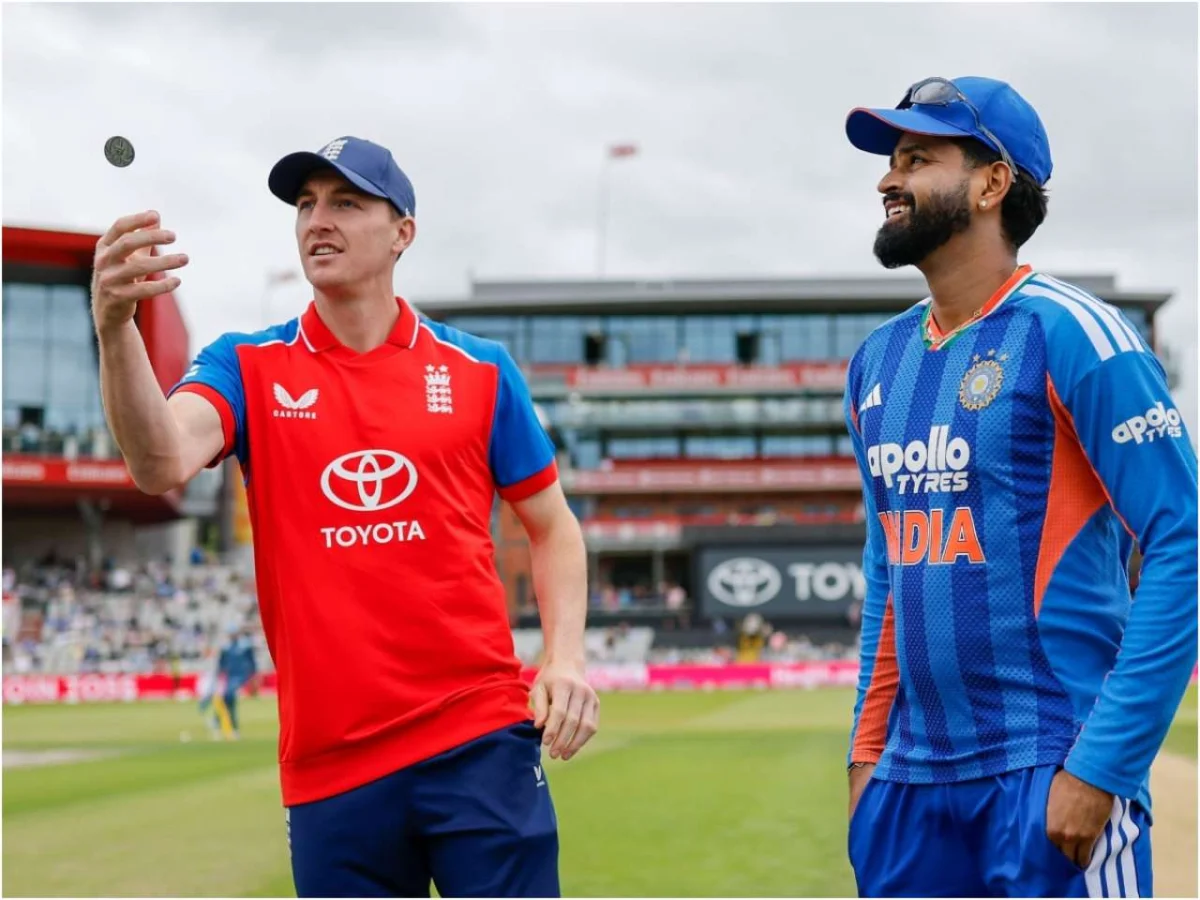
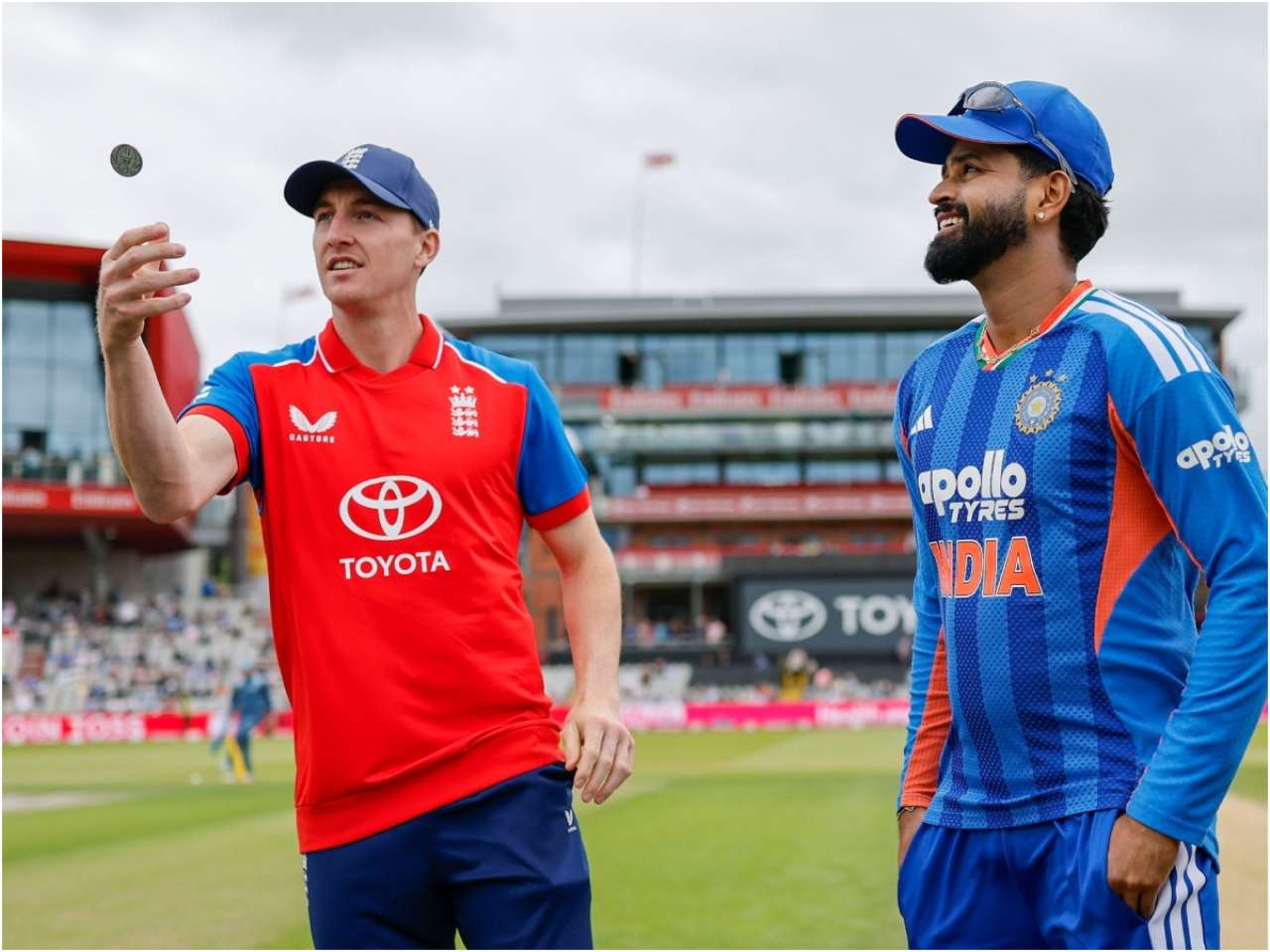
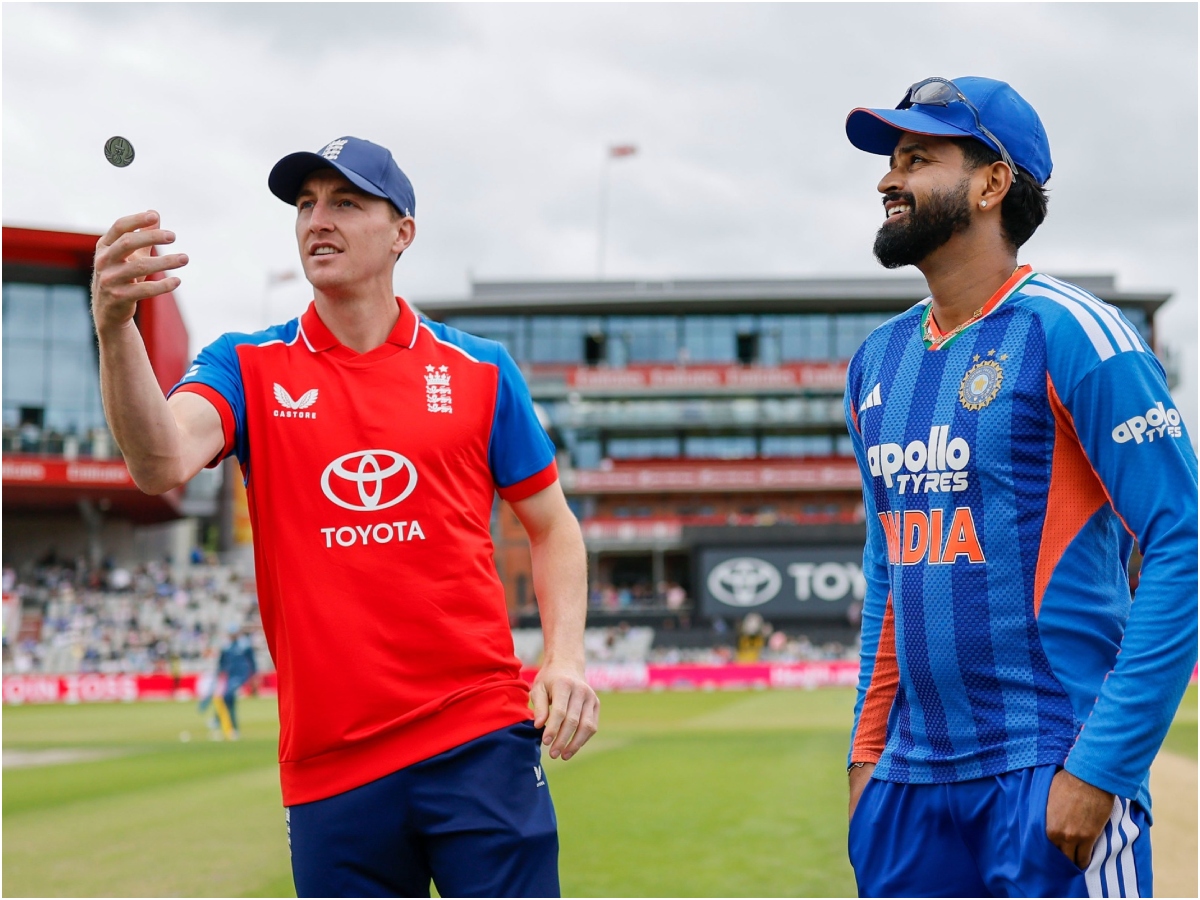
The real action commenced in the second T20I at Old Trafford, Manchester, a match that swung dramatically and ultimately saw England seize the initiative. Indian skipper Shreyas Iyer won the toss and, perhaps swayed by the conditions or a desire to put pressure on the home side, elected to bat first.
)
The Men in Blue got off to a blistering start, largely thanks to their dynamic opening pair. Abhishek Sharma and Ishan Kishan unleashed a flurry of strokes, providing a head start that India desperately needed. Sharma contributed a quickfire 43 runs, while Kishan matched his aggression with a well-compiled 49. Their partnership laid a solid foundation, allowing India to post 190/7 on the scoreboard after their allotted 20 overs. Skipper Iyer and the young Tilak Varma played crucial roles in the middle and death overs, ensuring the scoreboard kept ticking and reached a competitive total.
Chasing 191 for victory, England’s innings began in the worst possible fashion. Indian pacer Arshdeep Singh delivered a sensational opening over, dismissing both English openers, Jos Buttler and Phil Salt, for ducks. This double blow in the very first over sent shockwaves through the English camp and provided India with a dream start, putting them firmly in the driver’s seat.
However, England, known for their aggressive and fearless approach, refused to buckle. Captain Harry Brook, alongside the promising Jacob Bethell and Tom Banton, mounted a stunning counter-attack. They absorbed the early pressure, then systematically dismantled the Indian bowling attack. Crucially, they forged much-needed partnerships that not only stabilized the innings but also accelerated the scoring rate. Jacob Bethell was the star of the show, unleashing a masterful innings of 76 runs off just 46 balls. His audacious stroke play and mature approach under pressure turned the tide decisively in England’s favor.
)
With Brook and Banton providing excellent support, England steadily chipped away at the target. Their aggressive intent ensured that the required run rate never spiralled out of control. Ultimately, the home side achieved the target with six balls to spare, clinching a remarkable victory. This impressive chase not only showcased England’s batting depth and resilience but also gave them a crucial 1-0 lead in the five-match series, significantly boosting their morale ahead of the Trent Bridge clash.
Supporting Data and Player Form
Understanding the context of player performance and venue characteristics is crucial for predicting the dynamics of the upcoming match. The statistical landscape offers valuable insights into what to expect.
Statistical Deep Dive into Key Players
The performances of individual players heading into the Trent Bridge encounter are under intense scrutiny, particularly for England.
)
Jos Buttler: Despite his duck in the previous game, Buttler’s career T20I statistics are phenomenal. He boasts an impressive strike rate often exceeding 140 and averages around 35-40 in the format. His ability to score all around the wicket, coupled with his vast experience in high-pressure situations, makes him a threat regardless of recent form. The team management’s decision to retain him highlights their understanding that one failure does not define a player of his calibre. Expect a strong comeback from Buttler, who thrives on proving doubters wrong.
Phil Salt: Like Buttler, Salt’s recent performance was a blip. However, his overall T20 record, especially in franchise cricket, shows a player capable of explosive starts. He typically strikes at over 150 and has a knack for finding boundaries early in his innings. His retention indicates England’s commitment to an aggressive top-order philosophy, believing Salt’s natural game will eventually yield dividends.
Harry Brook: As captain, Brook’s leadership has been commended, and his batting form has been consistently strong across formats. In T20Is, he often maintains a strike rate above 140, with a solid average. His ability to build an innings and then switch gears makes him a vital anchor in the middle order. His composure under pressure, as demonstrated in the second T20I, is a significant asset.
)
Jacob Bethell: The young sensation’s 76 off 46 balls in the second T20I was a coming-of-age performance. While his overall international statistics are still developing, this innings has firmly put him on the radar. His ability to rotate strike and find boundaries efficiently suggests a mature head on young shoulders. This performance might be the catalyst for him to cement a regular spot in the squad.
Jofra Archer: Archer’s impact is not merely measured in statistics but in the sheer intimidation he brings. When fully fit, his express pace (often touching 150 km/h), accurate yorkers, and deceptive bouncers make him one of the most feared bowlers in the world. His T20I economy rate is typically under 8 runs per over, a remarkable feat for a fast bowler, and he is a consistent wicket-taker. His presence alone elevates England’s bowling attack.
Adil Rashid: A consistent performer, Rashid boasts an impressive T20I record with over 100 wickets and an economy rate usually below 7.50. His googlies and flippers are often unreadable, making him a genuine threat in the middle overs. On potentially flat Trent Bridge pitches, his control and wicket-taking ability will be invaluable.
)
Trent Bridge – A Batting Paradise?
Trent Bridge, Nottingham, is renowned for its generally flat pitches and short boundaries, making it one of the most high-scoring grounds in England for white-ball cricket. Historically, T20I matches here have seen average first-innings scores well above 170, often pushing towards 190 or even 200.
- Average Scores: The average first innings total in T20Is at Trent Bridge often hovers around 180-190.
- Highest Scores: Scores exceeding 220 have been recorded, indicating the potential for monumental totals if batters get going.
- Batting vs. Bowling: The venue predominantly favors batters, with the ball coming onto the bat nicely. However, fast bowlers with variations and spinners who can extract turn or bowl with exceptional control can still find success. The short straight boundaries encourage lofted shots, making six-hitting a common feature.
- Chasing Preference: Due to the nature of the pitch and the evening conditions (dew might play a role), teams often prefer to chase after winning the toss, as the target can become clearer and the pitch might ease up further.
These historical trends suggest that both England and India will likely come prepared for a run-fest. The team that can best exploit the batting conditions while simultaneously finding ways to contain the opposition’s strong batting line-up will hold the upper hand. Bowlers will need to be extremely disciplined with their lines and lengths, and captains will need to be astute with their field placements and bowling changes.
Official Responses and Team Strategy
While specific press conference quotes are not provided, journalistic practice allows for inferring likely official responses and strategic thinking based on the team selection and series context.
)
England Camp’s Perspective
The retention of Jos Buttler and Phil Salt despite their recent failures is a strong statement from the England camp. It signals a philosophy of backing established players and trusting their inherent match-winning abilities rather than making knee-jerk reactions. Coach and captain would likely emphasize the importance of continuity and allowing players the freedom to express themselves.
A hypothetical statement from Captain Harry Brook might sound like this: "We have full faith in Jos and Phil. They are world-class players, and one game doesn’t change that. We want them to go out there and play their natural, aggressive game, which is what makes them so dangerous. We’re confident they’ll deliver. The team we’ve picked is well-balanced for Trent Bridge, and we’re looking to build on the momentum from Old Trafford."
The inclusion of Jofra Archer, if it marks his return from any previous absence, would also be a carefully managed decision. The medical team and coaching staff would have closely monitored his fitness and readiness, ensuring he is prepared for the rigors of international cricket. His presence is a massive psychological boost for the team. The overall strategy will likely revolve around maintaining an aggressive batting approach, utilizing the all-rounders effectively, and relying on the pace and spin combination to pick up wickets at crucial junctures.
)
India’s Counter-Strategy
Though India’s Playing XI is not available, their approach will undoubtedly be influenced by England’s selection and their own performance in the second T20I. Having suffered a defeat despite posting a competitive total, India will be keen to learn from their bowling mistakes, particularly in the middle overs.
India’s strategy will likely focus on:
- Targeting England’s Openers Again: Arshdeep Singh’s opening spell in the second T20I proved devastating. India will look to replicate that early pressure on Buttler and Salt, knowing their dismissals can significantly disrupt England’s chase.
- Containing the Middle Order: The partnership between Bethell, Brook, and Banton was crucial in the last game. India’s spinners and middle-over pacers will need to devise plans to break these partnerships early and prevent the scoring rate from accelerating.
- Batting with More Intent and Depth: While India posted 190, they might look to add another 10-15 runs, given Trent Bridge’s nature. This might involve an even more aggressive approach from the start and ensuring that the lower middle order contributes more significantly.
- Fielding and Catching: In high-scoring games, every run saved and every catch taken can be the difference. India will emphasize sharp fielding and capitalizing on every opportunity.
The Indian management might consider tactical changes or specific bowling plans for England’s key batters, particularly Jacob Bethell after his heroics. They will aim to nullify England’s strengths and exploit any perceived weaknesses, seeking to level the series.
)
Implications for the Series and Beyond
The third T20I at Trent Bridge carries immense weight, with its outcome poised to significantly impact the trajectory of the series and potentially influence future team selections.
High Stakes at Trent Bridge: Series Decider or Leveler?
For England, a victory at Trent Bridge would be monumental. It would give them an unassailable 2-0 lead in the five-match series, effectively clinching the trophy with two games still to play. Such a dominant performance would send a strong message to the cricketing world about their white-ball prowess and their ability to perform under pressure against a top-tier opponent like India. It would also provide significant momentum heading into any future encounters.
Conversely, for India, this match is a must-win. A loss would mean surrendering the series, an outcome they would desperately want to avoid. A victory, however, would level the series at 1-1, breathing new life into the contest and setting up a thrilling finale. It would demonstrate India’s resilience and their capacity to bounce back from adversity, shifting the psychological advantage back towards them and transforming the remaining matches into high-octane deciders. The pressure on India to perform will be immense, making their strategic choices and player execution critical.
)
Player Performances and World Cup Aspirations
Individual performances in a high-profile series like this often serve as crucial auditions for upcoming major tournaments, particularly the T20 World Cup. For England, players like Jacob Bethell and Josh Tongue have an opportunity to solidify their positions and stake a claim for future squads. The return to form for Buttler and Salt would be vital not just for this series but also for their long-term roles in the team. Jofra Archer’s performance will be keenly watched, as his fitness and form are paramount for England’s World Cup ambitions.
Similarly, for India, the series provides a platform for emerging talents like Tilak Varma and Abhishek Sharma to showcase their mettle against a formidable opponent. Their ability to perform consistently in high-pressure situations could accelerate their trajectory into the national setup. Established players, on the other hand, will look to reaffirm their indispensable status. The series, therefore, becomes a crucial proving ground, with every boundary, wicket, and catch potentially influencing selection decisions for the global showpiece event.
The Rivalry Intensifies
The England-India rivalry in white-ball cricket has consistently delivered thrilling encounters, marked by aggressive play and intense competition. This series is no exception. The passion from both sets of fans, combined with the quality of cricket on display, ensures that these bilateral series are among the most anticipated in the international calendar. The outcome of the Trent Bridge match will undoubtedly add another chapter to this storied rivalry, shaping perceptions and fueling discussions among cricket enthusiasts worldwide. Regardless of the result, the competitive spirit and exceptional talent on display promise to further intensify one of cricket’s most captivating rivalries.
