

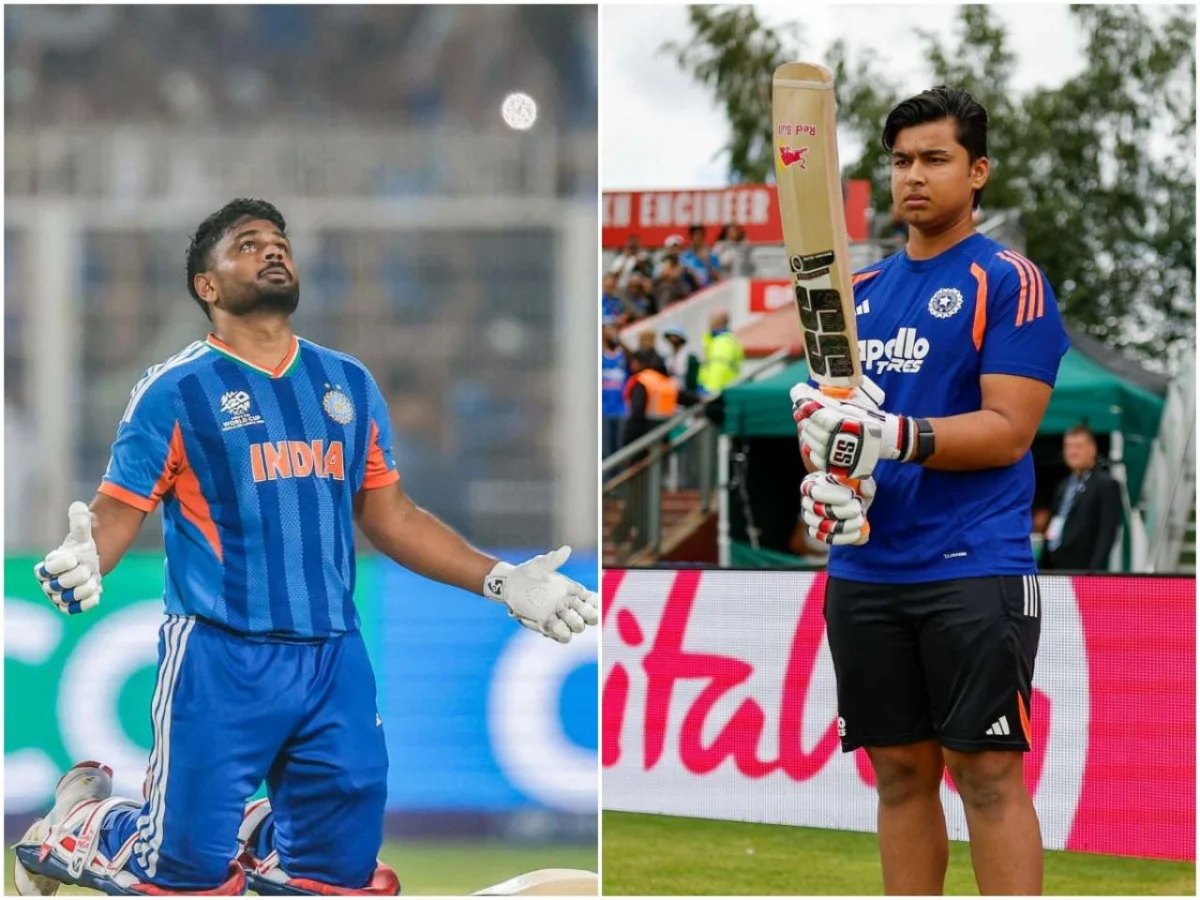
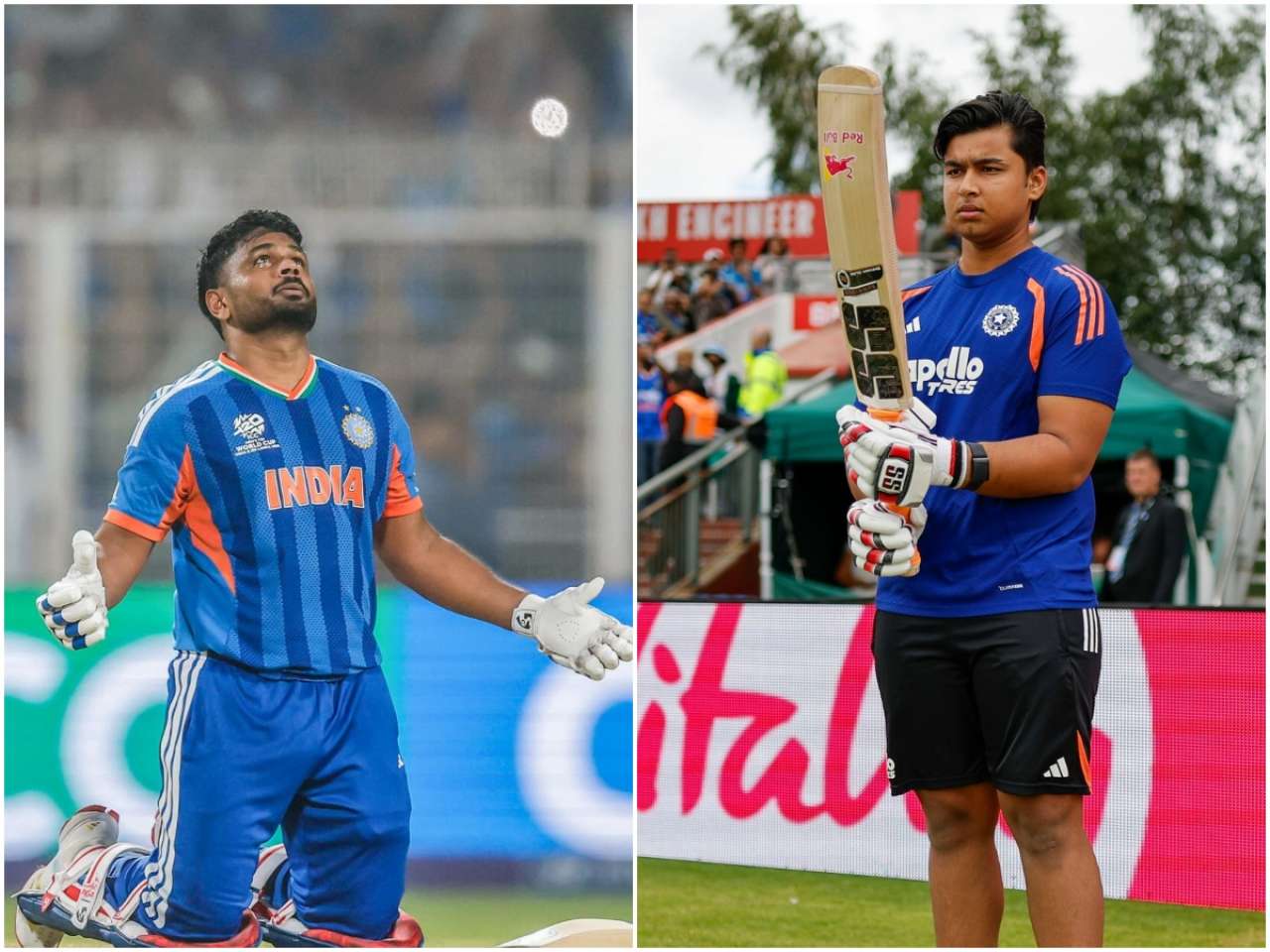
HARARE, ZIMBABWE – July 8, 2026 – The Board of Control for Cricket in India (BCCI) on Monday officially announced Team India’s 15-member squad for the upcoming three-match T20 International series against Zimbabwe, set to commence on July 23. The selection signals a continued emphasis on youth and emerging talent, with young batting sensation Vaibhav Sooryavanshi retaining his place in the national setup. However, the squad reveal has simultaneously ignited a fresh wave of debate among fans and pundits, primarily due to the conspicuous absence of wicketkeeper-batsman Sanju Samson, a player who recently earned the Player of the Tournament award in the ICC T20I World Cup 2026.
Shreyas Iyer will lead the young Indian contingent, with Tilak Varma named as his deputy. The series, scheduled entirely at the Harare Sports Club, will provide a crucial platform for several promising cricketers to stake their claim for regular spots in a dynamic Indian white-ball squad. While the inclusion of talents like Sooryavanshi, Abhishek Sharma, and Mayank Yadav underscores India’s commitment to building bench strength, the repeated overlooking of Samson, despite stellar performances, raises pertinent questions about selection consistency and player pathways.
Main Facts: A Glimpse into India’s Future and Present Dilemmas
The squad for the Zimbabwe T20I series, unveiled by the BCCI, is a fascinating blend of established young performers and exciting new prospects. At its core, the selection appears to be a strategic move to assess India’s talent pool beyond the established senior players, particularly in the shortest format of the game.
Vaibhav Sooryavanshi, a left-handed batsman who made his international debut during the recent T20I series against England, has been given another opportunity to cement his place. His retention speaks volumes about the selectors’ faith in his raw talent and aggressive stroke play. Sooryavanshi’s journey from the domestic circuit to the international arena has been rapid, and this series against Zimbabwe presents an ideal scenario for him to further hone his skills under the watchful eyes of the national team management.
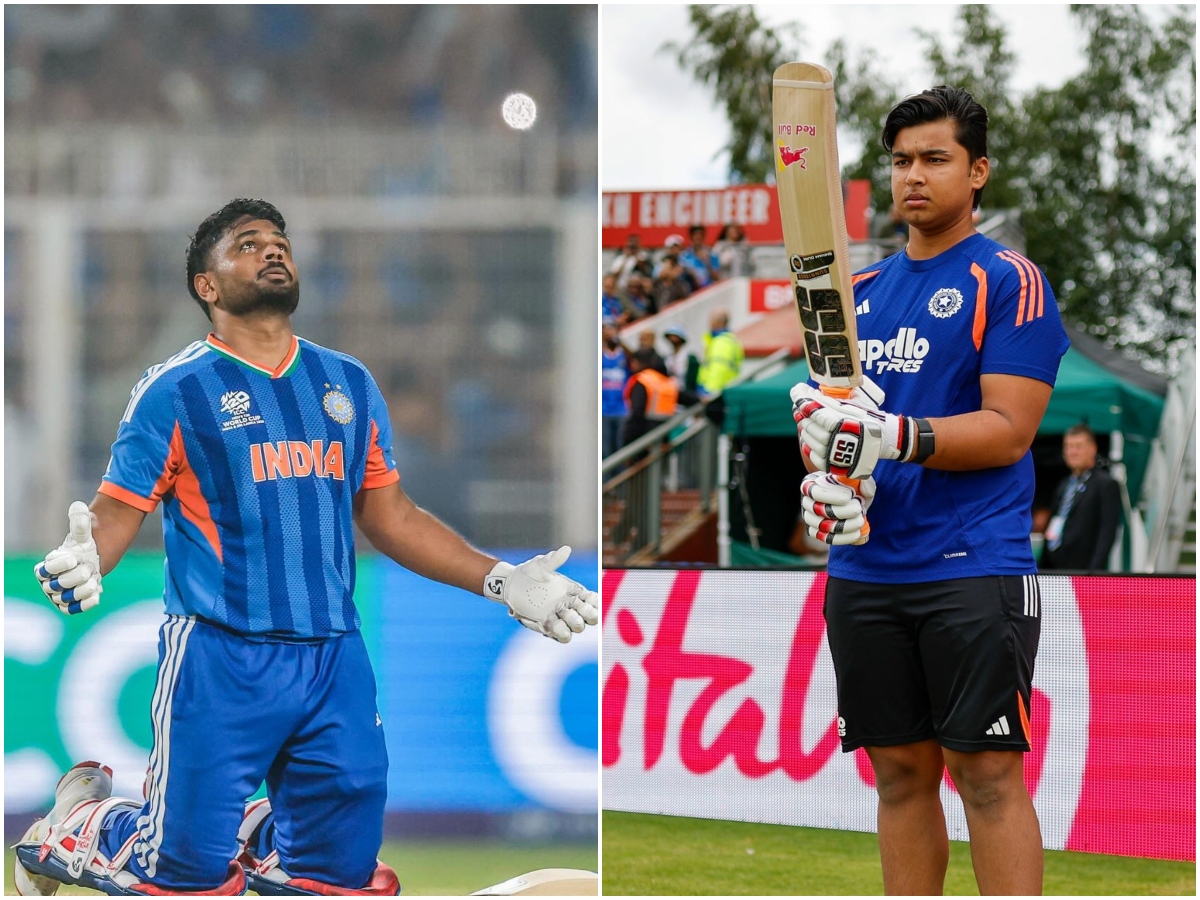)
However, the headline-grabbing aspect of the squad announcement is undoubtedly the exclusion of Sanju Samson. Fresh off a Player of the Tournament accolade in the recent ICC T20I World Cup 2026 – a testament to his exceptional talent and match-winning capabilities on the global stage – Samson’s omission has sent shockwaves through the cricketing fraternity. Coupled with his strong showing in the recently concluded Indian Premier League (IPL) season, where he consistently delivered impactful performances, his absence from a developmental squad like this one has left many bewildered and frustrated. His situation reignites the long-standing debate about his place in the national team and the criteria employed by the selectors.
The series will see Shreyas Iyer, a seasoned middle-order batsman, take on the captaincy role, marking his return to leadership duties in the national team. His experience and tactical acumen will be vital in guiding this relatively young squad. Tilak Varma, another rising star known for his aggressive batting and handy off-spin, has been appointed as vice-captain, indicating the selectors’ confidence in his leadership potential and all-round abilities. The wicketkeeping duties will be shared between Ishan Kishan and Prabhsimran Singh, both dynamic batsmen who can provide explosive starts at the top of the order.

The series itself comprises three T20Is, all scheduled to be played at the historic Harare Sports Club, known for its picturesque setting and generally batting-friendly conditions. All matches are slated to begin at 4:30 PM IST, making them convenient for Indian viewers. Following this short but significant T20I engagement, Team India is set to embark on a tour of Sri Lanka in August for a two-match Test series, signaling a packed international calendar for the Men in Blue.
Chronology: From Announcement to Anticipated Action
The journey for this Indian squad began on Monday with the official announcement from the BCCI, outlining the full roster for the Zimbabwe T20I series. The announcement, eagerly awaited by fans and media alike, immediately set the stage for discussions and analyses, particularly concerning the blend of youth and the notable omissions.
)
Team India’s Squad for T20I Series vs. Zimbabwe:
- Shreyas Iyer (C) – An experienced middle-order batsman returning to captaincy.
- Tilak Varma (VC) – Dynamic all-rounder and a future leadership prospect.
- Ishan Kishan (WK) – Explosive left-handed opener and wicketkeeper.
- Prabhsimran Singh (WK) – Aggressive opening batsman and wicketkeeper.
- Abhishek Sharma – Promising all-rounder, known for his left-arm spin and attacking batting.
- Vaibhav Sooryavanshi – Young left-handed batting sensation, retained after his debut against England.
- Shivam Dube – Power-hitting all-rounder, offering crucial late-overs impetus.
- Suryanash Shedge – An intriguing new inclusion, likely a domestic performer getting his break.
- Rinku Singh – Finisher par excellence, known for his calm demeanor under pressure.
- Harsh Dubey – Another new face, likely a spinner or all-rounder from the domestic circuit.
- Varun Chakaravarthy – Mystery spinner, aiming for a consistent run in the national team.
- Prince Yadav – A young talent, expected to be a fast bowler or all-rounder.
- Yash Thakur – Pacer known for his variations and death bowling.
- Ashok Sharma – A fast-bowling prospect, adding depth to the pace attack.
- Mayank Yadav – Express pace bowler, whose return from injury will be keenly watched.
The series is strategically placed in India’s cricketing calendar, offering a quick, intense burst of T20 action before the focus shifts to the longer format.
)
IND vs. ZIM T20I Series: Full Fixtures, Match Timings, and Venue
- July 23: Zimbabwe vs. India, Harare Sports Club (4:30 PM IST)
- July 25: Zimbabwe vs. India, Harare Sports Club (4:30 PM IST)
- July 26: Zimbabwe vs. India, Harare Sports Club (4:30 PM IST)
This condensed schedule means India will play three T20Is in four days, demanding peak fitness and adaptability from the squad members. The rapid turnaround between matches will also test the team management’s ability to rotate players and manage workloads effectively. Following the conclusion of this series, Team India is slated for a tour of Sri Lanka in August, where they will engage in a two-match Test series. This transition from white-ball to red-ball cricket underscores the demanding and diverse nature of international cricket.
)
Supporting Data: Performance, Potential, and Puzzling Omissions
The composition of the Indian squad reflects a clear intent from the selectors to nurture young talent and broaden the national team’s player pool. However, the data surrounding certain individual players provides context to both the inclusions and the contentious exclusions.
Vaibhav Sooryavanshi’s Ascent:
The young left-handed batsman, Vaibhav Sooryavanshi, first burst onto the international scene with his debut against England. While specific statistics from his brief international career might still be developing, his consistent performances in the domestic circuit have marked him as a player with immense potential. Known for his fearless approach and ability to score quickly, Sooryavanshi represents the modern T20 batsman. His inclusion in successive squads suggests that the selectors are looking at him as a long-term prospect for India’s white-ball future, potentially grooming him for top-order responsibilities. His retention for the Zimbabwe series indicates that the management is keen to provide him with a sustained run to acclimatize to international pressure and expectations, away from the intense scrutiny of a home series against a top-tier opponent.
)
The Sanju Samson Conundrum:
Sanju Samson’s omission is the most discussed aspect of this squad. The wicketkeeper-batsman has consistently showcased his class, particularly in the shortest format. His Player of the Tournament performance in the ICC T20I World Cup 2026, where he arguably played a pivotal role in India’s campaign with his dynamic batting and sharp glovework, makes his exclusion even more perplexing. While the specific numbers from that tournament are yet to be fully assimilated into public consciousness, the award itself signifies a player at the peak of his powers. Furthermore, his form in the recently concluded Indian Premier League (IPL) was exceptional. Leading his franchise from the front, Samson displayed maturity, consistency, and an enhanced ability to finish games, scoring crucial runs at a brisk pace.
His IPL average, strike rate, and number of match-winning contributions would undoubtedly place him among the top performers of the season. Compared to other wicketkeeper-batsmen in the squad like Ishan Kishan and Prabhsimran Singh, Samson brings a different dimension with his experience and proven ability to perform under pressure at the highest level. While Kishan is an explosive opener and Prabhsimran is an exciting young talent, Samson’s ability to bat anywhere from opening to the middle order, coupled with his superior wicketkeeping skills, often makes him a more versatile option. The data consistently supports his case for inclusion, yet he finds himself on the sidelines, sparking accusations of unfair treatment and a lack of clear communication regarding selection policies.
)
Other Key Inclusions:
- Shreyas Iyer: His return as captain is a testament to his leadership qualities and his ability to anchor the middle order. Iyer’s recent form, post-injury, has been encouraging, and he brings a calm head to a young side. His past captaincy experience in both international and domestic cricket will be invaluable.
- Tilak Varma: The young southpaw has rapidly climbed the ranks, impressing with his temperament and stroke-making. His appointment as vice-captain highlights his growing stature and the selectors’ belief in his leadership potential for the future. His all-round abilities, including his part-time spin, add balance to the squad.
- Mayank Yadav: The express pace bowler is a significant inclusion, provided he is fully fit. His raw speed and ability to clock over 150 km/h make him a potent weapon. His performance in this series, especially after a period of injury, will be closely monitored as India looks to build a robust fast-bowling arsenal.
- Rinku Singh: The ‘finisher’ has become an indispensable part of India’s T20 setup. His ability to hit boundaries at will in the death overs and his cool temperament are qualities that make him a match-winner.
The squad’s overall youthfulness, with players like Abhishek Sharma, Shivam Dube, Harsh Dubey, Suryanash Shedge, and Prince Yadav, indicates a strategic focus on blooding new talent and exposing them to international cricket. This approach is vital for building a strong pipeline of players for future ICC tournaments.
)
Official Responses: Navigating the Selection Narrative
While no direct quotes were immediately available from the BCCI or the selection committee chairman regarding the specific rationale behind each selection and omission, the typical narrative surrounding such squad announcements can be inferred.
A hypothetical statement from the Chief Selector might emphasize the following: "Our primary objective with this series against Zimbabwe is twofold: firstly, to continue providing opportunities to our promising young talents who have performed exceptionally well in domestic cricket and the IPL. Players like Vaibhav Sooryavanshi, Abhishek Sharma, and the returning Mayank Yadav represent the future of Indian cricket, and it’s crucial to give them sustained exposure at the international level. Secondly, we are keen to assess our bench strength and identify players who can seamlessly transition into the senior squad when required, especially with the demanding international calendar ahead."
)
Addressing the elephant in the room – Sanju Samson’s exclusion – the response would likely be nuanced and diplomatic. "Regarding Sanju Samson, he is undeniably a fantastic player and has delivered some outstanding performances for India and his IPL franchise. His recent Player of the Tournament award in the ICC T20I World Cup 2026 is a testament to his capabilities. However, team composition and specific role requirements for a particular series often necessitate tough decisions. We have a wealth of talent in the wicketkeeper-batsman slot, and for this series, we opted to give extended opportunities to Ishan Kishan and Prabhsimran Singh, who also bring valuable skills to the team. We are continuously monitoring all players, and the door is never closed for anyone performing consistently at a high level. Workload management also plays a role in these decisions, especially for players who have had a long and demanding season."
On Shreyas Iyer’s captaincy, a selector might comment, "Shreyas Iyer has proven his leadership abilities in various formats and brings valuable experience to this young squad. His calm demeanor and tactical insights will be crucial in guiding the team through the series. His return to captaincy is a positive step for him and for the team."
)
These inferred responses highlight the delicate balance selectors must maintain: promoting youth, managing player workloads, ensuring team balance, and navigating the inevitable public scrutiny that accompanies high-profile exclusions. The emphasis on "team composition" and "specific role requirements" often serves as a broad explanation for decisions that might appear contradictory to individual player performance.
Implications: Pathways, Pressure, and Public Perception
The selection for the Zimbabwe T20I series carries significant implications, not just for the individual players involved but also for the broader direction of Indian cricket.
)
For Vaibhav Sooryavanshi and Emerging Talents:
For Sooryavanshi, this series is a golden opportunity to solidify his position. Consistent performances here could establish him as a serious contender for future T20I squads, potentially even for the next T20 World Cup cycle. Similarly, players like Abhishek Sharma, Suryanash Shedge, Harsh Dubey, and Prince Yadav have a chance to make a strong first impression. Their performances will be crucial in determining their trajectory within the national setup. This series acts as a proving ground, where potential can be translated into tangible results under international pressure.
For Sanju Samson: A Test of Resilience and Resolve:
Sanju Samson’s repeated omission is a significant setback for his international career aspirations. Despite a Player of the Tournament award in a major ICC event and strong IPL form, his inability to secure a consistent spot raises serious questions about the selectors’ long-term vision for him. This situation could lead to increased frustration for Samson and his legion of fans, who feel he is being unfairly treated. It puts immense pressure on him to perform even more spectacularly in every available opportunity, knowing that even exceptional displays might not guarantee his place. His situation might also influence other players, creating a sense of uncertainty about selection criteria. The implication is that for certain players, the path to sustained international cricket is fraught with inexplicable hurdles, irrespective of performance.
)
For Shreyas Iyer: A Chance for Redemption and Leadership:
For Shreyas Iyer, the captaincy provides an opportunity to re-establish himself as a vital cog in India’s white-ball machinery. After battling injuries, leading a young side successfully against an international opponent could boost his confidence and remind the selectors of his value, not just as a batsman but also as a leader. This series could be a stepping stone for him to regain a more permanent leadership role in the future, especially as India looks for options beyond the established senior captains.
For Team India: Bench Strength and Strategic Direction:
The series against Zimbabwe, while against a lower-ranked opponent, is crucial for India’s strategic development. It allows the team management to test out various combinations, assess the temperament of new players under international pressure, and gauge the readiness of its bench strength. The focus on youth implies a long-term vision, potentially looking towards the T20 World Cup 2028. However, the lack of consistency in selection for proven performers like Samson might suggest a slightly disjointed approach, or perhaps a deliberate strategy to keep a wide pool of players engaged. The performance of the pacers, particularly Mayank Yadav, will be keenly watched, as India aims to develop a strong contingent of fast bowlers for all formats.
)
Broader Cricketing Landscape and Public Perception:
The ongoing debate surrounding Sanju Samson highlights a persistent issue in Indian cricket: the difficulty for certain talented players to secure and maintain a consistent spot despite strong performances. This fuels public perception that selection can sometimes be arbitrary or influenced by factors beyond pure cricketing merit. It also puts the BCCI and the selection committee under intense scrutiny, demanding greater transparency and clearer communication regarding their decisions. The series will undoubtedly be followed closely by fans, not just for the on-field action but also for any subtle hints regarding the future direction of Indian cricket and the careers of its individual stars.
In conclusion, the T20I series against Zimbabwe is more than just a three-match encounter; it is a critical juncture for several players and a litmus test for India’s selection philosophy. While it promises to unveil exciting new talent and reinforce the potential of others, it also leaves a lingering question mark over the future of a proven match-winner like Sanju Samson, underscoring the complexities and challenges inherent in managing a talent-rich cricketing nation.
