

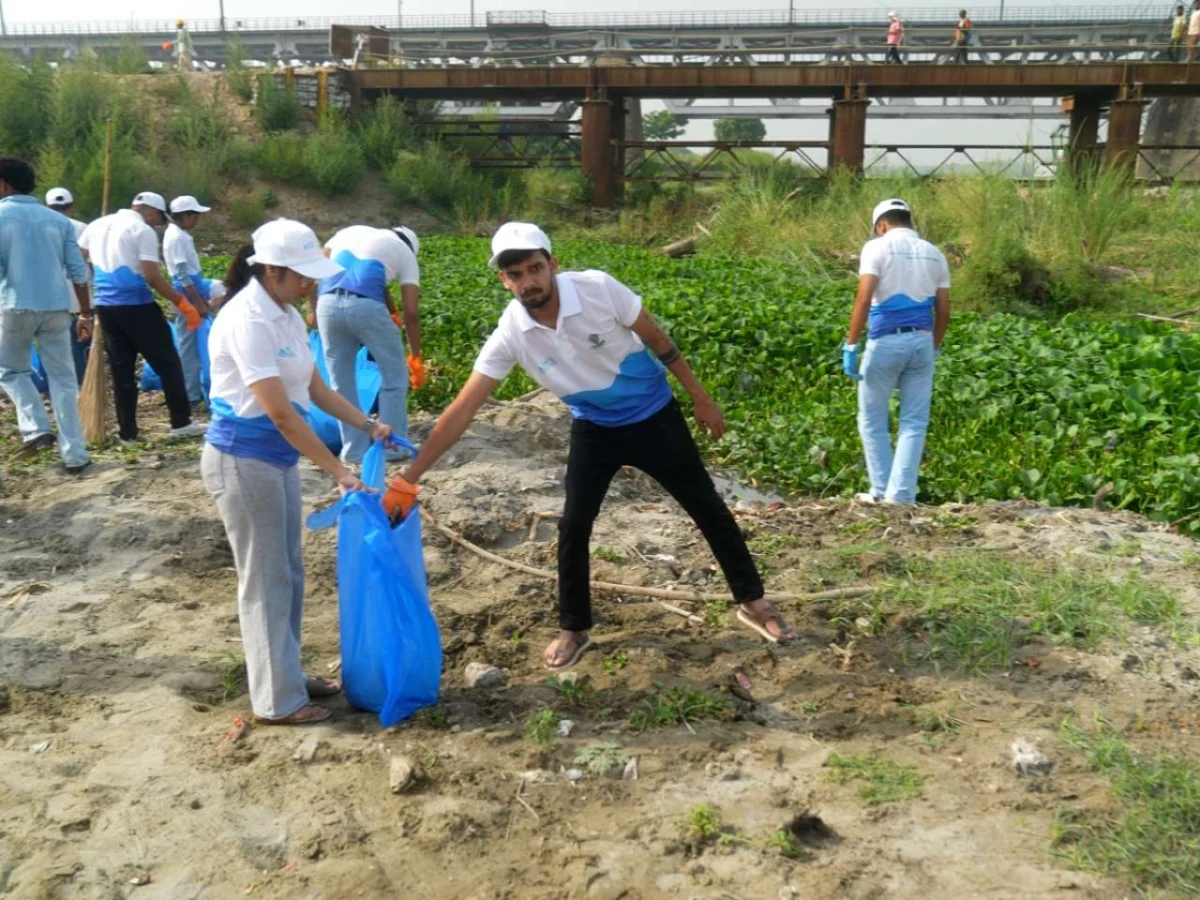
New Delhi, India – In a world grappling with the escalating challenges of climate change and environmental degradation, the story of Satyam Dixit emerges not just as an individual triumph, but as a powerful testament to the transformative potential of citizen-led action. On the occasion of World Nature Conservation Day, Zee Media’s "My Earth, My Duty" campaign shines a spotlight on Dixit, a young environmental changemaker whose journey from humble beginnings to spearheading a nationwide movement for environmental stewardship is both inspiring and deeply resonant. What began as a personal response to a global crisis has blossomed into a formidable force for ecological restoration, impacting over 200 cities and engaging thousands of citizens in a shared mission for a cleaner, healthier planet.
The Crucible of Adversity: Forging a Foundation of Service
Satyam Dixit’s formative years were shaped by the stark realities of a modest household in India. The son of a dedicated pedal rickshaw puller, who later transitioned to the role of a watchman, Dixit’s upbringing was characterized by resilience and a deep understanding of the struggles faced by ordinary families. Growing up in rented accommodation, the imperative to contribute to his family’s livelihood was a constant presence. Even while still in school, Dixit began to earn by selling momos, a testament to his entrepreneurial spirit and early sense of responsibility. During his college years, he further augmented his income by working as a delivery executive, a demanding role that underscored the importance of perseverance and service. These early experiences, far from being mere economic necessities, instilled in him a profound sense of duty and a deep-seated empathy for those working at the grassroots. This foundation of understanding the challenges faced by the common person would later prove invaluable in his environmental advocacy.
)
The Pandemic Pivot: A Catalyst for Environmental Awakening
The year 2020, marked by the unprecedented disruption of the COVID-19 pandemic, proved to be a profound turning point in Satyam Dixit’s life. Like many young Indians, he harbored aspirations of cracking the UPSC (Union Public Service Commission) examinations, a path often seen as a gateway to public service and societal contribution. However, the lockdowns and the palpable suffering experienced by communities across the nation redirected his focus. The pandemic, with its stark revelations about the interconnectedness of human health and environmental well-being, ignited a deeper calling within him. Instead of immersing himself in civil services preparation, Dixit felt an overwhelming urge to contribute directly to the immediate needs of his community. This redirection of his energies marked the genesis of his commitment to environmental action.

Driven by a newfound urgency, Dixit began dedicating his time and resources to assisting communities affected by the pandemic. This period of intense engagement revealed the critical importance of environmental health, particularly concerning sanitation and waste management, which were exacerbated during the crisis. It was in this crucible of shared adversity that the seeds of his citizen-led environmental initiative were sown. He recognized that beyond immediate relief, a more sustainable and long-term approach to environmental stewardship was desperately needed. This realization propelled him from individual acts of assistance to the ambitious undertaking of mobilizing collective action.
)
Birth of a Movement: "My Earth, My Duty" Takes Root
The initiative that emerged from Dixit’s pandemic-driven awakening was built on the simple yet powerful philosophy encapsulated in the slogan, "My Earth, My Duty." What began as a modest endeavor with a handful of like-minded volunteers has, over time, burgeoned into a nationwide movement. This citizen-led environmental initiative is fundamentally focused on three interconnected pillars: cleanliness, waste management, and public awareness.
)
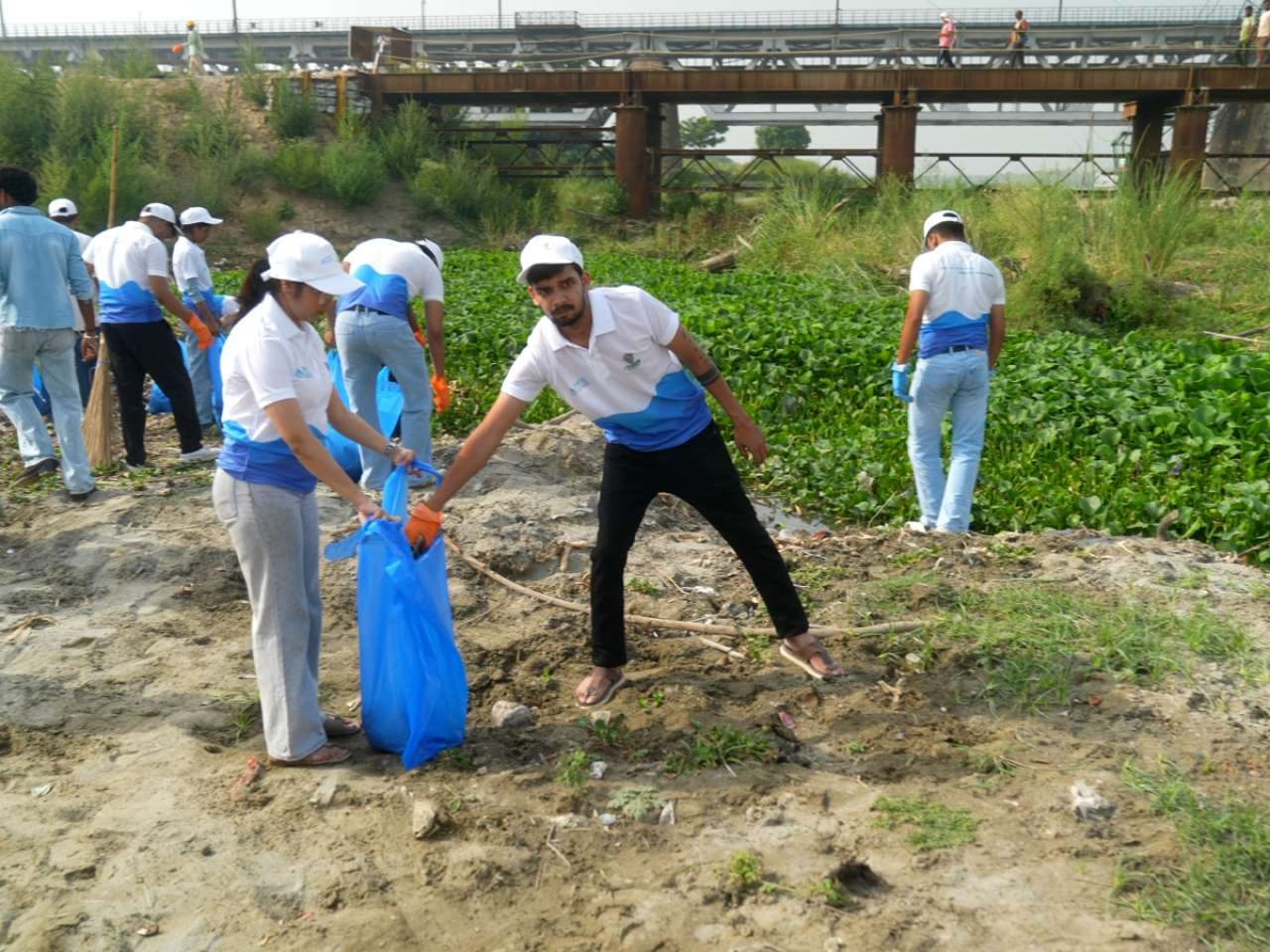
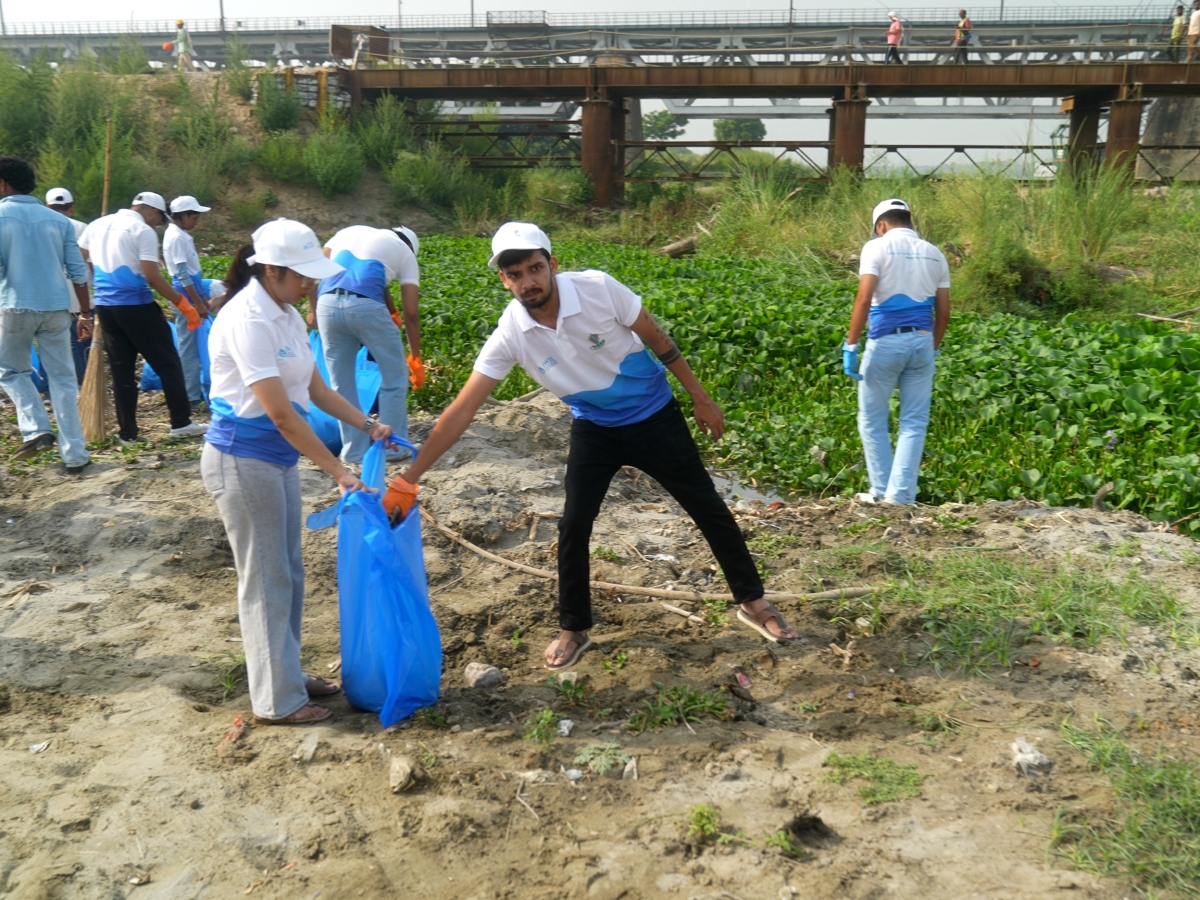
The core of the movement’s operations lies in its regular cleanup drives. These drives are meticulously organized in public spaces, including parks, beaches, and crucially, riverbanks – arteries of life that are often the most vulnerable to pollution. The scale of the waste removed during these drives is staggering, highlighting the pervasive nature of environmental neglect. Beyond mere removal, the initiative actively promotes sustainable practices. This includes encouraging widespread recycling, advocating for the responsible disposal of various forms of waste, with a particular emphasis on plastic and religious waste, which often poses unique disposal challenges. The focus is not just on clearing visible litter, but on fostering a deeper understanding of the lifecycle of waste and the imperative for circular economy principles.
)
Expanding Horizons: From Local Action to National Impact
The growth trajectory of Satyam Dixit’s initiative is a remarkable testament to its effectiveness and the widespread appeal of its mission. What started with a few dedicated individuals has, within a relatively short period, expanded its footprint to encompass over 200 cities across India. This remarkable geographical reach signifies a shared concern for environmental issues that transcends regional boundaries. The recurring nature of the cleanup drives, coupled with their strategic focus on ecologically sensitive areas, has demonstrably improved the aesthetic appeal and ecological health of numerous public spaces.
)
Beyond the tangible impact of waste removal, the initiative places a significant emphasis on fostering a shift in public consciousness. Dixit and his team understand that lasting environmental change cannot be achieved solely through sporadic cleanup drives. Therefore, a critical component of their strategy involves extensive awareness campaigns. These campaigns utilize a variety of methods, including workshops, public lectures, social media engagement, and community outreach programs, to educate citizens about the environmental consequences of their actions and to inspire them to adopt more sustainable lifestyles. The goal is to cultivate a sense of ownership and responsibility among individuals for the environment in which they live. By actively involving citizens in the decision-making and implementation processes, the initiative empowers them to become agents of change within their own communities. This participatory approach ensures that environmental stewardship is not perceived as an external imposition but as a collective endeavor.
)
The Power of One, Amplified: Inspiring Collective Action
Satyam Dixit’s journey is a powerful illustration of how a single individual’s unwavering determination can ignite a wildfire of collective action. His personal struggles, his empathy for the less fortunate, and his profound realization during the pandemic have coalesced into a movement that resonates deeply with the aspirations of a nation grappling with environmental challenges. The "My Earth, My Duty" campaign, as highlighted by Zee Media, embodies a central message that is both simple and profound: meaningful change begins when ordinary people choose to take responsibility for the world around them.
)
Dixit’s story is not just about cleaning up the environment; it is about reclaiming a sense of responsibility, fostering community spirit, and demonstrating that even in the face of daunting challenges, collective action can create tangible and lasting positive change. The initiative’s success underscores the fact that environmentalism is not the exclusive domain of scientists or policymakers; it is a shared duty that rests upon the shoulders of every citizen.
)
Supporting Data and the Scale of the Challenge
While specific quantitative data on the total amount of waste collected or the number of trees planted by Dixit’s initiative might be subject to ongoing compilation, the sheer scale of its operation across over 200 cities points to a significant environmental impact. India, as a nation, faces immense environmental pressures. According to the Central Pollution Control Board (CPCB), India generates an estimated 62 million tonnes of municipal solid waste annually, with a significant portion remaining uncollected and untreated. Plastic waste, in particular, is a major concern, with the country generating approximately 9.46 million tonnes of plastic waste each year. River pollution also remains a critical issue, with numerous rivers across the country heavily contaminated by industrial effluents, sewage, and solid waste.
)
Dixit’s initiative directly addresses these pressing issues by:
)
- Waste Reduction and Management: Through regular cleanups and promotion of recycling, the movement contributes to diverting waste from landfills and mitigating its harmful effects on land and water bodies.
- Pollution Control: By cleaning riverbanks and public spaces, the initiative directly combats the visible signs of pollution and contributes to the restoration of ecological balance.
- Behavioral Change: The extensive awareness campaigns are crucial in tackling the root cause of many environmental problems – human behavior. By fostering a sense of responsibility, the movement aims to create a culture of sustainability that transcends its direct cleanup activities.
- Community Empowerment: The citizen-led nature of the initiative empowers local communities to take ownership of their environmental health, fostering a sense of agency and collective efficacy.
The success of "My Earth, My Duty" can be seen as a grassroots response to these systemic challenges, demonstrating that citizen engagement can be a powerful complement to governmental efforts.
)
Official Responses and Recognition
While the article primarily focuses on Satyam Dixit’s personal journey and the grassroots nature of his movement, the impact of such initiatives often garners attention from various stakeholders. Environmental organizations, local government bodies, and sometimes even national agencies recognize and sometimes collaborate with such citizen-led efforts. The "My Earth, My Duty" campaign itself, being a media initiative, signifies an official acknowledgment of the importance of environmental action and the stories of individuals driving it.
)
The growing recognition of environmental activism in India is also reflected in policy shifts and increased focus on citizen participation in environmental governance. While specific official endorsements or collaborations with Dixit’s initiative are not detailed in the provided text, the very act of featuring his story in a prominent campaign underscores its significance and potential to influence public opinion and inspire further action. It is plausible that such a widespread and impactful movement would attract the attention of local authorities for collaborative cleanup drives or awareness programs.
)
Implications and the Road Ahead
The implications of Satyam Dixit’s "My Earth, My Duty" initiative are far-reaching and multi-faceted:
)
- Democratization of Environmental Action: The movement exemplifies how environmentalism can be accessible to everyone, regardless of their socio-economic background. It demonstrates that impactful change can be initiated and sustained by ordinary citizens.
- Scalability and Replicability: The successful expansion to over 200 cities suggests that the model is highly scalable and replicable. This offers a blueprint for other aspiring environmental activists and communities to adopt and adapt.
- Behavioral Shift Catalyst: The focus on public awareness and community participation is crucial for long-term environmental sustainability. By fostering a sense of ownership, the initiative aims to create a lasting shift in societal attitudes and behaviors towards the environment.
- Inspiration for Youth: Satyam Dixit’s story serves as a powerful inspiration for young people across India, demonstrating that they can be agents of change and make a tangible difference in addressing critical societal issues.
- Complement to Policy: While governmental policies are essential, citizen-led initiatives like "My Earth, My Duty" play a vital role in complementing these efforts by mobilizing grassroots action, raising public awareness, and fostering a culture of environmental responsibility.
The journey of Satyam Dixit is a beacon of hope in the ongoing global struggle for environmental sustainability. It underscores the profound truth that collective responsibility, fueled by individual passion and commitment, can transform challenges into opportunities and pave the way for a healthier, more resilient planet for generations to come. The "My Earth, My Duty" campaign not only celebrates his achievements but also serves as a clarion call to action for every individual to recognize their role and responsibility in safeguarding our shared home.
