

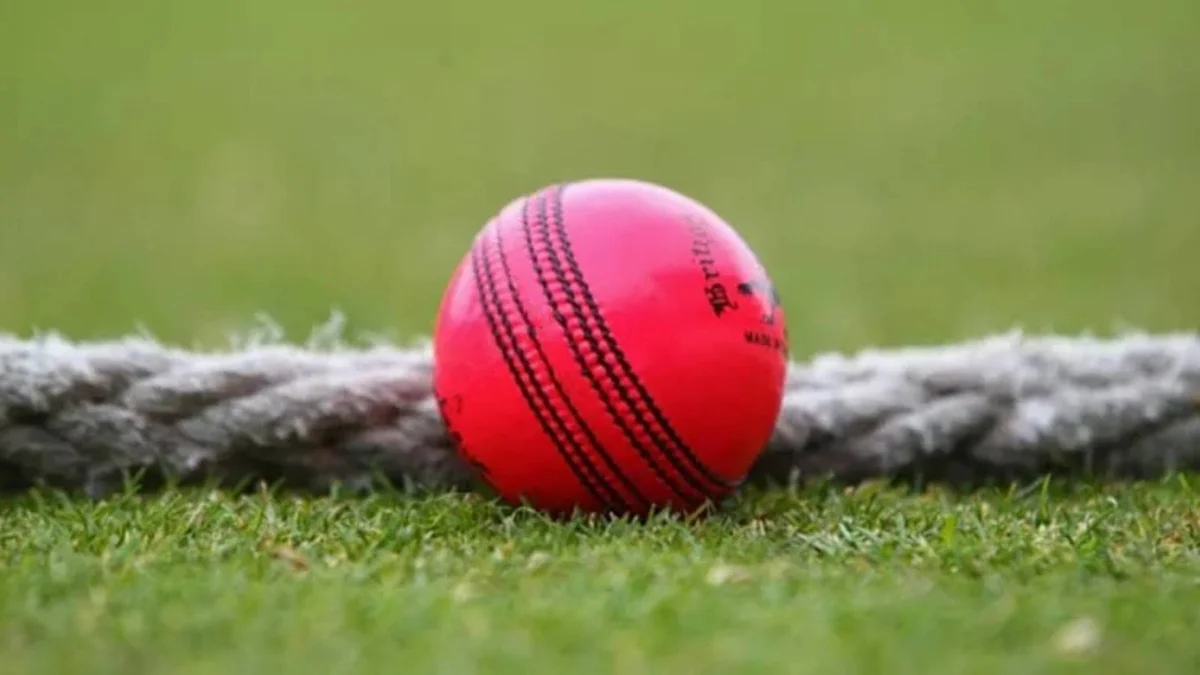
Ahmedabad, India – In a significant stride towards modernizing the venerable format of Test cricket, the International Cricket Council (ICC) has given its unanimous approval for a trial run allowing teams to switch from the traditional red ball to the day-night compatible pink ball midway through a Test match. This groundbreaking decision, aimed squarely at mitigating the perennial problem of bad light that frequently curtails playing time, was among a series of key recommendations ratified by the ICC Board during its recent meeting in Ahmedabad.
The audacious proposal stipulates that both competing teams must mutually agree to the mid-match ball change before the start of the game if prevailing weather conditions, particularly poor light, necessitate play under floodlights. This marks a substantial departure from existing regulations, which either mandate the use of a red ball for standard daylight Tests or a pink ball for pre-scheduled day-night encounters. The move underscores the ICC’s proactive approach to enhancing the spectator experience and ensuring the integrity of playing hours in the longest format of the game.
The Persistent Shadow of Bad Light: A Chronology of Innovation
The issue of bad light has long been a frustrating and often contentious aspect of Test cricket, capable of derailing momentum, denying thrilling finishes, and diminishing the spectacle for both players and fans. Throughout its rich history, Test matches have frequently been interrupted or prematurely ended due to insufficient natural light, leading to countless lost overs and dissatisfaction. While floodlights have been a feature in many Test venues for years, their use has typically been restricted to situations where natural light is waning but still dominant, preventing a full shift to artificial illumination with the red ball.
The Genesis of Day-Night Cricket and the Pink Ball:
The concept of day-night Test cricket emerged as a direct response to declining attendances and a desire to make the traditional format more accessible to a wider audience, particularly those working conventional hours. The primary hurdle was the visibility of the red ball under artificial lights, which proved inadequate for both players and television broadcasts. This led to extensive research and development, culminating in the creation of the pink ball. Designed to retain its visibility under floodlights while mimicking the characteristics of a red ball as closely as possible, the pink ball offered a viable solution.
The historic inaugural day-night Test, featuring Australia and New Zealand, took place in Adelaide in November 2015. It was heralded as a resounding success, drawing large crowds and positive reviews for its innovative approach. The pink ball, under the brilliant glare of floodlights, added a new dimension to Test cricket, creating a captivating spectacle, especially during the twilight period when conditions for bowlers often became particularly challenging.
A Mixed Global Reception:
Following its promising debut, the pink ball and day-night Tests witnessed varied adoption across the cricketing world. Australia, a pioneer in the format, has consistently embraced day-night Tests, hosting one almost every season "Down Under." Their success can be attributed to strong domestic day-night cricket traditions, excellent lighting infrastructure, and a proactive approach from Cricket Australia.
However, the innovation has not been universally embraced with the same fervour. Many other cricketing nations have been more hesitant. India, despite its immense cricketing passion, has hosted only a handful of day-night Tests, with the most recent being against Sri Lanka in Bengaluru in 2022. England, another stronghold of Test cricket, has staged just one day-night Test – against the West Indies in 2017 – despite their packed summer schedule often being impacted by capricious weather and fading light.
Reasons for this limited adoption are multifaceted. Concerns have frequently been raised about the pink ball’s durability, its tendency to scuff more easily than the red ball, and its significant impact on playing conditions, particularly favouring seam bowlers and presenting unique challenges for batsmen, especially during the crucial twilight phase. The unfamiliarity with its characteristics and the perceived alteration to the traditional rhythm and strategy of Test cricket have also contributed to a cautious approach from many boards.
The New Proposal: A Tactical Game-Changer:
What differentiates this newly approved trial from the existing day-night Test concept is its reactive nature. Instead of scheduling an entire Test as a day-nighter, this allows for a strategic, mid-match intervention in a red-ball Test. The aim is not to transform a Test into a full day-night affair, but to rescue specific sessions or days from the clutches of bad light, thereby maximizing playing time and preserving the flow of the match. This represents a pragmatic solution, acknowledging the realities of weather and light without completely overhauling the traditional Test format. The "before the start of the game" agreement clause is critical, ensuring both teams are aware of the potential scenario and can plan accordingly, preventing any mid-match disputes over fairness or advantage.
Supporting Data and Technical Nuances of the Pink Ball
The performance and characteristics of the pink ball are central to understanding the implications of this new trial. Unlike its red counterpart, the pink ball is specifically engineered for visibility under artificial lighting.
Pink Ball Characteristics and Performance:
- Visibility: The primary reason for its existence, pink offers the best compromise between standing out against green grass and white sight screens under floodlights, without being confused with the white ball used in limited-overs cricket.
- Manufacturing Challenges: Crafting a pink ball that maintains its colour, seam integrity, and shine throughout a long Test innings is a complex process. Manufacturers have experimented with different dyes, lacquers, and leather treatments to ensure durability and consistent performance. Early versions of the pink ball were criticized for losing their colour too quickly or scuffing excessively, issues that have largely been addressed over time.
- Performance Dynamics: It is widely acknowledged that the pink ball behaves differently from the red ball. Anecdotal evidence and statistical analysis suggest a pronounced tendency for the pink ball to favour seam bowlers. It often swings more, especially in the early stages, and can exhibit significant lateral movement off the pitch. The polished surface, designed to reflect light, can also contribute to this movement.
- Twilight Zone Effect: The period just before and after sunset, often dubbed the "twilight zone," is particularly challenging for batsmen when facing the pink ball. The changing light conditions, coupled with potential dew, can make the ball harder to sight and predict its movement, giving bowlers a distinct advantage. This imbalance has been a key concern for many teams and players.
- WTC Points at Stake: The fact that World Test Championship (WTC) points are up for grabs in these matches adds another layer of complexity. Teams will need to weigh the potential benefits of avoiding lost time against the tactical risks associated with switching to a ball that might significantly alter the balance between bat and ball. A captain’s decision to agree to the trial could have profound implications for their team’s WTC standing.
Current Bad Light Regulations vs. New Proposal:
Under existing playing conditions, if both teams agree before the start of a Test series, floodlights can be used in cases of bad light. However, a critical caveat remains: artificial light should not dominate the natural one. This often means that while floodlights can supplement dwindling daylight, they cannot fully compensate for genuinely poor light, leading to inevitable stoppages.
The new recommendation fundamentally changes this. By allowing a switch to the pink ball, teams can fully embrace floodlights, effectively transforming the playing environment to one suitable for sustained play under artificial illumination. This bypasses the "natural light dominance" clause, offering a more robust solution to extended play.
Geographical Imperatives: Bad Light in India:
India, a cricketing powerhouse, frequently grapples with bad light, particularly in its eastern regions. Test matches held in venues like Kolkata and Guwahati have historically seen significant interruptions due to early sunsets during the winter months. Similarly, some northern Indian venues can experience issues with natural light during late afternoons in winter.
The prospect of India hosting Australia in a Test match in Guwahati next year presents a compelling case study for this new trial. Australia, with its extensive experience and familiarity with the pink ball, would likely be more amenable to such a switch. The decision for the Board of Control for Cricket in India (BCCI) and the Indian team to agree to this recommendation will be keenly watched, as it could signal a broader acceptance of the pink ball as a reactive tool in Test cricket.
ICC and MCC Research Initiatives:
Recognizing that the ball switch is one piece of a larger puzzle, the ICC has also announced its commitment to undertaking comprehensive research into lighting technology. This R&D project, co-funded with the prestigious Marylebone Cricket Club (MCC), aims to develop advanced lighting solutions for match officials and venues. The goal is to further reduce time lost due to poor light, whether through enhanced stadium lighting or improved equipment for umpires and players. This holistic approach suggests a long-term vision for addressing light-related interruptions in Test cricket.
Official Responses and Broader Industry Implications
The ICC’s decision reflects a concerted effort to safeguard Test cricket’s future by making it more resilient to external factors and more appealing to modern audiences.
ICC’s Strategic Objectives:
The primary goals behind this innovation are clear:
- Maximize Playing Time: Reduce frustrating delays and lost overs, ensuring more cricket is played.
- Enhance Spectator Experience: Deliver uninterrupted action, leading to more engaging and potentially decisive sessions.
- Preserve Test Cricket’s Integrity: Prevent matches from being prematurely drawn or affected by factors beyond the players’ control.
- Promote Flexibility: Offer teams and venues a pragmatic tool to adapt to challenging conditions.
Anticipated Player Perspectives:
- Batsmen: Likely to express concerns about the pink ball’s movement and visibility, particularly during twilight. They will need to adapt their techniques and strategies, which could be a significant challenge.
- Bowlers (Seamers): Will likely welcome the potential for increased swing and seam movement, especially when light fades. It offers them an opportunity to exploit conditions that might otherwise lead to stoppages.
- Captains and Coaches: The decision to agree to the trial will become a critical tactical consideration. They will need to weigh the potential for gaining an advantage (or mitigating a disadvantage) against the risks of playing with an unfamiliar ball under lights. It adds a new layer of strategic complexity to pre-match planning.
Impact on Broadcasters and Fans:
- Broadcasters: Will benefit immensely from fewer interruptions, leading to more consistent programming and potentially higher viewership. The ability to guarantee more playing time under lights makes scheduling more predictable and attractive for advertisers.
- Fans: Will undoubtedly appreciate less downtime and more continuous action. The drama of a session played under lights with a pink ball could create compelling television and stadium experiences, potentially revitalizing interest in Test cricket.
Challenges of Implementation:
Despite the optimism, several practical challenges will need to be addressed:
- Ground Readiness: Not all Test venues may have adequate floodlighting infrastructure to support full-time play under lights.
- Umpire Discretion: Defining the exact threshold for "bad light" that triggers the potential switch could be subjective and contentious. Clear guidelines will be crucial.
- Fairness: Ensuring that the mid-match switch does not unduly advantage one team over the other will be paramount. The "mutual agreement before the start of the game" clause aims to address this.
- Logistics: The availability and condition of replacement pink balls mid-match will need to be meticulously managed.
Broader ICC Decisions and Future Outlook
Beyond the groundbreaking pink ball trial, the ICC Board meeting in Ahmedabad addressed a range of other critical issues, highlighting the world body’s multifaceted agenda for the sport’s development and regulation.
Enhancing Match Official Capabilities:
In a move aimed at bolstering the integrity of bowling actions, the ICC will grant its match officials access to Hawk-Eye data. This advanced analytical tool will provide objective, real-time information to assist officials in identifying and reporting illegal bowling actions, fostering fair play and consistency across all formats.
Refining the Laws of Cricket:
The meeting also saw the permanent adoption of a revised wide ball rule for white-ball cricket. A ball that passes the popping crease between the leg stump and the protected area marker will no longer automatically be called a wide. Crucially, if the batsman moves before the ball is delivered, the deemed markers for the wide call will also move correspondingly, mirroring a successful trial seen during the Indian Premier League (IPL). This rule change, trialed since last October, aims to reward accurate bowling and prevent batsmen from deliberately moving to create a wide.
Coaching Access during Intervals:
To streamline tactical discussions and player management, head coaches or support staff will now be permitted to enter the field of play during scheduled interval breaks in One Day Internationals (ODIs), aligning the rules with those already in place for Twenty20 Internationals (T20Is). This change acknowledges the increasingly strategic nature of white-ball cricket and the need for immediate coaching input.
Addressing the Franchise Cricket Conundrum:
Perhaps one of the most significant long-term concerns discussed was the burgeoning expansion of franchise T20 leagues globally. With two new tournaments slated for Europe and a multitude of existing leagues, the ICC expressed "concern regarding growing expanse of franchise cricket" and its potential adverse impact on the international calendar. In response, the Board resolved to form a dedicated committee to assess the "harmonisation of franchise cricket with international calendar within the current structure." This committee will tackle the complex challenge of balancing the commercial allure of T20 leagues with the imperative of preserving the primacy and availability of international cricket, a critical issue for player welfare, national team strength, and the overall health of the sport.
Developments in Women’s Cricket:
The ICC continues its commitment to developing women’s cricket:
- ICC Women’s Champions Trophy 2027: The tournament has been rescheduled from June-July to February 14-28, potentially optimizing player availability and weather conditions.
- Women’s Emerging Nations Trophy 2026: A pilot event featuring 10 teams (five Full Members and five Associate Members, selected by rankings and T20 World Cup qualification) will be introduced, aiming to provide exposure and development opportunities for emerging cricketing nations.
Men’s T20 World Cup Qualification:
The ICC will establish a Global Qualifier for Men’s T20 World Cups, with details on the competition structure and qualification pathway for a 16-team event to be revealed soon. This aims to create a more robust and transparent pathway for Associate nations to reach the pinnacle T20 event.
Membership Suspension:
In a stern measure, Cricket Canada was suspended from ICC membership with immediate effect due to "serious breaches of its membership obligations," underscoring the ICC’s commitment to good governance and adherence to its statutes by all member boards.
The ICC’s latest decisions, particularly the trial for a mid-match pink ball switch, represent a bold, yet necessary, step in the evolution of Test cricket. While traditionalists may view such changes with apprehension, the world body’s intent is clear: to innovate, adapt, and ensure the longevity and vibrancy of the sport’s most revered format. The success of these trials, however, will ultimately depend on their practical implementation, player acceptance, and a collective willingness across cricketing nations to embrace sensible progress while cherishing the timeless essence of Test match cricket.
