

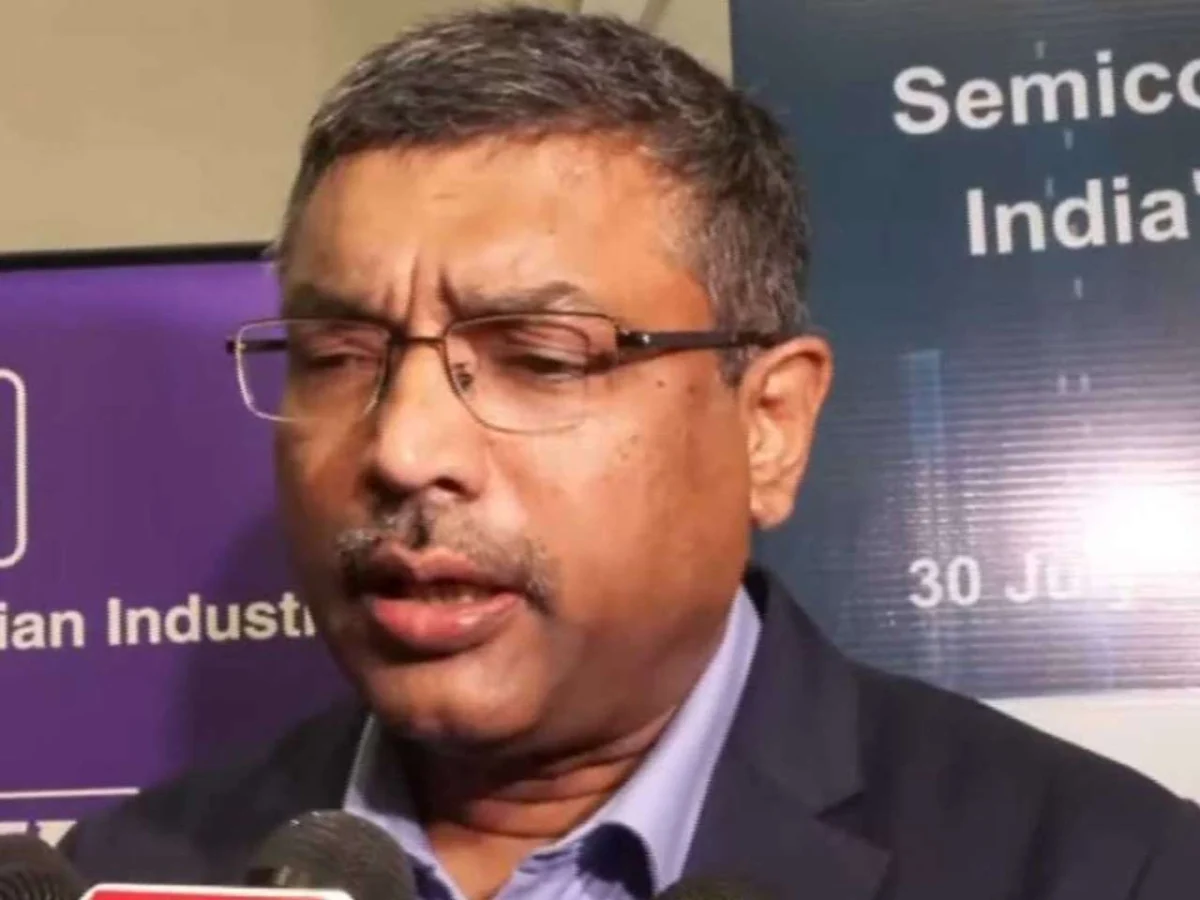
NEW DELHI, INDIA – In a significant move underscoring India’s increasingly assertive stance on digital governance, the Ministry of Electronics and Information Technology (MeitY) has summoned Meta’s senior-most representatives to New Delhi. The directive comes in the wake of a series of "issues flagged by authorities," prominently including the brief removal of a Facebook video featuring Prime Minister Narendra Modi. The government is demanding comprehensive explanations at both policy and technical levels, signaling a deepening engagement in the contentious domain of content moderation and platform accountability.
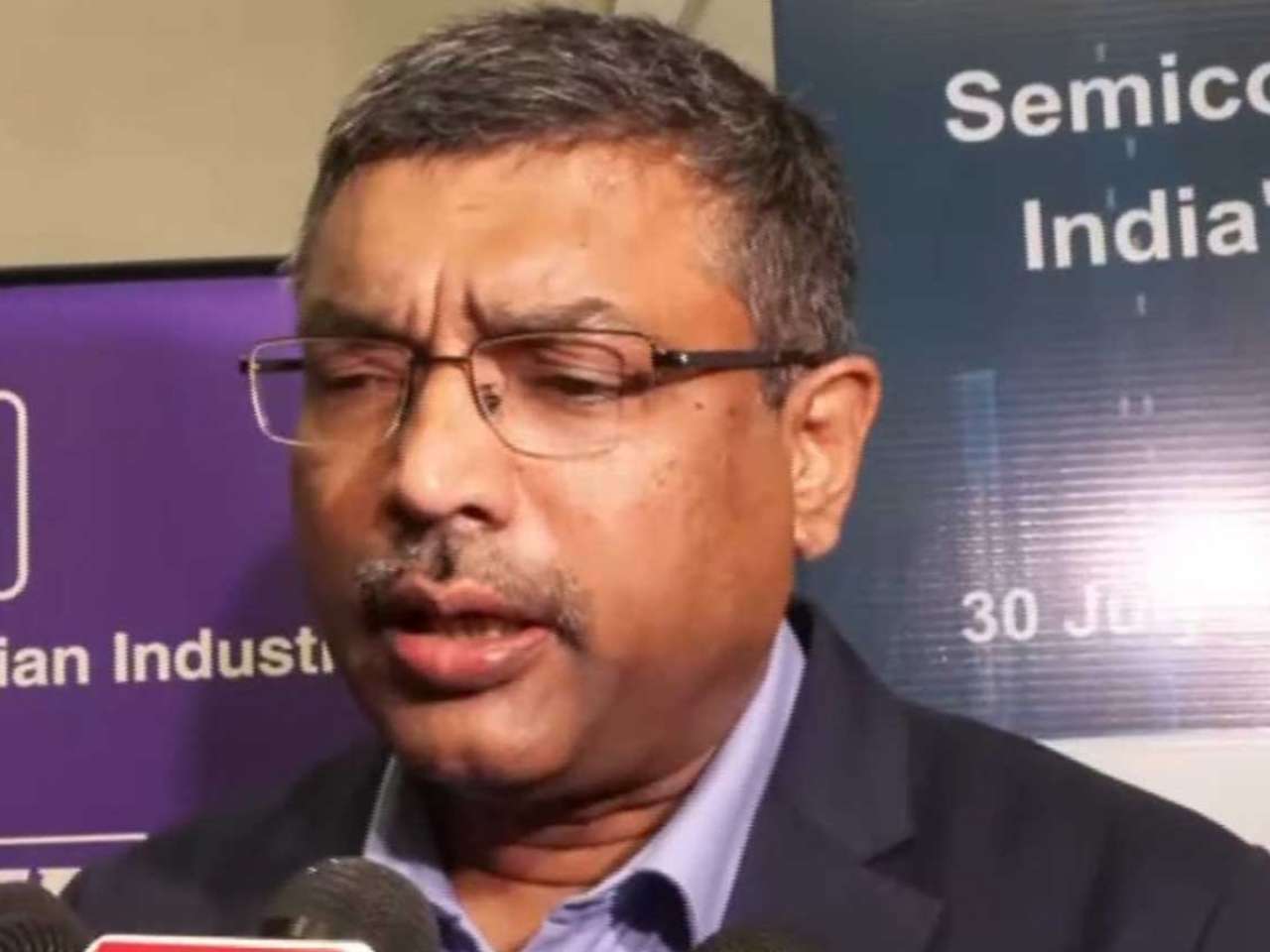
S. Krishnan, Secretary of MeitY, confirmed the summons, emphasizing the government’s intent to gain clarity on the circumstances surrounding these incidents and to evaluate how the social media giant plans to adapt its practices to align with India’s concerns. This high-level interaction, anticipated within the next week to ten days, is expected to set a new precedent for the relationship between global tech behemoths and one of the world’s largest digital democracies.
India’s Ministry of Electronics and Information Technology Takes Firm Stance
The decision to summon Meta’s top brass reflects a deliberate escalation by the Indian government, moving beyond mere statements to direct, high-stakes dialogue. Secretary Krishnan, speaking to ANI, articulated the government’s expectation for Meta to send its most senior officials. "Meta, we have asked them to come in at the highest level and explain what is happening and why the kind of issues that we see…," he stated, underscoring the seriousness with which the ministry views these matters.
This move is not merely about a single incident but represents a broader inquiry into Meta’s operational protocols, content moderation policies, and technical architecture as they pertain to the Indian context. The government’s objective is two-fold: to understand the root causes of the flagged issues from both policy and technical standpoints, and critically, to assess Meta’s commitment and capability to modify its practices to address India’s specific regulatory and socio-political landscape. The dialogue will likely delve into the mechanisms of algorithmic decision-making, human oversight in content review, and the company’s responsiveness to governmental directives.
)
High-Level Meeting Demanded
The insistence on senior-most representatives highlights the government’s demand for direct accountability from the decision-makers within Meta. It suggests that previous communications or lower-level engagements may not have sufficiently addressed the concerns raised by Indian authorities. Such high-level meetings are rare and typically reserved for situations where significant policy or operational changes are deemed necessary by the host nation. For Meta, this represents a crucial opportunity to rebuild trust and demonstrate its commitment to operating responsibly within India’s jurisdiction.
The Immediate Catalyst: PM Modi’s Facebook Video
While MeitY’s concerns extend to broader "policy and technical issues," the immediate trigger for this decisive action appears to be the brief, albeit politically sensitive, removal of a Facebook video featuring Prime Minister Narendra Modi. The video, addressing the critical issue of examination paper leaks, was temporarily unavailable on July 28 before being swiftly restored. Meta’s spokesperson later attributed this incident to a "technical error," a explanation that the Indian government evidently found insufficient to allay its concerns. The incident underscored the delicate balance of power and influence between global social media platforms and national governments, especially when content involving prominent political figures is concerned. The government’s reaction signals zero tolerance for any perceived interference or misstep affecting official communications, particularly those from the head of state.

Chronology of Events: A Timeline of Digital Diplomacy and Content Disputes
The current summons is the culmination of a series of events, beginning with a significant national controversy that drew the Prime Minister’s direct intervention, followed by Meta’s algorithmic misstep, and the government’s subsequent demand for accountability.
The NEET-UG 2026 Controversy and PM Modi’s Address
The backdrop to this entire saga is the widespread student agitation across India concerning alleged irregularities in the NEET-UG 2026 examination. The National Eligibility cum Entrance Test (Undergraduate) is the gateway for admissions to medical and dental colleges nationwide, making it one of the most crucial and competitive examinations in India. Reports of paper leaks and discrepancies sparked widespread protests, notably led by the "Cockroach Janta Party (CJP)," mobilizing a significant segment of India’s youth, particularly "Gen Z." The controversy became a national flashpoint, raising serious questions about the integrity of the examination system and the future of millions of aspiring medical professionals.
)
In response to the escalating crisis and the palpable distress among students, Prime Minister Narendra Modi released a video address on July 23. This video marked his first direct communication with Gen Z amidst the 36-day-long student agitation. His address was intended to reassure students, acknowledge their concerns, and outline the government’s commitment to taking stringent action against those responsible for the paper leaks. Given the immense public interest and political sensitivity surrounding the issue, the Prime Minister’s message carried significant weight and was crucial for the government’s narrative control and public engagement strategy.
The Video’s Brief Disappearance and Restoration
In the early hours of July 28, the very video that sought to address a national crisis became the subject of a new controversy. Prime Minister Modi’s Facebook video was briefly restricted or removed from the platform. The exact duration of its unavailability was short, but long enough to cause alarm and raise questions about content moderation practices, particularly concerning high-profile political figures. In the digital age, even a momentary disappearance of official communication from the head of government can be interpreted in various ways, ranging from technical glitches to deliberate censorship, irrespective of the platform’s intent. The incident immediately drew attention from government authorities and the public alike.
)
Meta’s Swift Action and Apology
Following the brief removal and subsequent restoration of the video, a Meta spokesperson issued a statement acknowledging the error. "The content was removed in error and has since been restored," the spokesperson clarified, attributing the incident to a technical glitch. While Meta’s prompt restoration and explanation aimed to mitigate the situation, the incident had already caught the attention of MeitY. Later, Secretary Krishnan confirmed that Meta had formally written to the government, expressing regret over the incident and providing its understanding of the reasons behind it. This swift communication underscores Meta’s recognition of the sensitivity involved and its desire to address the government’s concerns.
Government’s Escalation: The Summons
Crucially, Meta also informed the government that, as of July 28 – the very day of the incident – it had established new protocols specifically concerning accounts of "prominent persons." These new measures are explicitly designed to prevent a recurrence of such incidents, suggesting an immediate internal review and policy adjustment within Meta’s content moderation framework. However, despite Meta’s apologies and proactive steps, the Indian government deemed the situation serious enough to demand a direct, high-level engagement. The summons, announced by Secretary Krishnan on Thursday, signifies that the government requires more than just an apology and an explanation; it demands an in-person, detailed account and a concrete plan for future compliance and collaboration. The timeline for Meta’s appearance is set for "within the next week, ten days," indicating the urgency with which MeitY is pursuing this matter.
)
Supporting Data and Context: India’s Digital Landscape and Regulatory Framework
The summons to Meta is not an isolated event but rather part of a larger narrative concerning digital governance in India. The nation’s vast digital population, coupled with its evolving regulatory landscape, presents unique challenges and opportunities for global tech giants.
The Significance of India for Global Tech Giants
India represents a colossal market for companies like Meta. With hundreds of millions of internet users, it is one of the largest and fastest-growing digital economies globally. Platforms like Facebook, Instagram, and WhatsApp (all owned by Meta) have deeply integrated into the daily lives of Indians, serving as primary communication channels, news sources, and commercial platforms. This massive user base translates into significant economic stakes for Meta, making India a critical strategic market for its global growth ambitions. Any regulatory friction or perceived non-compliance could have substantial repercussions for the company’s operations, user base, and revenue streams in the country. The sheer scale of user engagement also means that content moderation challenges are amplified, requiring nuanced understanding of local languages, cultural sensitivities, and political dynamics.
)
A Vast User Base and Economic Stakes
Meta’s family of apps boasts an unparalleled reach in India. WhatsApp, for instance, has over 500 million users in India, making it its largest market. Facebook and Instagram also command massive user bases. This penetration makes these platforms indispensable for public discourse, commerce, and personal communication. Consequently, any disruption or regulatory action can have far-reaching societal and economic impacts. The government’s ability to influence the operations of such platforms directly impacts the digital lives of a significant portion of its citizenry.
The Regulatory Environment: IT Rules 2021 and Intermediary Liability
India’s approach to digital governance has been progressively tightening, particularly with the promulgation of the Information Technology (Intermediary Guidelines and Digital Media Ethics Code) Rules, 2021 (IT Rules 2021). These rules impose significant obligations on social media intermediaries, including requirements for grievance redressal mechanisms, traceability of messages (for significant social media intermediaries), proactive content moderation, and cooperation with law enforcement agencies. The rules aim to strike a balance between safeguarding fundamental rights, ensuring accountability of online platforms, and maintaining public order.
)
Balancing Free Speech and Content Control
The IT Rules 2021 have been a point of contention between the government and tech companies, as well as with civil society organizations, due to concerns about their potential impact on freedom of speech and privacy. The government, however, views these rules as essential for maintaining law and order, preventing the spread of misinformation, and ensuring that platforms are accountable for content hosted on their services. The current summons to Meta directly relates to these broader regulatory expectations, especially concerning content moderation and the handling of politically sensitive material. The government is seeking to assert its sovereign right to regulate digital spaces within its borders, pushing back against the perception of platforms operating without sufficient local oversight.
Past Tensions and Precedents
This is not the first instance of friction between the Indian government and global tech giants. In the past, platforms like Twitter (now X) have faced similar pressures regarding content moderation, compliance with government orders to block accounts, and adherence to new intermediary guidelines. WhatsApp has also challenged certain aspects of the IT Rules 2021 in court, particularly the traceability clause, citing concerns about end-to-end encryption and user privacy. These historical precedents indicate a consistent pattern of the Indian government pushing for greater control and accountability from tech platforms, making the current summons to Meta a continuation of this overarching policy direction.
)
Understanding Content Moderation Challenges
Content moderation is an inherently complex and resource-intensive task, especially at the scale of Meta’s global operations. Platforms rely on a combination of artificial intelligence (AI) and human reviewers to enforce their community standards and local laws.
AI, Human Review, and Algorithmic Bias
AI systems are crucial for flagging vast quantities of potentially problematic content, but they are not infallible and can sometimes make errors, particularly in nuanced or rapidly evolving contexts. Human reviewers provide the necessary context and judgment, but they too face challenges related to language barriers, cultural differences, and the sheer volume of content. The incident involving PM Modi’s video, attributed to a "technical error," likely points to an algorithmic misidentification or an automated system flagging content inappropriately. Such incidents highlight the limitations of AI in understanding political sensitivity and context, especially in a dynamic environment like India. The government’s demand for technical clarity implies an inquiry into the specifics of these algorithms and the safeguards in place to prevent similar errors.
)
The "WhatsApp Username Issue" and Data Governance
Secretary Krishnan also mentioned that the government is examining the "WhatsApp username issue" and has sought views from various messaging platforms. While details remain sparse, this likely pertains to concerns about user identification, privacy, or potentially the implementation of new features that could impact user anonymity or data collection. In an era where data governance and user privacy are paramount, any changes or issues related to how platforms identify and manage user data can become a significant point of regulatory scrutiny. This suggests a broader government interest in understanding and influencing how platforms handle user identities and data, potentially linking to the "traceability" requirements of the IT Rules 2021.
Official Responses: Demands for Clarity and Accountability
The public statements from both MeitY and Meta offer insights into the immediate reactions and positions of the involved parties, while also hinting at the underlying tensions and expectations.
)
MeitY Secretary S. Krishnan’s Assertions
Secretary Krishnan’s statements have been unequivocal: the government demands a thorough explanation and a clear path forward. His emphasis on understanding issues from both "policy and technical perspectives" underscores a holistic approach to regulating digital platforms. Policy concerns would involve Meta’s internal guidelines, their alignment with Indian laws, and how decisions regarding content (especially political content) are made. Technical concerns would delve into the actual mechanisms – algorithms, automated systems, human review processes – that lead to content being moderated or removed.
Unpacking "Policy and Technical Levels"
At the policy level, the government might inquire about Meta’s content moderation framework, its appeal processes, and how it handles complaints from users and governments. It may also question the consistency of Meta’s policies across different jurisdictions and how local cultural and political sensitivities are incorporated. From a technical standpoint, the government could seek details on the AI models used for content detection, the specific triggers that led to the removal of PM Modi’s video, the manual review workflows, and the data security protocols in place. This level of detail is critical for the government to assess the robustness and fairness of Meta’s systems.
)
Meta’s Acknowledgment and New Protocols
Meta’s response, as conveyed by Secretary Krishnan, has been one of regret and proactive measures. The company’s acknowledgment of the incident and its explanation of the reasons suggest an attempt to de-escalate the situation. More significantly, the establishment of "new protocols relating to accounts of prominent persons to avoid such a situation from recurring" indicates a direct response to the political sensitivity of the incident. This move suggests that Meta recognizes the unique status of official communications and figures in India and is willing to implement specialized safeguards. The effectiveness and specifics of these new protocols will undoubtedly be a key area of discussion during the upcoming meeting.
Meta’s Stance: Technical Glitch and Commitment to Compliance
Meta’s public statement attributing the incident to a "technical error" aligns with its typical approach to such incidents, often emphasizing the scale and complexity of managing billions of pieces of content daily. While the company is yet to issue a detailed public statement specifically on the summons, its historical posture suggests a commitment to cooperating with governments while also advocating for its platform’s autonomy and global standards. The upcoming meeting will be crucial for Meta to articulate its commitment to India’s regulatory framework and to demonstrate robust mechanisms for preventing future errors, especially those that touch upon national political sensitivities.
)
Acknowledging Errors, Reiterating Cooperation
The immediate restoration of the video, the subsequent apology, and the swift implementation of new protocols reflect Meta’s understanding of the gravity of the situation and its desire to maintain a constructive relationship with the Indian government. The company’s representatives will likely reiterate their commitment to compliance with Indian laws and regulations, while also explaining the technical intricacies of content moderation at scale. The challenge for Meta will be to balance its global content policies with the specific demands and expectations of the Indian state, particularly concerning political content and official communications.
Implications: Shaping the Future of Digital Governance in India
The summons to Meta holds significant implications, not just for the social media giant but for the broader landscape of digital governance in India and the evolving relationship between democratic states and global tech corporations.
)
Intensified Scrutiny and Regulatory Pressure
This incident and the subsequent government action signal an era of intensified scrutiny for all social media platforms operating in India. The government’s willingness to summon the senior-most leadership of a global tech giant sends a clear message that it will not hesitate to exercise its regulatory powers to ensure compliance and accountability. This could lead to increased demands for transparency in content moderation, more stringent reporting requirements, and potentially even new legislation to address gaps in the existing framework. Platforms will likely face greater pressure to localize their content moderation teams, develop a deeper understanding of Indian socio-political nuances, and build more robust communication channels with government agencies.
Impact on Meta’s Operations and Public Image
For Meta, the summons represents a critical juncture. A successful resolution could reinforce its position as a responsible and compliant player in the Indian market. However, any perceived stonewalling or inadequate response could severely impact its public image, potentially leading to user backlash, stricter regulatory actions, or even operational restrictions. The company’s ability to demonstrate genuine commitment to addressing India’s concerns will be vital for its long-term success and growth in the country. The establishment of new protocols for "prominent persons" is a positive step, but the government will likely seek assurances that these measures are comprehensive and effective.
)
The Broader Debate: Platform Autonomy vs. National Sovereignty
At its core, this incident reignites the fundamental debate between the autonomy of global digital platforms and the sovereignty of nation-states. Tech companies often advocate for self-regulation and adherence to global community standards, while governments assert their right to regulate digital spaces within their national borders to protect national interests, public order, and citizen rights. The Indian government’s actions firmly place national sovereignty and regulatory oversight above perceived platform autonomy, particularly when content involving the head of state is concerned.
Precedent for Government Intervention
The summons sets a strong precedent for future government interventions when issues of content moderation, technical glitches, or policy compliance arise. Other tech companies operating in India will be closely observing the outcome of this engagement, as it will likely shape the expectations and demands placed upon them. This could lead to a more formalized and robust framework for government-platform interactions, potentially including regular review meetings, enhanced reporting mechanisms, and clearer channels for dispute resolution.
)
The Role of Social Media in Political Discourse and Public Trust
The incident also highlights the critical role social media platforms play in shaping political discourse and public trust. When content from the Prime Minister is briefly removed, it can fuel narratives of censorship, misinformation, or even foreign interference, irrespective of the actual cause. This underscores the immense responsibility platforms bear in ensuring the integrity and reliability of information, especially during sensitive political periods. The government’s actions aim to ensure that these platforms serve as reliable conduits for official communication and do not inadvertently undermine public trust in democratic processes.
Towards a New Paradigm of Digital Responsibility
Ultimately, the summons to Meta signifies a move towards a new paradigm of digital responsibility in India. It demands that global tech companies not only adhere to local laws but also proactively adapt their policies and technical systems to the unique socio-political and cultural contexts of the nation. The outcome of this high-level meeting will likely shape the contours of digital governance in India for years to come, influencing how content is moderated, how data is handled, and how tech giants navigate the complex and increasingly regulated digital landscape of one of the world’s most vibrant democracies.
