

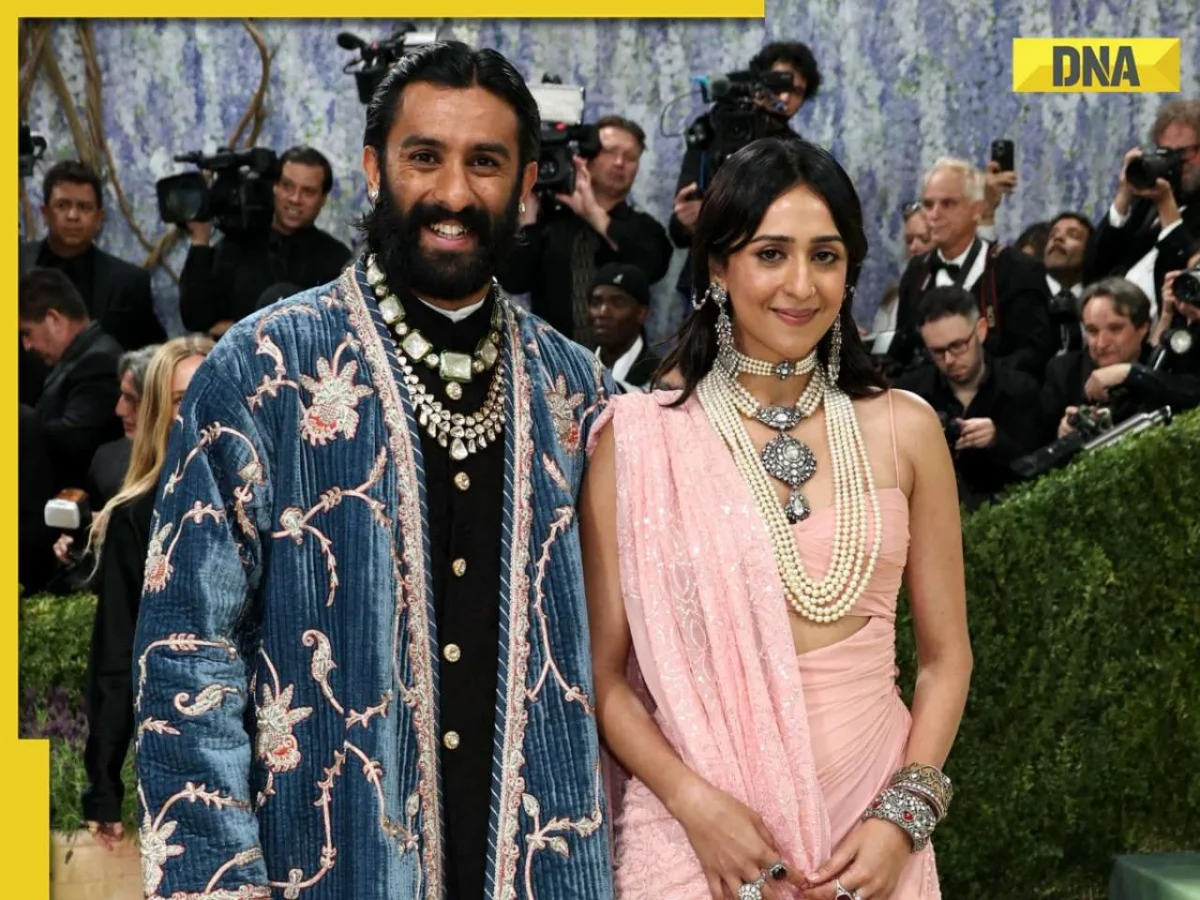
New York, NY – May 5, 2026 – The hallowed halls of the Metropolitan Museum of Art, usually a sanctuary for artistic masterpieces, bore witness to a living embodiment of regal heritage last night. Maharaja Sawai Padmanabh Singh of Jaipur, affectionately known as ‘Pacho’ to his inner circle, captivated the global fashion elite at the Met Gala 2026, presenting a breathtaking fusion of Indian craftsmanship and contemporary haute couture. His presence on the iconic red carpet was more than just a fashion statement; it was a powerful declaration of Jaipur’s enduring legacy, meticulously translated into a sartorial narrative by the acclaimed designer Prabal Gurung.
This year’s Met Gala, with its enigmatic theme yet to be fully unveiled to the public, saw a constellation of stars and style icons descend upon New York. However, it was Maharaja Sawai Padmanabh Singh who truly stole the spotlight, his ensemble a testament to the rich tapestry of Indian artistry. The ‘Phulghar coat,’ a custom creation by Prabal Gurung, was not merely a garment but a meticulously crafted narrative, drawing inspiration from the opulent heritage of Jaipur and the ancestral lineage of the Kachwaha dynasty. This appearance marks a significant moment, positioning Indian royal heritage and artisanal skill on the world’s most prestigious fashion stage.
The Royal Scion: Unveiling Maharaja Sawai Padmanabh Singh
Maharaja Sawai Padmanabh Singh, the ceremonial head of Jaipur’s former royal family, hails from the illustrious Kachwaha dynasty, a lineage that once presided over the ‘Pink City.’ His ascension to the titular Maharaja was at a tender age of 12 in 2011, following the passing of his grandfather. Since then, he has gracefully embraced his role, becoming a vital custodian of Jaipur’s cultural identity and its storied royal legacy.
Beyond his royal duties, Maharaja Sawai Padmanabh Singh is a distinguished figure in the world of polo. He has represented India on international platforms, actively contributing to the sport’s promotion in contemporary India. His philanthropic endeavors are equally noteworthy, with a strong inclination towards social work. He has championed educational initiatives and women’s empowerment, actively supporting scholarships and digital learning programs for underprivileged girls. This multifaceted approach to his public life has solidified his reputation not just as a royal heir, but as a modern-day influencer with a deep commitment to his community and a keen eye for global trends. His frequent appearances at international events have consistently showcased his ability to blend traditional Indian aesthetics with contemporary fashion, making him a natural ambassador for his culture.
)
A Masterpiece of Craftsmanship: The Met Gala Ensemble
The ‘Phulghar coat’ worn by Maharaja Sawai Padmanabh Singh was a labor of love and dedication, reportedly requiring approximately 600 hours of meticulous work to complete. Designed by the visionary Prabal Gurung, the ensemble was a profound exploration of Indian craftsmanship, a harmonious dialogue between tradition and modern tailoring.
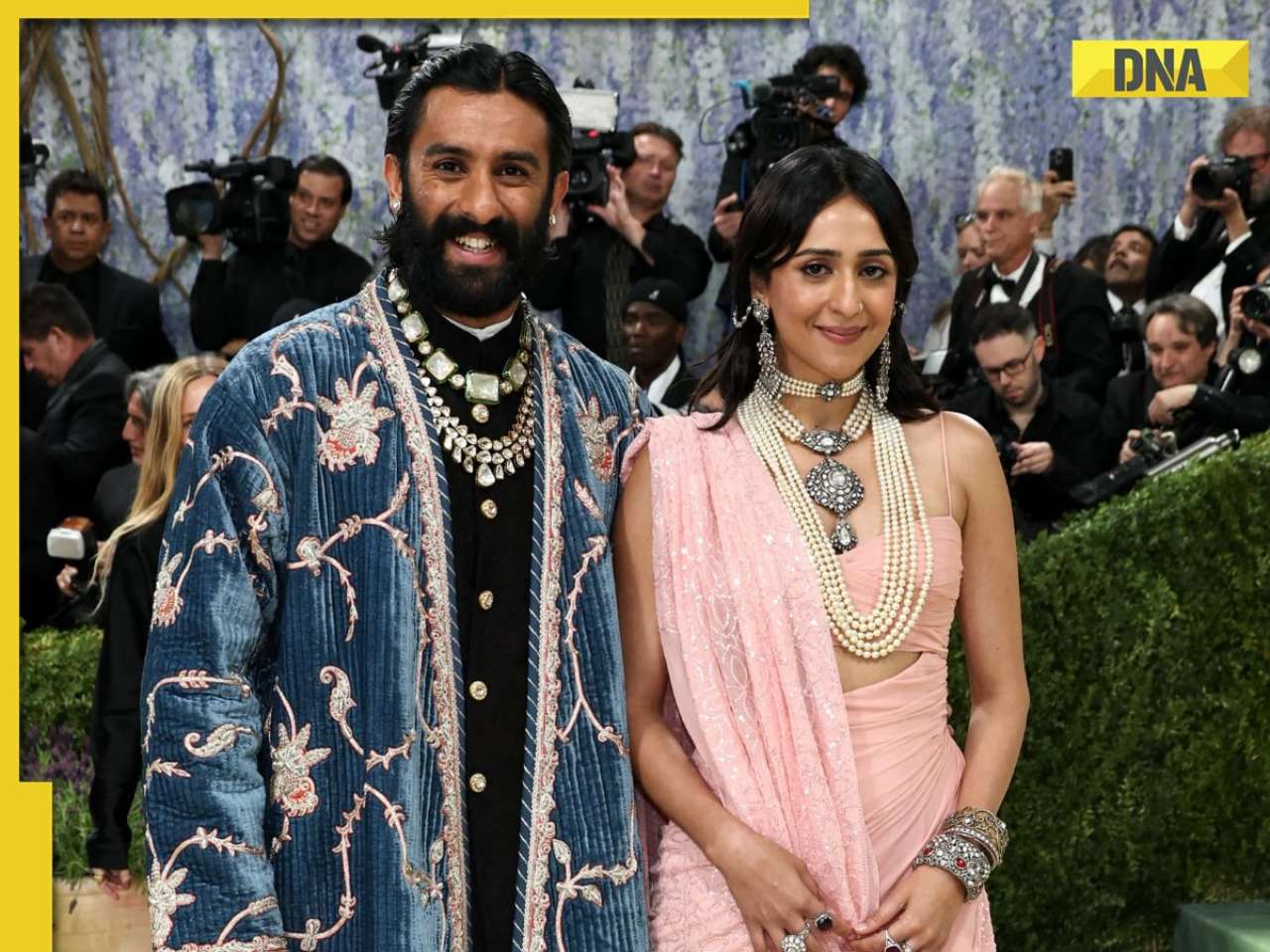
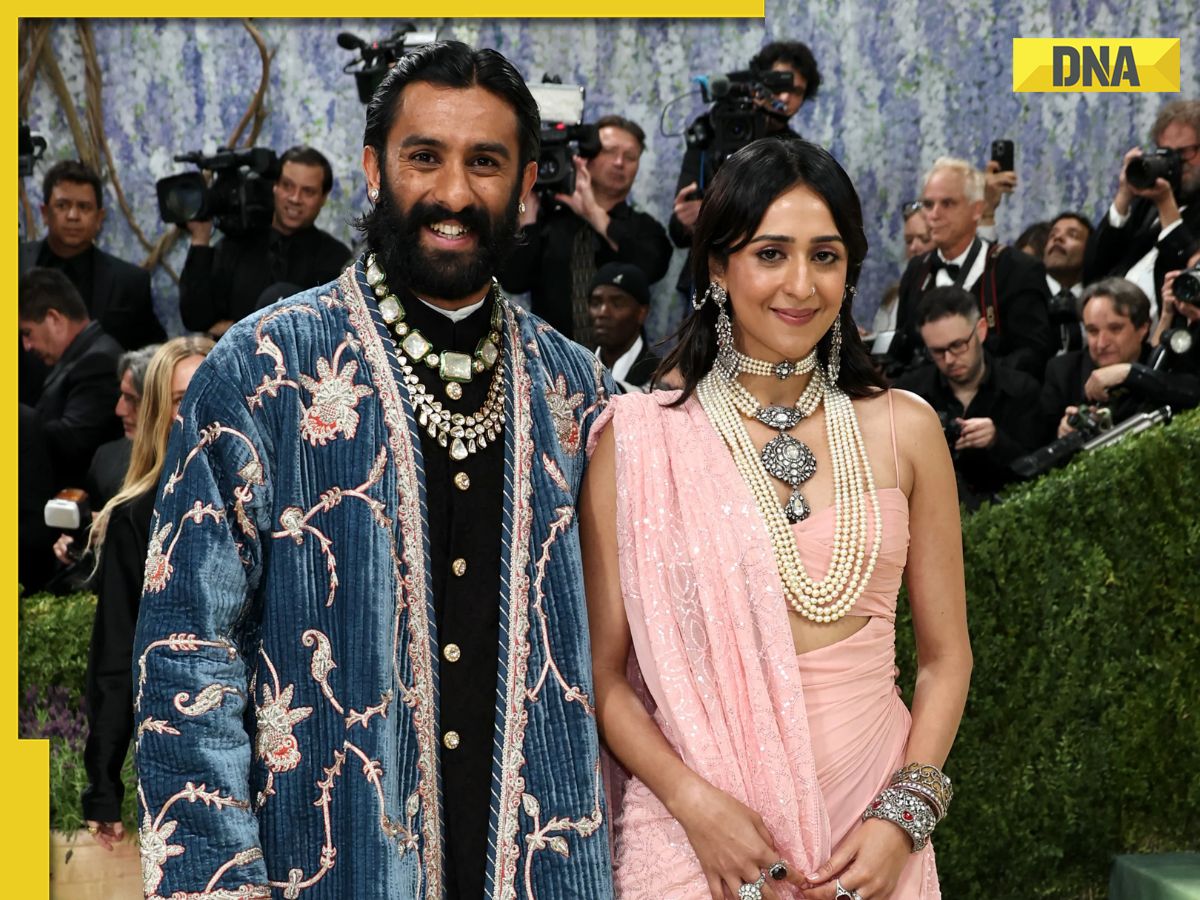
The coat itself was fashioned from luxurious midnight blue velvet and complemented by fine cotton, serving as a canvas for intricate aari and zardozi embroidery. The resham and dabka work, traditional Indian embellishment techniques, were executed with breathtaking precision, showcasing the unparalleled skill of Indian artisans.

A distinctive and symbolic element of the coat was the mirror sun motif, an homage to the Sri Niwas within Jaipur’s City Palace. This design was a direct nod to his Suryavanshi ancestral line, subtly weaving his royal heritage into the very fabric of the garment. The meticulous placement of these mirrors would have undoubtedly caught the light, creating a dazzling effect befitting the grandeur of the Met Gala.
Complementing the opulent coat were tailored black trousers, subtly incorporating elements of Jaipur design. The ensemble was further elevated by traditional jadau and polki jewelry, inspired by the renowned Johri Bazaar of Jaipur, a hub for exquisite gemstones and artisanal jewelry. This careful curation of accessories ensured that every detail resonated with the spirit of his royal lineage and the rich cultural heritage of his homeland.
)
The Maharaja’s younger sister, who accompanied him, also made a striking appearance, donning a resplendent chiffon saree from the collection of their grandmother, Maharani Gayatri Devi. This heirloom, lovingly reworked into a contemporary gown by Prabal Gurung, further underscored the intergenerational celebration of Indian heritage and fashion. The choice to include a piece from Maharani Gayatri Devi’s wardrobe was a poignant tribute to a fashion icon whose elegance and style continue to inspire.
The Design Philosophy: Blending Heritage and Modernity
Prabal Gurung, a designer known for his ability to weave personal narratives and cultural influences into his collections, found a perfect muse in Maharaja Sawai Padmanabh Singh. The collaboration was a testament to Gurung’s commitment to celebrating global artistry and bringing lesser-known craft traditions to the forefront of international fashion.
)
The ‘Phulghar coat’ is more than just a beautiful garment; it is a carefully constructed narrative. The term "Phulghar" itself evokes imagery of floral gardens, a common motif in Mughal and Rajput art, suggesting a rich, layered design. The intricate embroidery and mirror work are not merely decorative but represent centuries-old techniques passed down through generations of skilled artisans. The use of velvet and cotton, while seemingly simple, provides a rich textural contrast that enhances the visual appeal of the embroidery.
The inclusion of the mirror sun motif is particularly significant. The Suryavanshi, or sun-descended, lineage is a prominent aspect of Rajput history, and the representation of the sun symbolizes power, divinity, and royal lineage. By incorporating this symbol, Gurung and the Maharaja have created a piece that is both aesthetically stunning and deeply meaningful.
)
The tailored trousers, with their subtle Jaipur design elements, and the traditional Indian jewelry further anchor the ensemble in its cultural context. This approach ensures that the modern tailoring does not overshadow the traditional craftsmanship but rather complements it, creating a harmonious and sophisticated look.
A Global Stage for Indian Artistry
Maharaja Sawai Padmanabh Singh’s appearance at the Met Gala 2026 is a pivotal moment for Indian fashion and craftsmanship. It provides an unprecedented platform to showcase the intricate artistry and enduring legacy of Indian textiles and embroidery to a global audience that shapes fashion trends and influences consumer choices.
)
The meticulous detail and the story embedded within the ‘Phulghar coat’ have undoubtedly resonated with attendees and fashion critics alike. This event has the potential to spark renewed interest in traditional Indian crafts, encouraging designers, artisans, and consumers to explore and appreciate the richness of this heritage. It also serves as an inspiration for other cultural icons and heirs to embrace their heritage and present it in contemporary and engaging ways.
The positive reception of his attire underscores the growing appreciation for cultural authenticity and artisanal excellence in the fashion world. As the world becomes increasingly interconnected, the ability to translate cultural narratives into universally understood visual language becomes paramount. Maharaja Sawai Padmanabh Singh, through his sartorial choices, has masterfully achieved this, making a powerful statement about the enduring relevance and beauty of Indian heritage.
)
Looking Ahead: The Legacy of a Royal Fashion Moment
The Met Gala 2026 appearance of Maharaja Sawai Padmanabh Singh is more than a fleeting fashion moment; it is a significant cultural statement with far-reaching implications. It reinforces the idea that heritage is not a relic of the past but a vibrant, dynamic force that can be seamlessly integrated into contemporary life.
This event has the potential to:
)
- Elevate Indian Crafts: By showcasing the intricate aari, zardozi, resham, and dabka work on a global stage, the Met Gala appearance can inspire a new generation of artisans and designers, fostering innovation and preserving traditional techniques.
- Promote Cultural Tourism: The visual splendor of the ensemble and its connection to Jaipur can further entice international travelers to explore the rich history and architectural marvels of the Pink City, boosting its tourism industry.
- Inspire Future Generations: For young royals and cultural custodians worldwide, Maharaja Sawai Padmanabh Singh’s confident embrace of his heritage can serve as a powerful example, encouraging them to be ambassadors of their own cultural legacies.
- Influence Global Fashion Trends: The success of such a culturally rich and meticulously crafted ensemble could inspire designers globally to explore and incorporate traditional artisanal techniques and motifs into their own collections.
Maharaja Sawai Padmanabh Singh’s presence at the Met Gala 2026 was a triumph of heritage, craftsmanship, and modern sartorial storytelling. He did not just wear a coat; he wore a piece of history, a testament to the enduring artistry of India, and in doing so, he etched Jaipur’s royal legacy firmly onto the global fashion map. The echoes of this extraordinary moment are sure to resonate within the fashion world and beyond for years to come.
