

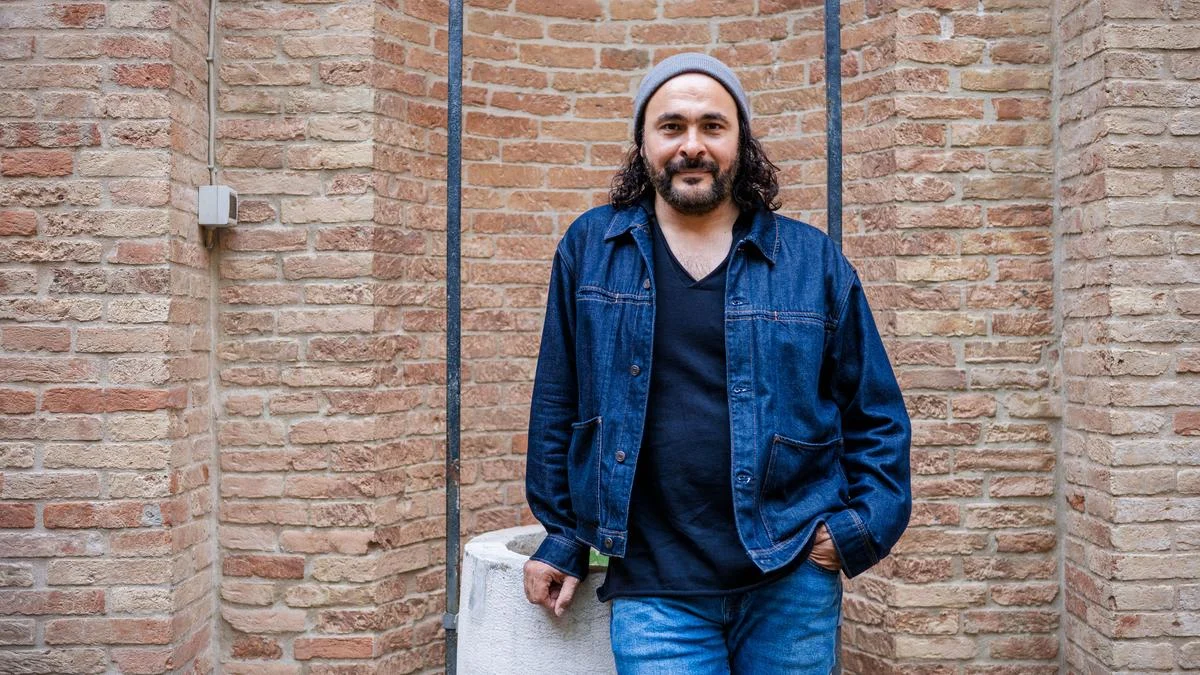
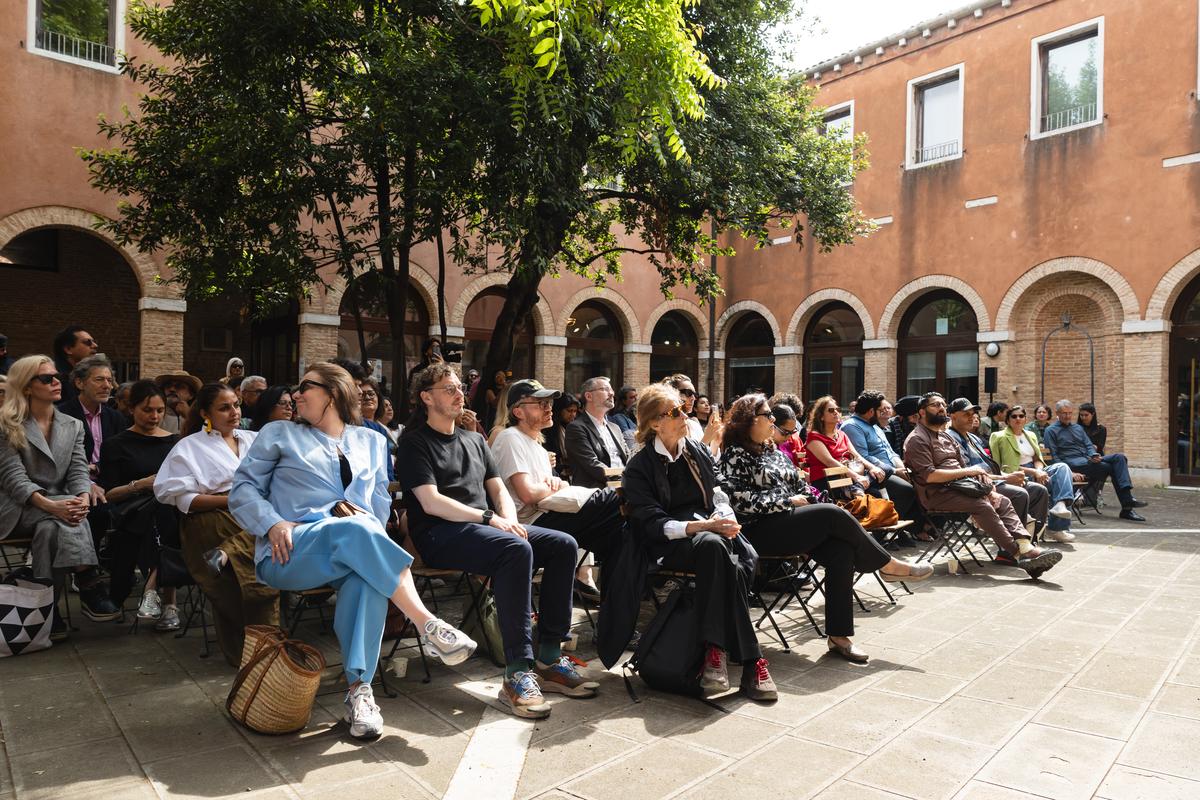
Kochi, India & Venice, Italy – In a move that signals a deepening of its international engagement and a commitment to a more nuanced, interconnected approach to contemporary art, the Kochi-Muziris Biennale (KMB) has announced French-Algerian artist and thinker Kader Attia as the curator for its seventh edition, scheduled for 2027-2028. The revelation, made amidst the vibrant chaos of the Venice Biennale preview week, took place in the evocative setting of Ocean Space, a cultural venue housed within the historic Church of San Lorenzo, itself rumored to be the final resting place of explorer Marco Polo. This choice of location, suspended between the echoes of history and the currents of future artistic exploration, proved remarkably prescient.
The announcement, simultaneously live-streamed to Kochi, marks a significant moment for the KMB, a biennial that has rapidly ascended the ranks of global art events. Shwetal Patel, co-founder of the KMB, highlighted the growing influence of the Kochi-based initiative, noting its impressive attendance of nearly 700,000 visitors at its last edition. This success, achieved despite recent organizational shifts within the Kochi Biennale Foundation, underscores the KMB’s burgeoning role in shaping global art discourse.
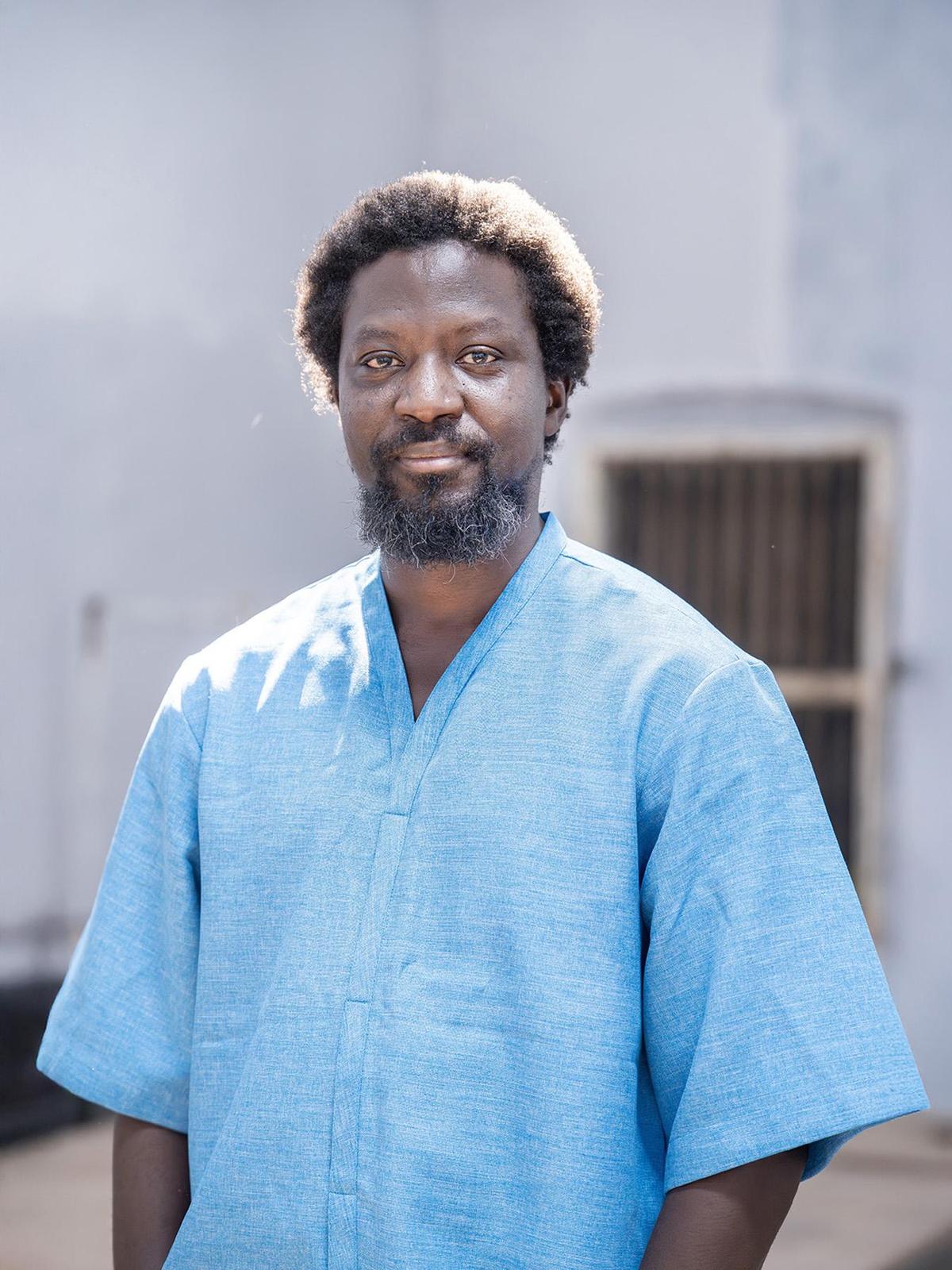
The anticipation surrounding the announcement was palpable. Rumors had been circulating, with Ghanaian artist Ibrahim Mahama being a prominent figure in speculative discussions. However, the ultimate reveal of Kader Attia as the chosen curator was met with surprise and enthusiastic applause. Jitish Kallat, the newly appointed president of the Kochi Biennale Foundation, formally introduced Attia, praising his ability to bring "artistic depth, curatorial openness, and a strong pedagogic sensibility" to the role. Kallat emphasized Attia’s proposal, noting its "poetic range and generative potential," and its capacity to forge "meaningful relation" between diverse artistic practices, histories, and publics in Kochi. Attia, a former participant in the 2014 KMB, returns with a mandate to shape a vision that resonates with the evolving landscape of art and society.
A Curatorial Vision Rooted in Connection and Complexity
Kader Attia, a 55-year-old artist and academic, brings a unique perspective shaped by his diasporic experiences and his profound engagement with themes of identity, history, and cultural exchange. Speaking immediately after the announcement in a nearby wine bar, Attia addressed the potential scrutiny of his position as an "outsider of non-Indian origin," particularly given his lack of fluency in any Indian languages. Rather than viewing this as a limitation, Attia articulated a curatorial philosophy centered on the idea of the curator as a "fold between worlds."
"For me, a curator is like a fold between worlds," Attia explained. "Artists, communities, artworks, conversations – all of these are different spaces that must somehow connect." His past experience running La Colonnie in Paris, an art space and intellectual hub that championed dialogue, informed his approach. He observed that when discussions become overly theoretical or ideological, they can alienate participants. However, by introducing tangible elements, such as objects or personal narratives, genuine connections can emerge.
This principle, Attia stated, will be central to his curatorial vision for the KMB. "The Biennale cannot represent only one generation, one aesthetic, or one social position. It has to reflect the complexity of society itself." He expressed a strong interest in developing projects that foster collaboration between artists and local communities. This approach signals a departure from a purely exhibition-centric model, aiming instead for a deeply embedded and participatory experience.
Navigating the Interstitial: Kochi as a Site of Encounter
Attia’s vision for the 2027-2028 KMB is one that transcends the traditional boundaries of exhibition venues. He conceives of the Biennale as a network of "interstitial spaces of freedom" – the streets connecting exhibition sites, the spontaneous conversations between strangers, and the collective negotiations that arise when art intersects with everyday life. He draws a parallel with Venice, a city where the experience of art is inextricably linked to the urban fabric and the encounters within it.
"I am interested in what exists between the venues," Attia stated. "Venice is like this, too. You move through the exhibition, then suddenly [encounter] life outside it. When you walk through Kochi, you are walking through the dreams of others. These spaces still carry traces of colonialism. I think contemporary art can help us reappropriate those spaces and rethink how we inhabit them collectively."
This perspective on reappropriating spaces and rethinking collective inhabitation is particularly relevant in the context of post-colonial discourse. Attia acknowledges the significant emphasis on addressing historical guilt and erasure in Europe. However, he suggests that in India, the focus is often on forward momentum and future-building. He believes that while acknowledging the past is crucial, contemporary art has a role in forging new languages to discuss its enduring traces and the emergent forms of domination in the present day.
Decolonization, Rhetoric, and the Future of Art
Attia articulated a nuanced view on decolonization, suggesting that while the discourse has been dominant in the art world for years, audiences may be growing weary of "repetitive rhetoric." He posed the question not of whether colonialism happened, but rather how we can "invent new languages to speak about its traces today." For Attia, colonization is not merely a historical event but an ongoing force that requires critical examination, particularly in light of new forms of domination that are emerging.
This leads to a fundamental question about the structure of the KMB itself. When asked about the possibility of a more collective model, moving away from a "celebrity-driven biennale structure" that can lead to crowds fixated on individual artists, Attia responded with an emphatic "Yes, absolutely." He is deeply interested in "collective practices," not by erasing individuality, but by creating environments where diverse voices can coexist harmoniously. The Biennale, in his view, should not be a mere spectacle but a platform for negotiating "how to live together."
A Return to Roots: Craft, Materiality, and Embodiment
Attia’s own installation at the current Venice Biennale, titled Whisper of Traces, offers a glimpse into the thematic preoccupations that might inform his curatorial approach in Kochi. The installation, a sensory and immersive experience within the Arsenale, explored the complex interplay of memory, spirituality, technology, and colonial histories. Visitors navigated a labyrinth of photographs of African masks, a forest of suspended ropes adorned with broken mirror shards, and scattered mesh containers filled with herbs and ritual statues, all accompanied by multiple films.
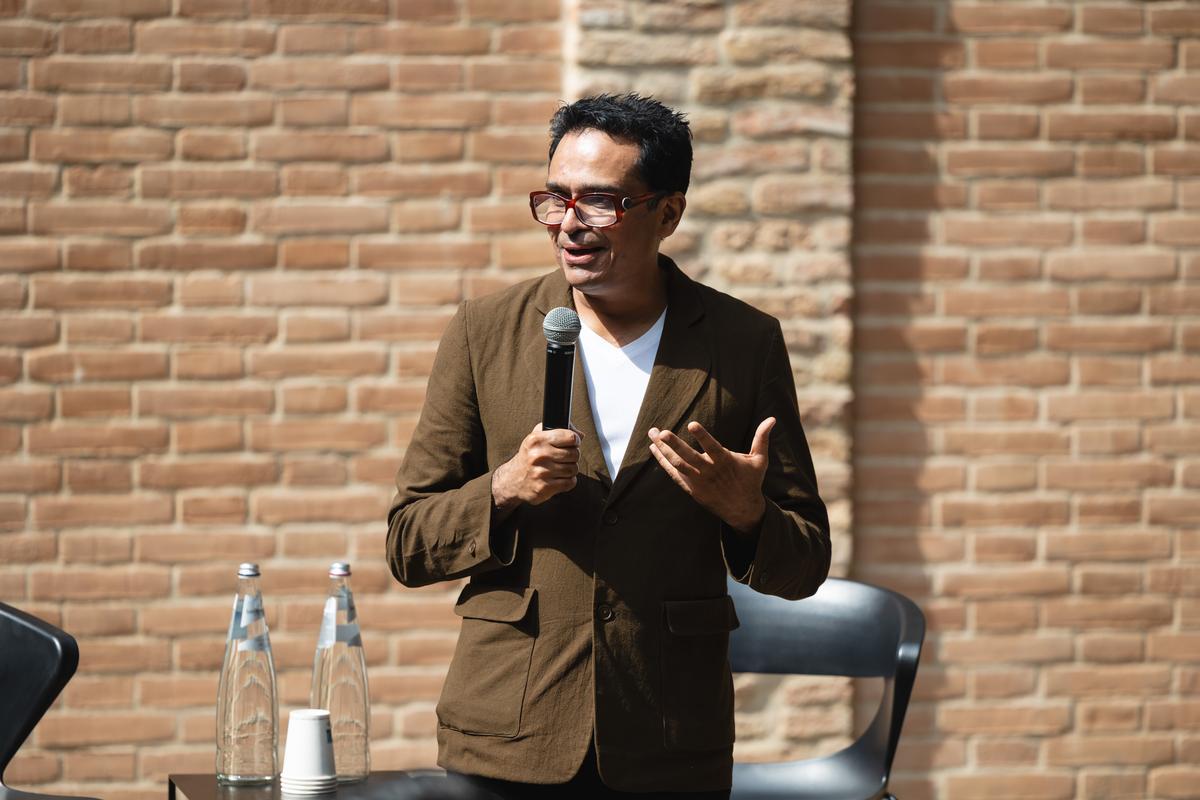
Through this installation, Attia blurred the lines between the real and the spiritual, challenging conventional notions of modernity. He proposed that modernity is not solely a narrative of technological advancement but is profoundly shaped by inherited memories and unresolved histories. The use of rope, a material woven from multiple strands twisted together, resonated with the writer’s textile background and evoked connections to the coir rope traditions of Kerala and the fishing nets found in Fort Kochi.
Attia found this connection particularly insightful. While his initial focus with the rope and broken mirrors was on themes of fragmentation and repair, he acknowledged the profound resonance of the connection to Kerala’s craft traditions. "For me, craft is absolutely contemporary," he stated, expressing his fatigue with the notion that contemporary art must always appear technologically advanced or detached from the body. "We need to reconnect with materials, labour, and gesture again. The hand matters. The body matters."
This emphasis on craft, materiality, and embodiment suggests a potential for the KMB to explore the rich artistic heritage of Kerala and India, integrating it into a global dialogue. The India Pavilion at the Venice Biennale, with its focus on handcrafted and natural materials, offers a point of comparison and a potential avenue for exploring these connections further in Kochi. Attia’s commitment to embedding himself and his family in Kochi for the duration of his tenure signals a deep engagement with the local art ecosystem and a desire to foster genuine, ground-up collaboration.
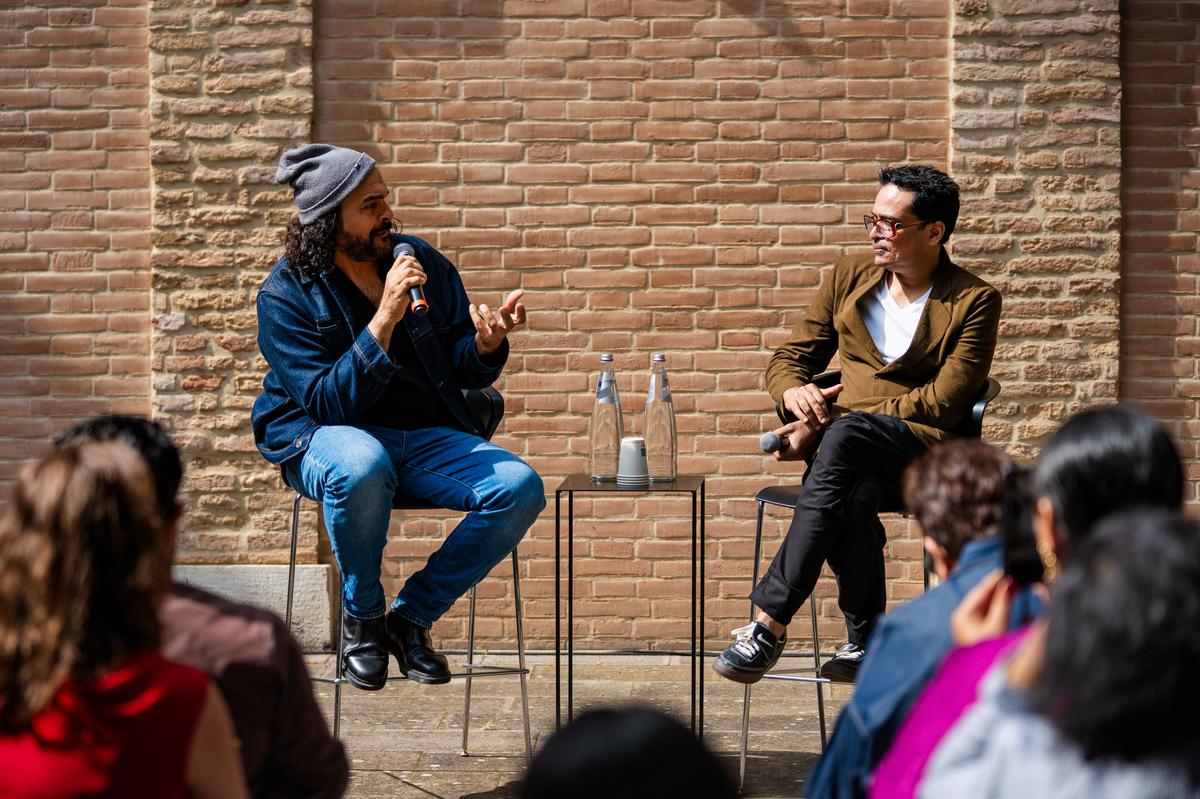
Implications and Future Trajectories
The appointment of Kader Attia as curator for the seventh Kochi-Muziris Biennale is a strategic decision that promises to further elevate the event’s global standing. His philosophical approach, rooted in interconnectedness, collective action, and a critical engagement with history and contemporary issues, suggests a Biennale that will be both intellectually stimulating and deeply resonant with the local context.
The choice of a curator of non-Indian origin, while potentially raising questions of representation, is framed by Attia as an opportunity to foster a more inclusive and global dialogue. His emphasis on "interstitial spaces" and the potential for art to "reappropriate spaces and rethink how we inhabit them collectively" points towards a curatorial practice that will actively engage with Kochi’s unique urban landscape and its complex social and historical fabric.
Furthermore, Attia’s critique of repetitive decolonial rhetoric and his call for new languages to address contemporary forms of domination suggest a forward-looking perspective. The KMB, under his stewardship, may well become a crucial platform for discussing the evolving challenges of our interconnected world, moving beyond historical grievances to explore innovative solutions and shared futures.
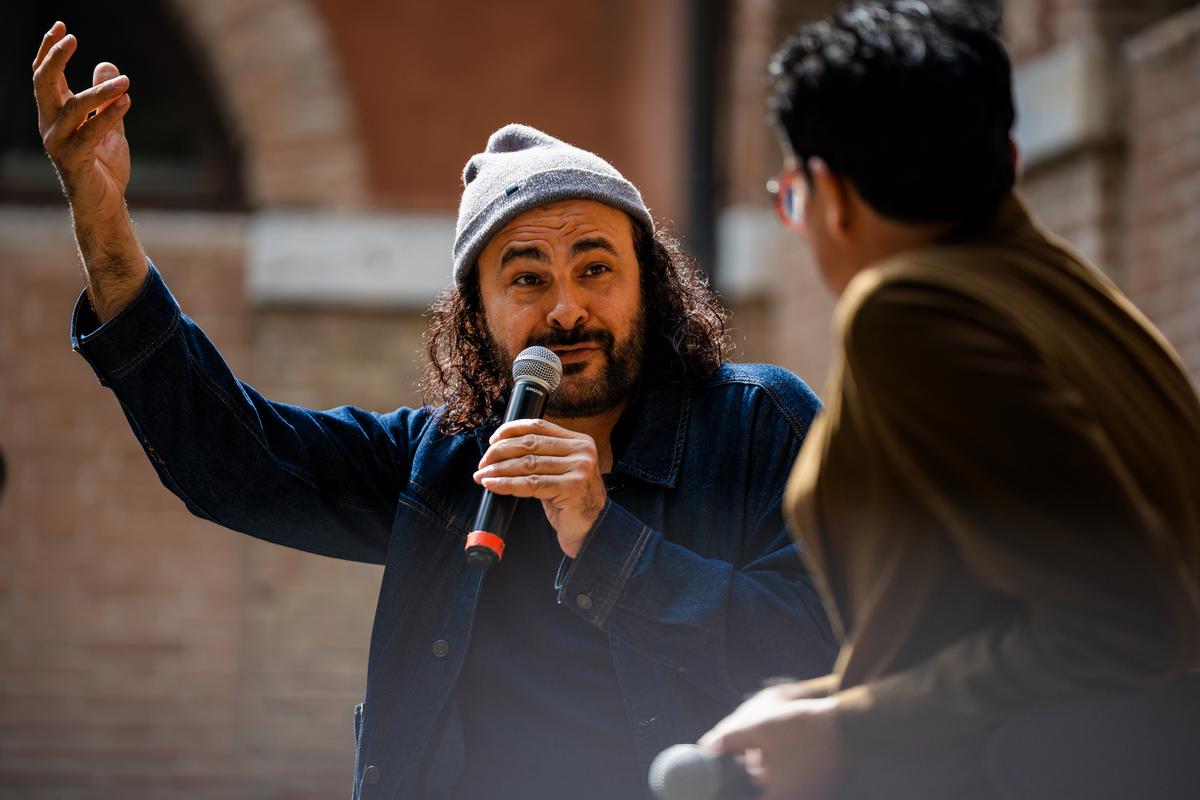
The writer’s observation about the potential connections between Attia’s use of rope and Kerala’s craft traditions highlights a key area of exploration. Attia’s stated desire to "reconnect with materials, labour, and gesture" could lead to a Biennale that celebrates and interrogates the enduring relevance of traditional art forms within a contemporary global art context.
In conclusion, Kader Attia’s appointment is more than just a curatorial choice; it is a declaration of intent. It signals a Kochi-Muziris Biennale that is poised to embrace complexity, foster genuine collaboration, and engage in critical conversations that resonate far beyond the confines of the exhibition space, solidifying its position as a vital hub for global artistic exchange and social dialogue. The conversations between theory, philosophy, and the lived experience of being both an insider and an outsider in the spaces that shape our world are set to define the next chapter of this influential biennale.
