

Last Updated: May 12, 2026, 17:48 IST
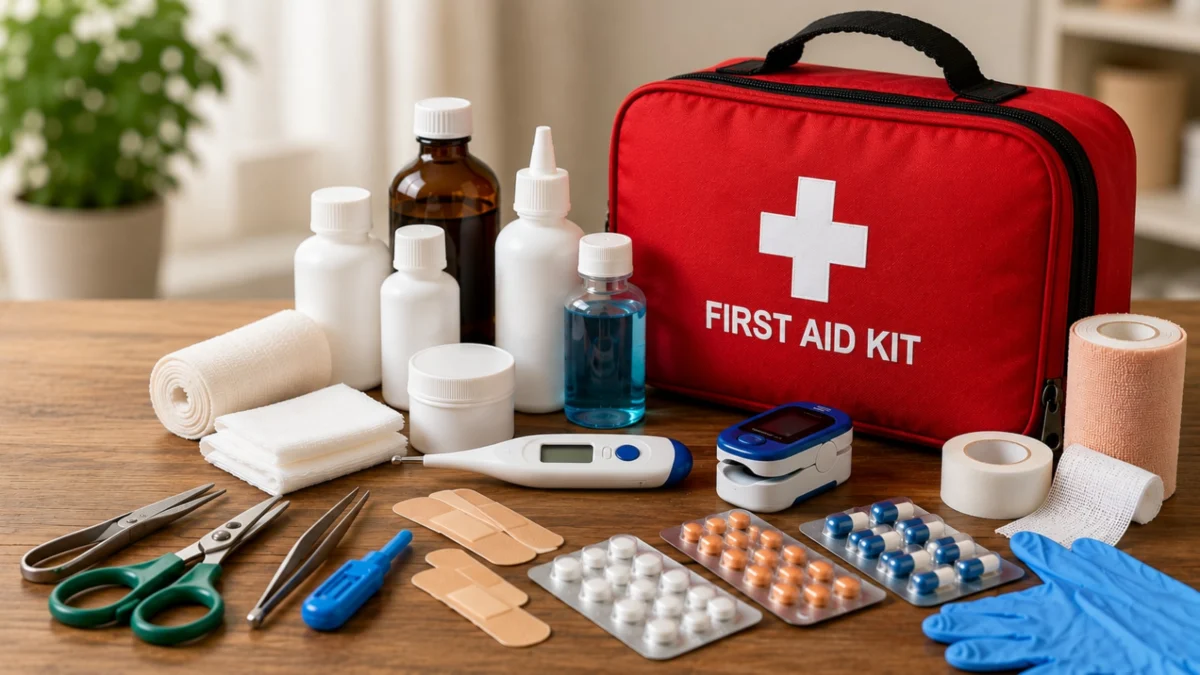
In an increasingly unpredictable world, preparedness is not merely a virtue, but a necessity. From the mundane realities of a scraped knee in the garden to the sudden onset of fever or the discomfort of a minor burn, life’s little emergencies can strike at any moment. While professional medical help is paramount, having a well-equipped homemade first aid kit readily accessible can significantly mitigate the severity of these incidents, alleviate discomfort, and provide crucial initial care, often preventing minor issues from escalating into more serious concerns. This comprehensive guide delves into the essential components of a robust first aid box, empowering households to proactively manage common ailments and injuries with confidence.
The Foundation of Preparedness: Why a Homemade First Aid Kit Matters
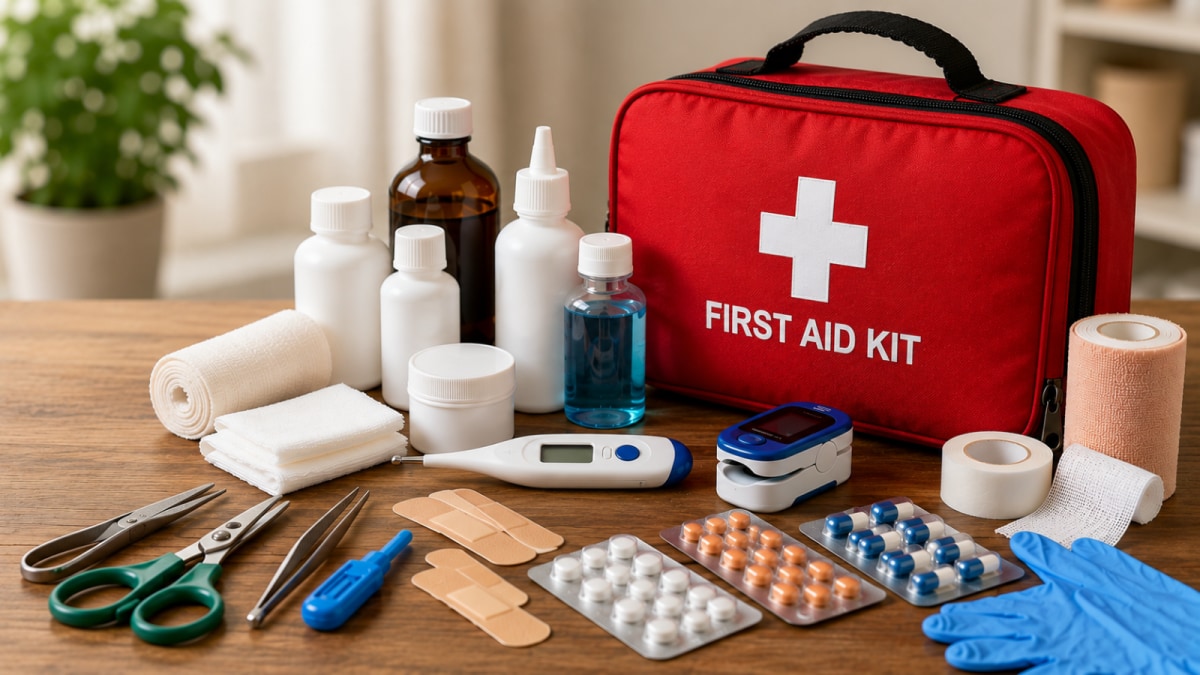
The intrinsic value of a homemade first aid kit lies in its accessibility and its ability to offer immediate relief. In the critical moments following an injury or illness, time is of the essence. A readily available kit eliminates the need for a frantic search for supplies or a potentially time-consuming trip to a pharmacy. Furthermore, assembling your own kit allows for customization based on the specific needs and risks within your household, be it a family with young children prone to falls or individuals with known allergies. This proactive approach not only fosters a sense of security but also cultivates a culture of self-reliance and responsible health management.
Essential Components for Your Comprehensive First Aid Arsenal
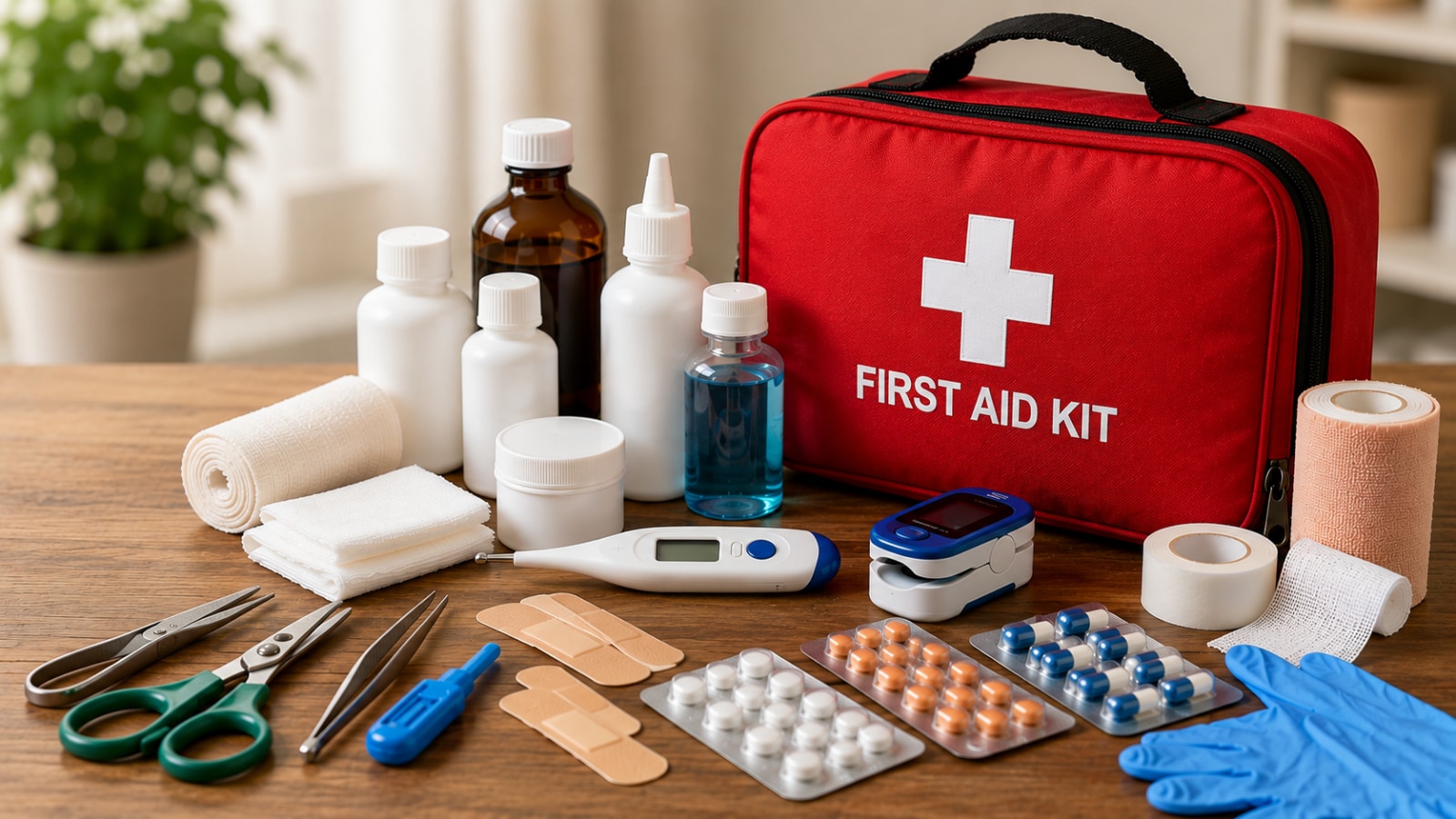
Building a functional first aid kit doesn’t require extensive medical knowledge, but rather a thoughtful selection of universally useful items. The following components form the bedrock of any well-prepared kit:
1. Wound Care Essentials: Beyond the Basic Bandage
Minor cuts, scrapes, and abrasions are a daily occurrence in many homes. Effective wound management is crucial to prevent infection and promote healing.
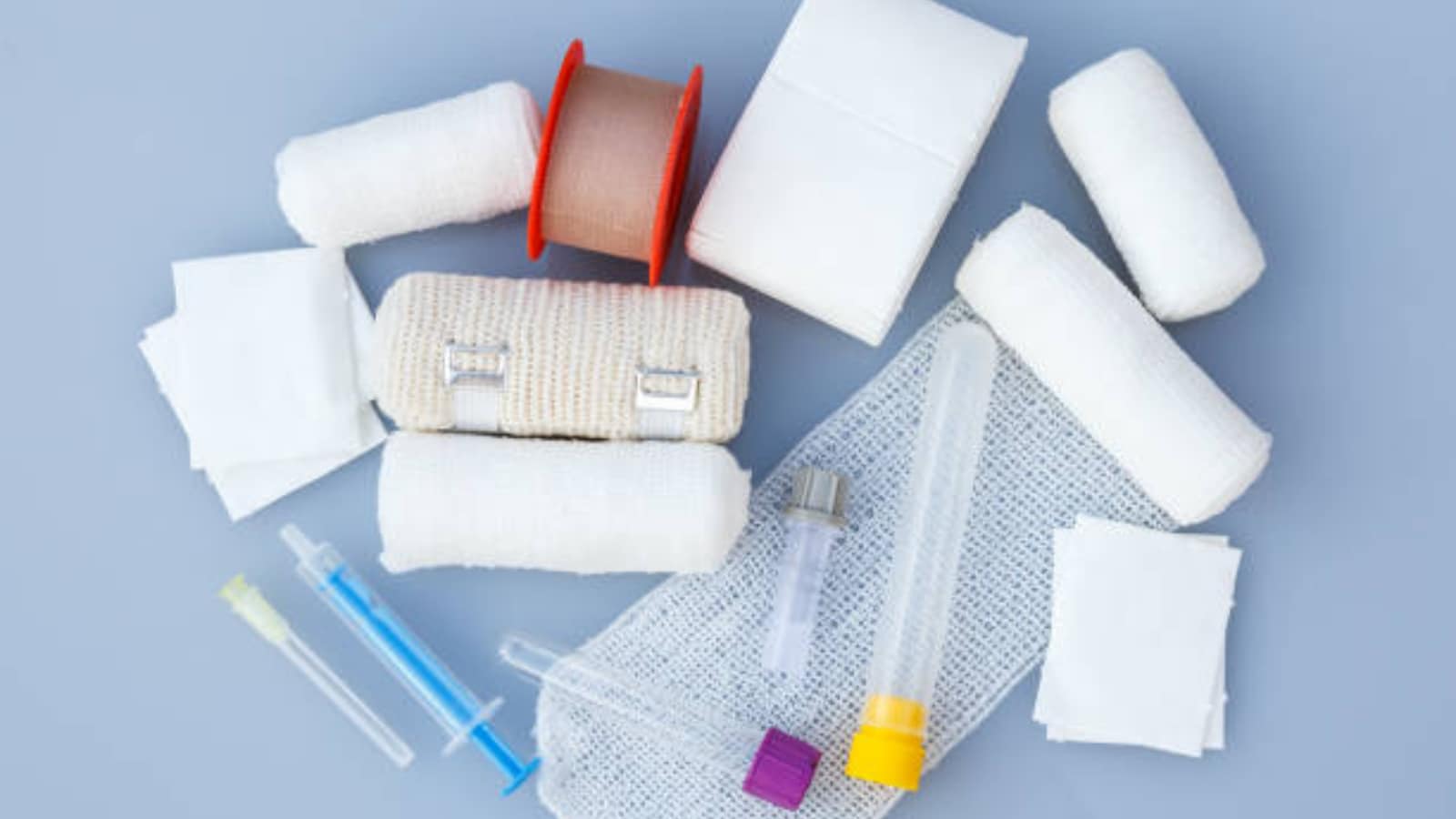
- Sterile Bandages and Gauze: A variety of sizes is indispensable. From small adhesive bandages for fingertip cuts to larger sterile gauze pads for more significant abrasions, ensure you have a comprehensive selection. Adhesive bandages with non-stick pads are preferable for sensitive wounds.
- Medical Tape: To secure gauze pads and dressings in place, medical tape is essential. Hypoallergenic options are recommended for individuals with sensitive skin.
- Antiseptic Wipes and Solutions: Before applying any dressing, thoroughly cleaning the wound is paramount. Individually wrapped antiseptic wipes (e.g., containing benzalkonium chloride or povidone-iodine) offer convenience and portability. Larger bottles of antiseptic solution, such as hydrogen peroxide or diluted iodine, are also valuable for more thorough cleaning.
- Antibiotic Ointment or Cream: Applying a thin layer of antibiotic ointment to cleaned wounds can significantly reduce the risk of bacterial infection. Ensure you have a reputable brand readily available.
2. Pain and Fever Management: Soothing Discomfort and Reducing Inflammation
Sudden headaches, muscle aches, or the unsettling onset of fever can disrupt daily life. Having readily accessible pain relievers and fever reducers is crucial for swift symptom management.
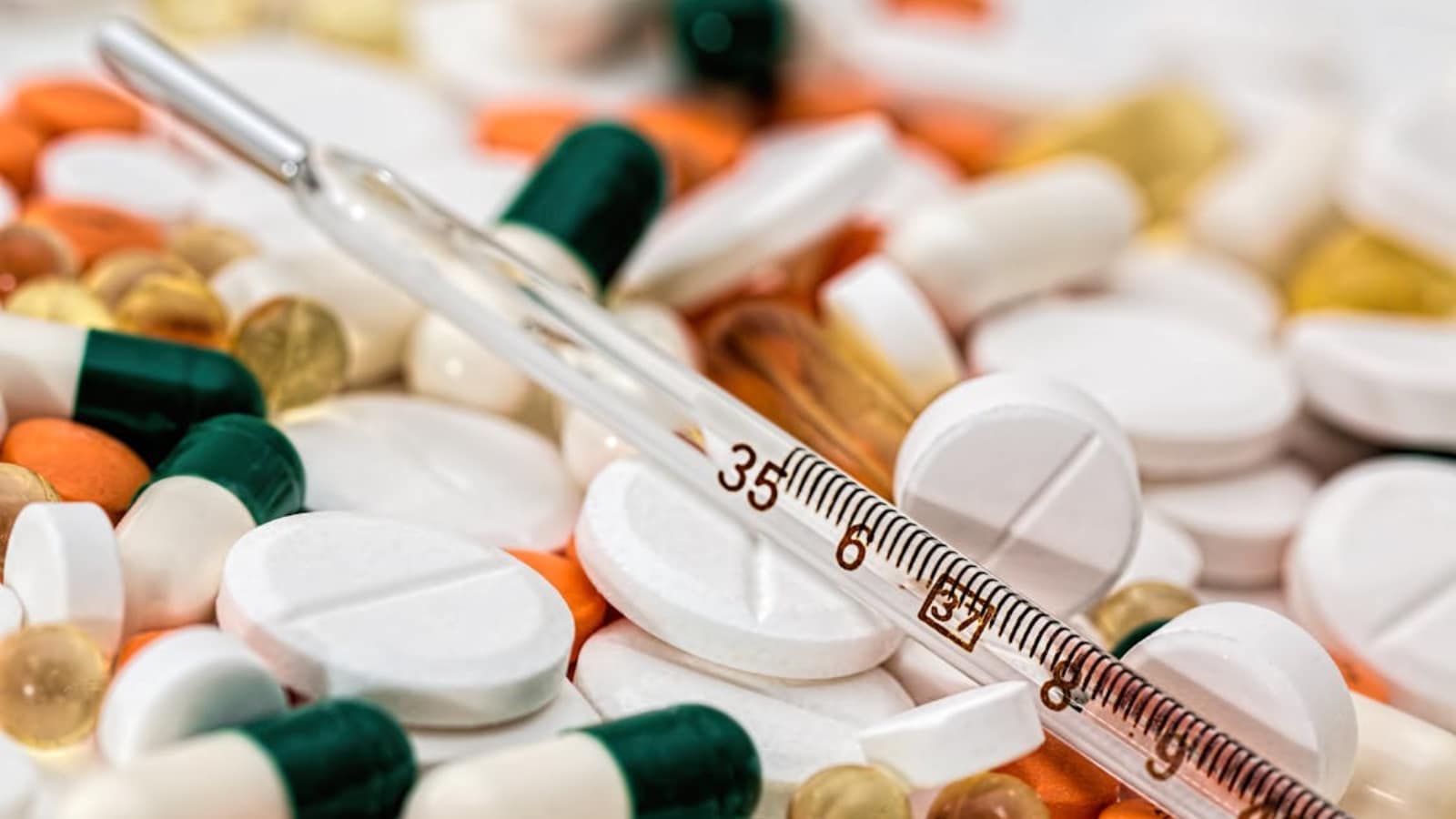
- Over-the-Counter Pain Relievers: Stock a supply of common analgesics like acetaminophen (paracetamol) and ibuprofen. These medications are effective for a range of discomforts, from headaches and menstrual cramps to minor sprains and strains. Always adhere to the recommended dosages and consider age-appropriateness for different family members.
- Fever Reducers: The same medications that alleviate pain also effectively reduce fever. Ensure your chosen pain relievers also serve this purpose.
3. Temperature Monitoring: The Silent Indicator of Health
A reliable thermometer is an indispensable tool for assessing health status, particularly in detecting fever, which is often an early sign of infection or illness.
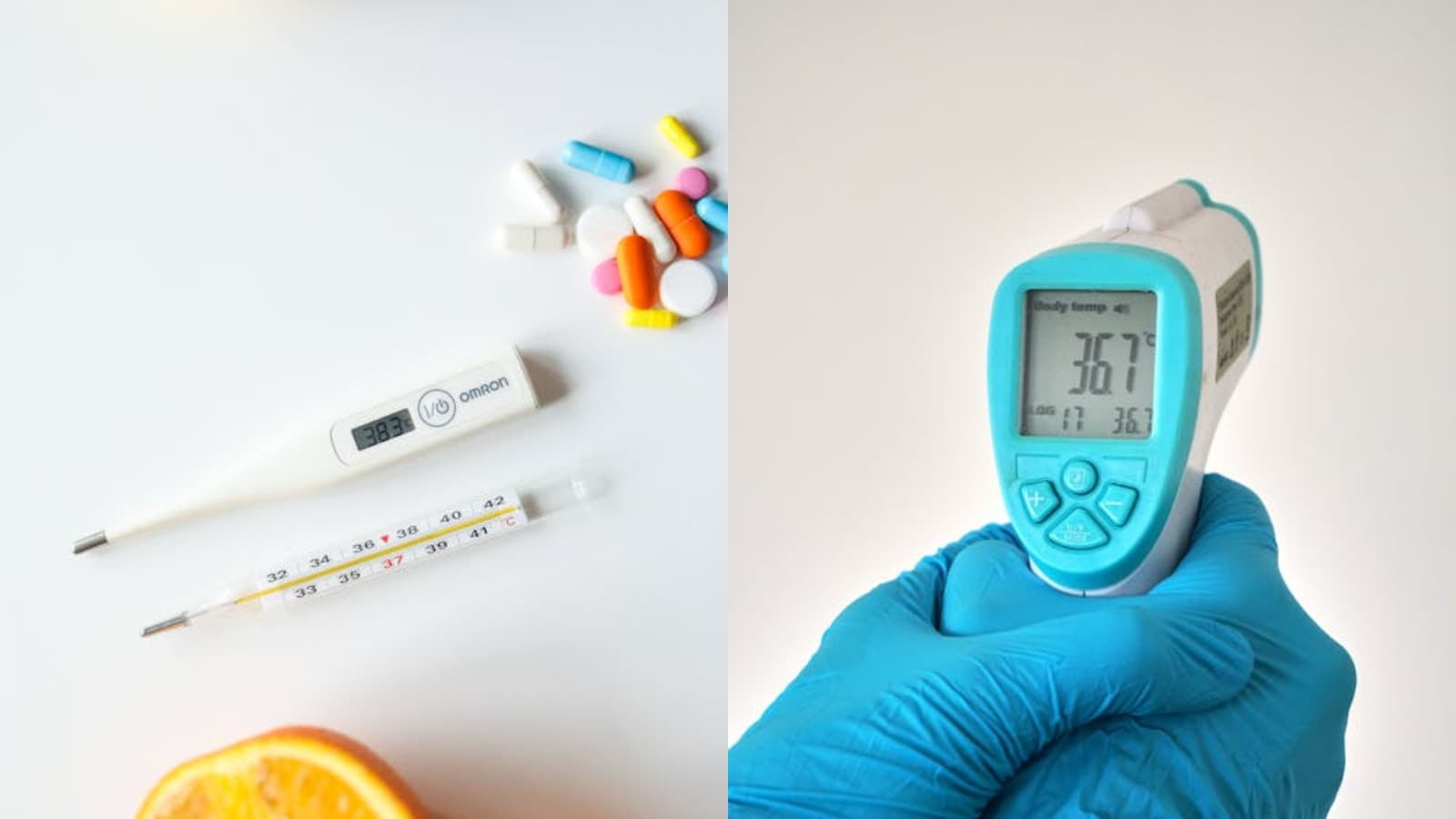
- Digital or Infrared Thermometer: Modern digital thermometers offer quick and accurate readings, making them ideal for home use. Infrared thermometers, which can take readings without physical contact, are particularly convenient for infants and young children, minimizing discomfort and potential disturbance. Ensure your thermometer is calibrated and has a fresh battery.
4. Burn and Skin Injury Relief: Soothing and Protecting
Minor burns, whether from hot water, cooking accidents, or prolonged sun exposure, and sprains from everyday activities are common household occurrences.
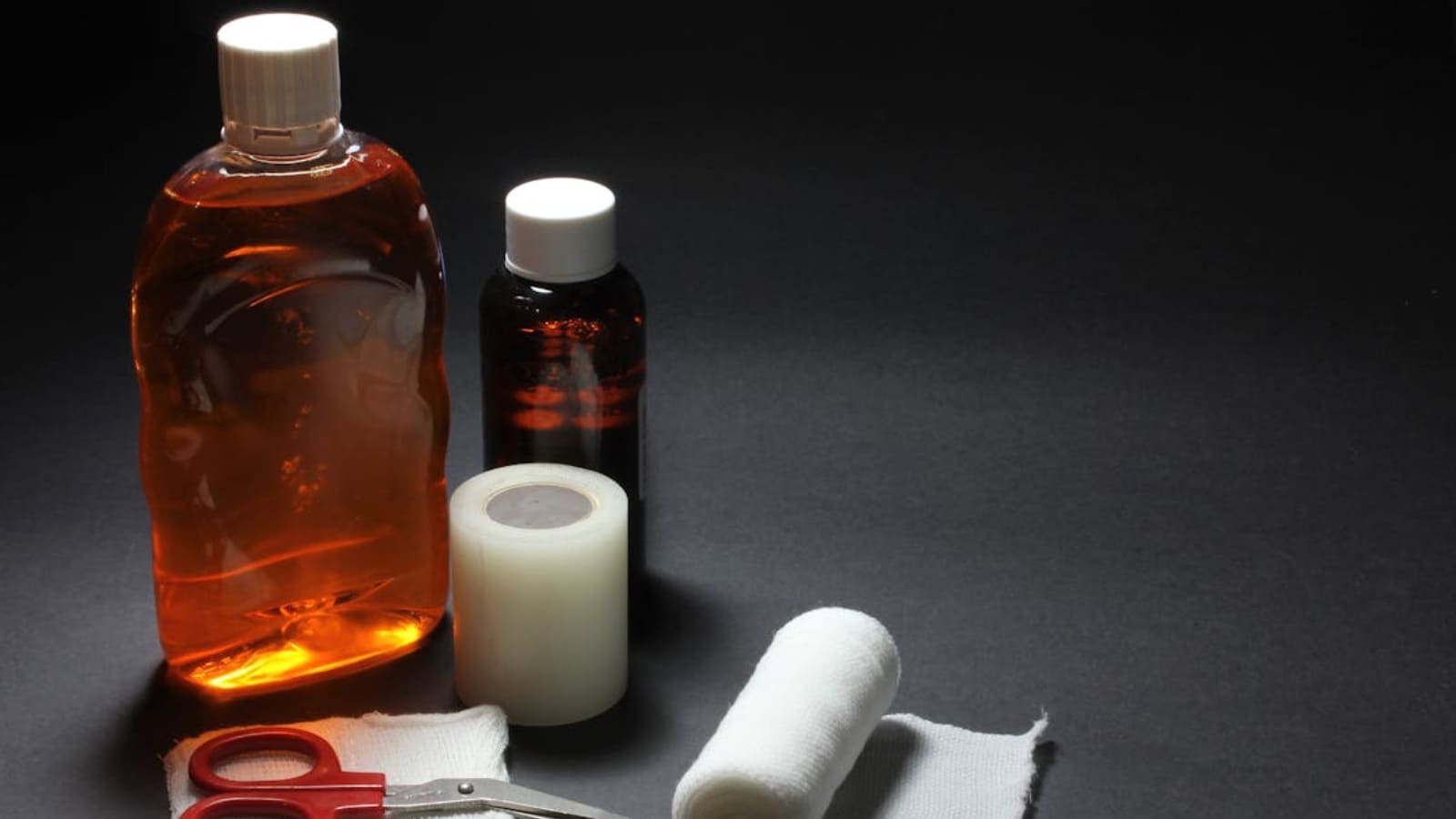
- Burn Cream or Gel: Specialized burn creams or gels, often containing aloe vera or lidocaine, can provide immediate cooling relief, soothe pain, and help prevent scarring.
- Cold Packs: Reusable cold packs are invaluable for reducing swelling and pain associated with sprains, strains, and bruises. They can also offer comfort for minor burns after initial cooling with water.
5. Hydration Support: Combating Dehydration in Emergencies
Dehydration can be a serious concern, particularly in cases of severe diarrhea, vomiting, or during periods of intense heat.
- Oral Rehydration Salts (ORS): ORS packets are specifically formulated to replenish lost fluids and electrolytes, which are vital for bodily functions. In situations where medical attention might be delayed, having ORS readily available can be life-saving, especially for children and the elderly. Ensure you understand how to properly mix and administer ORS.
6. Essential Tools and Supplies: The Supporting Cast
Beyond medications and bandages, a few practical tools can greatly enhance the effectiveness of your first aid kit.
- Tweezers: For removing splinters, thorns, or small foreign objects from wounds. Ensure they are clean and have fine, pointed tips.
- Scissors: Small, sharp scissors are useful for cutting tape, gauze, or clothing away from an injury.
- Gloves: Disposable medical gloves are essential for maintaining hygiene and preventing the spread of infection when treating wounds.
- First Aid Guidebook: A concise, easy-to-understand first aid manual can provide crucial guidance in unfamiliar situations.
Chronology of Care: A Step-by-Step Approach to First Aid
When faced with a medical emergency, a systematic approach ensures optimal care.
- Assess the Situation: Before approaching the injured or ill person, ensure your own safety. Are there any immediate dangers? Once it’s safe, assess the person’s condition. Are they conscious? Are they breathing?
- Call for Professional Help: If the situation is serious or you are unsure of how to proceed, do not hesitate to call emergency services (e.g., 911 or your local equivalent) immediately.
- Provide Initial Care: Based on your assessment and the contents of your first aid kit, begin providing appropriate care. This might involve stopping bleeding, cleaning a wound, or administering medication for pain or fever.
- Monitor the Person: Continue to monitor the person’s condition until professional medical help arrives. Note any changes in their symptoms or vital signs.
- Document: If possible, make a note of the time of the incident, the care provided, and any medications administered. This information can be invaluable for medical professionals.
Supporting Data and Expert Recommendations
The importance of a well-stocked first aid kit is consistently emphasized by health organizations worldwide. The American Red Cross, for instance, recommends a minimum of a 72-hour supply of essential items, not only for immediate first aid but also for self-sufficiency during emergencies. Public health agencies often provide downloadable checklists for creating comprehensive kits, highlighting the consensus among experts on the critical role of preparedness. Studies have shown that readily available first aid supplies can reduce the severity of injuries and improve recovery times by enabling prompt and appropriate intervention. The World Health Organization (WHO) also advocates for accessible first aid training, underscoring that the presence of supplies is most effective when coupled with the knowledge to use them.
Official Responses and Public Health Initiatives
Governments and public health bodies globally recognize the significance of community preparedness. Many initiatives focus on educating the public about the importance of first aid kits and providing resources for their assembly. Public awareness campaigns often highlight specific scenarios, such as natural disasters or widespread illnesses, where having a readily available first aid kit can be life-saving. These campaigns aim to destigmatize minor medical issues and empower individuals to take proactive steps in managing their health and the health of their families. Furthermore, in some regions, there are programs that provide subsidized first aid kits or training to vulnerable populations, ensuring equitable access to essential preparedness resources.
Implications for Household Health and Well-being
The implications of maintaining a well-equipped homemade first aid kit extend far beyond mere convenience. It fosters a sense of security and empowerment within the household, reducing anxiety in the face of minor medical emergencies. For parents, it provides peace of mind, knowing they can swiftly address their children’s inevitable scrapes and bumps. For individuals with chronic conditions, it can offer immediate relief for common symptoms, potentially preventing the need for unscheduled medical consultations. In a broader sense, a culture of preparedness at the household level contributes to a more resilient community, capable of navigating unexpected health challenges with greater efficacy. Ultimately, a well-stocked first aid kit is an investment in the health, safety, and well-being of every member of the family. It is a tangible representation of proactive care, a silent guardian ready to respond when life’s unpredictable moments call for it.
