

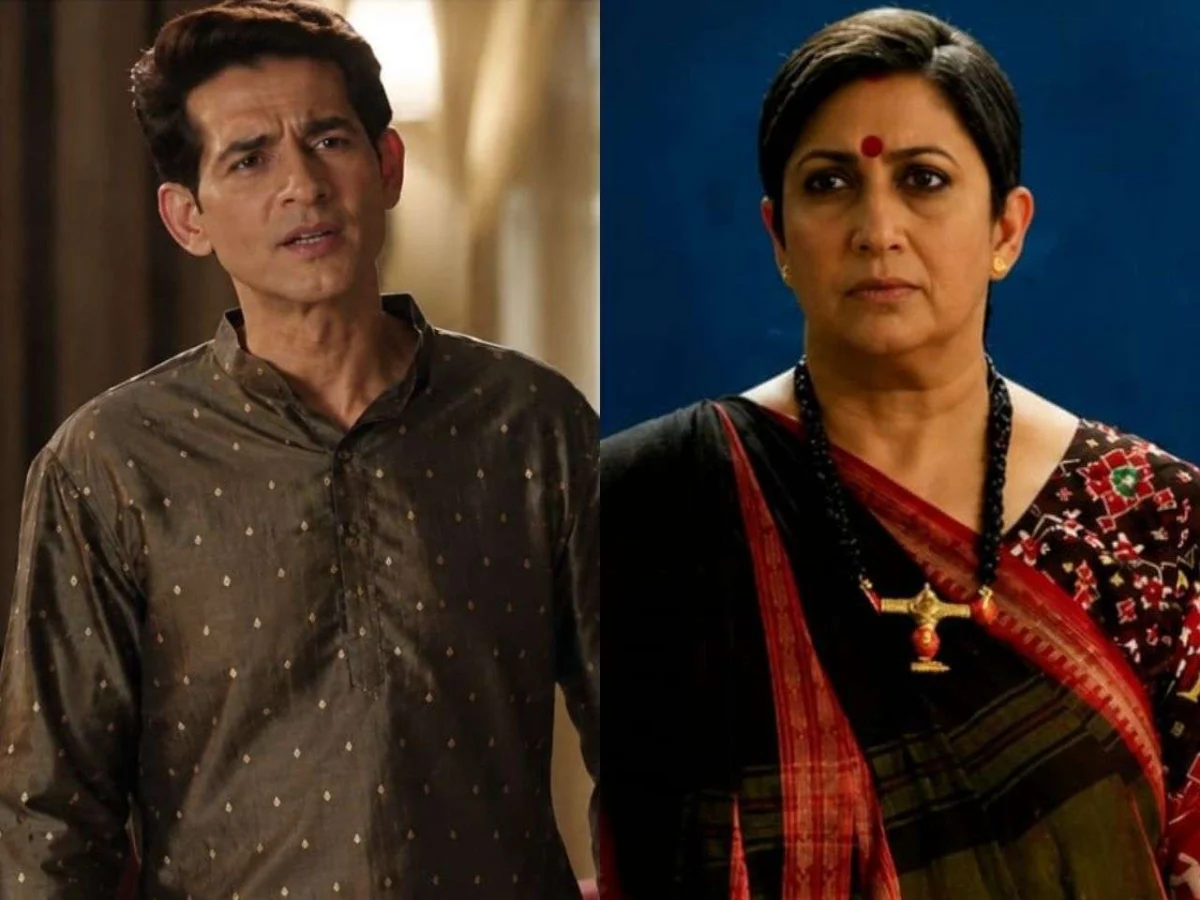
Mumbai, India – June 24, 2026 – The iconic Indian television saga, "Kyunki Saas Bhi Kabhi Bahu Thi," a show that redefined family drama and captivated millions, is once again poised to shake its viewers with a monumental ten-year leap. This latest narrative upheaval sees the return of its beloved protagonist, Tulsi Virani, portrayed by the ever-iconic Smriti Irani, from a decade of imprisonment. However, her homecoming to the once-united Shanti Niketan is met not with joyous reunion, but with the stark reality of a deeply fractured family, a division that has, in turn, polarized its devoted fanbase.
The announcement of the leap and the subsequent release of a gripping promo have ignited fervent discussions across social media and within television circles, signaling a bold new direction for a show that has consistently pushed the boundaries of Indian television storytelling. This strategic narrative shift aims to inject fresh drama and explore the long-term consequences of past events, promising to keep audiences on the edge of their seats.
The Dramatic Premise: A Decade Behind Bars and a Divided Home
The core of this new chapter revolves around Tulsi Virani’s release after serving a ten-year sentence for an undisclosed crime. Her return to the sprawling ancestral home, Shanti Niketan, is envisioned as a pivotal moment, a homecoming that was anticipated to mend broken bonds and restore harmony. Instead, Tulsi is confronted with a deeply unsettling sight: Shanti Niketan, the very symbol of familial unity she tirelessly championed, is now literally and figuratively divided.
The promo vividly illustrates this fractured reality. Tulsi’s sons, Karan and Gautam, once united in their love for their mother, now find themselves on opposing sides of a bitter divide. The most poignant and shocking moment in the promo features Karan, played by Hiten Tejwani, confronting Tulsi, delivering a devastating blow: "Shantiniketan mein ab aapke liye koi jagah nahi hai" (There is no place for you in Shanti Niketan anymore). This heart-wrenching declaration underscores the profound estrangement and the emotional chasm that has opened within the Virani family during Tulsi’s absence.
)
The narrative thrust of this leap appears to be the exploration of how a decade of separation, coupled with the unresolved circumstances of Tulsi’s imprisonment, has irrevocably altered the dynamics of the Virani household. The once-unshakeable foundation of their unity has crumbled, leaving Tulsi to navigate a treacherous landscape of resentment, unspoken grievances, and the painful realization that the home she fought to protect is now a battleground.
Hiten Tejwani on the Emotional Weight of the New Chapter
Actor Hiten Tejwani, who reprises his role as Karan Virani, has spoken candidly about the profound emotional impact of this ten-year leap and his character’s confrontation with Tulsi. He describes the scene where Karan tells Tulsi she has no place in their home as "one of the harshest things Karan has ever said to his Tulsi Maa." Tejwani emphasizes that this is a sentiment Karan never imagined uttering, making the moment all the more significant and emotionally charged.
)
"After 10 years, Tulsi Maa returns from jail only to face the biggest shock of her life," Tejwani shared. "This is going to be one of the most emotional chapters in the journey of Kyunki Saas Bhi Kabhi Bahu Thi." He further elaborated on Karan’s perspective, highlighting the deep-seated trust and admiration his character has always held for Tulsi. Her return, under such devastating circumstances, forces Karan to confront a maelstrom of emotions he had likely buried deep within.
Tejwani’s insights suggest that the upcoming episodes will delve into the complexities of Karan’s inner turmoil. It’s not merely about anger directed at his mother, but a profound struggle with heartbreak, a sense of disappointment, and a desperate need for answers. This portrayal of nuanced emotional conflict is what Tejwani believes will make the track "deeply relatable" to the audience, despite the dramatic circumstances. The actor’s words hint at a layered performance that will explore the psychological toll of years of separation and the lingering questions surrounding Tulsi’s incarceration.

Audience Reactions: A Spectrum of Excitement and Disappointment
The viral promotion of the ten-year leap has predictably ignited a firestorm of reactions across social media platforms. While a significant portion of the audience expresses anticipation and excitement for the show’s new direction, a notable segment has voiced concerns and criticisms, leading to a palpable division in online sentiment.
A recurring sentiment among viewers is the perceived similarity to other popular television dramas, with one user commenting, "Tulsi ko Anupama bna dia makers ne." This comparison to the immensely popular show "Anupamaa," which also features themes of a woman overcoming adversity and familial rifts, suggests that some viewers feel the storyline might be treading familiar ground.
)
Another point of contention among netizens is the perceived lack of aging or significant physical transformation for the characters. One comment reads, "10 saal baad bhi sab waise ke waise hi hai. Buddha nahi hua koi bhi waah." This observation points to a desire for more realistic portrayals of the passage of time, questioning the continuity of character appearances after such a significant leap.
Furthermore, the narrative choices regarding specific characters have also drawn criticism. One netizen expressed disappointment with the potential trajectory of a character named Parth, stating, "Why did Ekta turn Parth into a negative character? He had so much potential and was a very good character, yet they had to ruin it." This suggests that shifts in character arcs, particularly those that involve a perceived downfall or a move towards negativity, are met with strong disapproval from viewers who have developed an attachment to those characters in their previous iterations.
)
This polarization of opinion underscores the challenge faced by long-running shows like "Kyunki Saas Bhi Kabhi Bahu Thi." While innovation is necessary to maintain audience interest, drastic changes can alienate a segment of the loyal fanbase who have grown accustomed to established character dynamics and narrative conventions. The creators are walking a fine line, attempting to revitalize the show while respecting the legacy it has built over years.
Chronology of the Leap and its Narrative Implications
The ten-year leap marks a significant turning point in the history of "Kyunki Saas Bhi Kabhi Bahu Thi." Historically, the show has employed time jumps to propel its narrative forward, often to introduce new generations or to signify major shifts in character relationships and societal contexts. This particular leap, however, carries a heavier burden of dramatic consequence due to the central mystery of Tulsi’s imprisonment and the subsequent fracturing of the family.
)
Pre-Leap: The events leading up to the leap would have presumably culminated in Tulsi’s conviction and subsequent imprisonment. The exact nature of the crime has been kept under wraps, suggesting it will be a crucial element of the post-leap narrative, driving much of the conflict and the characters’ motivations. The seeds of division within Shanti Niketan would have also been sown, setting the stage for the stark reality Tulsi faces upon her return.
The Leap: Ten years pass. During this time, the Virani family has evidently navigated life without Tulsi’s presence. The absence of her guiding hand and unifying influence has allowed cracks to widen into chasms. The division of Shanti Niketan, both physically and emotionally, is the most immediate and impactful consequence of this decade-long hiatus. The characters, particularly Karan and Gautam, would have grown and developed under these altered circumstances, likely hardening their stances and deepening their resentments.
)
Post-Leap: Tulsi’s return is the catalyst for the unfolding drama. Her initial shock and dismay at the state of her family will likely be followed by a determined effort to understand the reasons behind the division and, perhaps, to attempt a reconciliation. The narrative will likely explore:
- The mystery of Tulsi’s crime: The truth behind her imprisonment will be a central plot point, potentially revealing betrayals, misunderstandings, or sacrifices.
- The evolving relationships: The dynamics between Tulsi and her sons, as well as other family members, will be tested and redefined.
- The fate of Shanti Niketan: Will Tulsi be able to bridge the divide and restore the sanctity of their ancestral home, or will the divisions prove too deep to overcome?
- The introduction of new characters or conflicts: Time leaps often bring new faces and fresh challenges, adding further layers to the ongoing saga.
The ten-year leap isn’t just a narrative device; it’s a deliberate attempt to explore the enduring impact of absence, betrayal, and the passage of time on family bonds, a theme that has always been at the heart of "Kyunki Saas Bhi Kabhi Bahu Thi."
)
Supporting Data and Context: The Enduring Appeal of "Kyunki Saas Bhi Kabhi Bahu Thi"
"Kyunki Saas Bhi Kabhi Bahu Thi," which first premiered in 2000, was more than just a television show; it was a cultural phenomenon. Created by Ekta Kapoor’s Balaji Telefilms, it ran for an impressive eight years, airing over 1,800 episodes and becoming one of the longest-running and most successful Indian television series of all time. Its success can be attributed to several key factors:
- Relatable Characters: Tulsi Virani, as the ideal Indian daughter-in-law, resonated deeply with audiences. Her strength, resilience, and unwavering commitment to her family made her an aspirational figure for many. The show masterfully explored the complexities of middle-class Indian family life, including intergenerational relationships, societal expectations, and the challenges faced by women.
- Dramatic Storytelling: Balaji Telefilms became synonymous with high-octane drama, and "Kyunki Saas Bhi Kabhi Bahu Thi" was a prime example. The show was known for its intricate plotlines, emotional rollercoasters, unexpected twists, and often sensationalized storylines that kept viewers hooked.
- Star Power: Smriti Irani’s portrayal of Tulsi became iconic, cementing her status as a household name. The show also launched and propelled the careers of numerous actors, including Hiten Tejwani, Ronit Roy, and Gauri Pradhan.
- Cultural Impact: The show not only entertained but also influenced societal perceptions and discussions around family values, marriage, and women’s roles in society. It became a staple in Indian households, with families often gathering to watch episodes together.
The decision to revive the show with a new season, "Kyunki Saas Bhi Kabhi Bahu Thi 2," and to implement such a drastic leap signifies the enduring legacy and commercial viability of the brand. The show’s creators are clearly banking on the nostalgia and established fanbase to embrace this new chapter, while also hoping to attract a new generation of viewers with its compelling, albeit familiar, themes of family drama and resilience. The success of this ten-year leap will hinge on its ability to balance the established emotional core of the show with fresh narratives and relatable conflicts, a task that has proven challenging for many long-running franchises.
)
Official Responses and Future Outlook
While direct official statements from Ekta Kapoor or Smriti Irani regarding the specific nuances of the ten-year leap have been limited, the promo itself and Hiten Tejwani’s comments serve as the primary official responses. These indicate a deliberate strategy to inject a significant dose of drama and emotional depth into the narrative.
The creators are clearly aiming to capitalize on the show’s established brand equity while also attempting to inject new life into its storylines. The inclusion of a significant time jump and a dramatic reunion scenario is a well-trodden path in television to reignite audience interest and explore the long-term consequences of characters’ actions.
)
The success of this ambitious leap will ultimately depend on several factors:
- The strength of the post-leap storylines: Will the mysteries surrounding Tulsi’s imprisonment be compelling? Will the fractured family dynamics be explored with genuine emotional depth and satisfying resolutions?
- The performance of the actors: Smriti Irani’s return as Tulsi is undoubtedly a major draw. Her ability to embody the character’s evolved emotional state after a decade of hardship will be crucial. Similarly, the performances of other returning and new cast members will shape the audience’s engagement.
- The audience’s reception to the narrative choices: As evidenced by the divided online reactions, the show’s creators must navigate the expectations of long-time fans while also attempting to appeal to a broader audience. The balance between revisiting cherished tropes and introducing fresh, innovative elements will be key.
- The production quality: High production values, engaging cinematography, and impactful background scores can significantly enhance the viewing experience and contribute to the show’s overall appeal.
The return of "Kyunki Saas Bhi Kabhi Bahu Thi" with such a dramatic leap is a bold move by the producers. It signals a commitment to exploring the darker, more complex facets of the Virani family saga. Whether this gamble pays off will be evident in the coming weeks and months as audiences tune in to witness Tulsi’s return and the unfolding drama within a transformed Shanti Niketan. The show has a formidable legacy to uphold, and this ten-year leap is its most significant test yet.
