Mumbai, India – [Insert Date] – The cinematic landscape is abuzz with the release of "Mirzapur: The Movie," a highly anticipated project that has already garnered significant attention, not just for its gripping narrative, but also for the fervent support it has received from within the industry. Actor Amol Parashar, renowned for his roles in projects like "Tripling," has penned a passionate open letter, urging audiences to embrace the film in theatres and champion the exceptional talent that constitutes its ensemble cast. Parashar’s impassioned plea goes beyond mere promotion; it serves as a potent endorsement of the calibre of actors involved and a call to action for audiences to invest their hard-earned money in a film that, he argues, profoundly deserves it.
A Star-Studded Endorsement: Parashar’s Unwavering Support
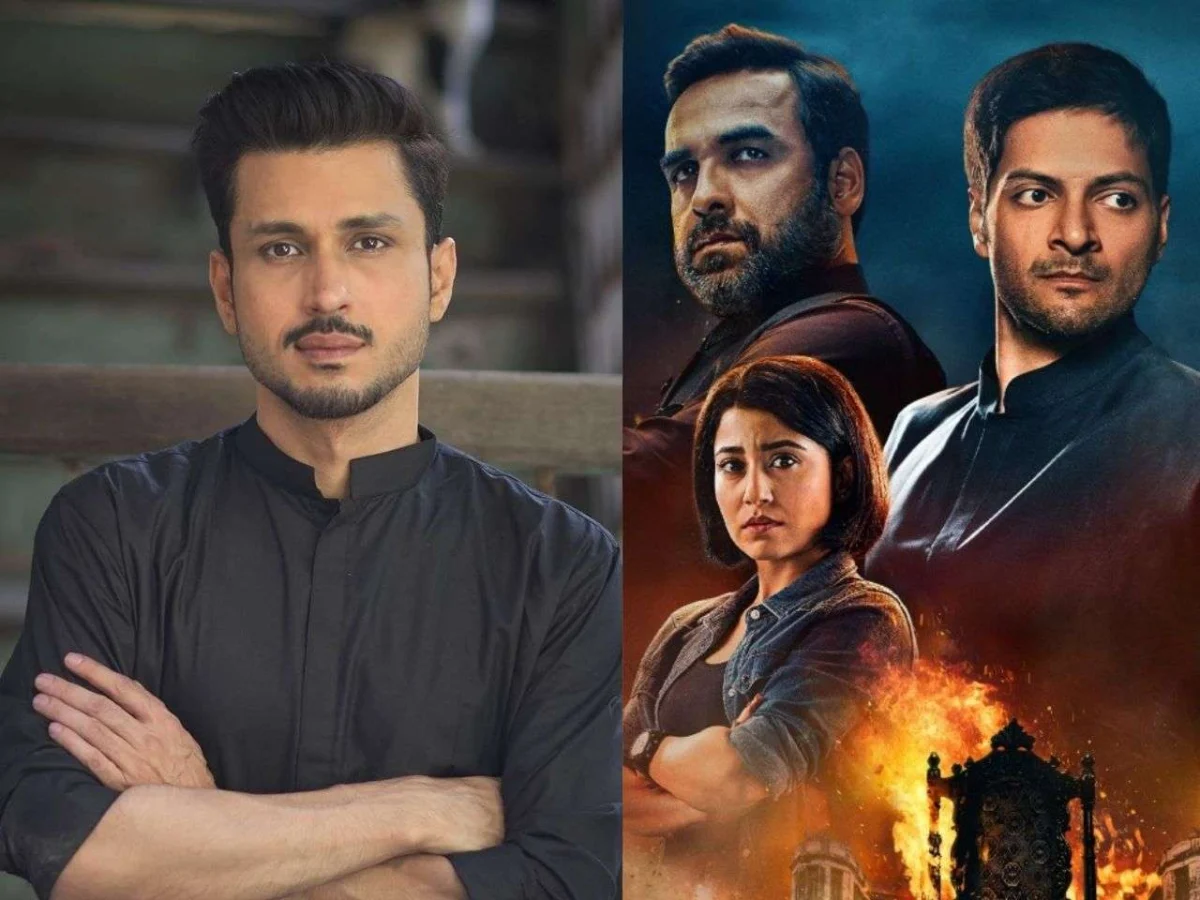
The opening of "Mirzapur: The Movie" has been met with a robust response, a testament to the enduring popularity of the franchise. Amidst this initial wave of enthusiasm, Amol Parashar took to social media to articulate his strong conviction in the film’s merit. His message, shared widely, specifically highlights the stellar performances of Pankaj Tripathi, Ali Fazal, Divyenndu, Rasika Dugal, Harshita Gaur, and Shriya Pilgaonkar, whom he unequivocally labels as "some of the craftiest actors of our generation."
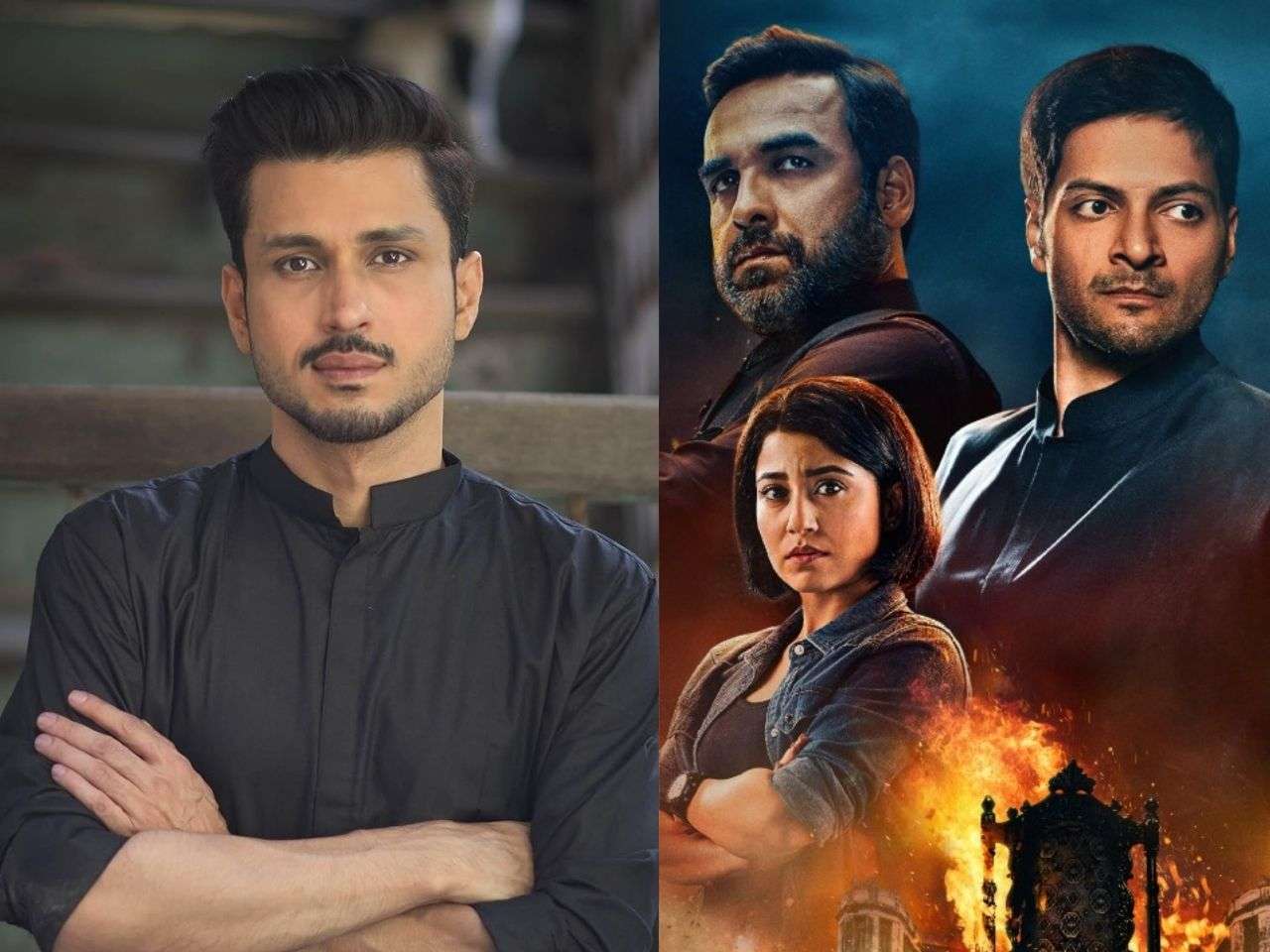
Parashar’s advocacy is particularly noteworthy because he explicitly states his non-involvement in the film’s cast. This disarms any potential perception of self-serving promotion, lending his words an air of genuine admiration and professional respect. His intention, as he clearly articulates, is to shine a spotlight on the collective artistry that forms the backbone of "Mirzapur: The Movie."
The Art of Persuasion: Why "Mirzapur" Deserves Your Cinema Ticket
In his detailed note, Parashar elaborates on his rationale, emphasizing that while every crew member plays a vital role, his focus on the actors stems from a deep appreciation for their dedication and skill. He asserts that the ensemble cast comprises individuals who have meticulously honed their craft over years, often building their careers from the ground up through relentless effort and self-improvement.
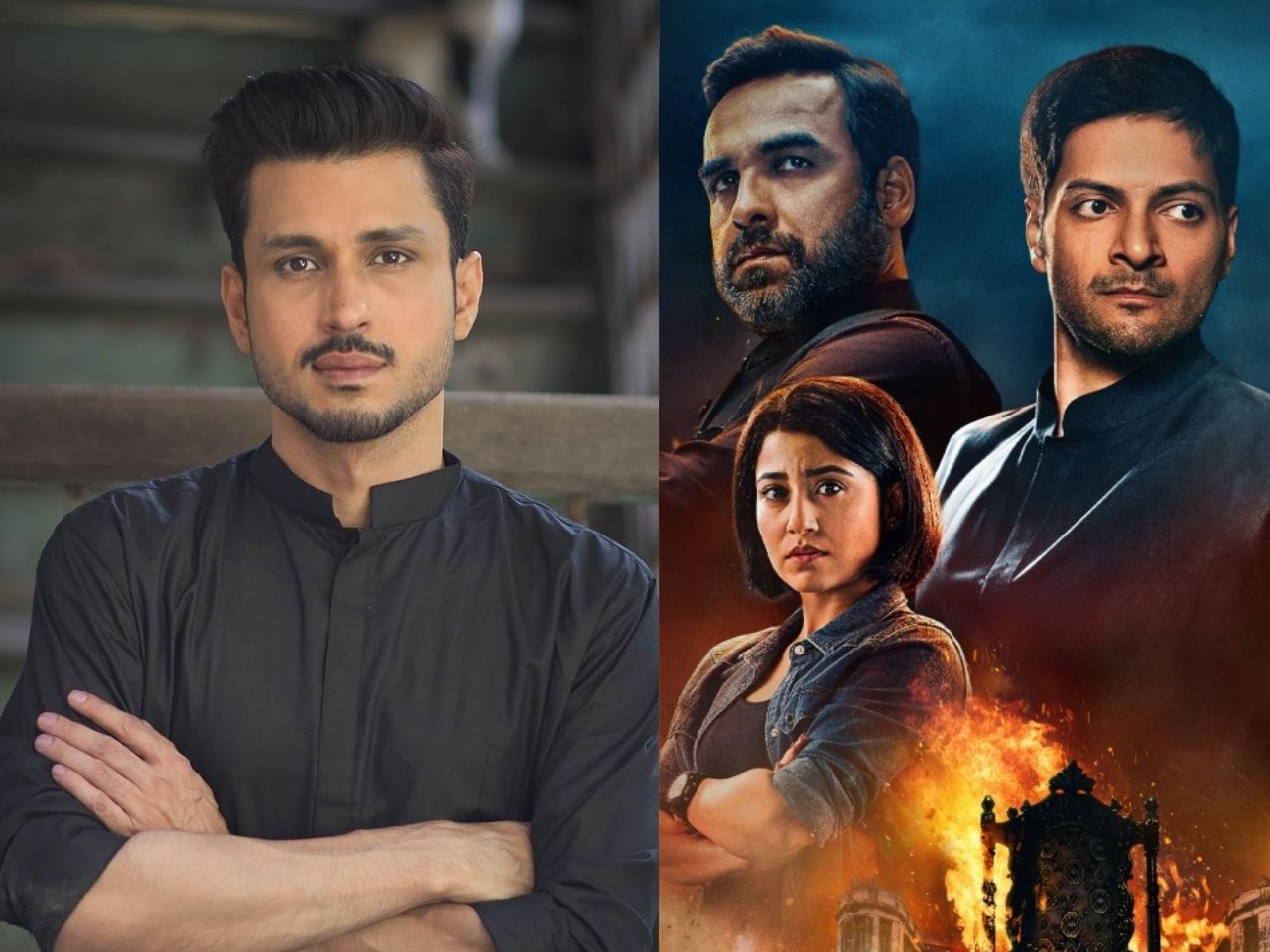)
"No, I am not in the film," Parashar begins, setting a tone of honest appreciation. "But I say it for all the actors who ARE in the film. Yes, each crew member is equally important, but for natural reasons, I speak for the actors a little more. This ensemble consists of some of the craftiest actors of our generation. I don’t need to convince you of it; you already know it. You’ve seen them at play; you’ve been entertained by their craft."
He further underscores the personal journeys of these actors, noting their commitment to their art. "All of them are people who have built their careers from the ground up, years of leaving no stone unturned while simultaneously working on themselves. Nobody’s said it in as many words, but I’d take the liberty of taking a guess at what they want: They want you to show up, to let them entertain you on the big screen."

A Call to Action: Bridging the Gap Between Appreciation and Investment
Parashar’s message directly addresses a prevalent sentiment within the Indian film-watching community: the often-voiced desire for more nuanced and compelling performances on the big screen. He posits that "Mirzapur: The Movie" presents a tangible opportunity for audiences to translate this appreciation into tangible support.
"The answer to ‘we’d like to see more such actors on the big screen’ is right here," Parashar states emphatically. He acknowledges the audience’s love and respect for these actors but draws a critical distinction between emotional appreciation and financial investment. "They know they are loved, no doubt. But business doesn’t follow the love and respect you feel for your favourite actors; it follows the money you are willing to spend on them."
)
This statement serves as a poignant reminder of the economic realities of the film industry. While critical acclaim and audience adoration are invaluable, it is the box office revenue that ultimately dictates the viability of projects and the opportunities for artists to continue showcasing their talents. Parashar’s appeal is, therefore, not just about promoting a single film but about fostering a culture where genuine artistic merit is financially rewarded, thereby encouraging the production of more such quality cinema.
The "Mirzapur" Phenomenon: A Legacy of Raw Talent and Narrative Depth
The "Mirzapur" franchise, since its inception as a web series, has carved a distinct niche for itself in the Indian entertainment sphere. Its gritty realism, complex characters, and unflinching portrayal of power dynamics in a rural Indian setting resonated deeply with viewers, amassing a dedicated fan base. The transition to a feature film format, "Mirzapur: The Movie," carries the weight of these expectations, and the ensemble cast, a cornerstone of the series’ success, is tasked with delivering a cinematic experience that lives up to the established legacy.
)
Pankaj Tripathi, a veteran actor, has consistently delivered performances that are both nuanced and commanding, making him a formidable presence in any project he undertakes. His portrayal of Kaleen Bhaiya has become iconic, a testament to his ability to embody complex moral ambiguity. Ali Fazal, who plays Guddu Pandit, has showcased a remarkable evolution in his acting prowess, transitioning from a more romantic lead to a character grappling with violence and ambition. Divyenndu, as the volatile Munna Tripathi, has masterfully navigated the character’s descent into madness and megalomania, often stealing scenes with his raw intensity.
Rasika Dugal, as Beena Tripathi, has consistently portrayed strength and resilience amidst patriarchal oppression, bringing a quiet power to her character. Harshita Gaur, as Dimpy Pandit, has evolved from a seemingly innocent bystander to a significant player in the unfolding drama. Shriya Pilgaonkar, in her role, has also contributed significantly to the narrative’s intricate tapestry.
)
Parashar’s commendation of these actors as "craftiest" is not hyperbole; it reflects a collective understanding within the industry of their dedication to their roles, their ability to inhabit characters with profound psychological depth, and their commitment to pushing the boundaries of conventional acting. They are artists who have consistently chosen challenging roles and have, in turn, earned the respect and admiration of both their peers and the audience.
The Economic Imperative: Supporting Talent Through Ticket Sales
Amol Parashar’s message carries a significant undertone regarding the economics of filmmaking and the vital role of audience support. In an era where digital streaming platforms have revolutionized content consumption, theatrical releases often face an uphill battle to capture audience attention and generate revenue. While the convenience of home viewing is undeniable, the communal experience of cinema – the shared laughter, gasps, and applause – remains a unique draw.
)
Parashar’s argument suggests that a strong theatrical performance for "Mirzapur: The Movie" would send a powerful message to the industry. It would demonstrate that audiences are willing to invest in films that prioritize strong performances and compelling storytelling, even if they don’t necessarily align with typical mainstream blockbuster formulas. This, in turn, could encourage producers and studios to greenlight more projects that offer substantial roles for talented actors and explore diverse narratives.
The phrase "putting our money where our mouth is" is a direct challenge to passive appreciation. It implies that genuine support requires a tangible commitment, a financial endorsement that translates into box office success. For actors who have dedicated years to refining their skills and often navigate a precarious industry, this financial backing is crucial for their sustained careers and for the continued production of quality cinema.
)
Beyond the Screen: Implications for the Future of Indian Cinema
The "Mirzapur" franchise has already been credited with redefining the landscape of Indian web series, pushing the boundaries of storytelling and character development. The film’s success in theatres, bolstered by Parashar’s impassioned plea, could have far-reaching implications for the future of mainstream cinema.
Firstly, it could reinforce the importance of strong ensemble casts. In an industry often dominated by star power, "Mirzapur: The Movie" champions the collective brilliance of its actors. A successful run at the box office would validate the notion that well-rounded performances and a cohesive cast can be a significant draw for audiences, encouraging more films to prioritize ensemble development.
)
Secondly, it could signal a shift in audience preferences. If "Mirzapur: The Movie" thrives, it might indicate a growing appetite for content that is gritty, character-driven, and devoid of formulaic tropes. This could embolden filmmakers to take creative risks and explore more complex and mature themes.
Thirdly, it serves as a crucial reminder for audiences of their power in shaping the entertainment industry. By choosing to support films like "Mirzapur: The Movie" in theatres, viewers directly contribute to the ecosystem that nurtures talent and fosters artistic growth. It’s a symbiotic relationship where audience engagement fuels the creation of more compelling cinematic experiences.
)
Amol Parashar’s heartfelt endorsement of "Mirzapur: The Movie" is more than just a celebrity’s opinion; it is a thoughtful analysis of the current cinematic climate and a powerful call to action. His words resonate with a deeper truth about the industry: that talent thrives when it is recognized, appreciated, and, crucially, supported. As audiences flock to cinemas, the success of "Mirzapur: The Movie" will not only be a testament to its own merits but also a resounding affirmation of the power of collective artistic endeavor and the audience’s role in sustaining it.