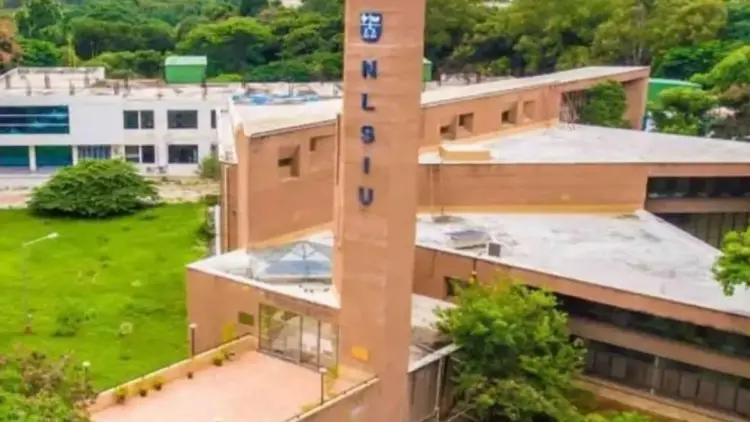
Bengaluru: In a significant and unexpected development, the prestigious National Law School of India University (NLSIU), Bengaluru, has announced the cancellation of its 34th Annual Convocation ceremony for the graduating batch of 2026. The decision comes amidst a burgeoning controversy sparked by student objections to the proposed presence of Chief Justice of India (CJI) Surya Kant and Bar Council of India (BCI) Chairman Manan Kumar Mishra as distinguished guests at the event. The university cited "unavoidable circumstances" as the reason for the cancellation, a statement that has drawn scrutiny and fueled further discussion within legal and academic circles.
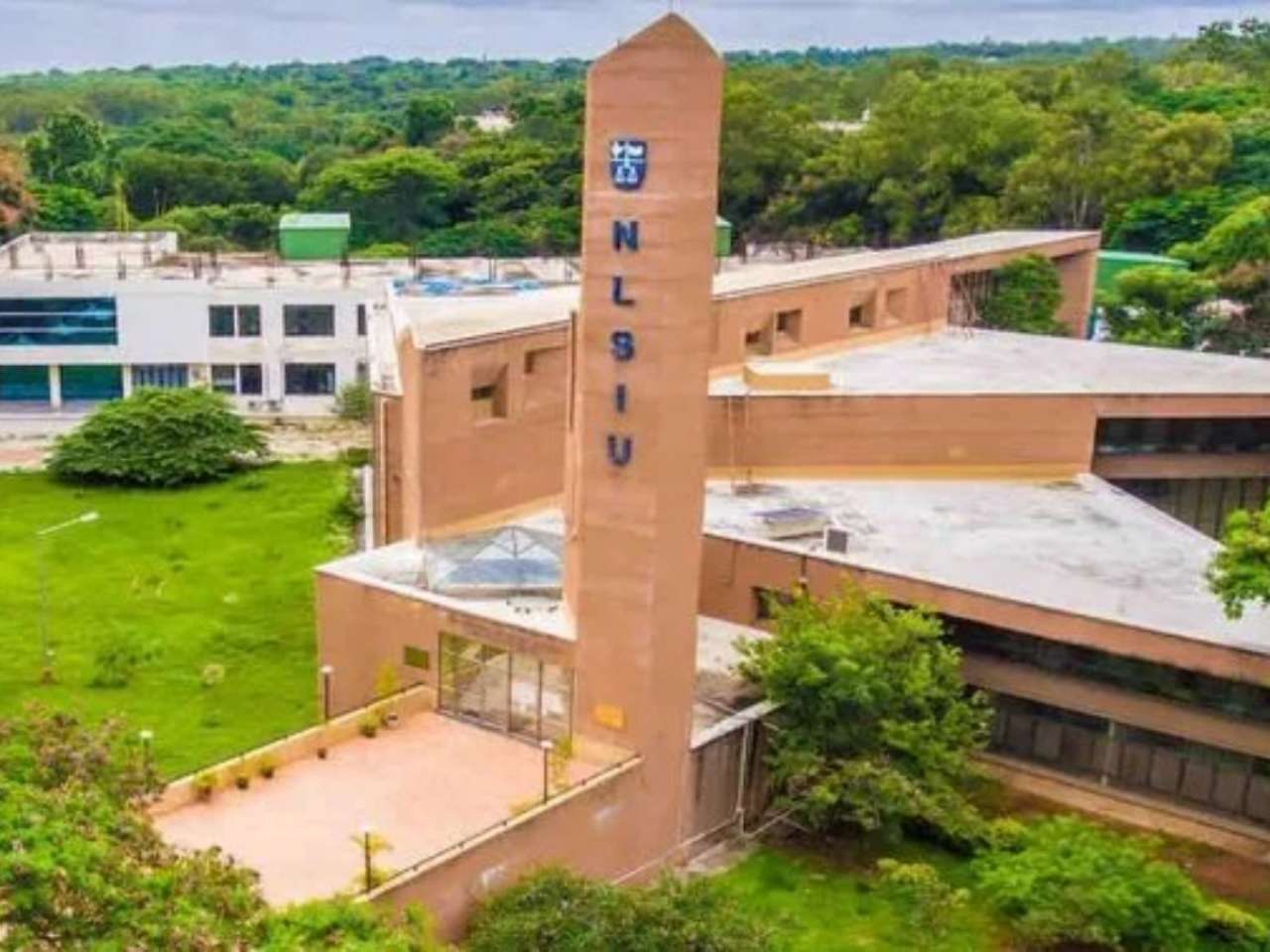
Initially slated for September 12, the convocation ceremony was abruptly called off through a notice issued by the university administration on August 27. This abrupt reversal has left the graduating students in a state of uncertainty and disappointment, as they will now receive their degrees in absentia. While the university has assured students that their degrees will be conferred remotely and that arrangements will be made for certificate collection or courier, the symbolic importance of a physical convocation, a milestone event marking the culmination of years of rigorous academic pursuit, has been lost.
The controversy surrounding the NLSIU convocation is not an isolated incident. It appears to be intricately linked to a similar, preceding dispute at NALSAR University of Law in Hyderabad, where students also voiced their opposition to the proposed participation of CJI Surya Kant as the chief guest at their convocation. This pattern of student dissent highlights a growing undercurrent of concern within certain sections of the student body regarding the institutional roles and perceived biases of prominent legal figures.

The Genesis of the Controversy: Student Objections and Institutional Responses
The NLSIU administration had formally communicated the date of the 34th Annual Convocation to the graduating batch, setting the stage for a formal celebration. However, a significant segment of the student body reportedly expressed strong reservations about the inclusion of CJI Surya Kant and BCI Chairman Manan Kumar Mishra on the dais. While the specific nature and breadth of these objections have not been fully detailed by the university, sources close to the student community suggest that concerns may have revolved around the individuals’ past pronouncements, perceived stances on certain legal issues, or their roles within the broader legal fraternity, which some students felt were not conducive to an inclusive and celebratory academic event.

This student dissent at NLSIU mirrors the situation that unfolded at NALSAR University of Law earlier this year. At NALSAR, students had also raised objections to CJI Surya Kant’s proposed presence as chief guest. The initial reaction from the Bar Council of India was notably stringent. The BCI had issued an order that effectively froze the enrolment of NALSAR’s entire 2026 graduating batch with state bar councils, pending an inquiry into the matter. This drastic measure suggested a firm stance by the BCI against what it might have perceived as an act of disrespect or insubordination from the students.

However, the BCI’s position subsequently evolved. Following an internal review and concluding that the majority of NALSAR students had not intended to engage in any act of disrespect, the BCI eventually withdrew its restrictive order. This amended decision allowed all NALSAR graduating students to proceed with their enrolment with the state bar council of their choice, signalling a partial de-escalation of the conflict. The NALSAR episode set a precedent and perhaps emboldened students at NLSIU to voice similar concerns, knowing that such objections, while initially met with institutional resistance, could eventually lead to a reassessment of decisions.

Degrees in Absentia: A Compromise with Lingering Disappointment
In the wake of the cancellation, NLSIU has outlined a plan to confer degrees in absentia. This means that graduating students will be officially awarded their academic qualifications without the traditional ceremony. The university has stated that this process will be subject to the approval of its governing bodies, a standard procedural step. Students will be provided with the option to either have their certificates couriered to their respective addresses or to collect them in person from the university campus at a later date. NLSIU has committed to providing a detailed form and further logistical information to the graduating batch to facilitate this process.

While this arrangement ensures that students will receive their hard-earned degrees, it inevitably falls short of the profound experience that a convocation ceremony represents. For many, the convocation is not merely a formality but a significant rite of passage, a moment of collective celebration with peers, faculty, and family, and an opportunity to receive formal recognition for their academic achievements. The absence of this communal aspect is likely to leave a void for the graduating class of 2026. The university’s acknowledgement of "unavoidable circumstances" suggests that the internal pressures and the fallout from the student objections created a situation deemed unmanageable for proceeding with the physical event.

Broader Implications and the "Gen-Z Way" of Protest
The cancellation at NLSIU has broader implications for the dynamics between students, educational institutions, and legal bodies in India. It raises questions about the extent to which student voices and concerns should influence institutional decisions, particularly when those decisions involve high-profile dignitaries. The apparent reluctance of students to share detailed public reasons for their objections, coupled with the university’s swift cancellation, creates an atmosphere of speculation. However, the connection to the NALSAR incident suggests a pattern of student assertiveness on issues of institutional integrity and representation.

The reaction from some external observers has been varied. Saurav Das, co-convenor of the "Cockroach Janta Party," offered a somewhat provocative but potentially insightful comment. He expressed hope that the NLSIU graduating batch would organize their own ceremony, inviting "the most honourable guest" and doing it "the Gen-Z way." This sentiment, while informal, hints at a possibility of students taking agency in their own celebrations, perhaps in a manner that aligns more closely with their values and expectations, outside the confines of traditional institutional structures. Such a move, if it were to occur, would underscore a generational shift in how students engage with and perceive institutional events.

The situation at NLSIU serves as a potent reminder of the evolving landscape of student activism and engagement within higher education. As these institutions of legal learning grapple with issues of representation, student voice, and the public image of their esteemed guests, the need for open dialogue, transparency, and a nuanced understanding of student concerns becomes increasingly critical. The cancellation of the convocation, while a pragmatic solution to an immediate crisis, leaves behind a lingering question about how future academic milestones can be celebrated inclusively, respecting both tradition and the evolving expectations of the student community. The "unavoidable circumstances" cited by NLSIU are, in essence, a reflection of the complex interplay between institutional authority, student aspirations, and the broader socio-political context within which legal education operates. The ripple effect of these events may well shape how similar situations are navigated in the future by other prominent legal institutions across the country.