

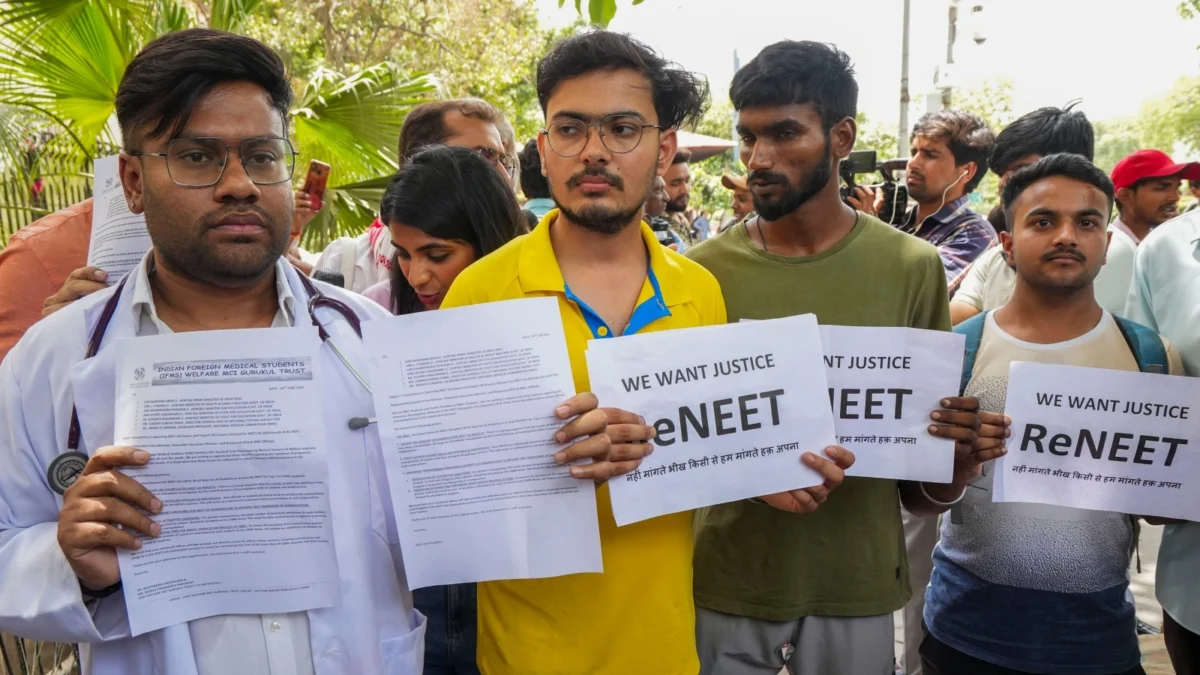
New Delhi, May 18, 2026 – In the wake of the deeply troubling NEET-UG 2026 paper leak scandal, a powerful parliamentary panel has initiated a comprehensive review of the National Testing Agency (NTA), the autonomous body responsible for conducting numerous high-stakes entrance examinations across India. The Parliamentary Standing Committee on Education, Women, Children, Youth and Sports has summoned key officials from the Ministry of Education and the NTA itself, including NTA Chairperson Pradeep Kumar Joshi and Secretary of the Department of Higher Education, Vineet Joshi, for crucial deliberations scheduled for May 21.
This high-level scrutiny signifies a critical juncture for the NTA, which has come under intense public and governmental scrutiny following widespread allegations of irregularities and a paper leak that marred the NEET-UG 2026 examination. The panel’s agenda is multifaceted, encompassing not only an in-depth review of the implementation of reforms recommended by the K Radhakrishnan Committee but also a thorough examination of the ongoing investigation into the NEET-UG 2026 paper leak. The committee’s proactive stance underscores the gravity of the situation and the urgent need to restore public confidence in the integrity of India’s examination system.
Unraveling the NEET-UG 2026 Crisis: A Chronology of Events
The NEET-UG 2026 examination, intended to be a gateway for approximately 23 lakh aspiring medical professionals, has been plunged into controversy following allegations of a massive paper leak. The timeline of events leading to the NTA’s decision to cancel the exam and the subsequent announcement of a re-examination paints a picture of systemic vulnerability and delayed response.
The NEET-UG 2026 exam was conducted on May 3rd, with the NTA administering the test to a vast number of candidates across the nation. However, the integrity of the examination was called into question just days later. According to the NTA’s own admission, information regarding alleged malpractices and a potential paper leak was only received on the evening of May 7th, a full four days after the examination had concluded. This delay in acknowledging and acting upon the reported irregularities has been a significant point of concern, raising questions about the NTA’s internal mechanisms for detecting and addressing such issues in real-time.
The escalating allegations of malpractice and the overwhelming evidence presented led to a pivotal decision by the NTA: the cancellation of the NEET-UG 2026 examination. This drastic measure, announced amidst widespread public outcry and parental distress, aimed to address the perceived injustice faced by genuine candidates.
Following the cancellation, the nation anxiously awaited news regarding the future of the medical entrance exam. On Friday, Union Education Minister Dharmendra Pradhan addressed the concerns, announcing that the NEET-UG re-examination would be conducted on June 21st. Furthermore, in a significant policy shift, he declared that the medical entrance exam would transition to a computer-based format starting from the next academic year. This forward-looking announcement signals a commitment to modernizing the examination process and potentially mitigating future risks associated with paper-based tests.
NTA Reforms: The Shadow of the K Radhakrishnan Committee Report
The parliamentary panel’s renewed focus on the NTA extends beyond the immediate crisis of the NEET-UG 2026 paper leak. A crucial part of their mandate involves a review of the implementation of reforms recommended by the K Radhakrishnan Committee. This committee, constituted to provide a blueprint for strengthening the NTA’s operational efficiency and integrity, had submitted its report with a series of recommendations aimed at enhancing the agency’s governance, examination security, and technological infrastructure.
The Radhakrishnan Committee’s report is understood to have delved into critical areas such as:
- Robust Examination Security Protocols: Recommendations likely included enhanced measures for question paper setting, printing, distribution, and secure storage, along with advanced invigilation techniques.
- Technological Integration: Suggestions for leveraging technology for question paper generation, secure online examination platforms, and real-time monitoring to prevent cheating.
- Grievance Redressal Mechanisms: Strengthening the process for handling candidate complaints and allegations of irregularities promptly and transparently.
- Data Security and Confidentiality: Implementing stringent measures to protect sensitive candidate data and examination-related information.
- Internal Audit and Accountability: Establishing independent audit mechanisms and clear lines of accountability within the NTA.
The parliamentary committee’s review will critically assess the extent to which these recommendations have been translated into tangible action by the NTA. The effectiveness of these reforms in preventing the recurrence of the NEET-UG 2026-like incidents will be a key determinant of the panel’s findings and future policy suggestions. The panel’s observation that it is "unfortunate" that the NTA had not conceded to the "repeated request of the police to supply ‘crucial documentary evidence’" to ascertain the extent of the malpractice further highlights potential shortcomings in the NTA’s cooperation and transparency during investigations.
Broader Agendas: AI, Employability, and Institutional Governance
The parliamentary committee’s purview is not limited to the NTA’s immediate challenges. The May 21st deliberations are also slated to address broader, forward-looking issues pertinent to the Indian education landscape.
The Impact of Artificial Intelligence (AI) on Education: The committee will engage with leading experts and organizations, including representatives from Anthropic India, to discuss the transformative potential of Artificial Intelligence in education. This discussion is expected to explore how AI can be leveraged to personalize learning experiences, enhance teaching methodologies, and streamline administrative processes within educational institutions. Simultaneously, the panel will likely address the ethical considerations and potential challenges associated with the integration of AI, such as ensuring equitable access and preventing misuse.
Enhancing Student Employability: Recognizing the growing demand for a skilled workforce, the committee will also focus on strategies to bolster the employability of Indian students. This will involve discussions with academic institutions like IIT Kanpur and IIT Madras, as well as industry giants like Infosys, to identify the skills and competencies that are most in demand in the current job market. The aim is to bridge the gap between academic curricula and industry requirements, ensuring that graduates are well-equipped to contribute to the nation’s economic growth.
Institutional Governance and Policy Implementation: In a separate, yet equally significant session, the committee will engage with the Vice-Chancellor of Aligarh Muslim University (AMU) and the Chairperson of the National Commission for Minority Educational Institutions (NCMEI). The discussions will revolve around critical issues pertaining to minority educational institutions, including the effective implementation of reservation policies, addressing faculty and staff vacancies, and ensuring alignment with the National Education Policy (NEP). This focus underscores the committee’s commitment to ensuring equitable access to quality education across all segments of society.
Review of Previous Reports: The committee will also take up its 379th and 380th reports. The 379th report concerns the government’s action on recommendations made in the 365th report on the Demands for Grants 2025-26 of the Ministry of Women and Child Development. The 380th report will review the action taken on recommendations from the 368th report, which focused on the functioning of the National Council for Teacher Education (NCTE) and teacher training initiatives under the National Education Policy 2020. This indicates a broad and consistent oversight role by the parliamentary committee across various critical sectors.
Official Responses and the Road Ahead
The swift formation of the parliamentary committee and the summoning of key officials signal a strong resolve from the legislative body to address the systemic issues that have come to light. The NTA, under immense pressure, has publicly stated its commitment to cooperating with the ongoing investigations and implementing necessary reforms. The announcement of the NEET-UG 2026 re-examination and the shift to a computer-based format are initial steps, but the true measure of accountability and reform will lie in the subsequent actions taken.
The involvement of the police in seeking "crucial documentary evidence" from the NTA, as highlighted by the court, points to the need for greater transparency and proactive collaboration between examination bodies and law enforcement agencies during investigations of malpractice. This aspect will likely be a focal point of the parliamentary committee’s deliberations, aiming to establish clear protocols for information sharing and investigation support.
The future of the NTA hinges on its ability to demonstrate a robust commitment to integrity, transparency, and accountability. The parliamentary committee’s review serves as a crucial opportunity for the NTA to rebuild public trust and to implement reforms that will safeguard the sanctity of examinations for generations of Indian students. The outcome of these deliberations will undoubtedly shape the future of higher education admissions and testing in India, setting a precedent for how such critical national bodies are held accountable.
