

HYDERABAD – In a significant move to safeguard public health and enforce stringent hygiene standards across the state’s burgeoning culinary sector, the Telangana Food Safety Department conducted a series of high-profile inspections on Wednesday, May 20, 2026. The raids, which spanned popular establishments in the state capital and Karimnagar, revealed a harrowing catalog of safety breaches, ranging from pest infestations to the use of putrid ingredients in baked goods.
The enforcement drive is part of an ongoing, state-wide initiative by the Commissioner of Food Safety to ensure that Food Business Operators (FBOs) adhere to the mandates of the Food Safety and Standards Act. The findings at Urban Monk Fine Dine and Baking, Meld Haus brewery, and Ganesh Bangalore Bakery have sparked renewed concerns regarding the quality of food being served to the public and the internal oversight mechanisms within the hospitality industry.
Chronology of the Enforcement Drive: A Day of Rigorous Oversight
The inspections commenced early on Wednesday morning, with specialized teams from the Telangana Food Safety Department targeting high-footfall areas in the eastern corridors of Hyderabad before extending their reach to the northern district of Karimnagar.
Morning Operations: LB Nagar and Nagole (Hyderabad)
The first phase of the operation focused on the LB Nagar and Nagole zones, areas known for their vibrant nightlife and family dining options. Officials first arrived at Urban Monk Fine Dine and Baking in LB Nagar. What was marketed as a premium dining and baking experience was quickly revealed to be a facility struggling with fundamental hygiene protocols.
Simultaneously, a second team descended upon Meld Haus, a well-known brewery in Nagole. In both locations, the inspections were comprehensive, covering the front-of-house dining areas, the storage units, and the primary kitchens. By mid-afternoon, the department had documented a litany of violations that necessitated immediate intervention, including the seizure of suspect samples and the on-the-spot destruction of contaminated goods.
Afternoon Operations: Subhash Nagar (Karimnagar)
While the Hyderabad teams were processing their findings, a separate enforcement wing conducted a surprise raid at Ganesh Bangalore Bakery in Subhash Nagar, Karimnagar. This inspection focused on the production line of the bakery, which supplies a variety of confectioneries to local residents. The discovery here was perhaps the most alarming of the day, involving the large-scale use of spoiled animal products in the preparation of cakes and pastries.
Supporting Data: Detailed Findings and Violation Reports
The data released by the Telangana Food Safety Department provides a granular look at the specific hazards identified during the May 20 inspections. The violations can be categorized into three primary areas: biological hazards, chemical risks, and systemic storage failures.
1. Biological Hazards and Pest Infestation
At Urban Monk and Meld Haus, inspectors noted a significant presence of pests. Pest infestation is considered a "Category 1" violation under FSSAI guidelines because pests such as cockroaches and rodents are vectors for pathogens like Salmonella, E. coli, and Listeria.
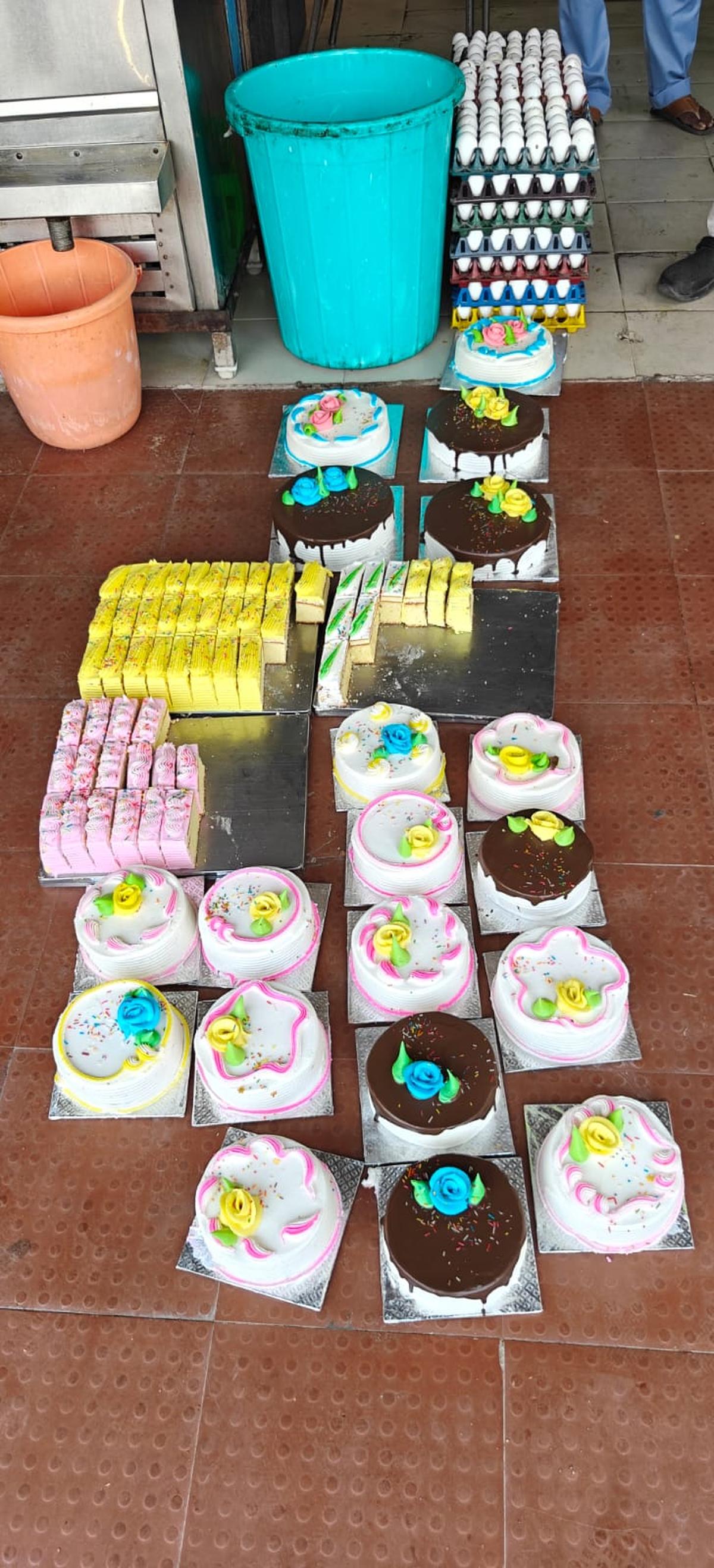
In Karimnagar’s Ganesh Bangalore Bakery, the biological hazard was even more direct. Officials discovered 750 damaged and foul-smelling eggs. These eggs were not only spoiled but were actively infested with houseflies, indicating a total breakdown of sanitary controls. The department confirmed that approximately 20 kg of cakes, suspected to have been baked using these spoiled eggs, were immediately confiscated and discarded to prevent them from reaching consumers.
2. Chemical Risks: The Reused Cooking Oil Crisis
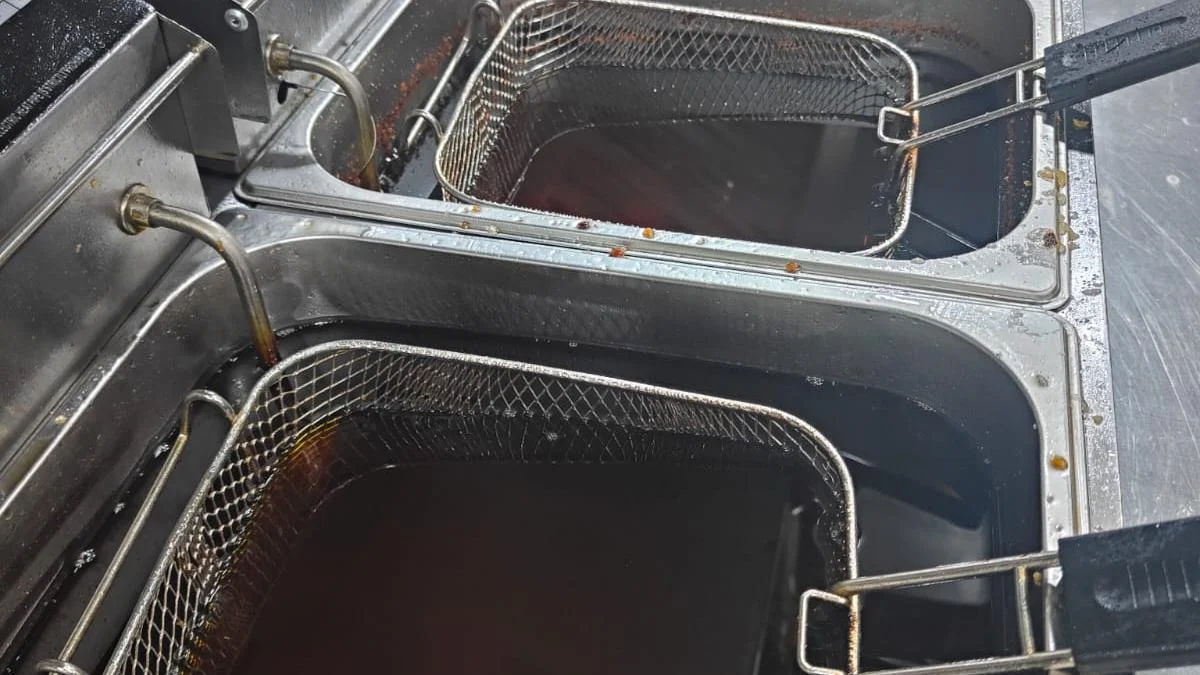
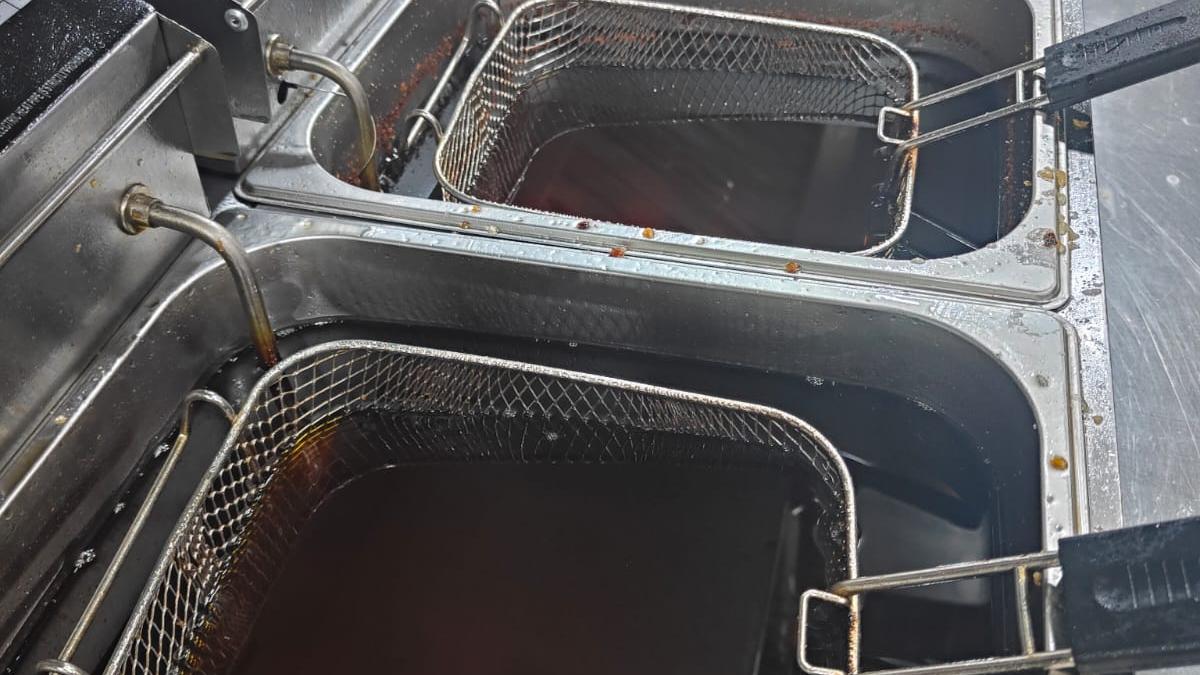
A recurring issue identified during the Hyderabad raids was the suspected repeated use of cooking oil. Under the "Repurposed Used Cooking Oil" (RUCO) initiative by FSSAI, food operators are prohibited from reusing oil that has developed high levels of Total Polar Compounds (TPC).
Repeatedly heating oil leads to the formation of trans-fats and acrylamide, which are linked to cardiovascular diseases and carcinogenic effects. The department has collected oil samples from both Urban Monk and Meld Haus for laboratory analysis to determine if the TPC levels exceeded the legal limit of 25%.
3. Systemic Storage and Labeling Failures
The inspections uncovered several logistical violations that compromise food safety:

- Expired Products: Numerous food articles were found to have passed their "Best Before" or "Expiry" dates but remained in the active kitchen inventory.
- Mislabeling: Several ingredients lacked proper labeling regarding their origin, manufacture date, or nutritional content, making it impossible for chefs or inspectors to track their safety.
- Improper Temperature Control: In the brewery and the fine-dining establishment, improper food storage practices were noted, specifically regarding the maintenance of the cold chain, which is essential for preventing bacterial growth in meats and dairy.
Official Responses: Government and Regulatory Action
Following the raids, the Telangana Food Safety Department issued a stern press note through their official channels, including their social media handle (@cfs_telangana), detailing the immediate actions taken.
On-Site Enforcement
The department confirmed that all expired and spoiled food articles, including the infested eggs and suspected reused oil, were "discarded on the spot" using chemical neutralizers to ensure they could not be salvaged or resold.
Laboratory Analysis
"Enforcement samples were collected from the establishments and sent for laboratory analysis," the department stated. These samples will be tested at the State Food Laboratory. The results of these tests will form the evidentiary basis for further legal proceedings. If the samples are found to be "unsafe" or "adulterated," the proprietors could face heavy fines and the potential cancellation of their trade licenses.
Legal Recourse
Action is being initiated against the Food Business Operators (FBOs) under the Food Safety and Standards Act, 2006. Depending on the severity of the lab results, the establishments may be served with "Improvement Notices" or, in more severe cases, face prosecution in a court of law. The department emphasized that there is a "zero-tolerance policy" for hygiene violations that put the lives of citizens at risk.
Implications: Public Health and the Future of Dining in Telangana
The findings of these inspections have far-reaching implications for both the public and the hospitality industry in Telangana.
Public Health Risks
The use of 750 spoiled eggs in a bakery is not merely a technical violation; it is a major public health threat. Spoiled eggs are a primary source of Salmonella poisoning, which can lead to severe gastroenteritis, dehydration, and in vulnerable populations (such as children and the elderly), life-threatening complications. Similarly, the reuse of cooking oil and the presence of pests in "fine-dine" environments suggest that price point and decor are not always indicators of kitchen safety.
Impact on the Hospitality Industry
These raids serve as a wake-up call for the restaurant industry. While Hyderabad has seen a post-pandemic boom in breweries and high-end cafes, the infrastructure for hygiene management has, in some cases, failed to keep pace. For establishments like Meld Haus and Urban Monk, the reputational damage can be far more costly than the legal fines. Industry experts suggest that these incidents may lead to a "flight to quality," where consumers demand greater transparency, such as open kitchens or visible FSSAI hygiene ratings.
The Role of Consumer Vigilance
The Telangana Food Safety Department has used these incidents to encourage citizens to be more vigilant. Consumers are urged to look for the FSSAI license number on menus and bills and to report any suspicious hygiene practices via the "FoSCoS" portal or the department’s social media handles. The fact that these violations were caught during routine/surprise inspections suggests that many more might go unnoticed without active reporting from the public.
Conclusion: A Continuous Commitment to Safety
The inspections on May 20, 2026, represent just one chapter in Telangana’s broader strategy to clean up its food industry. From the bustling streets of LB Nagar to the local bakeries of Karimnagar, the message from the authorities is clear: profit will never be allowed to take precedence over public safety.
As the laboratory results for the seized samples are awaited, the Food Safety Department has signaled that it will continue its "surgical strikes" on establishments that fail to meet the basic requirements of cleanliness and ingredient integrity. For the residents of Telangana, these actions provide a necessary layer of protection, ensuring that the food they consume—whether in a luxury brewery or a neighborhood bakery—is prepared in an environment that respects the law and the health of the community.
The department’s commitment to transparency, evidenced by the real-time sharing of photos and data from the raid sites, marks a new era of accountability in the state’s food governance. As the legal process unfolds for Urban Monk, Meld Haus, and Ganesh Bangalore Bakery, the entire industry remains on notice: hygiene is no longer an option, but a mandatory prerequisite for doing business in Telangana.
