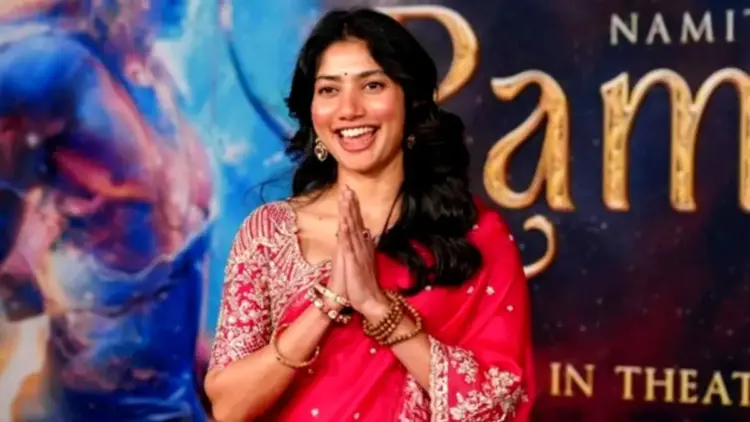
Los Angeles, CA – October 28, 2026 – The world premiere of Nitesh Tiwari’s highly anticipated epic, "Ramayana," held at the prestigious Academy Museum of Motion Pictures in Los Angeles on October 27th, has become the epicenter of a fervent online discussion, largely ignited by a nuanced statement from lead actress Sai Pallavi. Her observation that the demon king Ravana is "not all bad" has polarized social media, sparking debates that range from interpretations of complex characters to the very essence of self-reflection.
While the film, boasting a star-studded cast including Ranbir Kapoor as Lord Rama and Yash as Ravana, has generated considerable excitement for its ambitious scale and international appeal, Pallavi’s words have cast a different kind of spotlight, one that delves into the philosophical undertones of the ancient Indian epic. The actress, who portrays the revered Goddess Sita, articulated her perspective during a red-carpet interaction, framing her comment within a broader message of introspection and self-improvement.
The Genesis of the Controversy: A Call for Introspection
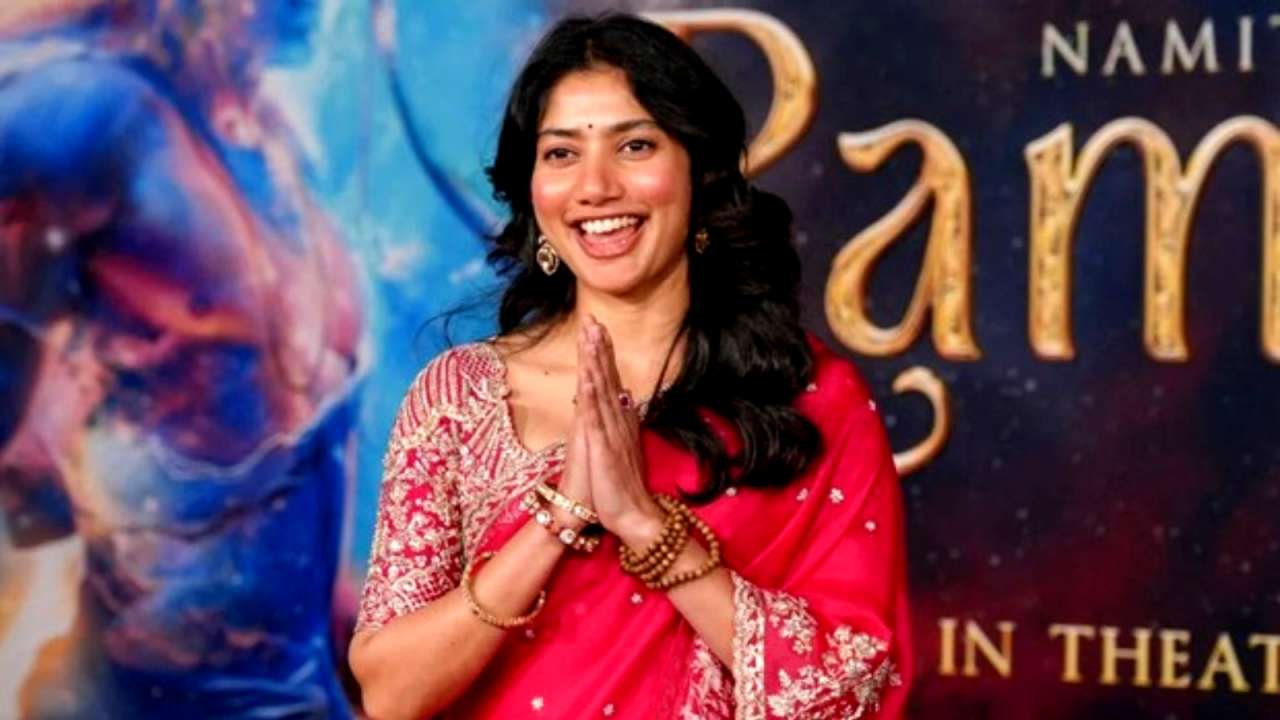
Sai Pallavi, known for her grounded performances and thoughtful public persona, was engaging with international media about the significance of bringing "Ramayana" to a global audience. She emphasized the film’s potential to serve as a cultural ambassador, introducing the rich tapestry of Indian mythology and storytelling to viewers unfamiliar with its intricacies. Praising the film’s technical prowess, including its visual effects, Pallavi then shifted her focus to the moral and spiritual lessons embedded within the scripture.
"At the same time, as a scripture, I think, if you are a believer, and you would see, try to introspect, and see what good and bad exists in you, and you learn to correct yourself over time," Pallavi stated. She elaborated on this by saying, "Because Ravana is not all bad. And it’s important that we spot the Ravana in us, and we make changes over time."
This seemingly philosophical observation, intended to encourage personal accountability and the recognition of internal struggles, has been interpreted in vastly different ways, catapulting the actress into the heart of an online maelstrom.
A Digital Divide: Criticism Versus Defense
The immediate aftermath of Pallavi’s statement saw the internet fracturing into two distinct camps. On one side, a vocal segment of social media users expressed strong disapproval. Critics argued that her remark was insensitive, particularly given Ravana’s traditional portrayal as the antagonist who abducted Sita. Some interpreted her words as a justification of his actions, with one user vehemently stating, "A woman praising her abductor." Others expressed concern that such nuanced interpretations could dilute the moral clarity of the epic or unnecessarily fuel controversy, suggesting that the actress should have refrained from such commentary ahead of the film’s release.

However, an equally robust counter-narrative emerged, with many defending Pallavi’s stance. These supporters argued that her words were being deliberately misinterpreted and taken out of context. They highlighted that Pallavi’s intention was not to exonerate Ravana but to encourage viewers to engage in self-reflection. As one netizen eloquently put it, "People want controversy over everything. She clearly compares Ravana to our inner demon which everyone has and that we should conquer them."
Defenders further pointed out that Ravana, despite his villainous role in the narrative, was a complex figure in Hindu mythology. He was renowned for his immense knowledge, devotion to Lord Shiva, and his intellectual prowess. This perspective suggests that recognizing these qualities, while acknowledging his pride and subsequent downfall, offers a more complete understanding of the character and, by extension, human nature. This view aligns with Pallavi’s call to "spot the Ravana in us," implying the identification of negative traits and the commitment to personal reform.

Chronology of the Discourse: From Premiere to Public Outcry
The controversy began to gain traction shortly after the world premiere of "Ramayana: Part One" on October 27th. The event, attended by the film’s principal cast and crew including Ranbir Kapoor, Yash, Sai Pallavi, and director Nitesh Tiwari, was intended to celebrate the culmination of years of hard work and to introduce the epic to a global audience.
October 27, 2026: The world premiere of "Ramayana" takes place at the Academy Museum of Motion Pictures in Los Angeles. Red-carpet interviews capture the cast and crew discussing the film.

October 27-28, 2026: Sai Pallavi’s interview clip, featuring her remark about Ravana, begins to circulate widely on social media platforms, including Twitter (now X), Instagram, and YouTube.
October 28, 2026 onwards: The online debate intensifies. Criticisms emerge, accusing Pallavi of downplaying Ravana’s transgressions. Simultaneously, supporters emerge, defending her statement as a call for self-awareness and acknowledging Ravana’s multifaceted character. Hashtags related to Sai Pallavi and Ramayana trend across various social media channels.

Late October 2026: News outlets begin reporting on the divided online reactions, further amplifying the discussion. Discussions extend beyond social media to entertainment news portals and general news websites.
The speed at which the debate has unfolded underscores the power of digital platforms in shaping public opinion and the sensitivity surrounding religious and cultural narratives in the age of instant information.

Supporting Data: The Multifaceted Nature of Ravana
The debate surrounding Sai Pallavi’s comment is not entirely new in the context of Indian mythology. Ravana, while undeniably the antagonist who abducts Sita and wages war against Lord Rama, is also depicted with significant virtues.
- Scholarship and Devotion: Ravana was a learned Brahmin and a great scholar of the Vedas and a devout follower of Lord Shiva. His penance to Lord Shiva is legendary, and he is often depicted as a master of music and a skilled strategist.
- Royal Authority: He was the powerful king of Lanka, a prosperous and advanced kingdom. His rule, though tyrannical in its dealings with others, brought order and prosperity to his own people.
- Pride and Arrogance: His downfall is primarily attributed to his overwhelming pride (ahamkara) and arrogance, which blinded him to his own limitations and led him to challenge divine forces.
- Complex Motivations: While his abduction of Sita is the central act of villainy, some interpretations suggest underlying motivations, including his sister Surpanakha’s humiliation, though this does not excuse his actions.
These facets of Ravana’s character have long been subjects of scholarly and popular discussion, suggesting that a simplistic good-versus-evil binary often fails to capture the complexity of epic narratives and the human condition they represent. Sai Pallavi’s statement, in this light, can be seen as an attempt to engage with this complexity.

Official Responses and Broader Implications
As of now, there have been no official statements from the filmmakers of "Ramayana" directly addressing Sai Pallavi’s remark or the ensuing online debate. The focus remains on the film’s impending release and the anticipation surrounding its cinematic presentation.
However, the implications of this discourse are significant:

- Navigating Cultural Nuances for Global Audiences: The "Ramayana" project aims for a global reach. Pallavi’s statement, and the subsequent reaction, highlights the challenge of presenting deeply ingrained cultural and religious narratives to diverse international audiences who may not share the same historical or mythological context. Balancing authenticity with universal themes and avoiding potential misinterpretations is a delicate act.
- The Power of Interpretation in Storytelling: The debate underscores the enduring power of storytelling to provoke thought and inspire varied interpretations. While the creators may have a specific vision, the audience’s engagement with characters and themes can lead to unexpected dialogues.
- The Role of Introspection in Modern Society: Pallavi’s core message of self-reflection and personal improvement, even if couched in a controversial example, resonates with contemporary discussions about mental well-being and personal growth. The controversy, in a way, has amplified this message, albeit through a polarizing lens.
- The Influence of Social Media on Public Discourse: The rapid dissemination and polarized reaction on social media demonstrate its potent ability to shape public perception and influence discussions around cultural artifacts and public figures.
"Ramayana": Part One – A Glimpse into an Epic Saga
"Ramayana: Part One," is slated for a worldwide theatrical release on November 5, 2026, with its sequel, "Ramayana: Part Two," expected around Diwali 2027. The film is a monumental undertaking, produced by Namit Malhotra’s Prime Focus Studios in collaboration with DNEG and Yash’s Monster Mind Creations.
The ensemble cast features a formidable lineup:

- Ranbir Kapoor as Lord Rama
- Yash as Ravana
- Sai Pallavi as Goddess Sita
- Ravie Dubey as Lakshman
- Sunny Deol as Hanuman
- Also featuring Arun Govil, Lara Dutta, Rakul Preet Singh, Vivek Oberoi, Kunal Kapoor, Kajal Aggarwal, and Sheeba Chadha in pivotal roles.
Adding to the grandeur, the film’s musical score is being helmed by two Academy Award-winning composers, A.R. Rahman and Hans Zimmer, promising a rich auditory experience.
As the release date approaches, the conversation around Sai Pallavi’s remark is likely to continue, adding an layer of philosophical debate to the cinematic spectacle. Whether her words are seen as a controversial misstep or a profound insight into the human condition, they have undeniably ensured that "Ramayana" is not just a film to be watched, but a story to be deeply discussed.