


SEO Keywords: South Korea stock market, India stock market, market capitalization, global financial markets, Asian economies, technology sector, emerging markets, Samsung, TSMC, NYSE, Nasdaq, Bloomberg data.
Last Updated: June 02, 2026, 16:33 IST
Executive Summary: South Korea Ascends to Sixth Largest Stock Market, Overtaking India
In a significant realignment of global financial power, South Korea has surpassed India to claim the position of the world’s sixth-largest stock market by market capitalization. As of June 2, 2026, South Korea’s aggregated market value reached an impressive $5.04 trillion, narrowly outpacing India’s $4.84 trillion. This shift, highlighted by recent Bloomberg data, underscores the relentless dynamism of Asian economies and the profound impact of the technology sector on national valuations. While the United States maintains an unassailable lead at the apex of global markets, this development signals a notable recalibration within the top echelons, reflecting South Korea’s robust technological prowess and strong investor confidence, even as India continues to be recognized as one of the fastest-growing major economies globally.

Main Facts and Key Figures
A Shift in Asian Market Dynamics
The global financial landscape witnessed a compelling shift this week as South Korea officially overtook India to become the world’s sixth-largest stock market. This milestone was achieved with South Korea’s total market capitalization soaring to $5.04 trillion. This figure now places it ahead of India, which currently holds a market cap of $4.84 trillion, marking a difference of approximately $200 billion. The data, compiled and reported by Bloomberg, provides a fresh perspective on the evolving economic strengths and investor sentiments across leading Asian nations. This change is not merely a numerical adjustment but reflects underlying economic currents, sectorial strengths, and investor flows that define the contemporary global financial order.
South Korea’s ascent is largely attributed to the sustained performance of its formidable technology sector, spearheaded by global giants such as Samsung Electronics and SK Hynix. These companies, deeply embedded in the semiconductor and electronics supply chains, have demonstrated remarkable resilience and growth, attracting significant domestic and international investor participation. Conversely, while India’s market has experienced unprecedented growth in recent years, propelled by a burgeoning domestic economy, rising retail investor engagement, and increased foreign direct investment, it has momentarily ceded its position to its East Asian peer. This narrow margin suggests an intensely competitive environment, where slight shifts in economic performance, corporate earnings, or currency valuations can lead to changes in global rankings.
Understanding Market Capitalisation
Stock market capitalization, often simply referred to as "market cap," is a fundamental metric that represents the total value of all outstanding shares of publicly traded companies listed on a country’s stock exchanges. It is calculated by multiplying the current share price of each company by the number of its outstanding shares and then summing these values across all listed entities. More than just a simple sum, market capitalization serves as a critical indicator of a nation’s economic scale, its financial market depth, and its attractiveness to global investors.
A higher market cap generally signifies a larger, more developed, and often more influential economy, capable of generating substantial corporate profits and fostering innovation. It reflects investor confidence in a country’s economic prospects, regulatory environment, and the future earnings potential of its corporate sector. Therefore, shifts in these rankings, such as South Korea’s recent overtake of India, are closely watched by economists, policymakers, and investors worldwide, as they offer insights into broader geopolitical and economic trends, capital allocation patterns, and the relative competitiveness of national economies on the global stage.

A Chronology of Growth and Contention
The recent shift in stock market rankings between South Korea and India is the culmination of distinct yet equally compelling economic narratives. Both nations have charted impressive trajectories in recent decades, leveraging unique strengths to emerge as formidable players in the global financial arena.
South Korea’s Steady Ascent Powered by Innovation
South Korea’s economic story is one of remarkable transformation, from post-war devastation to a high-tech industrial powerhouse. Known as one of the "Asian Tigers," its growth has been characterized by a strategic focus on export-oriented industries, heavy investment in research and development, and the cultivation of world-leading conglomerates, or chaebols. In recent years, this trajectory has been particularly evident in its stock market performance.
The nation’s market strength is intrinsically linked to its dominance in cutting-edge technologies. Samsung Electronics, a global leader in semiconductors, smartphones, and displays, along with SK Hynix, a memory chip giant, form the bedrock of South Korea’s market valuation. These companies, along with others in the automotive (Hyundai, Kia), petrochemical, and bio-pharmaceutical sectors, have consistently delivered strong earnings and innovative products, driving investor interest. Government policies promoting digital transformation, support for startups, and robust intellectual property protection have further solidified the technological ecosystem. Moreover, a highly educated workforce and significant domestic investor participation, often fueled by a strong savings culture, have provided a stable base for market growth. The consistent demand for advanced semiconductors, particularly with the global push for AI, IoT, and 5G technologies, has provided a significant tailwind, allowing South Korea to capture substantial value in the global supply chain and push its market capitalization to new heights.
India’s Rapid but Volatile Journey
India’s journey towards becoming a global economic force has been equally dramatic, driven by a different set of dynamics. Over the past two decades, India has emerged as one of the fastest-growing large economies, underpinned by significant economic reforms, a vast domestic market, and a burgeoning middle class. Its stock market has been a significant beneficiary of this growth, attracting substantial foreign institutional investment (FII) and witnessing an unprecedented surge in domestic retail participation.

The narrative of India’s stock market expansion is characterized by a "demographic dividend" – a large, young, and increasingly aspirational population – coupled with rapid digitalization and infrastructure development. Sectors such as information technology services, banking, pharmaceuticals, and consumer staples have been major contributors to its market cap. The government’s push for "Make in India," digital inclusion, and financialization of savings has broadened the investor base and deepened market liquidity.
However, India’s market growth has also been subject to global economic headwinds and occasional domestic policy uncertainties. While its long-term potential remains immense, factors such as global inflation, interest rate hikes, and fluctuations in commodity prices can introduce volatility. The recent slight dip relative to South Korea, while not indicative of a long-term decline, suggests that even rapid growth stories face competitive pressures and require sustained momentum across all economic fronts to maintain their upward trajectory in global rankings.
The Interplay of Global Economic Forces
This shift between South Korea and India is not an isolated event but rather a reflection of broader global economic forces. The post-pandemic recovery, the acceleration of digital transformation, and geopolitical shifts have all played a role. Supply chain resilience, technological self-sufficiency, and diversified export markets have become paramount. South Korea’s highly specialized, high-value-added industries, particularly semiconductors, have thrived in this environment of increasing technological demand. Meanwhile, India’s broader-based economic growth, while powerful, may experience more diffuse impacts from global shifts, making its market cap trajectory more susceptible to a wider range of global and domestic factors. The competitive nature of global capital flows means that investors are constantly evaluating opportunities, leading to dynamic shifts in market valuations as economic narratives evolve.
Supporting Data and Global Market Landscape
The reordering of the sixth and seventh positions highlights the overall structure of the world’s largest stock markets. While the focus is on the dynamic interplay between South Korea and India, it is crucial to contextualize this within the broader global landscape, where certain economies continue to dominate by an immense margin, and Asian markets collectively demonstrate robust strength.
The Unassailable Dominance of the United States
At the pinnacle of global financial markets, the United States remains unchallenged, boasting an staggering market capitalization of $79.47 Trillion. This colossal figure is nearly five times larger than the next biggest market, mainland China. The US market’s enduring strength is underpinned by its deeply liquid and highly efficient exchanges, the New York Stock Exchange (NYSE) and Nasdaq, which host an unparalleled roster of global titans. Companies like Apple, Microsoft, Nvidia, Amazon, and Alphabet (Google’s parent company) not only dominate their respective industries but also represent the cutting edge of innovation, driving technological advancement and generating immense shareholder value. The US market benefits from a diverse economy, a robust regulatory framework, strong investor protection, and a culture of innovation that continuously attracts capital from across the globe, solidifying its position as the ultimate benchmark for global finance.
Asia’s Enduring Financial Powerhouses
Beyond the US, Asian markets continue to hold significant sway, demonstrating varied strengths and strategic importance.
-
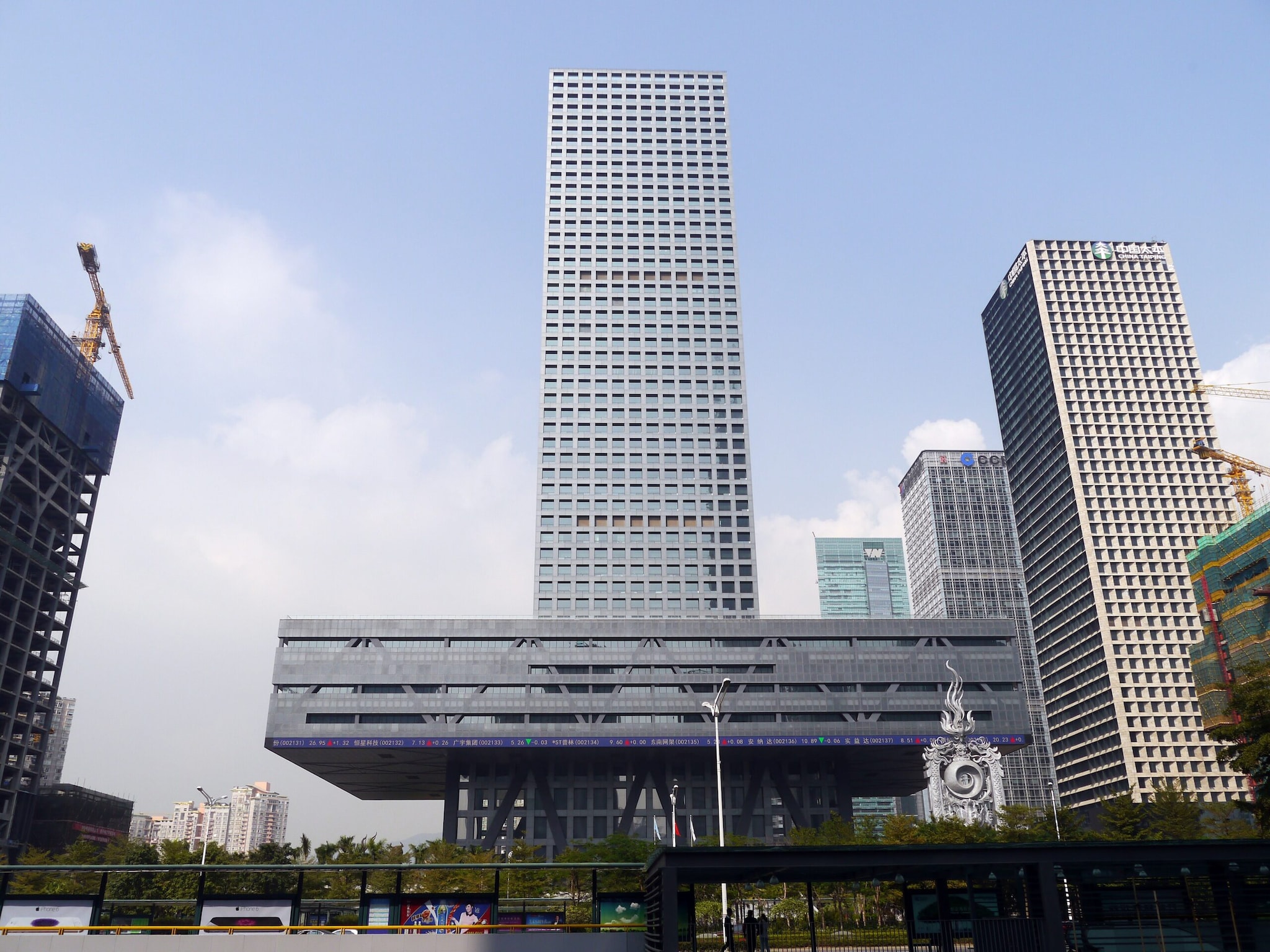
Mainland China – $15.09 Trillion: China holds the second-largest stock market globally, a testament to its vast economy and rapid industrialization. The Shanghai and Shenzhen stock exchanges are instrumental in financing the country’s colossal manufacturing base, its burgeoning technology sector, and its massive consumer market. While facing occasional geopolitical and regulatory challenges, China’s sheer economic scale and domestic growth potential ensure its formidable presence in global finance.
-
Japan – $8.63 Trillion: As Asia’s most mature financial market, Japan consistently ranks among the top. The Tokyo Stock Exchange is home to many globally recognized and respected companies, including automotive giant Toyota, electronics innovator Sony, and the diverse conglomerate Mitsubishi. Japan’s market is characterized by stability, a strong corporate governance framework, and a significant base of institutional and individual investors, reflecting its deeply integrated role in the global economy.

-
Hong Kong – $7.24 Trillion: Despite recent economic and political challenges, Hong Kong maintains its status as a critical financial gateway. Its stock exchange serves as a vital bridge connecting international investors with mainland Chinese companies and broader Asian markets. Its strategic location, free-market principles, and sophisticated financial infrastructure continue to make it an attractive hub for capital flows, even as it navigates complex geopolitical dynamics.
-
Taiwan – $5.15 Trillion: Taiwan’s stock market, with its $5.15 trillion valuation, is a prime example of a highly specialized economy driving significant market capitalization. The market’s strength is overwhelmingly powered by its semiconductor industry, with Taiwan Semiconductor Manufacturing Company (TSMC) being the undisputed global leader in contract chip manufacturing. TSMC’s dominance and its crucial role in the global technology supply chain have propelled Taiwan’s market to one of the highest valuations per capita in Asia.
-
South Korea – $5.04 Trillion: Now securing the sixth position, South Korea’s market is driven by its prowess in technology, particularly semiconductors and consumer electronics, with Samsung Electronics and SK Hynix leading the charge. Strong domestic investor participation and a focus on innovation and exports underpin its growth.
-
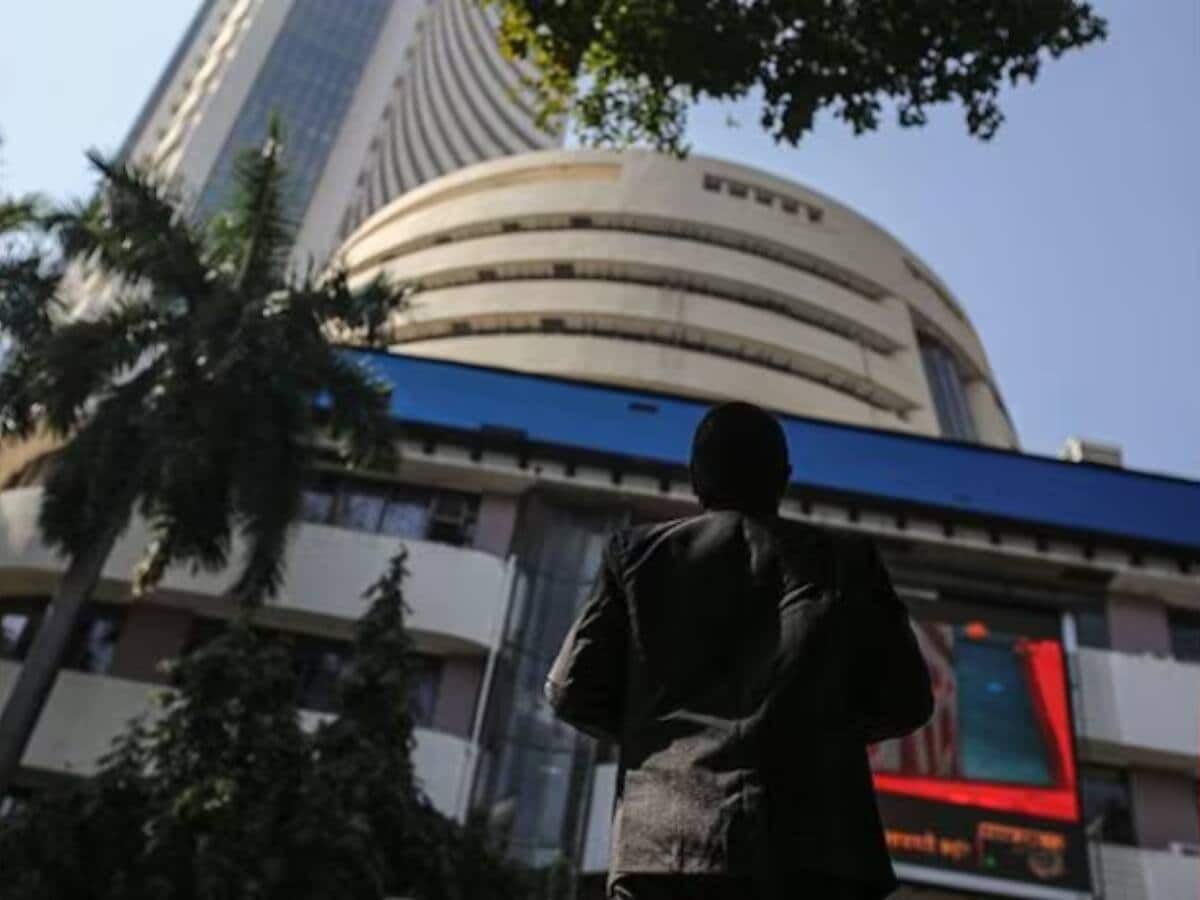
India – $4.84 Trillion: Despite falling to seventh place, India remains a powerhouse and one of the world’s fastest-growing major stock markets. Its expansion is fueled by robust economic growth, a rapidly expanding digital economy, rising retail investor participation, and increasing foreign investment, signaling immense long-term potential.

The Rest of the Top 11
The remaining countries in the top 11 further illustrate the diverse nature of global financial centers:
-
Canada – $4.53 Trillion: Canada’s stock market is significantly influenced by its rich natural resources, particularly energy and mining, alongside a strong financial services sector. The Toronto Stock Exchange stands as one of the largest in North America, reflecting the country’s stable economy and abundant resources.
-
United Kingdom – $3.94 Trillion: London continues to be one of the world’s most important financial centers, boasting a market that features major global banking institutions, pharmaceutical giants, and energy companies with extensive international operations. Despite the impacts of Brexit, its deep capital markets and global connectivity maintain its relevance.
-
France – $3.45 Trillion: Rounding out the top 10, France’s market, primarily listed on Euronext Paris, is characterized by the presence of luxury goods conglomerates, major industrial firms, and multinational corporations. Its market reflects the strength of its diversified economy and its position within the European Union.
For clarity, here is a summary of the top 11 global stock markets by market capitalization as of June 2, 2026, according to Bloomberg data:
| Rank | Country | Market Capitalisation (Trillion USD) | Key Driving Sectors/Companies |
|---|---|---|---|
| 1 | United States | $79.47 | Technology (Apple, Microsoft, Nvidia), diverse industries |
| 2 | Mainland China | $15.09 | Manufacturing, Technology, Consumer |
| 3 | Japan | $8.63 | Automotive (Toyota), Electronics (Sony), diversified industry |
| 4 | Hong Kong | $7.24 | Financial services, gateway to China |
| 5 | Taiwan | $5.15 | Semiconductors (TSMC) |
| 6 | South Korea | $5.04 | Technology (Samsung, SK Hynix), automotive |
| 7 | India | $4.84 | IT services, Banking, Pharma, Consumer |
| 8 | Canada | $4.53 | Financial services, Energy, Natural Resources |
| 9 | United Kingdom | $3.94 | Banking, Pharma, Energy |
| 10 | France | $3.45 | Luxury goods, Industrials |
Official Responses and Expert Commentary
The announcement of South Korea’s ascendancy over India has elicited varied responses from financial regulators, economic policymakers, and market analysts, reflecting both pride and strategic reassessment.
South Korean Perspectives
From Seoul, officials and industry leaders have largely welcomed the news with a sense of accomplishment, viewing it as a validation of the nation’s strategic economic focus. A spokesperson for the Ministry of Economy and Finance, speaking on condition of anonymity, commented, "This achievement reflects the resilience and innovative spirit of South Korean enterprises, particularly in the high-tech and semiconductor sectors. It underscores the effectiveness of our long-term investments in R&D and our commitment to fostering a globally competitive business environment. We believe this will further enhance investor confidence and attract more foreign capital into our dynamic market."
Economists point to the robust performance of key domestic industries. Dr. Lee Min-jun, a senior analyst at the Korea Institute of Finance, remarked, "The global demand for advanced memory chips and innovative electronics has consistently buoyed our flagship companies. Furthermore, proactive government measures to support critical industries and encourage domestic investment have played a pivotal role. This ranking is not just about numbers; it’s about the global recognition of South Korea’s technological leadership and economic stability."

Indian Reactions and Future Outlook
In India, the news has been met with a pragmatic acknowledgment, coupled with a strong emphasis on the nation’s enduring long-term growth story. Officials from the Ministry of Finance, while recognizing the temporary shift, highlighted India’s foundational strengths. A senior official, requesting anonymity, stated, "Market capitalization rankings are dynamic and can fluctuate based on global economic cycles and currency movements. India’s economic fundamentals remain incredibly strong, driven by robust domestic demand, a young demographic, and an ambitious reform agenda. Our focus is on sustainable, inclusive growth, and we are confident that India’s market will continue its upward trajectory in the coming years."
Indian market analysts echoed this sentiment, emphasizing the broader context. Mr. Ramesh Subramanian, a prominent financial commentator in Mumbai, observed, "While South Korea’s tech prowess is undeniable, India’s growth narrative is more expansive, encompassing a vast consumer market, rapidly expanding digital infrastructure, and a significant push in manufacturing and infrastructure. The recent foreign capital inflows and the surge in domestic retail participation underscore the deep confidence in India’s long-term potential. This is a temporary adjustment, not a structural shift in India’s growth story." He further added that India’s market, with its inherent volatility but immense growth potential, remains a compelling destination for global investors seeking exposure to a rapidly expanding economy.
International Analyst Views
International financial analysts view this development as indicative of the heightened competition and specialization within Asian economies. Ms. Sarah Chen, a market strategist at a leading global investment bank, noted, "The overtake by South Korea is a clear signal of the premium investors are placing on advanced technological leadership and stable export-driven growth. However, it doesn’t diminish India’s appeal. India represents a vast domestic consumption story with immense untapped potential, while South Korea offers exposure to high-growth, high-value global supply chains. Investors will likely continue to differentiate between these two compelling narratives, allocating capital based on their specific growth and risk appetites." She suggested that such shifts reinforce the need for diversified portfolios within the Asian region.
Implications for Global Investors and Economic Strategy
The recent change in stock market rankings between South Korea and India carries significant implications for global investors, policymakers, and the broader trajectory of Asian economic development. It prompts a re-evaluation of investment strategies and highlights the critical elements driving national economic competitiveness.
Investment Landscape Reconfiguration
For global investors, this shift underscores the dynamic nature of market leadership and the importance of granular analysis beyond headline growth rates. South Korea’s ascent reinforces the investment thesis for countries heavily invested in cutting-edge technology, particularly semiconductors, AI, and advanced manufacturing. Institutional investors seeking exposure to these high-growth, innovation-driven sectors may increasingly favor South Korea, channeling more capital into its tech-heavy indices. This could lead to a re-evaluation of sector-specific allocations within emerging market portfolios, potentially giving a slight edge to economies demonstrating robust technological exports and global supply chain integration.
Conversely, while India has temporarily ceded its position, its fundamental attractions remain. Investors with a long-term horizon, seeking exposure to a vast and growing domestic consumer market, demographic tailwinds, and ongoing structural reforms, will continue to view India as a pivotal investment destination. The slight dip might even present a buying opportunity for those confident in India’s sustained economic expansion. The key takeaway for investors is the increasing need for a nuanced approach to Asian markets, differentiating between export-led, technology-intensive growth models (like South Korea and Taiwan) and domestic consumption-driven growth models (like India and, to some extent, China).
National Economic Strategies in Focus
For South Korea, maintaining this position and further solidifying its market cap will require continued strategic focus. This includes sustaining investment in R&D, fostering innovation beyond semiconductors to areas like biotechnology and future mobility, and navigating geopolitical complexities that could impact global supply chains. Addressing demographic challenges, such as an aging population and declining birth rates, will also be crucial for long-term economic stability and market confidence. Diversification of its economic base and strengthening domestic demand could also provide additional resilience against global economic fluctuations.
For India, the challenge is to regain its momentum and convert its immense potential into sustained market cap growth. This entails accelerating economic reforms, enhancing the ease of doing business, attracting more foreign direct investment into critical manufacturing and infrastructure sectors, and further deepening its capital markets. Managing inflation, ensuring policy stability, and investing in human capital will be vital to unlocking its full potential. The government’s push for digital public infrastructure and initiatives like the Production Linked Incentive (PLI) schemes could be instrumental in drawing capital and boosting manufacturing output, thereby enhancing corporate earnings and market valuations.

The Evolving Asian Financial Nexus
This shift also highlights the evolving competitiveness within Asia, a region that continues to produce several of the world’s largest stock markets. The top ranks are increasingly populated by Asian economies, demonstrating their growing influence in global finance and trade. The dynamic interplay between these nations – China, Japan, Hong Kong, Taiwan, South Korea, and India – underscores a vibrant and fiercely competitive economic environment. As global capital seeks growth opportunities, Asia is undeniably a central focus, and the relative performance of these markets will continue to shape global investment trends and the distribution of economic power. The ability of these nations to innovate, adapt to global changes, and maintain investor confidence will dictate their long-term standing in the global financial hierarchy.
Conclusion: A Dynamic Global Financial Tapestry
The news of South Korea surpassing India to become the world’s sixth-largest stock market is a compelling snapshot of a highly dynamic and interconnected global financial system. It underscores the profound impact of technological prowess and strategic economic focus, particularly in the semiconductor industry, on national valuations. While South Korea celebrates this milestone, it simultaneously serves as a reminder of India’s enduring economic potential and its relentless pursuit of growth. These rankings are not static; they are reflections of ongoing economic evolution, policy choices, and global capital flows. Both nations remain critical players in the global economy, each with distinct strengths and challenges, contributing to the rich and ever-changing tapestry of international finance. For investors and policymakers alike, the lesson is clear: adaptation, innovation, and strategic foresight are paramount in navigating the complex currents of the 21st-century global market.
