

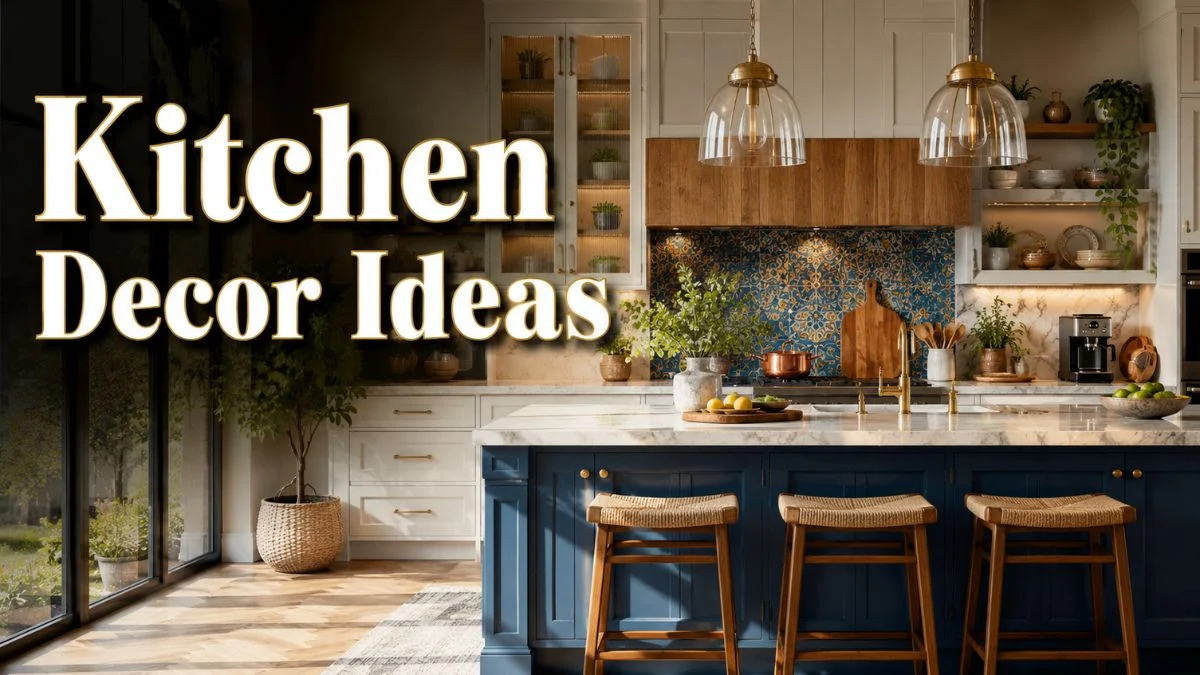
In the landscape of modern residential architecture, the kitchen has undergone a radical metamorphosis. Once a sequestered utility room reserved solely for meal preparation, it has evolved into the "great room" of the 21st century—a multi-functional hub where social interaction, professional work, and culinary artistry converge. As the domestic "heart of the home," the kitchen now demands a design language that balances high-performance functionality with sophisticated aesthetic expression.
Whether homeowners are contemplating a minor aesthetic refresh or a comprehensive structural overhaul, the following exploration details twenty pivotal decor strategies designed to create a lasting impact, supported by design theory, material science, and ergonomic trends.
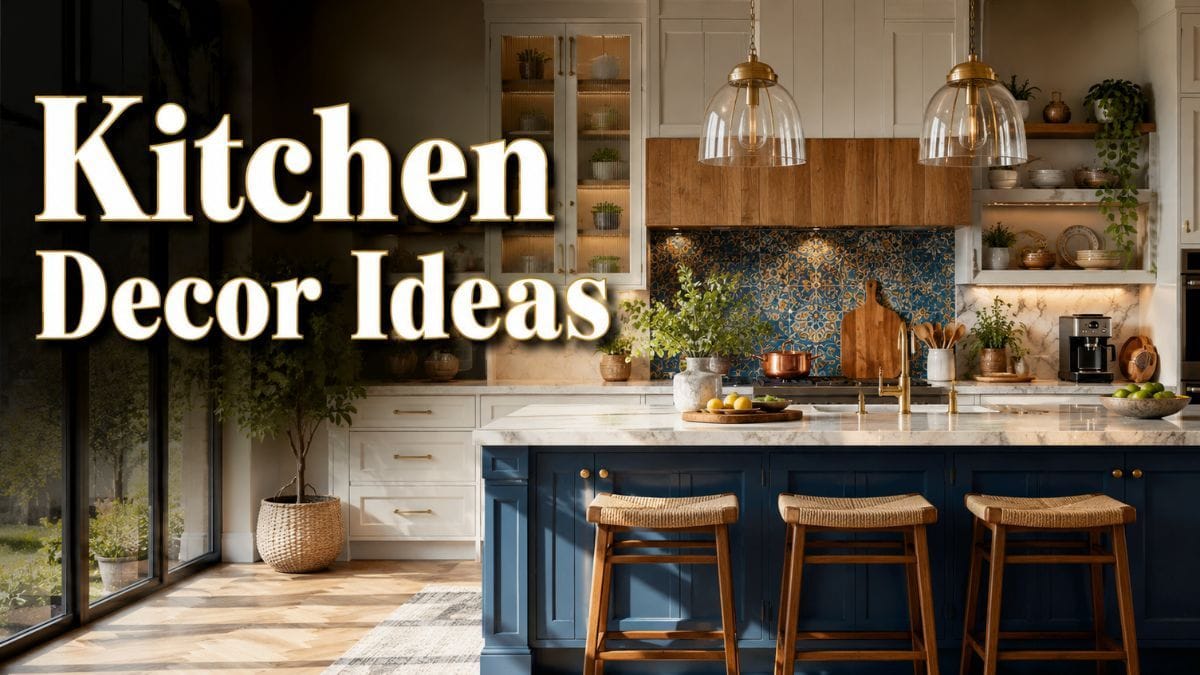
Main Facts: The Shift Toward "Lifestyle Kitchens"
The current interior design paradigm suggests that a kitchen’s value is no longer measured strictly by its appliance specifications, but by its emotional resonance. According to recent architectural surveys, nearly 80% of homebuyers identify the kitchen as the most influential factor in their purchasing decisions. Consequently, decor choices today are focused on "human-centric design"—creating spaces that feel expansive, curated, and deeply personal.
Key trends include the movement away from "sterile" all-white environments toward "moody" palettes, the integration of organic textures (wood and stone), and the prioritization of "visible storage" which allows homeowners to display their personality through curated objects.
Chronology: The Evolution of Kitchen Aesthetics
To understand today’s trends, one must look at the chronological shift in kitchen design over the last three decades:
- The 1990s – Utility First: Dominated by oak cabinetry and laminate surfaces, the kitchen was purely a workhorse.
- The 2000s – The Granite Era: A move toward "luxury" materials and the rise of the open-plan concept.
- The 2010s – Minimalist Industrialism: The "Subway Tile and Grey" decade, influenced by the Scandinavian aesthetic.
- The 2020s and Beyond – Eclectic Sophistication: A return to color, texture, and bespoke details, where "maximalist" touches like brass and bold wallpaper are used to break the monotony of minimalism.
20 Impactful Kitchen Decor Ideas
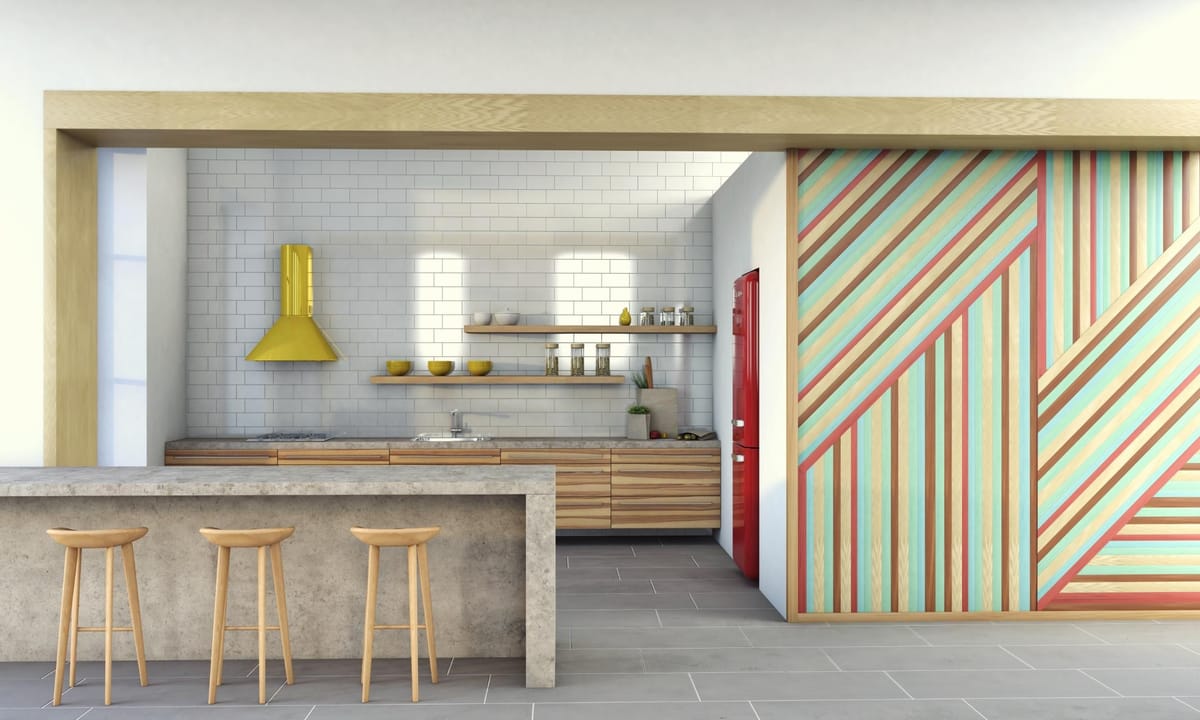
1. The Strategic Use of Stripes
Striped patterns offer a unique psychological advantage in interior design. Vertical stripes can create the illusion of height in kitchens with low ceilings, while horizontal stripes can make a narrow galley kitchen feel more expansive. Utilizing striped wallpaper or even wood paneling provides a rhythmic visual texture that feels both traditional and avant-garde.
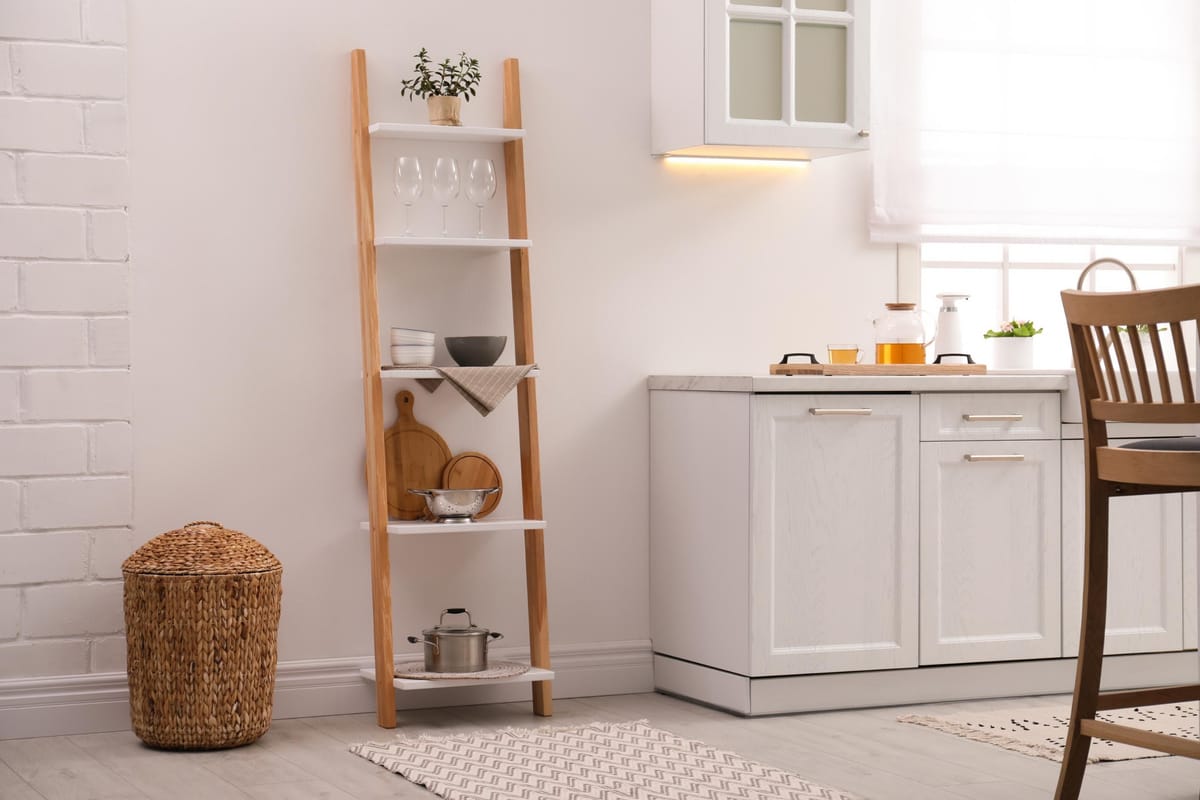
2. The Integrated Ladder Shelf
For kitchens with high ceilings, verticality is often underutilized. An inbuilt ladder shelf—reminiscent of classic libraries—adds a rustic, scholarly charm. It serves as both a functional tool to reach high-altitude storage and a sculptural element that breaks the flat plane of standard cabinetry.
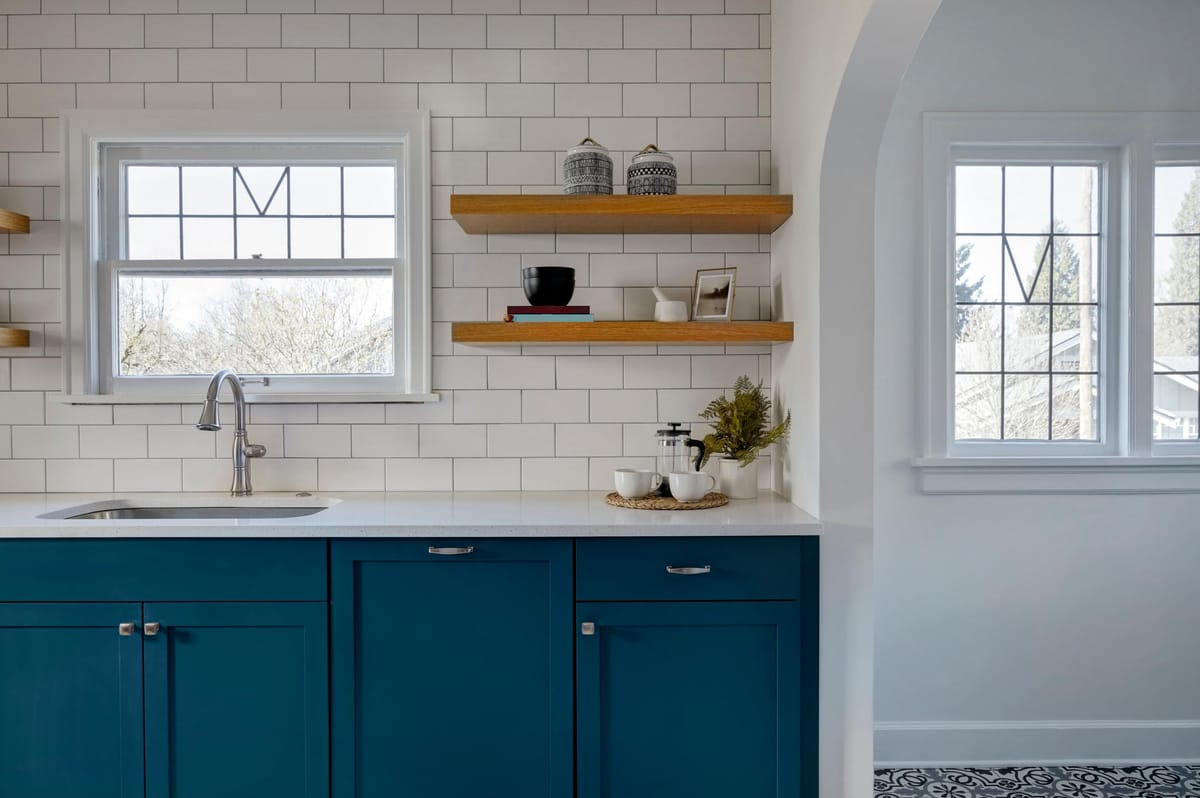
3. Deep Blue Palettes
Moving away from safe neutrals, deep blue (navy, indigo, or teal) has emerged as the "new neutral." It provides a sense of stability and calm. When applied to cabinetry or a kitchen island, it creates a sophisticated anchor for the room, especially when paired with white marble or light wood.
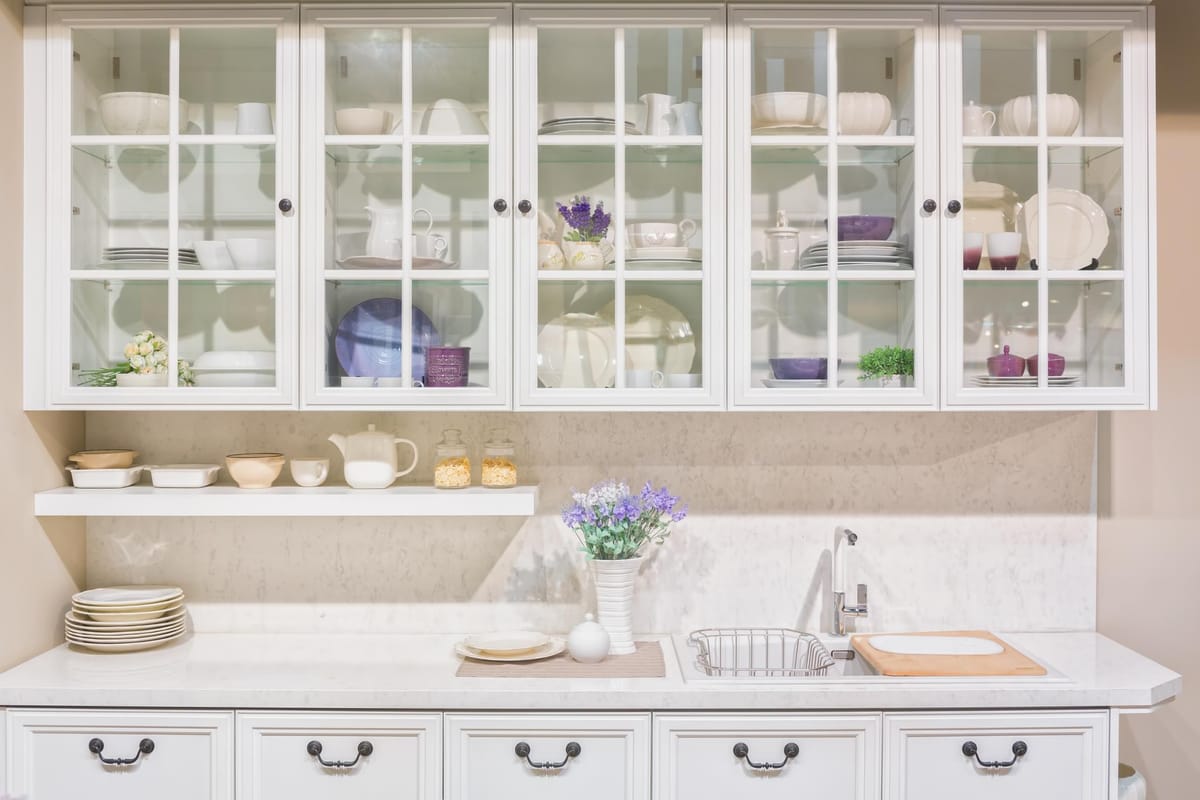
4. Transparency via Glass Cabinet Doors
Solid cabinetry can sometimes feel heavy and imposing. Replacing solid panels with glass—whether clear, frosted, or seeded—opens the room visually. It encourages organization and allows for the display of fine porcelain, effectively turning everyday items into decor.
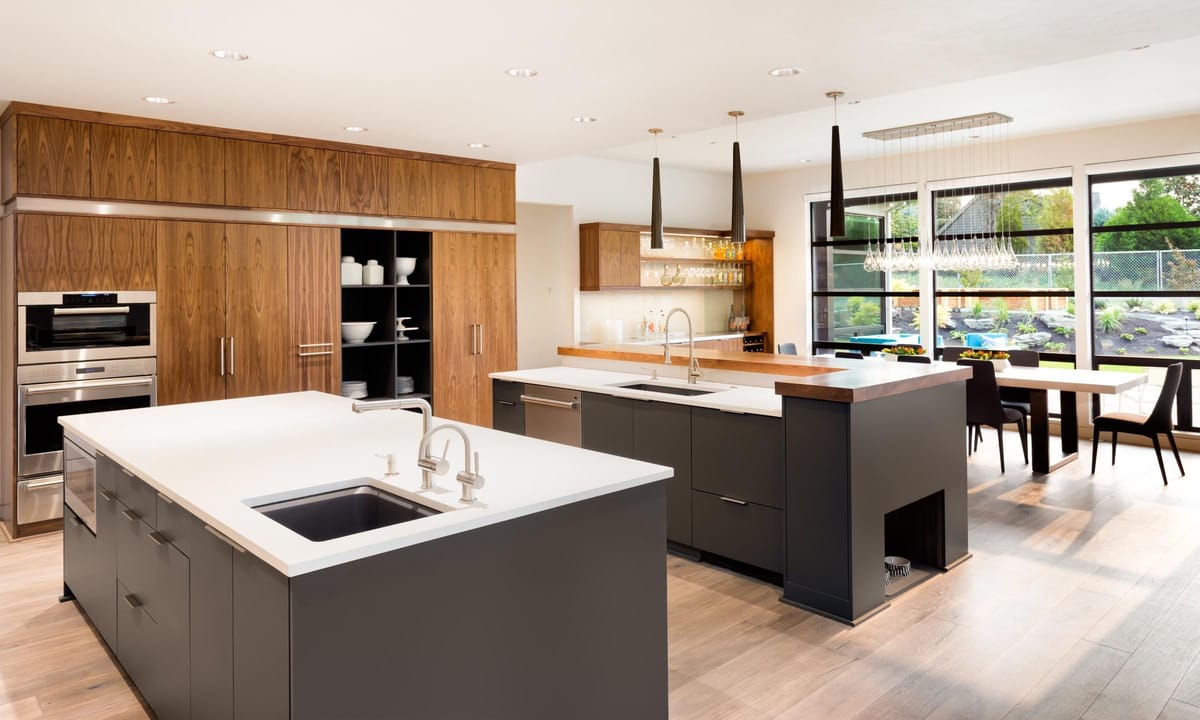
5. The Dual-Island Configuration
In large-scale kitchen designs, the "dual island" has become the ultimate status symbol. This layout separates the "work" island (featuring the sink and prep area) from the "social" island (featuring seating and serving space), streamlining traffic flow and enhancing the kitchen’s role as an entertainment venue.
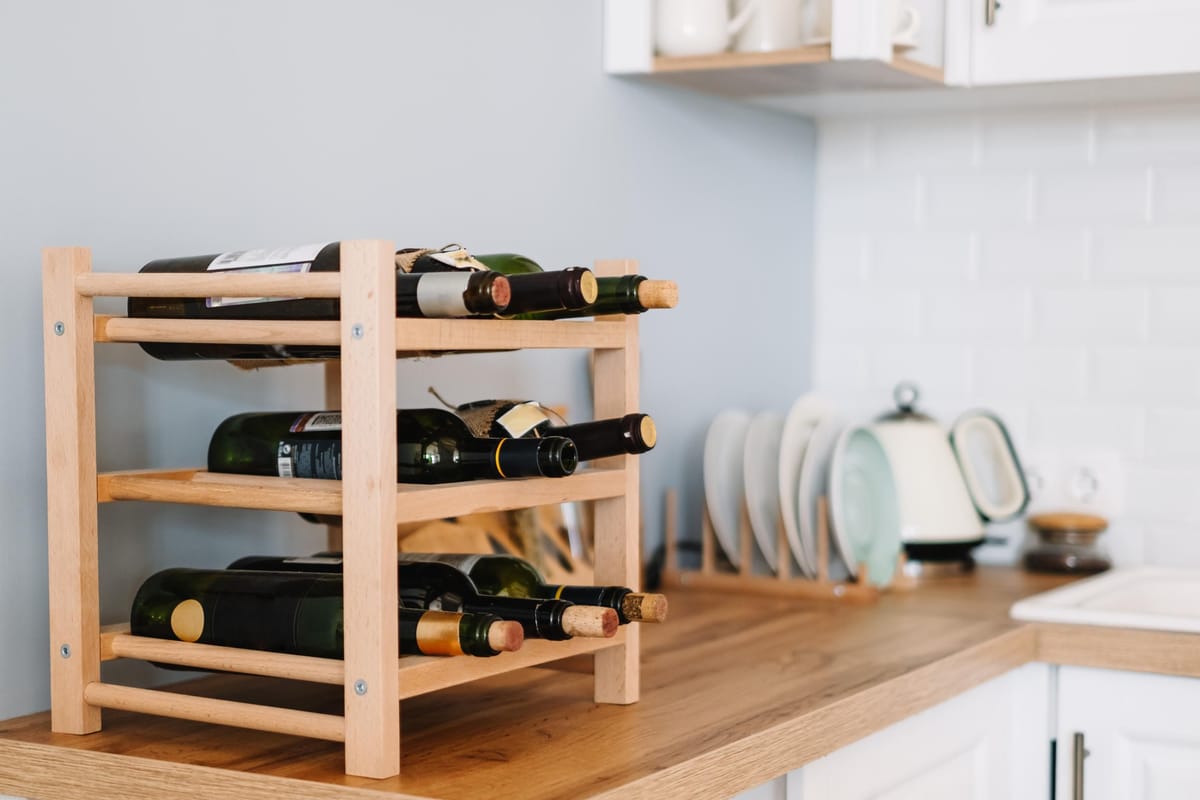
6. The Vertical Wine Nook
Optimizing narrow gaps between appliances or cabinets to create a wine nook is an excellent use of "dead space." Vertical wine storage creates a sophisticated focal point, signaling a home built for hospitality and the appreciation of the finer things.
7. The Brass Renaissance
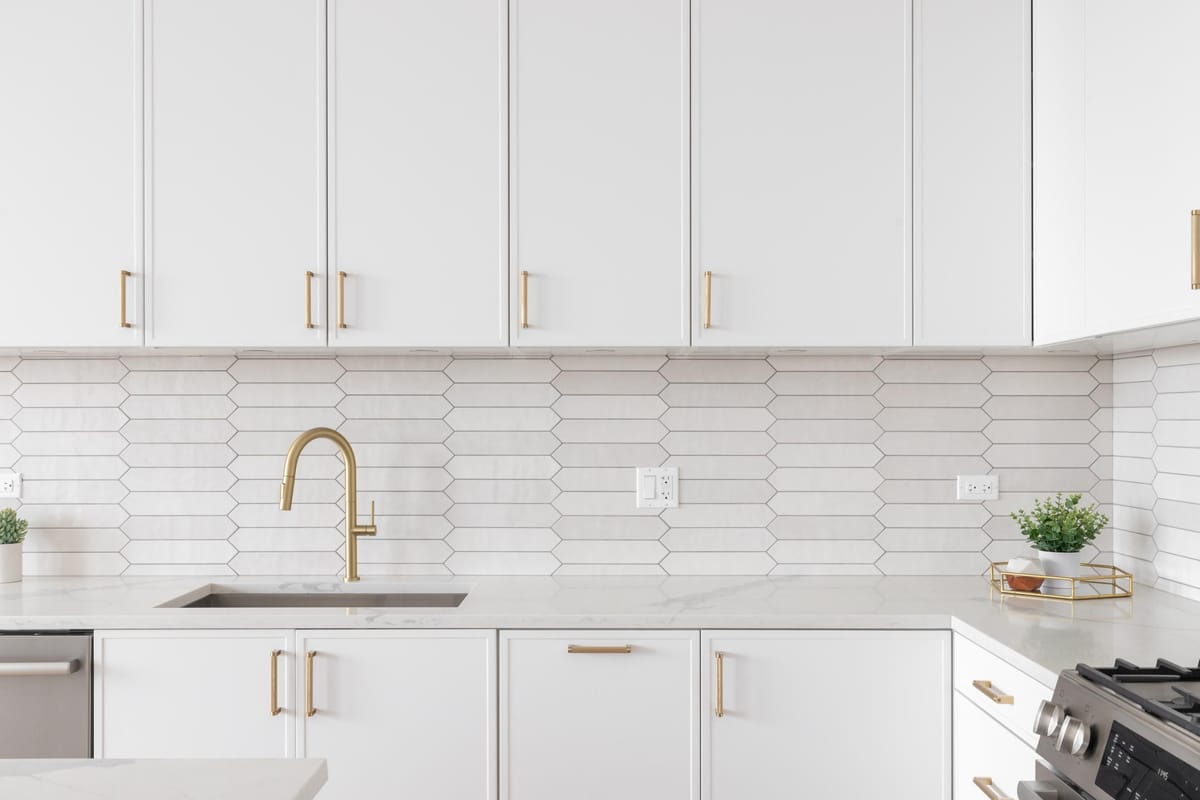
Brass has reclaimed its throne as the preferred metal for high-end kitchens. Unlike the shiny brass of the 80s, modern unlacquered or brushed brass develops a patina over time. It adds a "warm" metallic glow that complements both dark and light cabinetry better than the "cold" tones of stainless steel.
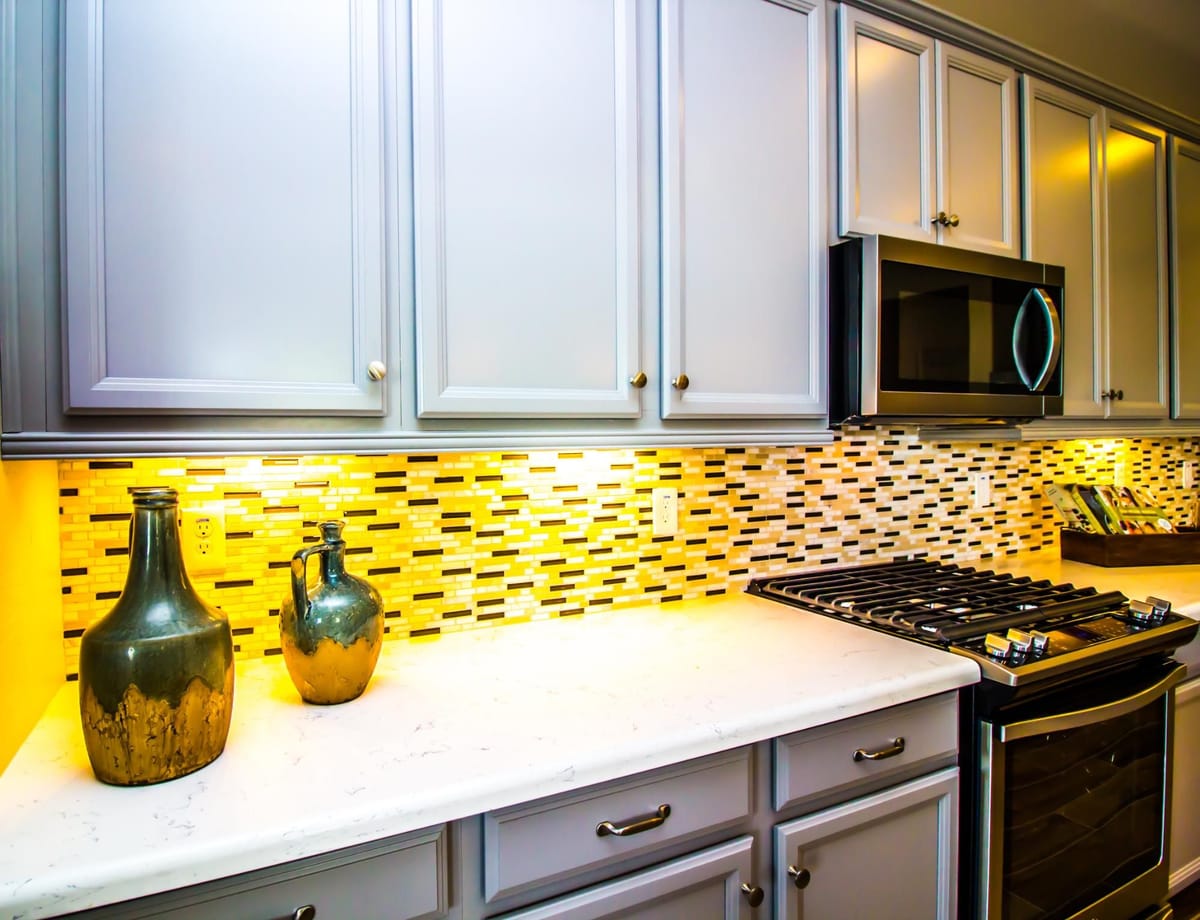
8. High-Contrast Bright Backsplashes
A backsplash is the "jewelry" of the kitchen. Introducing a bright shade—such as sunflower yellow or citrus orange—can transform a monochromatic kitchen into a high-energy environment. It acts as a focal point that draws the eye and lifts the mood of the inhabitants.
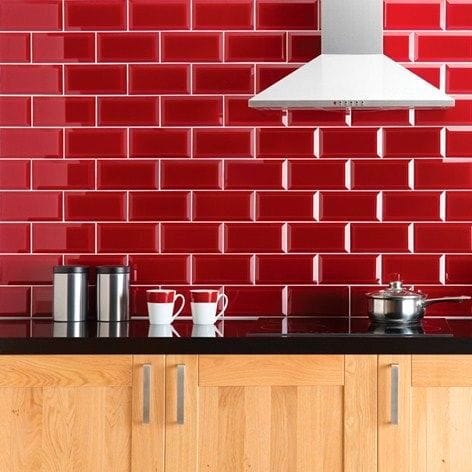
9. Luminous Glass Subway Tiles
While ceramic subway tiles are classic, glass versions offer a reflective quality that bounces light around the room. This is particularly effective in smaller kitchens or those with limited natural light, as the tiles provide a depth and "glow" that opaque materials lack.
10. The "No Upper Cabinet" Movement
One of the boldest moves in modern design is the removal of upper cabinets. By replacing them with empty wall space or a single floating shelf, the kitchen feels more like a living room. This "airy" approach reduces the "closed-in" feeling often associated with traditional kitchen layouts.
11. Organic Wooden Accents
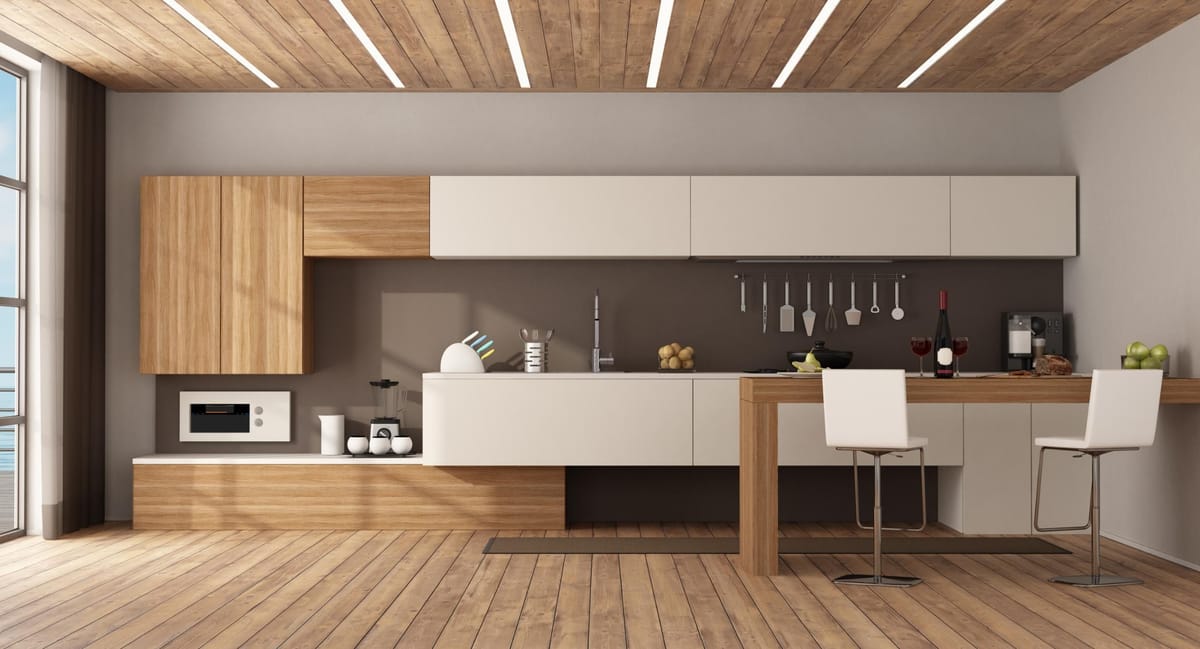
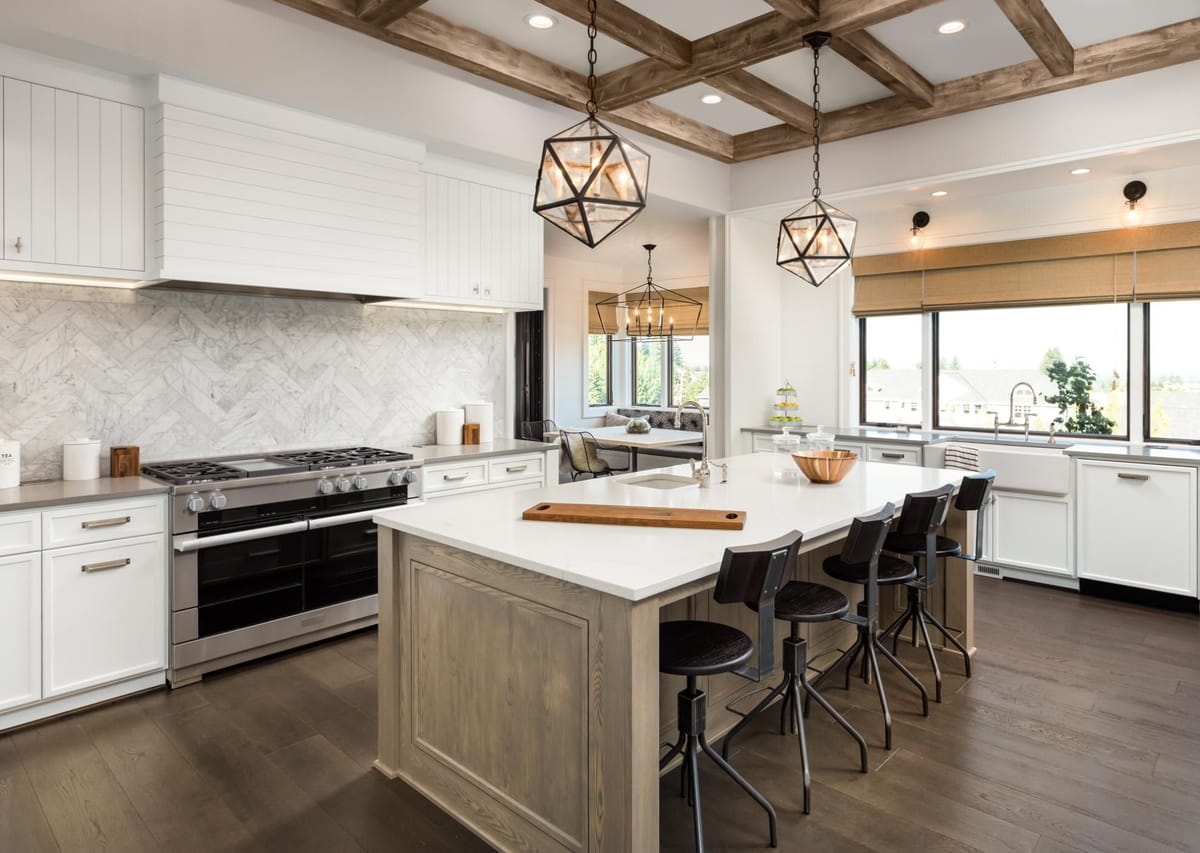
To prevent a modern kitchen from feeling too clinical, wood is essential. Whether it is a reclaimed wood ceiling, walnut bar stools, or a butcher-block island, the organic grain of wood provides a tactile warmth that balances the hard surfaces of stone and metal.
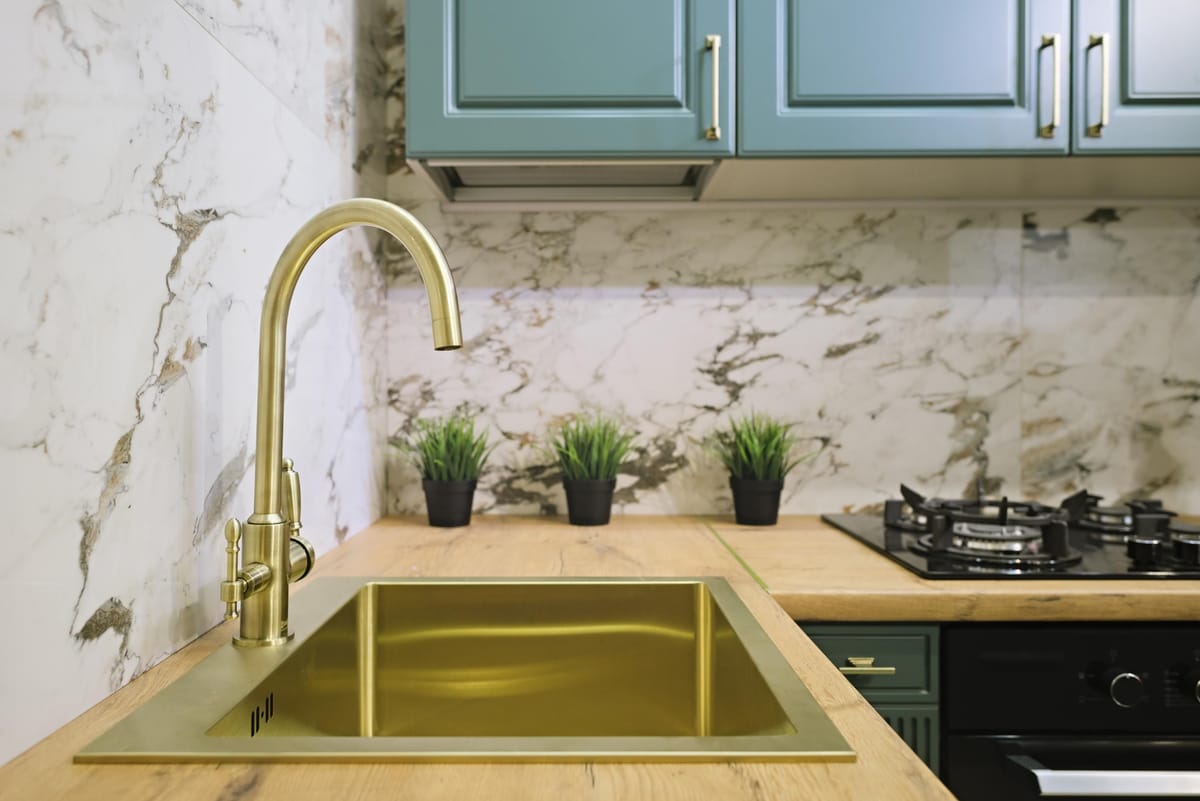
12. Biophilic Integration (Greens)
Adding living plants—herbs, succulents, or trailing vines—is more than a decor choice; it is a wellness strategy. Biophilic design (bringing the outdoors in) has been shown to reduce stress and improve air quality, making the cooking process more therapeutic.
13. Retro Checkerboard Flooring
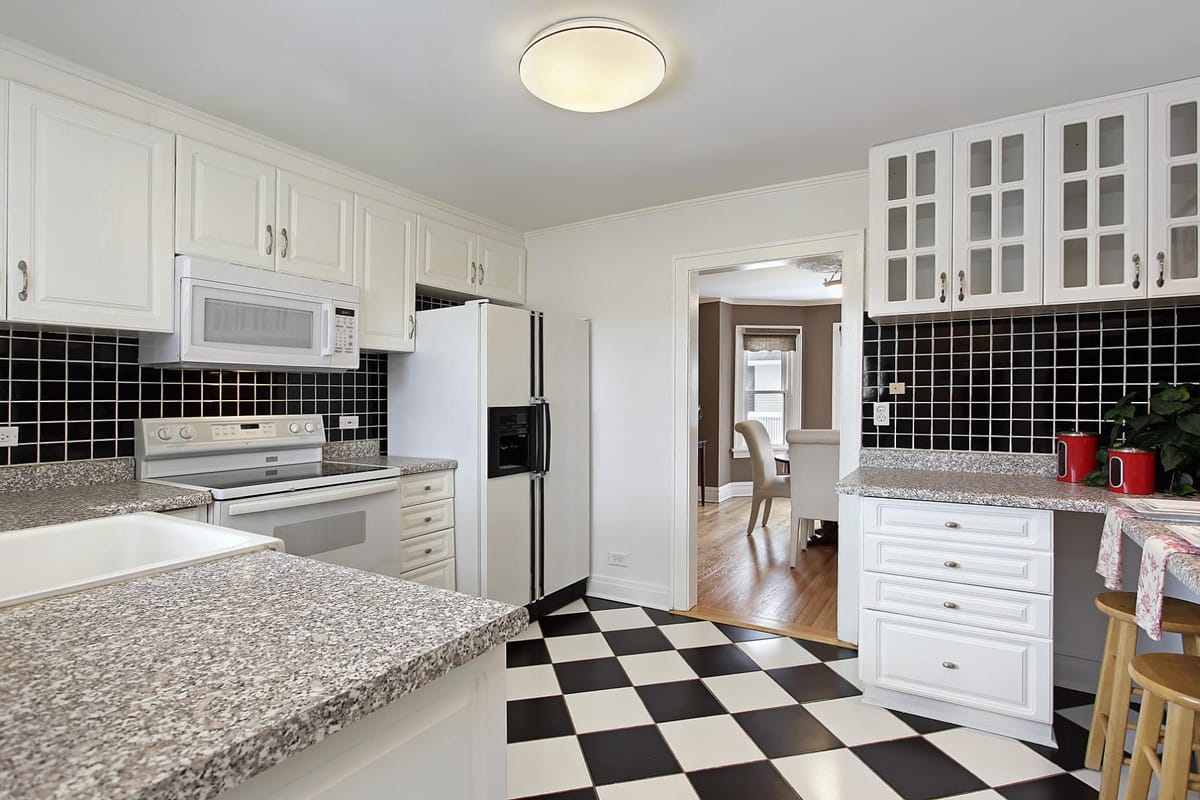
Checkerboard floors are experiencing a massive resurgence. Whether in classic black-and-white marble or more muted tones like terracotta and cream, this pattern provides a graphic foundation that can anchor both traditional and ultra-modern cabinetry.
14. The Sophistication of Classic Neutrals
For those seeking longevity, neutrals like greige, sand, and mushroom offer a sophisticated middle ground. These shades are more forgiving than stark white and warmer than cold grey, providing a timeless backdrop that evolves gracefully with changing trends.
15. Sculptural Pendant Lighting
Lighting is often the most underrated element of kitchen decor. Oversized or uniquely shaped pendant lights above an island serve as "anchors" for the room. They define the space and provide essential task lighting while acting as a piece of hanging art.
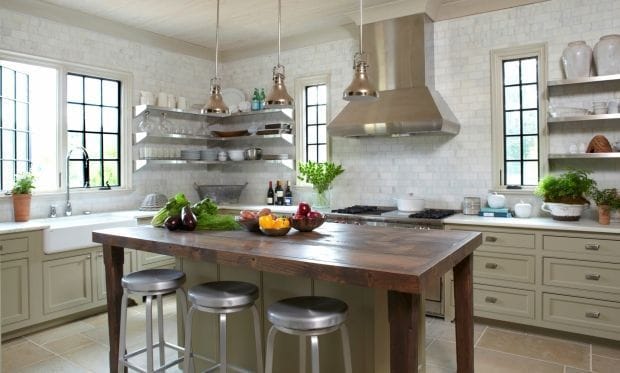
16. Tiered Shelving Systems
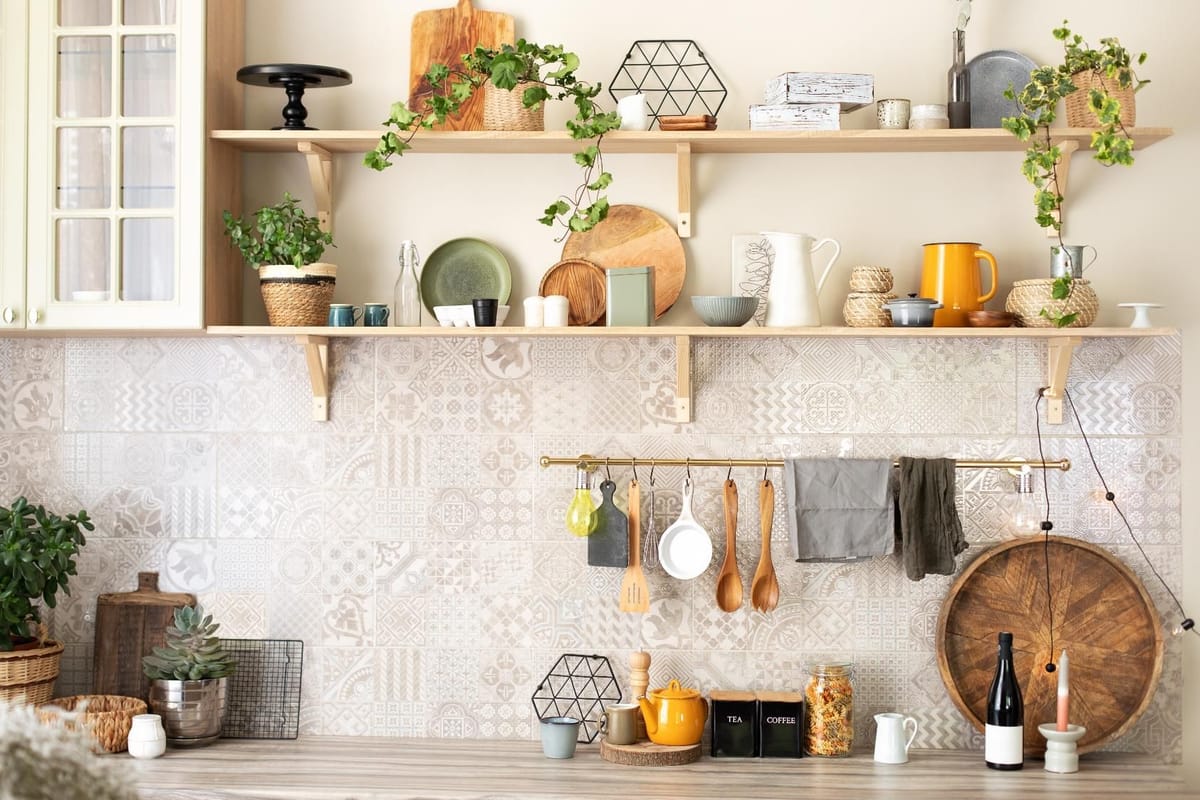
Tiered shelving allows for a "layered" look. By using bracketed shelves of varying lengths, homeowners can create a dynamic display area for cookbooks, spices, and heirlooms, ensuring that everything needed is within arm’s reach but beautifully presented.
17. Framed Recipes and Culinary Art
Personalization is the key to a soulful home. Framing a handwritten recipe from a grandparent or a vintage botanical print of edible herbs adds a layer of narrative and history to the kitchen that no "store-bought" decor can replicate.
18. Performance Area Rugs
The introduction of rugs into the kitchen was once considered impractical. However, with the advent of "performance fabrics" and washable rugs, an area rug or runner is now a viable way to introduce soft texture, color, and comfort underfoot in a high-traffic zone.
19. The Dedicated Coffee Corner
The "coffee station" or "home cafe" is a response to the rise of remote work. By dedicating a specific nook for espresso machines, grinders, and artisanal syrups, homeowners create a ritualistic space that improves the daily flow of the household.
20. Fluted Glass Elements
Fluted or "ribbed" glass is a major trend for 2024 and 2025. Used in pantry doors or cabinet inserts, it provides a "blurred" view of the contents, offering the lightness of glass without the pressure to keep the interior perfectly organized.
Supporting Data: The Impact of Lighting and Shelving
Expert designers emphasize that decor is not just about what you see, but how you see it.
Advanced Lighting Solutions
Beyond the standard pendant, a layered lighting plan is essential for impact:
- Chandeliers: Best for high-ceilinged eat-in kitchens to add a sense of formal luxury.
- Track Lighting: Ideal for industrial-themed spaces where directional task lighting is required for multiple prep zones.
- Flush Mounts: A sleek solution for low-ceiling kitchens that require high-intensity ambient light.
- Under-Cabinet LEDs: Critical for both safety (task lighting) and creating a "floating" effect for cabinetry at night.
The Functionality of Tiered Shelves
Data suggests that open shelving can actually increase kitchen efficiency by 15% by reducing the time spent opening and closing doors. Popular variations include:
- Open Back Shelves: These allow the wall color or backsplash to show through, maintaining a sense of openness.
- Tiered Baker’s Racks: A portable, nostalgic solution for extra storage.
- Stackable Shelving: Allows for modular growth as a household’s culinary collection expands.
Official Responses: Insights from the Interior Design Community
Leading interior architects suggest that the most successful kitchen "makeovers" are those that respect the "Golden Triangle" (the distance between the sink, stove, and refrigerator) while injecting personality.
"The modern homeowner is looking for an ’emotional’ kitchen," says a leading design consultant. "They want a space that looks like a curated gallery but works like a commercial kitchen. The inclusion of elements like brass, deep blues, and fluted glass are responses to a desire for ‘tactile luxury’—materials that feel good to touch and look better with age."
Furthermore, industry reports from real estate associations indicate that "minor kitchen remodels"—which focus on decor elements like lighting, hardware, and paint—often yield a higher Return on Investment (ROI) than full-scale structural renovations, sometimes recovering up to 80% of the cost upon resale.
Implications: The Future of the Kitchen Space
The implications of these decor trends point toward a future where the kitchen is no longer a "back-of-house" utility. Instead, it is becoming a highly customized reflection of the inhabitant’s lifestyle. As homes become smaller in urban centers, "smart" decor—like tiered shelving and mirrored backsplashes—will become essential for maintaining a sense of luxury in compact spaces.
Moreover, the shift toward sustainable materials (wood, brass, and glass) reflects a broader societal move away from "fast furniture" and plastic-heavy interiors. The kitchen of the future is durable, beautiful, and, above all, a place where the art of living is practiced daily.
Wrapping Up
The journey to an impactful kitchen begins with a single choice—be it a bold paint color or a new set of brass handles. By integrating these twenty ideas, homeowners can transcend the utilitarian nature of the cooking space and create a sanctuary that balances the demands of modern life with the timeless need for comfort and beauty. Whether you choose the retro charm of a checkerboard floor or the sleek sophistication of fluted glass, the goal remains the same: to make the heart of your home beat with a style that is uniquely your own.
