

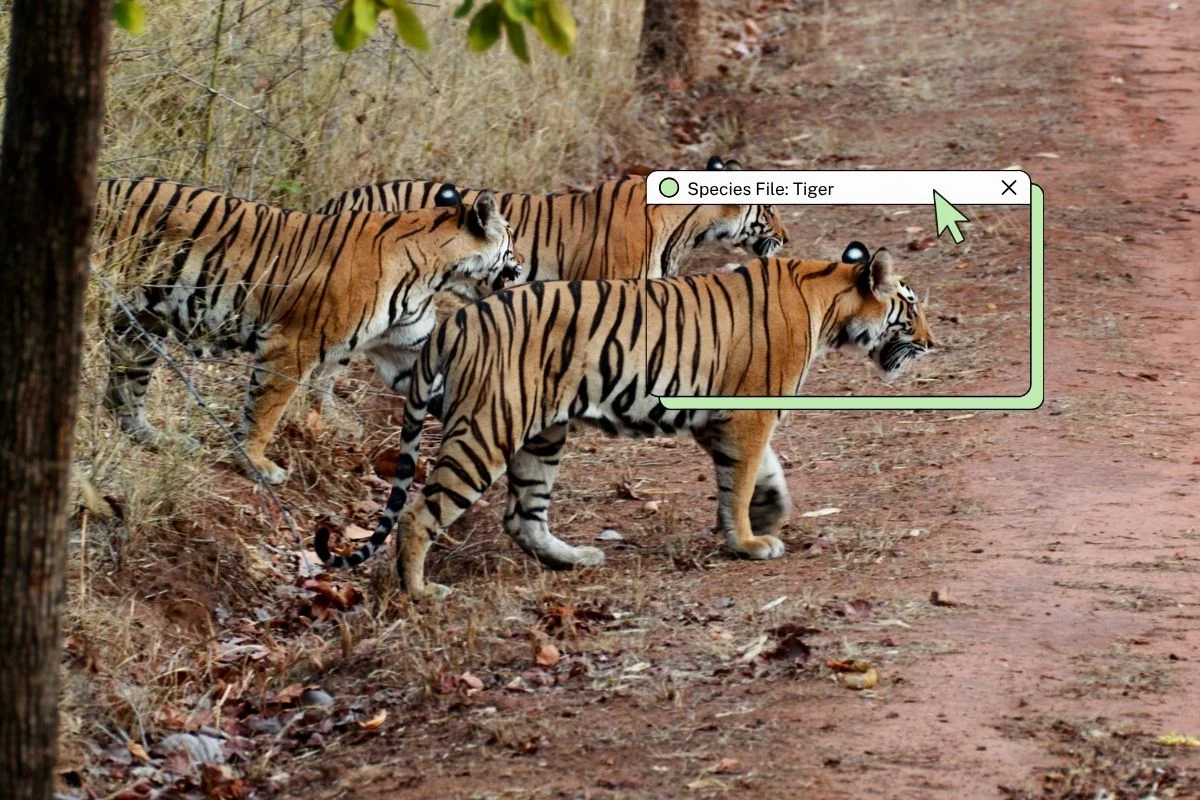
In the dense undergrowth of India’s varied landscapes—from the humid mangrove swamps of the Sundarbans to the rugged teak forests of Central India—the Royal Bengal Tiger (Panthera tigris tigris) remains the ultimate symbol of wild India. Often referred to as the "umbrella species," the tiger’s survival is inextricably linked to the health of the entire ecosystem. As an apex predator, its presence regulates prey populations and ensures the equilibrium of the forest’s floral and faunal diversity.
Today, India stands as the global custodian of this species, harboring approximately 75% of the world’s wild tiger population. However, the journey from the brink of extinction to a stabilizing population of over 3,600 individuals is a complex narrative of legislative rigor, scientific innovation, and persistent ecological challenges.
Main Facts: The Biological and Demographic Landscape
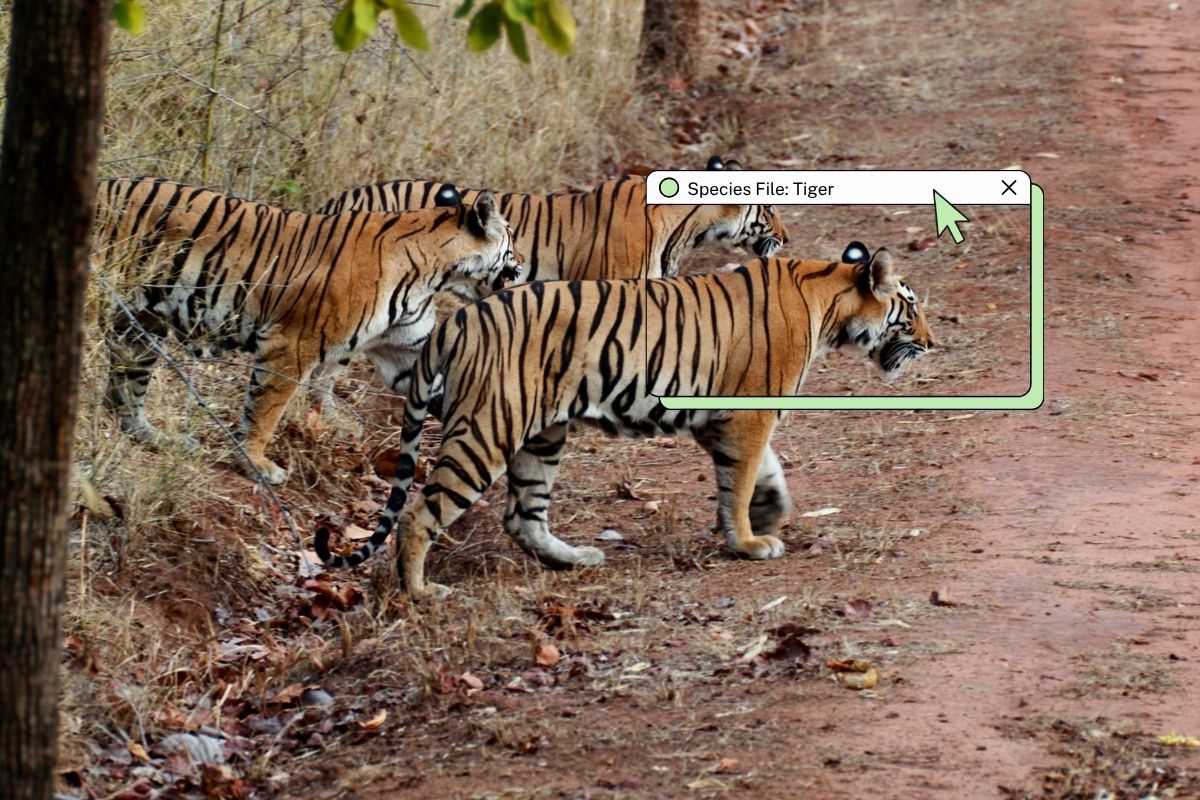
The tiger is the largest of all big cat species, characterized by its muscular build and a distinctive reddish-orange coat adorned with black vertical stripes. A defining biological feature of the tiger is its stripe pattern; much like human fingerprints, no two tigers share the same configuration. This uniqueness is not merely an aesthetic marvel but a vital tool for modern conservation, allowing researchers to identify and track individual animals through camera-trap imagery.
Demographic Distribution
According to the most recent estimations, India is home to approximately 3,682 wild tigers. This population is not evenly distributed across the subcontinent. Central India and the Eastern Ghats landscape emerge as the primary stronghold, sustaining roughly 40% of the country’s tigers. States like Madhya Pradesh, Karnataka, and Uttarakhand have consistently reported high densities, owing to expansive protected area networks and robust management practices.
Ecological Role
As solitary and territorial animals, tigers require vast tracts of land to hunt and breed. A single male’s territory may overlap with those of several females but rarely with another male. Their diet consists primarily of large ungulates, such as chital, sambar, and wild boar. By keeping these populations in check, tigers prevent overgrazing, which in turn protects the forest floor and maintains the carbon-sequestering capabilities of the woodland.
Chronology: A Half-Century of Conservation
The history of tiger conservation in India is marked by pivotal legislative shifts and a transition from traditional forest management to a science-based "landscape" approach.
- 1972: The Legislative Foundation: Following decades of unchecked hunting and habitat loss, the Government of India enacted the Wildlife Protection Act (WPA). The tiger was moved to Schedule I, granting it the highest level of legal protection. In the same year, the Royal Bengal Tiger was declared the National Animal, replacing the lion, signaling a shift in conservation priority.
- 1973: Project Tiger: Launched in Corbett National Park, "Project Tiger" was one of the most ambitious conservation programs in history. It aimed to ensure a viable population of tigers in their natural habitats and to preserve areas of biological importance as a national heritage.
- 2005-2006: The Sariska Crisis and Reform: The local extinction of tigers in the Sariska Tiger Reserve due to poaching served as a massive wake-up call. This led to the 2006 amendment of the Wildlife Protection Act, which mandated the creation of the National Tiger Conservation Authority (NTCA). The NTCA was designed to provide statutory authority to Project Tiger, ensuring more rigorous oversight and funding.
- 2010: The St. Petersburg Declaration: India joined other tiger-range countries in a global commitment (TX2) to double the number of wild tigers by 2022.
- 2022-2023: The 50th Anniversary Milestone: Marking five decades of Project Tiger, the latest census confirmed that India had surpassed the 3,000-mark, reaching an estimated 3,682 individuals, a significant recovery from the estimated 1,411 in 2006.
Supporting Data: Measuring Success and Challenges
The success of India’s tiger conservation is backed by the world’s largest wildlife survey effort. The All India Tiger Estimation (AITE), conducted every four years, utilizes a combination of ground surveys and camera-trap technology.
Population Trends
The growth trajectory of the Indian tiger population reflects the efficacy of protected areas:
- 2006: 1,411 tigers
- 2010: 1,706 tigers
- 2014: 2,226 tigers
- 2018: 2,967 tigers
- 2022: 3,682 tigers
Habitat Density and Carrying Capacity
While the numbers are encouraging, data suggests that certain reserves are reaching their "carrying capacity." In landscapes like the Bramhapuri division in Maharashtra or the Corbett Tiger Reserve in Uttarakhand, high tiger density is forcing young adults to venture out of protected zones in search of new territories. This "spillover" effect is a primary driver of the current human-wildlife conflict statistics.
The IUCN Status
Despite the recovery in India, the International Union for Conservation of Nature (IUCN) continues to list Panthera tigris as "Endangered." This classification is due to the precipitous decline of the species in Southeast Asia and the continued threat of fragmented habitats globally.
Official Responses and Conservation Frameworks
The Indian government, primarily through the NTCA and the Ministry of Environment, Forest and Climate Change (MoEFCC), has implemented a multi-layered strategy to safeguard the species.
Legislative and Institutional Oversight
The NTCA holds the mandate to lay down normative standards for tiger reserve management, prepare tiger conservation plans, and provide oversight for the "M-STrIPES" (Monitoring System for Tigers – Intensive Protection and Ecological Status) program. This software-based tool assists forest guards in patrolling and recording sightings, significantly digitizing the protection framework.
Anti-Poaching and Intelligence
Recognizing that the illegal wildlife trade remains a multi-billion dollar global industry, the Wildlife Crime Control Bureau (WCCB) works in tandem with state police and forest departments. High-profile operations have successfully dismantled poaching syndicates that targeted tigers for their skins and bones, which are highly valued in traditional medicine markets abroad.
Community Engagement and Relocation
A critical, though often controversial, official response involves the voluntary relocation of villages from the "core" areas of tiger reserves. To create "inviolate" spaces for tigers, the government offers compensation packages (currently upwards of 15 lakh INR per family or land-for-land options) to encourage communities to move to the fringes, thereby reducing the risk of conflict and biotic pressure on the forest.
Implications: The Future of Coexistence and Connectivity
As India looks toward the next fifty years of tiger conservation, the focus is shifting from merely increasing numbers to ensuring long-term genetic viability and peaceful coexistence with human populations.
The Necessity of Forest Corridors
One of the most pressing implications of current research is the vital importance of "forest corridors." As wildlife biologist Pallavi Ghaskadbi emphasizes, tigers need connected landscapes. Without these corridors—narrow strips of forest that connect two larger protected areas—tiger populations become "genetic islands." Genetic isolation leads to inbreeding, which can make the species more susceptible to diseases and climate change. Protecting these corridors is difficult because they often pass through agricultural land, highways, and industrial zones.
Human-Wildlife Conflict
With 3,682 tigers and a human population of 1.4 billion, the "interface" between the two is becoming increasingly fraught. In regions like Chandrapur (Maharashtra) or the fringes of the Pilibhit Tiger Reserve (Uttar Pradesh), tiger attacks on livestock and humans have led to retaliatory killings. The implication is clear: conservation cannot succeed without the support of local communities. This necessitates faster compensation for livestock loss, better "early warning systems" using AI-monitored cameras, and the promotion of eco-tourism benefits that trickle down to the grassroots level.
Climate Change and Habitat Shift
Looking ahead, climate change presents a new set of challenges. In the Sundarbans, rising sea levels and increased salinity are altering the habitat of the world’s only mangrove-dwelling tigers. In the Himalayan foothills, tigers are being spotted at higher altitudes than ever before, likely seeking cooler climates or following prey that is shifting upward due to warming temperatures.
Conclusion
India’s success in tiger conservation is a rare bright spot in a world facing a biodiversity crisis. However, the stabilization of the population is not a cue for complacency. The transition from "saving the tiger" to "living with the tiger" requires a sophisticated balance of scientific management, political will, and social empathy. The future of the Royal Bengal Tiger depends not just on the strength of its stripes, but on the strength of the corridors we leave open for it to roam.
