The automotive world has long awaited a definitive move from Toyota regarding its most successful D-segment SUV, and the wait is nearly over. Toyota South Africa, through reports confirmed by Car Mag, has officially slated the global debut of the next-generation (or substantially updated) Toyota Fortuner for December 1, 2026. This announcement marks a pivotal moment for the Japanese automaker as it seeks to modernize its flagship ladder-frame SUV while maintaining the rugged reliability that has defined the nameplate for over two decades.
As the industry moves toward electrification and monocoque refinements, Toyota’s decision to stick with its tried-and-tested architecture for the 2027 model year reveals a calculated strategy. The upcoming Fortuner is expected to reach Indian shores by mid-2027, following the domestic launch of the facelifted Innova Hycross in late 2026.
Main Facts: A Substantial Update Over a Radical Redesign
While early rumors suggested a move to the TNGA-F global truck platform—the same architecture underpinning the Land Cruiser 300 and the new Tacoma—recent intelligence suggests a more conservative but highly focused approach. According to sources cited by Financial Express, the 2027 Fortuner will retain its existing IMV (Innovative International Multi-purpose Vehicle) ladder-frame platform.
However, "retention" does not mean "stagnation." The 2027 model is set to undergo a "substantial update," a term used to describe a vehicle that keeps its core structural skeleton and basic bodyshell while replacing almost every external sheet-metal panel and internal component. This strategy mirrors the recent updates seen in the Toyota Hilux, where the chassis remains familiar, but the user experience, safety tech, and visual presence are entirely transformed.

Key Highlights of the 2027 Model:
- Global Debut: December 1, 2026.
- Platform: Retained IMV ladder-frame architecture.
- Design: All-new front fascia, revised rear tailgate, and connected LED lighting.
- Interior: Hilux-inspired cabin with a fully digital instrument cluster and larger infotainment.
- Safety: Integration of the Toyota Safety Sense (TSS) ADAS suite.
- Powertrain: Continuation of the 2.8-litre GD-series diesel engine with potential mild-hybrid integration.
Chronology: The Road to the 2027 Launch
The journey toward the new Fortuner has been documented through a series of high-profile sightings and regional confirmations.
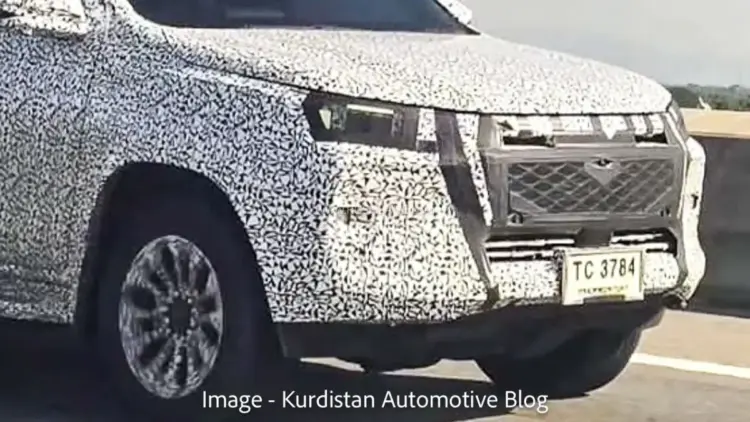
- Early 2026 – Initial Sightings: Camouflaged test mules were first spotted in Thailand, Toyota’s primary manufacturing hub for the IMV platform. These early "spied" images suggested a taller, more upright stance than the current Legender variants.
- September 2026 – Highway Testing: Clearer images emerged from Southeast Asian highways, revealing the profile of the SUV. Observations noted pronounced wheel arches and a significantly higher bonnet line, hinting at improved pedestrian safety and a more "Americanized" truck aesthetic.
- October 2026 – Regional Confirmation: Toyota South Africa confirms the December 1, 2026, global reveal date. This confirmation solidified the timeline for other right-hand-drive markets, including India and Australia.
- Late 2026 (Projected): Toyota Kirloskar Motor (TKM) is expected to focus on the facelifted Innova Hycross in India, clearing the stage for the Fortuner to take the spotlight in early-to-mid 2027.
Supporting Data: Market Dominance and the Competitive Landscape
The necessity for a refreshed Fortuner is underscored by the current market data. Despite being at the end of its current lifecycle, the Fortuner remains a juggernaut in the Indian market.
Sales Performance (India):
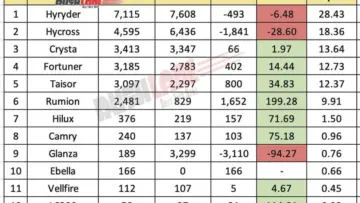
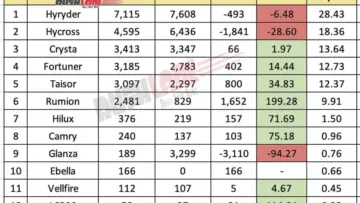
In September 2026, the Toyota Fortuner recorded sales of ,3185 units. This represents a 14.44% year-on-year growth compared to the same period in 2025. Even more impressive is the quarterly performance; the July–September 2026 tally reached 9,878 units, a 15.88% increase. These figures demonstrate a "teflon-like" brand equity where consumer demand continues to rise despite the absence of recent major updates.
The Competitive Threat:
However, Toyota is no longer alone in the premium SUV space. The competitive landscape has shifted:

- Kia Sorento: A newcomer that registered 1,739 units in September 2026. While a monocoque SUV, it competes for the same "premium" buyer looking for tech-heavy interiors.
- Jeep Meridian & Skoda Kodiaq: These models continue to cater to enthusiasts who prioritize ride quality and European handling, though they lack the Fortuner’s resale value and off-road pedigree.
- Volkswagen Tayron: Set to enter the fray as a global replacement for the Tiguan Allspace, adding further pressure on Toyota to modernize its cabin technology.
Official Responses and Strategic Philosophy
While Toyota’s corporate offices rarely comment on future products, the information filtered through Toyota South Africa and regional suppliers suggests a "Customer-First" engineering philosophy.
By retaining the IMV platform, Toyota ensures that the cost of ownership remains manageable and that the vehicle’s legendary durability in harsh terrains—from the outback of Australia to the mountains of Leh—remains uncompromised. Moving to a completely new platform like the TNGA-F would likely have driven the Fortuner’s price point into the territory of the Land Cruiser Prado, potentially alienating its core customer base.
Industry analysts suggest that Toyota is focusing its capital expenditure on "visible technology." This includes the cabin interface and safety systems, which are the primary areas where the current Fortuner feels dated compared to Korean and European rivals.
Design and Technology: What to Expect
Exterior Aesthetics
Based on the latest spy shots, the 2027 Fortuner will adopt a more "commanding" front end. The grille is expected to be more vertical, flanked by slim, high-mounted LED DRLs. The lower bumper will likely house prominent vertical air intakes and updated fog lamp housings. At the rear, the most significant change is the move toward a connected LED light bar—a design trend that has swept the industry but has yet to be seen on Toyota’s rugged SUVs.

The Cabin Revolution
The interior is where the 2027 Fortuner will make its biggest leap. Drawing inspiration from the updated Hilux and the global Tacoma, the SUV will feature:
- Digital Cockpit: A 12.3-inch fully digital instrument cluster.
- Infotainment: A new 10.1-inch or 12-inch central touchscreen with wireless Apple CarPlay and Android Auto.
- Materials: Soft-touch plastics and premium leatherette upholstery to bridge the gap between "rugged" and "luxury."
- ADAS (Toyota Safety Sense): For the first time, the Fortuner is expected to offer a comprehensive suite of Level 2 ADAS features across most variants, including Adaptive Cruise Control, Lane Keep Assist, and Autonomous Emergency Braking.
Powertrain Stability
The 2.8-litre four-cylinder turbo-diesel engine will remain the heart of the Fortuner. Known for producing 204 hp and 500 Nm of torque, this engine is expected to receive minor tweaks for better fuel efficiency and emissions compliance. There is strong speculation regarding the inclusion of a 48V mild-hybrid system, which Toyota has already begun rolling out in international Hilux models to assist with stop-start transitions and torque fill.
Implications: The Future of the D-SUV Segment
The launch of the 2027 Toyota Fortuner carries significant implications for the automotive industry:
- Resale Value Retention: By evolving the current platform rather than replacing it, Toyota ensures that parts remain compatible and that the previous generations do not become "obsolete" overnight, thereby protecting the Fortuner’s legendary resale value.
- The Diesel Last Stand: As many manufacturers exit the diesel segment, Toyota’s commitment to the 2.8L GD engine reinforces its position as the go-to brand for long-distance tourers and off-roaders who require the torque and range that only diesel provides.
- The "Premiumization" of Ruggedness: The inclusion of ADAS and high-end screens shows that Toyota recognizes that even the most "hardcore" SUV buyers now demand the same level of technology found in luxury sedans.
Conclusion
The 2027 Toyota Fortuner represents a strategic middle ground. It is an acknowledgment that while the world is changing, the requirements for a dependable, ladder-frame SUV remain constant. By refreshing the styling and overhauling the technology while keeping the mechanical "soul" of the vehicle intact, Toyota is poised to extend the Fortuner’s dominance for another decade. For the Indian market, the 2027 arrival will likely be the most significant SUV launch of the year, potentially setting new benchmarks for sales and pricing in the premium segment.