

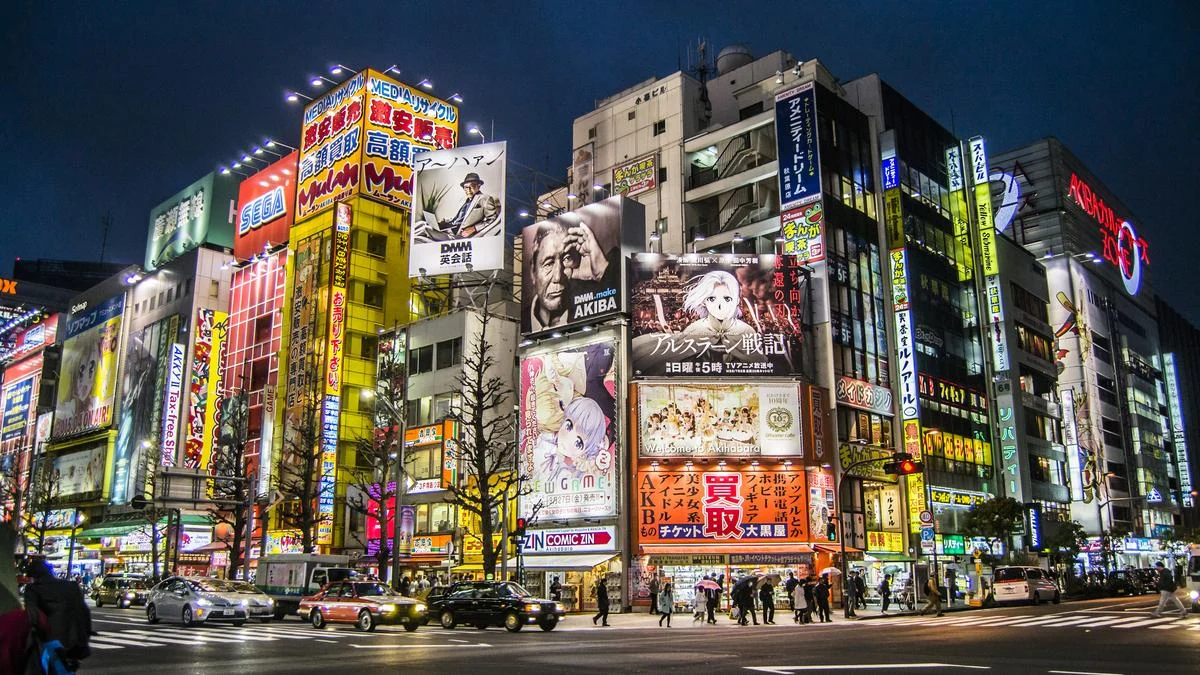
Tokyo is often described through the lens of its contradictions: a city that functions with the surgical precision of a high-speed rail network yet breathes with the organic, unpredictable energy of a living organism. For the modern traveler, the Japanese capital presents a sensory paradox—a place where one can transition from the neon-lit frenzy of a world-class shopping district to the silent, incense-heavy air of a centuries-old temple in a matter of minutes.
As global tourism to Japan reaches record highs in the post-pandemic era, the challenge for visitors is no longer simply "what to see," but how to curate a meaningful experience within a limited timeframe. This report explores a meticulously planned 48-hour itinerary that balances high-end luxury, spiritual tradition, and the gritty, authentic charm of Tokyo’s subterranean life.

Main Facts: The Tokyo Framework
The core of the Tokyo experience lies in its ability to offer "elevated" living. The city’s hospitality sector, led by anchors like the Four Seasons Hotel Tokyo at Otemachi, has shifted toward "sensorial devouring"—a strategy where every view, flavor, and texture is curated to make the guest feel "charged and alive."
Key pillars of the 48-hour Tokyo sprint include:

- Vertical Luxury: Utilizing the city’s skyscrapers to provide vantage points that include both the Imperial Palace and Mount Fuji.
- Culinary Bipolarity: Navigating between Michelin-starred "terroir" dining and the "konbini" (convenience store) culture.
- Immersive Art: Moving beyond static galleries to digital, physical environments that challenge the boundaries between the observer and the exhibit.
- Hyper-Localized Shopping: A focus on "Nippon Made" products and flagship experiences in the Ginza district.
Chronology: A 48-Hour Deep Dive
Day 1: Tradition, Tunnels, and Technology
09:00 – The Otemachi Awakening
The day begins at the Four Seasons Hotel Tokyo at Otemachi. In a city where space is the ultimate luxury, the floor-to-ceiling windows of the 39th floor offer a rare perspective. On clear mornings, Mount Fuji—the "prima donna" of the Japanese landscape—is visible, providing a stark, snow-capped contrast to the financial district’s steel. Breakfast at Pigneto sets a global tone, offering a buffet that ranges from traditional Japanese staples to Italian and Thai influences, fueling the traveler for the urban trek ahead.
11:00 – The Asakusa Corridor
The journey moves to the Asakusa district, the heart of "Old Tokyo." The 250-meter Nakamise Street serves as a sensory gauntlet leading to the Senso-ji temple. Here, the economy of street food is on full display. Travelers engage with yokan (sweet bean paste), ningyo-yaki (doll-shaped cakes), and savory eel buns. The street is a microcosm of Japanese craftsmanship, selling everything from artisanal chopsticks to traditional footwear.

12:00 – Spiritual Purification at Senso-ji
Beyond the Kaminarimon (Thunder Gate) and its 700-kilogram red lantern lies Tokyo’s oldest temple. The atmosphere here is thick with the scent of incense from the central urn—a purification ritual practiced by locals and tourists alike. The presence of o-mikuji (fortune-telling) stalls and visitors in ornate kimonos underscores the persistence of Edo-period traditions in a digital age.
14:00 – The Subterranean Gourmet: Tokyo Ramen Street
Lunch takes place in the basement of Tokyo Station, where "Tokyo Ramen Street" hosts ten of the city’s most prestigious ramen shops. The experience is defined by the "vending machine" ordering system—a hallmark of Japanese efficiency. At Hirugao, the chicken shio ramen, featuring eggs cured in premium tare sauce, demonstrates that high-quality gastronomy in Tokyo is not confined to white-tablecloth establishments.

16:00 – Equilibrium at Kiyosumi Garden
To counter the "frenetic energy" of the morning, the itinerary shifts to Kiyosumi Garden. This "strolling garden" features a massive pond, ancient stepping stones (isowatari), and a turtle population that provides a slow-motion contrast to the thundering Shinkansen trains nearby.
19:00 – Digital Immersion at teamLab Planets
The evening introduces the "New Tokyo." teamLab Planets is an international art collective that uses science and technology to create immersive environments. Visitors navigate knee-deep water filled with virtual koi fish and interact with light-sensitive spheres, effectively becoming part of the artwork themselves.

21:00 – Mixology at Virtu
The night concludes at Virtu, ranked among the top 50 bars in the world. Located back at the Four Seasons, the bar specializes in a fusion of French spirits and Japanese seasonal produce, such as fig-infused cognac with Japanese black tea.
Day 2: The Emperor, The Omakase, and The Alleyways
09:00 – The Konbini Phenomenon
Day two begins with an immersion into "local life" via the konbini (convenience store). Chains like FamilyMart are cultural institutions. The itinerary highlights the "Famichiki" (fried chicken) and the cult-classic creamy egg sandwich, illustrating how Japan has elevated convenience food to a culinary standard that rivals casual dining elsewhere.

11:00 – The Imperial Grounds
A visit to the Imperial Palace offers a glimpse into the residence of the Emperor of Japan. The architecture is Japanese Modernist, surrounded by moats and massive stone walls. The grounds serve a dual purpose: a historical monument for tourists and a high-end fitness track for local runners who complete the five-kilometer loop around the moat.
13:30 – The Afternoon Tea Evolution
At The Lounge in Otemachi, the British tradition of afternoon tea is reimagined through a Japanese lens. The "Orsay Impressionist Exhibition" menu, created by Pastry Chef Michele Abbatemarco, features pastries inspired by Claude Monet and Renoir. This segment highlights Tokyo’s ability to adopt foreign traditions and refine them with obsessive attention to detail.

17:00 – Ginza’s Retail Architecture
The afternoon is dedicated to Ginza, Tokyo’s premier shopping district. Key stops include the Onitsuka Tiger flagship store, which showcases the "Nippon Made" collection, and the 12-story Uniqlo flagship. Ginza is a blend of global luxury (Louis Vuitton, Chanel) and iconic Japanese department stores like Mitsukoshi and Matsuya, which act as curators of both vintage and contemporary fashion.
19:00 – Michelin Precision at Est
Dinner is at Est, a one-Michelin-star restaurant helmed by French Chef Guillaume Bracaval. The restaurant’s philosophy is built on "Terroir"—sourcing wagyu from Miyazaki, cheese from Hokkaido, and blueberries from Shizuoka. The nine-course omakase meal serves as a bridge between French technique and Japanese ingredients.

21:00 – Yurakucho Yokocho: The Final Act
The 48 hours conclude in the neon-lit "yokocho" (alleys) of Yurakucho. Nestled under the train tracks, these bars sell umeshu (plum liqueur) and short eats to a mix of "salarymen" and explorers. It is here, amidst the rumble of overhead trains and the tart sweetness of sakura-flavored chocolates, that the true, unpolished heartbeat of Tokyo is felt.
Supporting Data: The Economics of the Tokyo Experience
Tokyo’s tourism model is increasingly reliant on "High-Value Travelers." According to data from the Japan National Tourism Organization (JNTO), spending per visitor has risen significantly as travelers seek out "exclusive" experiences such as Michelin-starred dining and luxury hotel stays.

| Sector | Significance in Tokyo |
|---|---|
| Gastronomy | Tokyo holds more Michelin stars than any other city in the world (over 200). |
| Convenience | There are over 55,000 konbini across Japan, with Tokyo having the highest density. |
| Transportation | The Yamanote Line and Shinkansen network allow for the "48-hour" pace by minimizing transit time. |
| Retail | Ginza remains one of the most expensive pieces of real estate globally, rivaling Fifth Avenue. |
Official Responses and Expert Perspectives
Chef Guillaume Bracaval (Est):
"A good chef has to think like an artist," states Bracaval. His approach at Est emphasizes that the "emotion" of a dish is tied directly to the "terroir"—the specific Japanese soil and climate from which the ingredients emerge. This philosophy has helped Tokyo maintain its status as the world’s culinary capital.
Hospitality Standards:
The Four Seasons Hotel Tokyo at Otemachi emphasizes a "vantage point" strategy. By positioning their key amenities (Pigneto, Virtu, The Lounge) on the 39th floor, they offer guests a "sensorial map" of the city before they even step onto the street.

Implications: The Future of the "Short-Stay" Traveler
The 48-hour itinerary described here suggests a shift in how global cities are consumed. The modern traveler is no longer looking for a comprehensive tour, but rather a "curated surge" of experiences.
- The Death of the "Tourist Trap": Even traditional sites like Senso-ji are being integrated into broader culinary and fashion narratives (e.g., street food reviews and kimono rentals for social media).
- Luxury as an Access Point: High-end hotels are acting less as "escapes" from the city and more as "gateways" that provide the necessary context (and comfort) to navigate Tokyo’s intensity.
- The Sustainability of Tradition: The continued popularity of yokocho and konbini alongside Michelin-starred restaurants suggests that Tokyo’s future lies in its ability to protect its "low-brow" grit just as fiercely as its "high-brow" glamour.
In conclusion, Tokyo remains a city of "elevated heartbeats." Whether it is the 40 minutes of cardio-like energy from the Ginza crowds or the "laidback bliss" of a Kiyosumi turtle, the city ensures that every minute of a 48-hour window is accounted for in the traveler’s sensory memory.
