

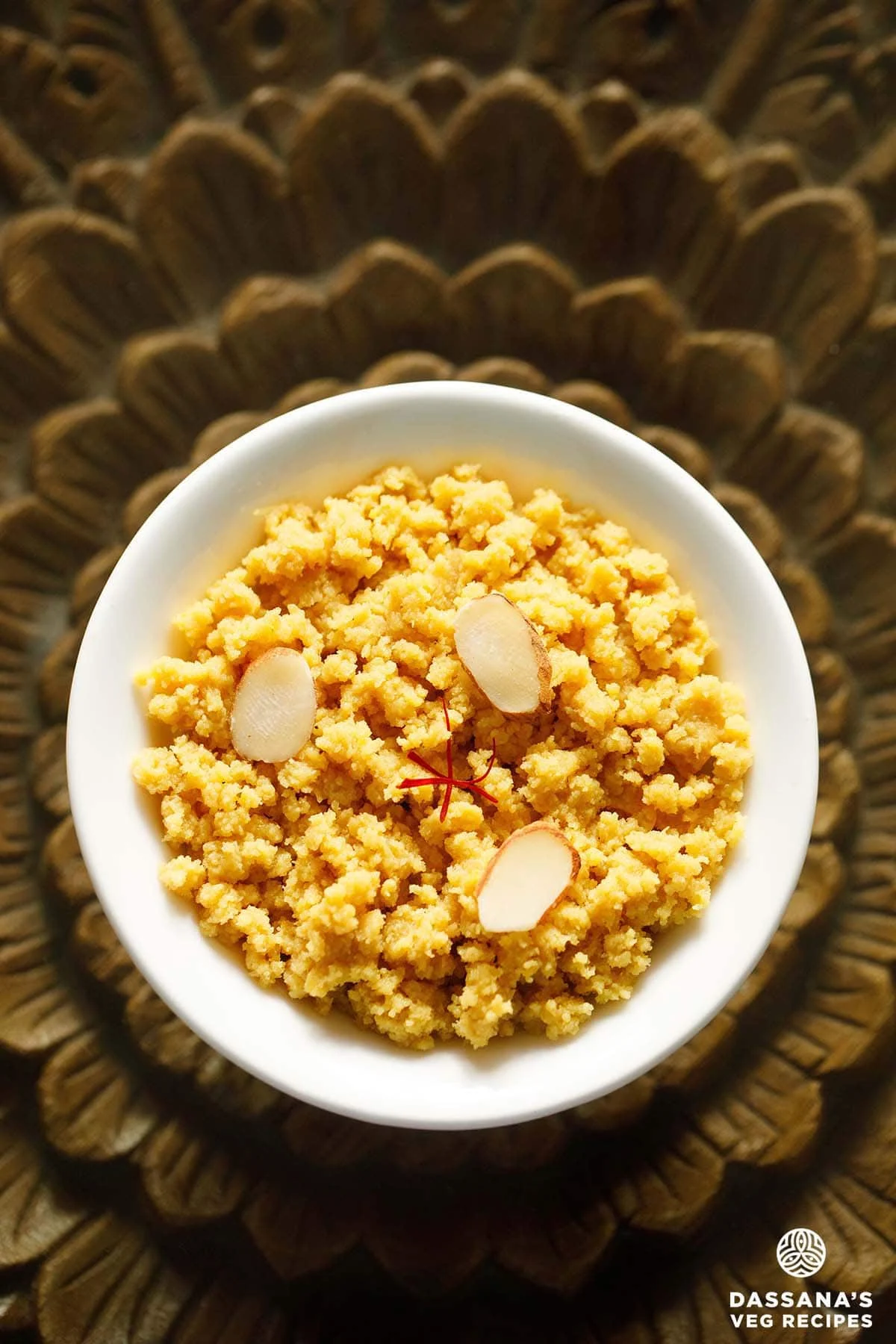
CHENNAI – In the diverse landscape of Indian confectionery, few items command as much reverence for their simplicity and technical demands as Palkova. Known colloquially in various regions as Therattipal or Paal Kova, this traditional South Indian delicacy represents a centuries-old culinary practice of milk reduction. While modern food production often favors speed and stabilizers, the authentic preparation of Palkova remains an exercise in patience, heat management, and the slow transformation of dairy.
As interest in slow-food movements and heritage recipes surges globally, Palkova has emerged as a focal point for gastronomic historians and home chefs alike. The following report examines the technical specifications, cultural significance, and the rigorous methodology required to produce this "milk gold."

I. Main Facts: Defining the Essence of Palkova
At its core, Palkova is a concentrated milk sweet. The name itself is derived from the Tamil words Paal (milk) and Kova (reduced milk solids). Unlike many Western desserts that rely on flour or external thickening agents, Palkova is self-limiting and self-structuring.
The Fundamental Composition
The authentic version of the sweet consists of only two primary ingredients: full-fat bovine milk and sugar. However, artisanal variations often incorporate aromatic enhancers:

- Saffron: Utilized for its distinct fragrance and a subtle golden hue.
- Cardamom: A finely ground powder added at the final stage for olfactory complexity.
- Ghee (Clarified Butter): Employed sparingly to refine the texture and mitigate the natural stickiness of the concentrated lactose.
Distinguishing Palkova from Khoya
While the initial stages of Palkova production mirror the creation of Khoya (or Mawa), the two are distinct in purpose and finality. Khoya is an unsweetened base used as a raw material for other sweets like Gulab Jamun. Palkova, conversely, is a finished, sweetened product defined by a specific granular, moist texture that distinguishes it from the smoother consistency of commercial milk cakes.
II. Chronology: The Lifecycle of Milk Reduction
The production of Palkova is a temporal journey, requiring approximately 75 to 90 minutes of active cooking for a single liter of milk. The process is characterized by four distinct phases of transformation.

Phase 1: The Evaporation Initiation (0–45 Minutes)
The process begins with the selection of a heavy-bottomed vessel—traditionally a Kadai made of cast iron, brass, or heavy-gauge stainless steel. This choice is critical; thin-walled pans lead to localized "hot spots" that scorch the milk proteins, ruining the flavor profile.
During the first 45 minutes, the milk is brought to a boil and maintained at a steady simmer. The objective here is the steady evaporation of water content. As the milk boils, malai (cream layers) forms on the surface. Journalistic observation of the process notes that the chef must continuously scrape these solids back into the liquid to ensure a uniform concentration of fats.

Phase 2: The Critical Reduction (45–65 Minutes)
Once the milk reaches approximately 50% of its original volume, the chemical properties of the liquid change. The viscosity increases significantly, and the color shifts from a stark white to a creamy ivory. At this "halfway mark," aromatics like saffron are introduced. The saffron threads begin to bleed their carotenoids into the thickened dairy, signaling the transition from raw ingredient to confectionery.
Phase 3: The Crystallization Point (65–75 Minutes)
The most volatile stage occurs when the milk reduces to one-fourth (25%) of its original volume. At this juncture, the mixture begins to "splutter," a physical reaction to the high concentration of solids and the escape of remaining steam.

Sugar is introduced only at this late stage. The timing is vital: adding sugar too early can interfere with the evaporation process or lead to an undesirable "rubbery" texture. Upon adding the sugar—typically 1/4 cup per liter of milk—the mixture briefly loosens as the sugar melts into a syrup before tightening again into a granular mass.
Phase 4: The Granular Finishing (75–85 Minutes)
The final ten minutes require "continuous and vigorous stirring." The mixture develops its signature granular texture as the milk solids (casein and whey proteins) cluster together. Ghee and cardamom are added in the final four minutes to facilitate the "leaving of the sides," a technical term describing the point where the sweet no longer adheres to the pan but moves as a cohesive, moist mass.

III. Supporting Data: Nutritional and Technical Specifications
From a nutritional standpoint, Palkova is a calorie-dense treat, reflecting its origins as a high-energy food source. Based on standardized laboratory analysis for a single serving (approximately 1/4 of a 1-liter batch), the nutritional profile is as follows:
Macronutrient Breakdown
- Energy: 168 kcal
- Carbohydrates: 13g (primarily from lactose and added sucrose)
- Protein: 8g (a high protein content for a dessert, owing to the milk concentration)
- Total Fat: 10g
- Saturated Fat: 6g
- Monounsaturated Fat: 2g
- Cholesterol: 34mg
Micronutrient Density
Because Palkova is essentially "distilled" milk, it retains significant mineral and vitamin content:

- Calcium: 318mg (nearly 32% of the recommended daily intake for adults)
- Phosphorus: 261mg
- Potassium: 391mg
- Vitamin A: 419 IU
- Vitamin B12: 1µg
Technical Requirements for Success
The success of the reduction is predicated on vessel selection. Expert practitioners categorize pans into three tiers of suitability:
- Optimal: Cast iron, heavy-duty brass, or ceramic-coated heavy pans. These provide the thermal mass necessary for even heat distribution.
- Acceptable: High-quality tri-ply stainless steel.
- Avoid: Thin aluminum or lightweight steel, which almost guarantee scorching.
IV. Official Responses: The Expert Perspective
While there is no "Official Bureau of Palkova," culinary historians and master halwais (traditional sweet makers) from regions like Srivilliputhur—a town in Tamil Nadu famous for its Palkova—provide what is considered the "gold standard" of official guidance.

On the Quality of Milk:
"The secret is not in the sugar, but in the cow," states a veteran sweet maker from the Srivilliputhur cooperative. Experts insist on using full-fat, unhomogenized milk. The fat globules are essential for the mouthfeel; skimmed or low-fat milk fails to produce the necessary granular structure, resulting instead in a sticky, pasty substance.
On the "Slow Food" Philosophy:
Culinary educators emphasize that the "time" spent stirring is an ingredient in itself. Modern attempts to accelerate the process using condensed milk or milk powder are viewed by purists as "counterfeit versions." They argue that the slow Maillard reaction—the browning of milk sugars over an hour—creates a depth of flavor that cannot be replicated by instant methods.

Storage Protocols:
Due to its high moisture content and dairy base, official food safety guidelines for such sweets suggest a limited shelf life. While it can stay at room temperature for 24 hours, refrigeration is mandatory for longer storage, extending its viability to 3–4 days.
V. Implications: The Future of Traditional Confectionery
The persistence of Palkova in the modern era has several cultural and economic implications.

1. Preservation of Regional Identity
In an era of globalized food chains, Palkova remains a staunchly regional product. Its association with specific South Indian temple towns and festivals ensures that the skill of milk reduction is passed down through generations. It serves as a "gastronomic anchor" for the South Indian diaspora.
2. The Rise of "Artisanal" Home Cooking
The recipe’s requirement for 90 minutes of attention makes it a luxury of time. Interestingly, this has led to a resurgence of the sweet as a "mindful" cooking activity. As consumers move away from processed sugars and preservatives, the two-ingredient simplicity of Palkova is seen as a "cleaner" alternative to modern candy.

3. Economic Impact on Dairy Cooperatives
The demand for high-quality Palkova provides a steady revenue stream for local dairy farmers. In towns like Srivilliputhur, the Palkova industry is a primary economic driver, supporting thousands of families involved in the milking, processing, and distribution of the sweet.
4. Health and Moderation
While rich in calcium and protein, the high saturated fat and sugar content of Palkova place it firmly in the "indulgence" category. As India faces rising rates of metabolic disorders, the implication for the future is a shift toward smaller, high-quality portions rather than mass consumption.

Conclusion
Palkova is more than a dessert; it is a testament to the transformative power of heat and patience. By reducing a liquid to its most flavorful essence, the process of making Paal Kova honors the purity of its ingredients. Whether served warm in a traditional leaf or chilled in a modern kitchen, it remains a quintessential symbol of South Indian culinary craftsmanship.
