

In an era where travel is often dictated by algorithmic recommendations, geotagged "hotspots," and the relentless pursuit of the "Instagrammable" aesthetic, Nisha Vikram, founder of the design studio CraftCanvas, offers a radical alternative. Her approach—a blend of slow travel, serendipity, and a deep-seated commitment to India’s artisanal heritage—stands in stark contrast to the modern "checklist" tourism that dominates social media feeds.
While her eight-year-old daughter may lament the absence of South Korean anime toys or Parisian croissants in their family itineraries, Vikram’s journeys into the heart of rural India reveal a different kind of luxury: the luxury of unplanned discovery and the profound human connection found in the corners of a craft village.
Main Facts: Redefining Travel in the Digital Age
The core of Nisha Vikram’s philosophy lies in the distinction between "tourism" and "travel." Tourism, in the contemporary sense, is often a curated experience where the outcome is known before the flight even departs. Travel, as Vikram defines it, is an act of surrender to the unpredictable.
The CraftCanvas Vision
Nisha Vikram is the founder of CraftCanvas, a design studio with footprints in Bengaluru and Ahmedabad. The studio serves as a bridge between traditional Indian craftsmanship and contemporary spaces. Working with over 30 distinct craft traditions across India—ranging from the stone carvers of Karnataka to the intricate embroidery of Himachal Pradesh—CraftCanvas seeks to integrate artisanal work into modern interiors, ensuring these ancient skills remain economically viable and culturally relevant.
The Philosophy of "Nazare Bhi Humse Mile"
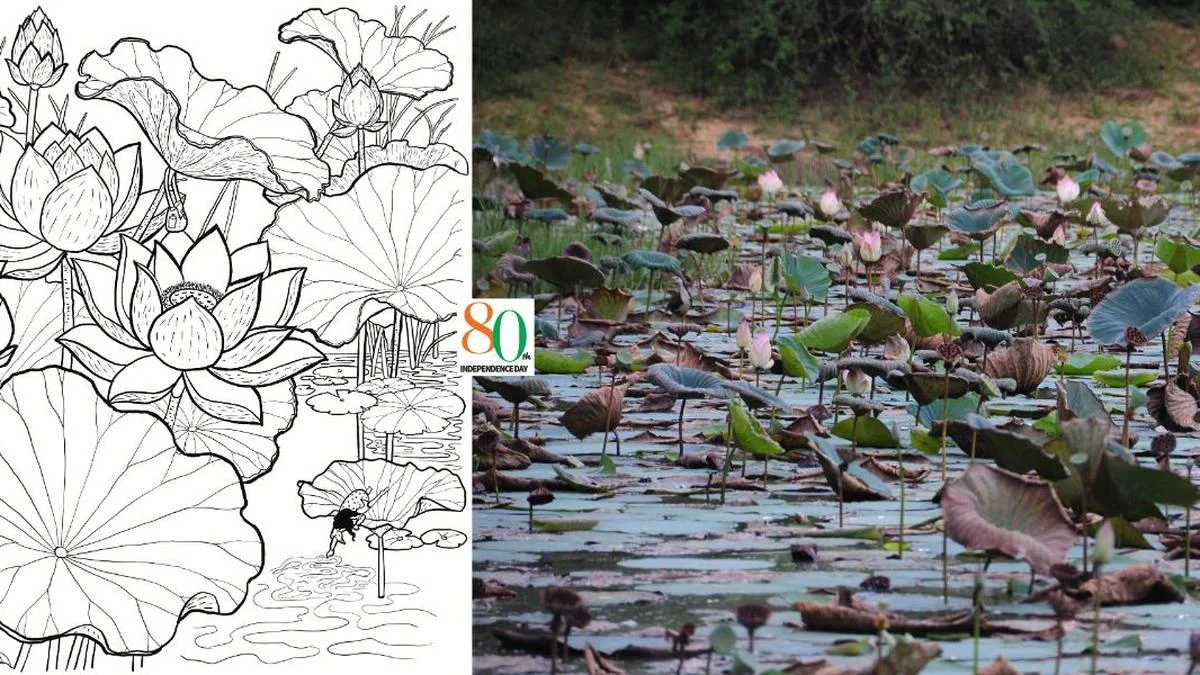
Vikram’s travel ethos is encapsulated in a line from Lucky Ali’s song Dekha Hai Aise Bhi: "Nazare bhi humse mile" (The sights will come to meet you). This "life anthem" advocates for a slow, unscheduled presence. By not chasing a specific experience, Vikram argues, one allows the most authentic moments to find them. This philosophy has led her to discover hidden lotus ponds in Tamil Nadu and secret mural-painted homes in Jharkhand—places absent from any guidebook.

Chronology: A Decade of Serendipity
Vikram’s journey from a corporate professional to a champion of Indian crafts was not a linear path but a series of fortuitous encounters.
2008: The Monsoon Catalyst
The turning point occurred in 2008 while Vikram was still immersed in the corporate world. Inspired by Alexander Frater’s travelogue, Chasing the Monsoon: A Modern Pilgrimage Through India, she joined a group of near-strangers on a trip to Goa. Traveling by train from Mumbai and driving down the rain-drenched coast, this trip was defined by its lack of luxury: trekking through the muck to Yana caves in Gokarna, sleeping in dormitories, and the simple joy of local toddy.
This journey was more than a vacation; it was the foundation of her future business. The "strangers" she met on that trip became her chosen family and the initial investors who encouraged her to launch CraftCanvas.
2009–2011: The Analog Era of Craft Scouting
Beginning in 2009, Vikram started scouting craft locations across India. This was a pre-Instagram, pre-comprehensive Google Maps era. Her methodology was academic and boots-on-the-ground: she used the seminal text Handmade in India by Aditi and M.P. Ranjan as her roadmap.
In 2011, this led her to Shivarapatna in Karnataka’s Kolar district. Armed only with a photocopy of a book page and a Nokia GPS that failed as soon as the paved roads ended, she relied on a local tea-shop owner and a village boy to find the legendary stone carvers of the region.

2015–2017: High Stakes and Hidden Festivals
In 2015, a trip to Upper Kinnaur in Himachal Pradesh resulted in stumbling upon a local temple festival. The group arrived late, only to find the entire village in hand-woven bridal attire, sharing offerings of arrack (local liquor). For a design scout, witnessing months of artisanal weaving worn in its natural cultural context was a "treasure" that no scheduled tour could have provided.
By 2017, Vikram’s commitment to her craft was tested during a trip to Chamba. Despite being in her third trimester of pregnancy and dealing with the physical toll of mountain travel, she met with Padma Shri Lalita Vakil, a master of the Chamba Rumal (hand-embroidered handkerchiefs). The trip was marked by logistical hurdles—including a "shady" remote hotel reached only by foot—but rewarded the travelers with a morning view of a pristine river teeming with giant butterflies.
Supporting Data: The Indian Craft Landscape
To understand the significance of Vikram’s work, one must look at the scale of the sector she navigates.
- The Second Largest Employer: After agriculture, the textiles and handicrafts sector is the second-largest employer in rural India. It provides a livelihood to over 7 million artisans, according to the Ministry of Textiles.
- The "Handmade in India" Bible: The 2007 publication Handmade in India by M.P. Ranjan and Aditi Ranjan mapped 500 craft clusters across the country. This remains the definitive resource for researchers like Vikram, documenting everything from metalwork to terracotta.
- Economic Impact: While the sector is highly decentralized, India is one of the world’s largest exporters of handicrafts. In the 2022-23 fiscal year, India’s handicraft exports were valued at approximately $3.5 billion.
Vikram’s studio, CraftCanvas, plays a critical role in this ecosystem by translating these traditional skills into "contemporary spaces," effectively moving the craft from a "souvenir" category into a "lifestyle and architecture" category.
Official Responses: The Digital Transformation of the Village
The traditional "adventure" of finding an artisan is rapidly changing. As Vikram notes, the "information asymmetry" that once defined rural travel is dissolving.

The Rise of the Digital Artisan
Today, many of the villages Vikram once "discovered" now have:
- Geotags and Location Pins: Facilitating easier access for tourists and logistics providers.
- Social Media Presence: Artisans now use Instagram and WhatsApp to showcase their catalogs directly to international buyers.
- Digital Payments: UPI (Unified Payments Interface) has reached the smallest tea stalls, allowing for seamless transactions in remote areas.
The Double-Edged Sword of Accessibility
While Vikram admits to a "romantic" longing for the days of getting lost, she acknowledges the immense benefit of technology. An artisan no longer has to wait for a stray designer or a government official to show up to receive an order. The ability for an artisan’s daughter to afford college because of a "viral" reel or a direct WhatsApp order is a net positive for the community. However, from a traveler’s perspective, the "adventure" is becoming harder to seek out as the unknown becomes mapped.
Implications: The Future of Sustainable and Immersive Travel
Nisha Vikram’s narrative serves as a vital commentary on the future of travel and cultural preservation. Her experience suggests several key implications for the industry and the individual traveler.
The Preservation of "Slow Travel"
As global tourism returns to pre-pandemic levels, there is a growing movement toward "Slow Travel." Vikram’s approach—arriving without fixed expectations and being willing to stop the car for a "hidden lake"—aligns with this trend. It prioritizes quality of connection over the quantity of sights seen.
Ethical Consumption of Culture
By focusing on the artisan’s story rather than just the product, Vikram highlights an ethical way to engage with rural communities. When a traveler sits with an artisan for hours, sharing a meal of aloo posto (potatoes with poppy seeds) and fish, the transaction ceases to be merely commercial. It becomes a form of cultural exchange that respects the dignity of the maker.

The Role of Serendipity in a Mapped World
The most profound implication of Vikram’s story is the need to preserve "space for the unpredictable." In a world where every view is pre-screened on a smartphone, the value of the "chance encounter" increases. Whether it is a mural in Hazaribagh or a stone idol in Shivarapatna, these experiences remind the traveler that they are part of something larger than themselves.
Conclusion
Nisha Vikram’s journey from corporate Mumbai to the craft clusters of the Himalayas and the Deccan Plateau is a testament to the power of "un-tourism." While her daughter may currently prefer the predictable charms of Paris or Seoul, Vikram is laying the groundwork for a different kind of inheritance: an appreciation for the raw, the handmade, and the serendipitous.
In her view, the most vivid memories aren’t found at the end of a location pin, but in the moments when we allow the world to meet us on its own terms. As she continues to scout for CraftCanvas, she remains a romantic in a digital age, proving that the best way to find the heart of a country is, quite simply, to be willing to get lost.
