

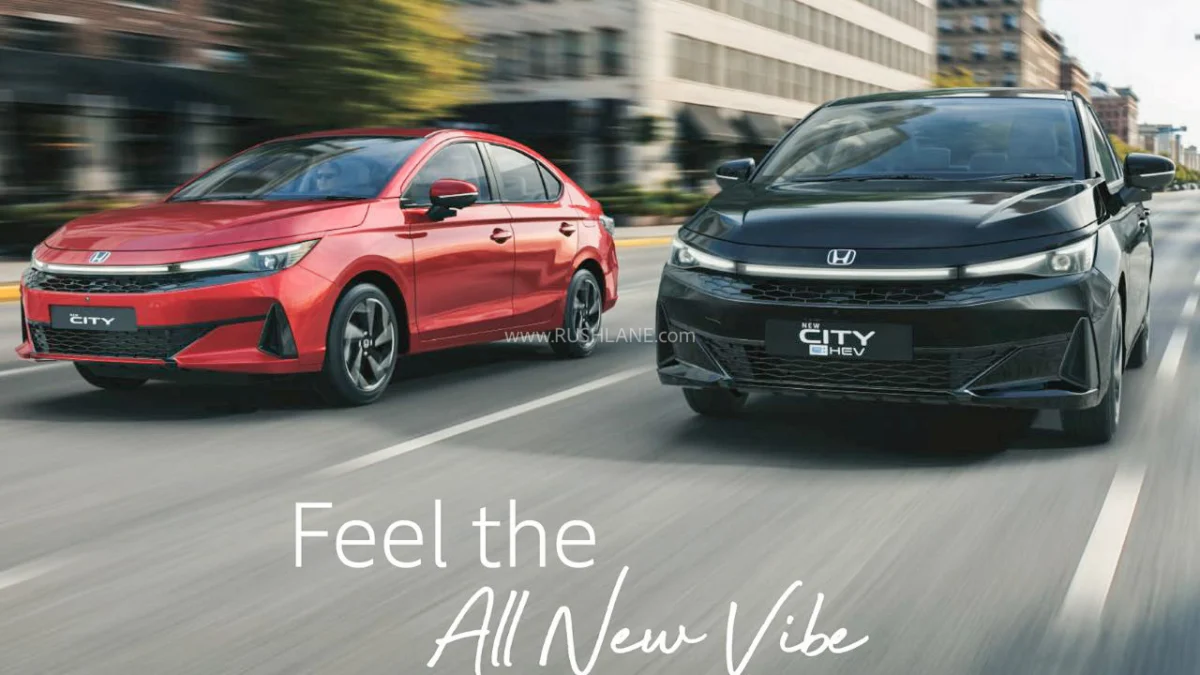
The mid-size sedan segment in India, long considered the cornerstone of the aspirational middle class, has witnessed a significant transformation with the arrival of the 2026 Honda City facelift. As the automotive landscape tilts increasingly toward SUVs, Honda Cars India has doubled down on its most iconic nameplate, infusing the City with sharper aesthetics, a more robust safety suite, and a tiered feature list designed to reclaim its throne from rivals like the Hyundai Verna, Volkswagen Virtus, and Skoda Slavia.
Starting at an aggressive price point of Rs 12 lakh and topping out at Rs 21 lakh for the high-tech hybrid variant, the 2026 Honda City is not merely a cosmetic update; it is a strategic realignment of the brand’s value proposition.
Main Facts: Pricing, Trims, and Design Philosophy
The 2026 Honda City facelift is structured across five distinct trim levels: SV, V, ZX, ZX+, and the range-topping ZX+ e:HEV. This hierarchy allows Honda to cater to a wide spectrum of buyers, from those seeking a premium entry-level sedan to tech-enthusiasts demanding cutting-edge hybrid efficiency.

Exterior Refinements
The facelift introduces a more aggressive "sharper" design language. The front fascia has been reworked with a new honeycomb mesh grille (on higher trims) and a revised bumper design that emphasizes width and road presence. The "Z-edge" wraparound LED tail lamps remain a signature element, but they are now complemented by clear lenses and gloss black accents on select variants. The addition of Berlina Black and Dark-Clear Cut finishes on the R16 alloy wheels further elevates the sedan’s premium stance.
Interior and Comfort
Inside, the cabin retains its celebrated ergonomics but gains significant feature upgrades. The most notable additions include ventilated front seats and a 360-degree surround-view camera—features that have become essential in the competitive Indian market. The use of dual-tone interiors, premium leather upholstery, and ambient lighting ensures that the City maintains its reputation for having one of the most sophisticated cabins in its class.
Detailed Variant-Wise Breakdown
To understand the 2026 City’s market positioning, one must examine the specific equipment levels offered across its five-tier structure.

1. The Base SV Variant: Setting a New Standard
Often, base variants are stripped-down versions of a car, but Honda has equipped the SV trim with a surprising level of "standard" luxury.
- Lighting: Bi-LED projector headlamps with integrated split LED DRLs.
- Wheels: R15 steel wheels (the only trim without alloys).
- Tech: An 8-inch touchscreen infotainment system with wired Android Auto and Apple CarPlay.
- Safety: This is where Honda excels, offering 6 airbags, Vehicle Stability Assist (VSA), and Tyre Pressure Monitoring (TPMS) as standard from the ground up.
2. The V Variant: The Tech Entry Point
The V variant is arguably the most significant for the tech-savvy buyer on a budget, as it introduces Honda SENSING (ADAS).
- Connectivity: Next-gen Honda Connect with Telematics Control Unit (TCU), allowing for smartwatch and Alexa integration.
- Convenience: Wireless Android Auto/Apple CarPlay and remote engine start (exclusive to the CVT).
- Wheels: Upgrade to R15 gray-painted alloy wheels.
3. The ZX Variant: The Luxury Pivot
The ZX variant focuses on tactile and visual premiumness.

- Exterior: One-touch electric sunroof and R16 diamond-cut alloys.
- Interior: Full leather upholstery and a leather-wrapped steering wheel.
- Audio: A 10.1-inch floating touchscreen paired with an 8-speaker premium surround sound system.
- Safety: Addition of the LaneWatch camera, which uses a camera under the passenger-side ORVM to eliminate blind spots.
4. The ZX+ Variant: The New Feature Flagship (Petrol)
The ZX+ is a new addition to the lineup, designed to bridge the gap between the standard petrol model and the hybrid.
- Ventilation: Finally introduces ventilated front seats, a must-have for Indian summers.
- Visuals: 360-degree surround-view camera and Berlina Black R16 alloys.
- Instrumentation: A 7-inch full-color TFT multi-information display with a digital G-Meter.
5. The ZX+ e:HEV: The Pinnacle of Efficiency
The hybrid variant remains the technological tour de force of the lineup.
- Powertrain: A dual-motor self-charging hybrid system delivering 126 PS and 253 Nm of torque.
- Efficiency: A staggering ARAI-certified mileage of 27.26 km/L.
- Exclusive Safety: Electric Parking Brake (EPB) with Auto Hold and 4-wheel disc brakes.
Chronology: The Journey of the 5th Generation City
The launch of the 2026 facelift marks a pivotal moment in the lifecycle of the 5th generation Honda City in India.

- July 2020: The 5th Generation Honda City was launched in India amidst the pandemic, introducing a larger footprint and a more premium cabin than its predecessor.
- May 2022: Honda introduced the City e:HEV (Hybrid), making it the first mainstream mid-size sedan in India to offer a strong hybrid powertrain.
- March 2023: A minor refresh was introduced to comply with BS6 Phase 2 (RDE) norms, which also saw the introduction of ADAS in petrol variants.
- May 2025/Early 2026: The current "2026 Facelift" is launched, bringing comprehensive feature updates like the 360-camera and ventilated seats to meet the evolving demands of the segment.
Supporting Data: Performance and Safety Specifications
The 2026 City continues to offer two distinct powertrain options, catering to different driving philosophies.
| Feature | 1.5L i-VTEC Petrol | 1.5L i-MMD e:HEV Hybrid |
|---|---|---|
| Max Power | 121 PS @ 6600 rpm | 126 PS (System Total) |
| Max Torque | 145 Nm @ 4300 rpm | 253 Nm (Motor Torque) |
| Transmission | 6-MT / 7-Step CVT | e-CVT (Single Speed) |
| Fuel Efficiency | 17.8 – 18.4 km/L | 27.26 km/L |
| Braking | Front Disc / Rear Drum | All 4 Disc Brakes |
| Standard Safety | 6 Airbags, VSA, HSA | 6 Airbags, VSA, EPB |
The Honda SENSING Suite
One of the City’s biggest competitive advantages is its Advanced Driver Assistance System (ADAS). Unlike some competitors that use radar-based systems, Honda utilizes a high-performance front camera with a wide-angle view. The suite includes:
- Collision Mitigation Braking System (CMBS): Alerts and applies brakes if a collision is imminent.
- Adaptive Cruise Control (ACC): Maintains a safe distance from the car ahead, now with "Low Speed Follow" on the hybrid variant.
- Lane Keeping Assist System (LKAS): Provides steering input to keep the car centered in its lane.
- Lead Car Departure Notification: Alerts the driver when the car in front starts moving.
Official Responses and Market Positioning
While Honda Cars India officials have emphasized "man maximum, machine minimum" (their core design philosophy), industry analysts view this facelift as a necessary defensive move. A spokesperson for Honda recently noted that the 2026 City is designed to "offer a holistic package that blends the emotional appeal of a sedan with the functional tech-savviness demanded by the modern Indian consumer."

The inclusion of features like the 360-degree camera and ventilated seats is a direct response to feedback from the Indian market, where these features were previously cited as missing links compared to the Hyundai Verna and the Kia Seltos (an SUV rival).
Implications: The Future of the Sedan Segment
The launch of the 2026 Honda City facelift has several far-reaching implications for the Indian automotive industry:
1. The Democratization of Safety
By offering 6 airbags and high-tensile steel construction as standard, and introducing ADAS as low as the ‘V’ variant, Honda is forcing competitors to rethink their safety packaging. This shift moves the industry toward a future where safety is not a "premium" add-on but a fundamental right.

2. Hybrid vs. Turbo-Petrol
While rivals like Volkswagen and Skoda have banked on 1.5L Turbo-petrol engines for performance, Honda is sticking to its guns with the e:HEV hybrid. This places the City as the premier choice for the environmentally conscious and fuel-efficiency-focused buyer, a segment that is growing as fuel prices remain volatile.
3. The Survival of the Sedan
The City remains the "North Star" for the sedan segment. Its success or failure with this facelift will largely determine if sedans can continue to coexist alongside the SUV onslaught. With the 2026 updates, Honda has addressed almost every criticism of the previous model, creating a car that is as practical as it is prestigious.
In conclusion, the 2026 Honda City facelift is a masterclass in incremental improvement. By refining the exterior, drastically improving the feature list, and maintaining a diverse range of powertrains, Honda has ensured that its most famous nameplate remains relevant, desirable, and highly competitive in an ever-changing market.
