

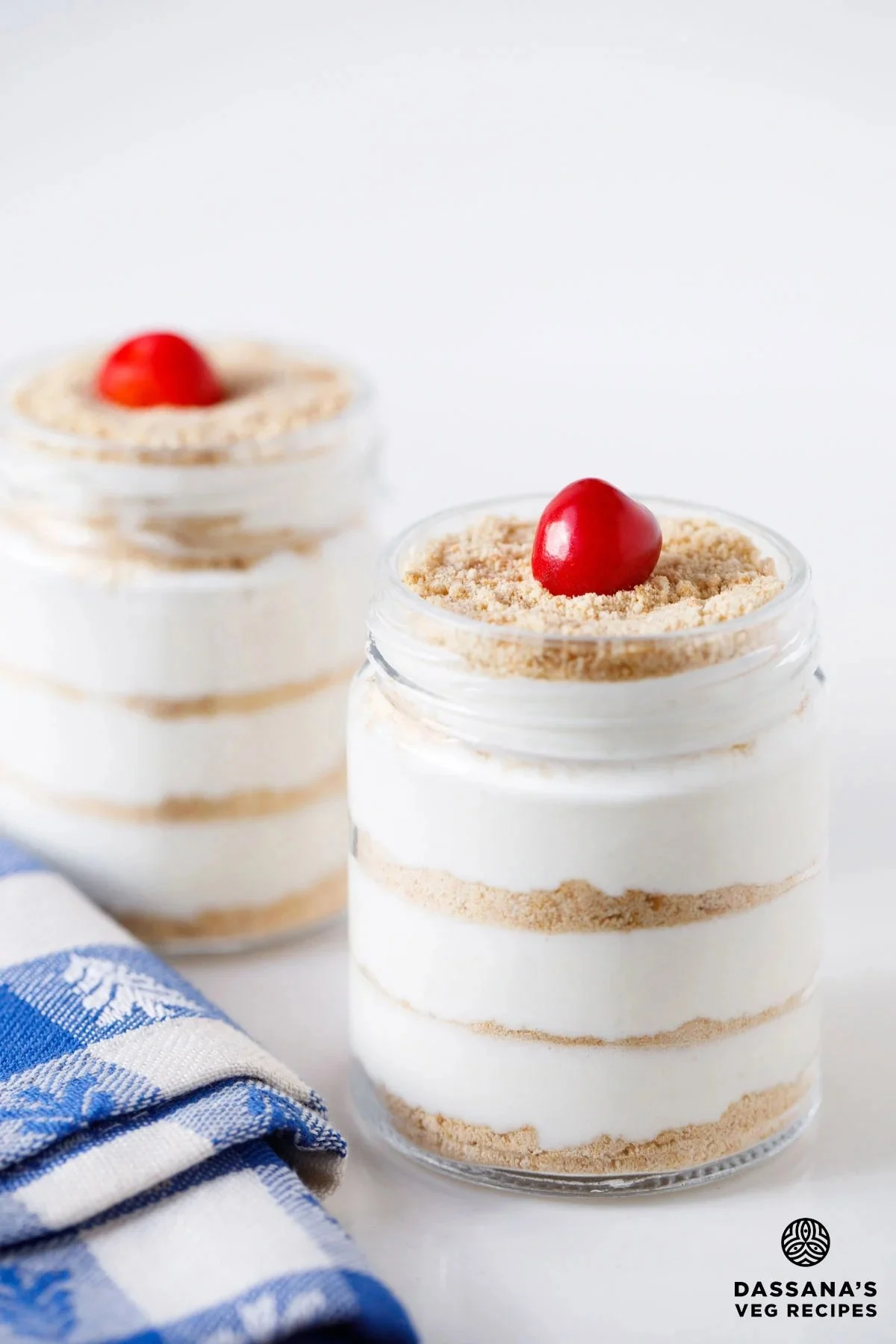
The world of haute cuisine often celebrates complexity, multi-day fermentations, and intricate chemical manipulations. However, every so often, a dish emerges that defies the necessity of complication, proving that the most enduring flavors are frequently the simplest. Enter Serradura, a dessert that has traveled from the cobblestone streets of Portugal to the vibrant markets of Macau and the sun-drenched coasts of Goa. Known colloquially as "Portuguese Sawdust Pudding," this chilled, no-bake confection has become a global sensation, bridging colonial history with modern culinary convenience.
Main Facts: The Anatomy of a Three-Ingredient Icon
At its core, Serradura is a study in minimalism. The dessert is composed of three primary elements: heavy whipping cream, sweetened condensed milk, and finely crushed Marie biscuits. The name itself, serradura, is the Portuguese word for "sawdust," a literal description of the biscuit crumbs that provide the dessert’s signature aesthetic and texture.

The structural integrity of the pudding relies on the layering process. By alternating the velvety, sweetened cream with the dry, powdery biscuit crumbs, a unique textural synergy is achieved. As the dessert rests, the moisture from the cream is partially absorbed by the "sawdust," transforming the dry crumbs into a soft, cake-like consistency while the cream retains its light, airy volume.
While it is celebrated as a Portuguese classic, its most famous iterations are found in former Portuguese territories. In Macau, it is considered a staple of Macanese cuisine, served in almost every café and high-end restaurant. Similarly, in the Indian state of Goa, Serradura has been a household name for decades, appearing at weddings, family feasts, and local bakeries.

Chronology: A Colonial Culinary Journey
The history of Serradura is inextricably linked to the Portuguese Age of Discovery and the subsequent establishment of trade routes and colonies across Asia.
The Portuguese Origins
The exact date of Serradura’s invention remains a subject of culinary debate, but it is widely accepted that the dessert evolved from the Portuguese tradition of using simple dairy and pantry staples to create "refrigerator cakes." Unlike the complex egg-yolk-heavy desserts (like Pasteis de Nata) that required ovens and precise temperature control, Serradura was the "everyman’s dessert"—accessible to those without professional kitchens.

The Macanese Evolution
When the Portuguese settled in Macau in the 16th century, they brought their culinary traditions with them. Over centuries, these recipes merged with local influences. Serradura found a permanent home in Macau, where it was perfected. It became the go-to dessert for the Macanese people, eventually becoming so iconic that it is now a must-try for tourists visiting the region.
The Goan Integration
Parallel to its success in Macau, the dessert traveled to Goa on the western coast of India. In the Goan context, Serradura represented a sophisticated yet reachable European influence. Because the ingredients—condensed milk and tea biscuits—were easily accessible during the British and Portuguese colonial eras in India, it became a mainstay of the Goan Catholic community. Today, it remains a symbol of the "Luso-Indian" fusion that defines Goan culture.

Supporting Data: The Science of Texture and Composition
To understand why Serradura works, one must look at the technical specifications of its ingredients. The simplicity of the recipe leaves no room for error; the quality of the components determines the success of the dish.
The Cream Threshold
Professional chefs emphasize the importance of fat content in Serradura. For the dessert to set correctly without the use of gelatin or stabilizers, the cream must have a milk fat percentage of at least 35%. This "heavy cream" or "whipping cream" allows for the creation of stable peaks. If the fat content is too low, the cream will collapse under the weight of the biscuit layers, leading to a soup-like consistency rather than a structured pudding.

The "Sawdust" Metric
The texture of the Marie biscuits is the defining characteristic of the dish. Marie biscuits, originally created by a London bakery to commemorate the marriage of the Grand Duchess Maria Alexandrovna of Russia, became a global phenomenon due to their light, crisp, and mildly sweet profile. When pulsed in a food processor or crushed with a rolling pin, they break down into a fine, sandy powder. This powder is essential; larger chunks of biscuit would disrupt the mouthfeel and prevent the "sawdust" effect that gives the dessert its name.
Nutritional Profile
According to culinary data, a standard serving of Serradura (approximately 1/4 of the standard recipe) contains:

- Calories: 508 kcal
- Total Fat: 34g (with 20g of Saturated Fat)
- Carbohydrates: 46g
- Sugar: 27g
- Protein: 7g
While calorie-dense, the dessert provides significant amounts of Calcium (163mg) and Vitamin A (1190 IU), largely due to the high dairy content.
Technical Execution: The Step-by-Step Methodology
The production of Serradura is a three-stage process: preparation of the "sawdust," the whipping of the cream, and the strategic layering.

Stage 1: The Crushing
Approximately 144 grams of Marie biscuits (roughly 28 biscuits) are processed until they resemble fine dust. Culinary experts suggest that if a food processor is unavailable, a zip-top bag and a rolling pin can achieve a similar result, provided the cook ensures no large fragments remain.
Stage 2: The Aeration
The whipping of the cream is a delicate balance. The cream must be chilled—ideally in a chilled bowl—to maximize volume.

- Soft Peaks: The cream is whipped until it begins to hold its shape but the peaks fold over.
- Incorporation: Sweetened condensed milk (120 grams) is added. This acts as both the sweetener and a thickener.
- Medium-Stiff Peaks: The mixture is whipped further until it is thick and fluffy. Over-whipping at this stage must be avoided to prevent the cream from turning into butter or becoming grainy.
Stage 3: The Architecture
Layering is where the visual appeal of Serradura is created. In individual glass jars or a large communal bowl, the process begins with a base layer of biscuit crumbs. This is followed by a layer of the cream mixture. This alternating pattern continues until the container is full, always concluding with a final, decorative layer of "sawdust" on top.
Expert Perspectives: Culinary Standards for Perfection
Leading pastry chefs and home-cooking experts, such as Dassana Amit, have refined the Serradura technique to ensure consistency. Several professional tips have emerged to elevate the dish from a simple home snack to a restaurant-quality dessert:

- The Folding Technique: For a lighter texture, some experts recommend whipping the cream slightly beyond soft peaks and then folding the condensed milk in with a spatula rather than using an electric mixer. This preserves the air bubbles and results in a more mousse-like finish.
- The "Set" Period: While the dessert can be eaten immediately, a refrigeration period of 4 to 5 hours is considered mandatory by professionals. This allows the moisture to migrate, softening the biscuits and "setting" the cream into a sliceable or scoopable form.
- Flavor Customization: While the classic recipe is strictly three ingredients, modern variations include the addition of vanilla extract, a pinch of sea salt to balance the sweetness, or even a splash of brandy for a more "adult" flavor profile.
Implications: The Future of "Simple" Desserts
The enduring popularity of Serradura has significant implications for the modern food industry. In an era where labor costs are rising and "minimalist" lifestyles are trending, Serradura represents a high-margin, low-effort item for the hospitality sector.
Economic Efficiency
For restaurants, Serradura is an ideal menu item. It requires no oven space, has a low ingredient cost, and can be prepared 24 to 48 hours in advance. Its long shelf life in the refrigerator (up to two days) reduces food waste, a critical factor in modern kitchen management.

The Rise of the "No-Bake" Movement
Serradura is at the forefront of the "no-bake" movement that has taken social media by storm. Its aesthetic layers make it highly "Instagrammable," while its accessibility encourages amateur bakers to experiment. This has led to a resurgence of interest in other regional Portuguese and colonial desserts, fostering a broader cultural appreciation for Luso-Asian culinary history.
Fusion and Modernization
We are currently seeing the "Serradura 2.0" era. Chefs are now experimenting with different biscuit bases—such as chocolate Oreos, ginger snaps, or Biscoff cookies—to create modern iterations of the classic. Garnishes have also evolved, with fresh mango, crushed pistachios, or even a drizzle of salted caramel being used to add complexity to the original three-ingredient palate.

Conclusion
Serradura is more than just a pudding; it is a culinary artifact that tells the story of migration, adaptation, and the universal love for cream and sugar. From its humble beginnings as a "sawdust" metaphor in Portugal to its status as a beloved icon in Macau and Goa, it proves that greatness in the kitchen does not always require heat or a long list of ingredients. As long as there is cream to whip and biscuits to crush, Serradura will remain a testament to the power of simplicity in a complex world.
