


The quest for a healthier, more vibrant life has taken a significant turn with the advent of GLP-1 receptor agonists, a class of drugs that have rapidly moved from managing type-2 diabetes to becoming a prominent tool in the fight against obesity. In India, a nation grappling with a dual epidemic of malnutrition and an escalating obesity crisis, these medications represent a beacon of hope for many. However, the burgeoning GLP-1 revolution is not without its complexities, raising critical questions about accessibility, long-term sustainability, and the unique metabolic landscape of the Indian population.
The Promise of Transformation: Personal Journeys with GLP-1s
For Mukta Dhond, a 49-year-old television producer in Mumbai, the journey began with a humbling moment. During a vacation in Scotland with her young son in 2024, she found herself struggling to keep pace on a steep climb, a stark realization of her battle with obesity. Already pre-diabetic, Dhond’s experience ignited a resolve for change. "He would run up the hills and I would be far behind. I realized it was time to change things," she recalls.

Her commitment led her to GLP-1 therapy, specifically Ozempic, in March 2025. Weighing 117 kg at the start, Dhond has since shed 22 kg, currently standing at 95 kg. This transformation, which she describes as a "game-changer," has brought about a profound sense of reinvention and liberation. Her monthly ritual now includes visits to the tailor to adjust her 20 pairs of jeans, a testament to her physical metamorphosis.
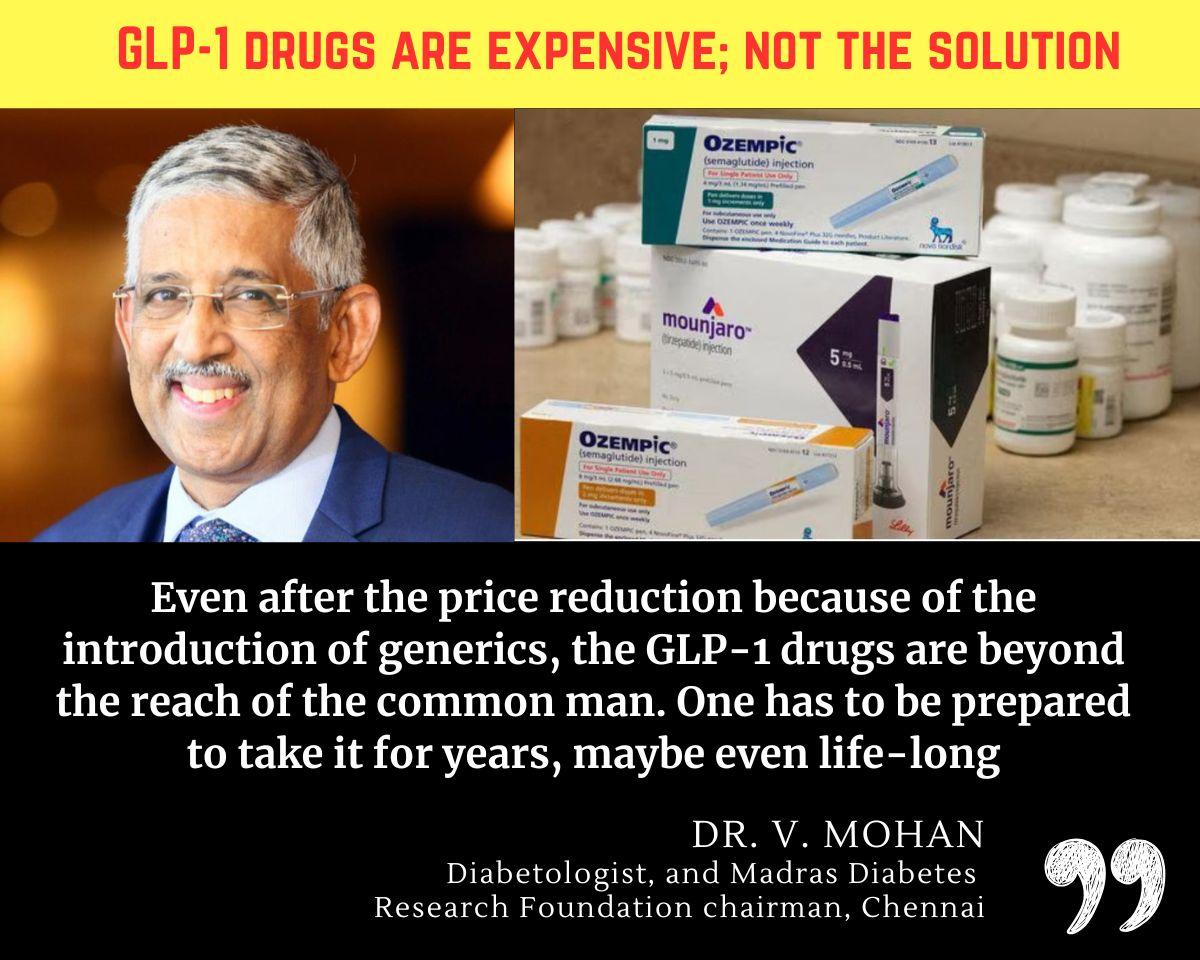
Dhond’s commitment extends beyond medication. Her current fitness regimen includes swimming, strength training three times a week, short walks after meals, and consistent monthly blood work and bi-monthly endocrinologist follow-ups. This comprehensive approach comes at a cost, with monthly expenses reaching up to ₹20,000. The GLP-1 injections themselves range from ₹8,000-₹10,000, with generics now available for ₹3,500-₹4,500. While these prices have seen a reduction, they remain a significant financial hurdle for many. "They are expensive," notes Dr. V. Mohan, a Chennai-based diabetologist and chairman of the Madras Diabetes Research Foundation. "Even after the price reduction because of the introduction of generics, they are beyond the reach of the common man."

Following six months on Ozempic, Dhond’s physician switched her prescription to Mounjaro, which accelerated her weight loss. Her Body Mass Index (BMI), which stood at 45 at the commencement of her GLP-1 journey (the normal range being up to 23), has significantly improved. While chronic pains vanished and her blood parameters normalized, she experienced a drop in thyroid levels to zero and concerning muscle loss and sagging. This underscores the critical need for a holistic approach, and Dhond credits her sustained fitness and a carefully curated diet – rich in lean proteins, healthy fats like olive oil and avocado, and minimal carbohydrates – for the improvement in her thyroid levels and muscle health.
The GLP-1 journey of Bollywood filmmaker Hansal Mehta offers another compelling narrative. Three years ago, weighing 105 kg, Mehta had tried various diets and exercise regimes without sustained success. For the past eight months, he has been on Mounjaro, complemented by strength training and cardio four times a week, intermittent fasting for 16-18 hours most days, and a regimen of supplements. He has since lost 32 kg, now weighing 73 kg. "My actual age is 57, but based on all health parameters, my metabolic age is 43," he proudly states. His long-standing high blood pressure has stabilized. Mehta emphasizes that while the drug has been instrumental, it is not solely responsible for his transformation. "At parties, my weight-loss journey often gets dismissed as ‘Oh, he is on Mounjaro.’ But the reality is I am doing so much more than just the pill," he asserts.

However, the experience of a 33-year-old finance professional from Bengaluru, who wished to remain anonymous, highlights the potential pitfalls of relying solely on medication without proper lifestyle guidance. He and his wife, both on Mounjaro, initially lost 10 kg in four months. However, without specific dietary or exercise protocols from their doctor, they experienced persistent low energy, mood swings, and constant nausea. "Mounjaro definitely doesn’t live up to its hype," he commented, adding that his wife regained 4 kg soon after discontinuing the drug. This case serves as a stark reminder that without a comprehensive lifestyle modification protocol, the experience with GLP-1s can be disappointing.
The Science Behind the "Magic Pill": Understanding GLP-1 Receptor Agonists
Glucagon-like-Peptides-1 (GLP-1) receptor agonists are a class of medications that mimic a natural hormone produced in the gut. GLP-1 plays a crucial role in regulating blood sugar by stimulating insulin release, reducing glucagon secretion, and, most significantly for weight management, increasing feelings of satiety or fullness. Approved in the U.S. for weight loss in 2021, these drugs have revolutionized the approach to managing type-2 diabetes and obesity.

In the contemporary discourse surrounding weight loss, a new term has emerged: "food noise." This refers to the incessant mental chatter about hunger and the urge to eat. The purported magic of GLP-1 drugs lies in their ability to effectively silence this "food noise" in individuals struggling with obesity and diabetes. However, the concept of "food noise" in India carries a different weight. For many, the struggle is not with an overwhelming urge to eat, but with limited access to proper nutrition or sufficient food. India faces a paradox of parallel epidemics: an estimated 172 million Indians are undernourished, according to the 2025 State of Food Security and Nutrition in the World (SOFI) report, while simultaneously, data from the National Family Health Survey-5 (NFHS-5, 2019-21) indicates that approximately 24% of women and 23% of men are overweight or obese. This complex reality underscores that while GLP-1s may offer a solution to overeating, they do not address the fundamental issues of food insecurity and malnutrition.
Dr. David Chandy, Director of Endocrinology and Diabetology at Sir H.N. Reliance Foundation Hospital, Mumbai, articulates the current enthusiasm surrounding these drugs. "Newer agents in this family, and dual incretin drugs such as tirzepatide, have changed the conversation because, for the first time, we have medicines that can produce meaningful and, sometimes, dramatic weight reduction," he explains. The American Diabetes Association guidelines now place weight management centrally in diabetes care, with GLP-1-based therapy being a preferred approach when significant weight loss is a goal.
Navigating the Indian Metabolic Landscape: Unique Challenges and Considerations
India presents a unique physiological and cultural context for the GLP-1 revolution. The nation is often dubbed the "diabetes capital of the world," with an obesity epidemic swelling across its vast population. However, the Indian metabolic profile differs significantly from Western populations. A key concern is the prevalence of "sarcopenic obesity," characterized by low muscle mass and higher fat mass, which exacerbates insulin resistance.
Dr. Ravi Sankar Erukulapati, a senior consultant endocrinologist at Apollo Hospitals, Jubilee Hills, Hyderabad, highlights this issue. "Added to this is a general lack of awareness. Many people still equate absence of visible obesity with good health, which is not true in the Indian context," he states. This often leads to a delayed diagnosis and a misconception that individuals with a lower Body Mass Index (BMI) are automatically healthy.

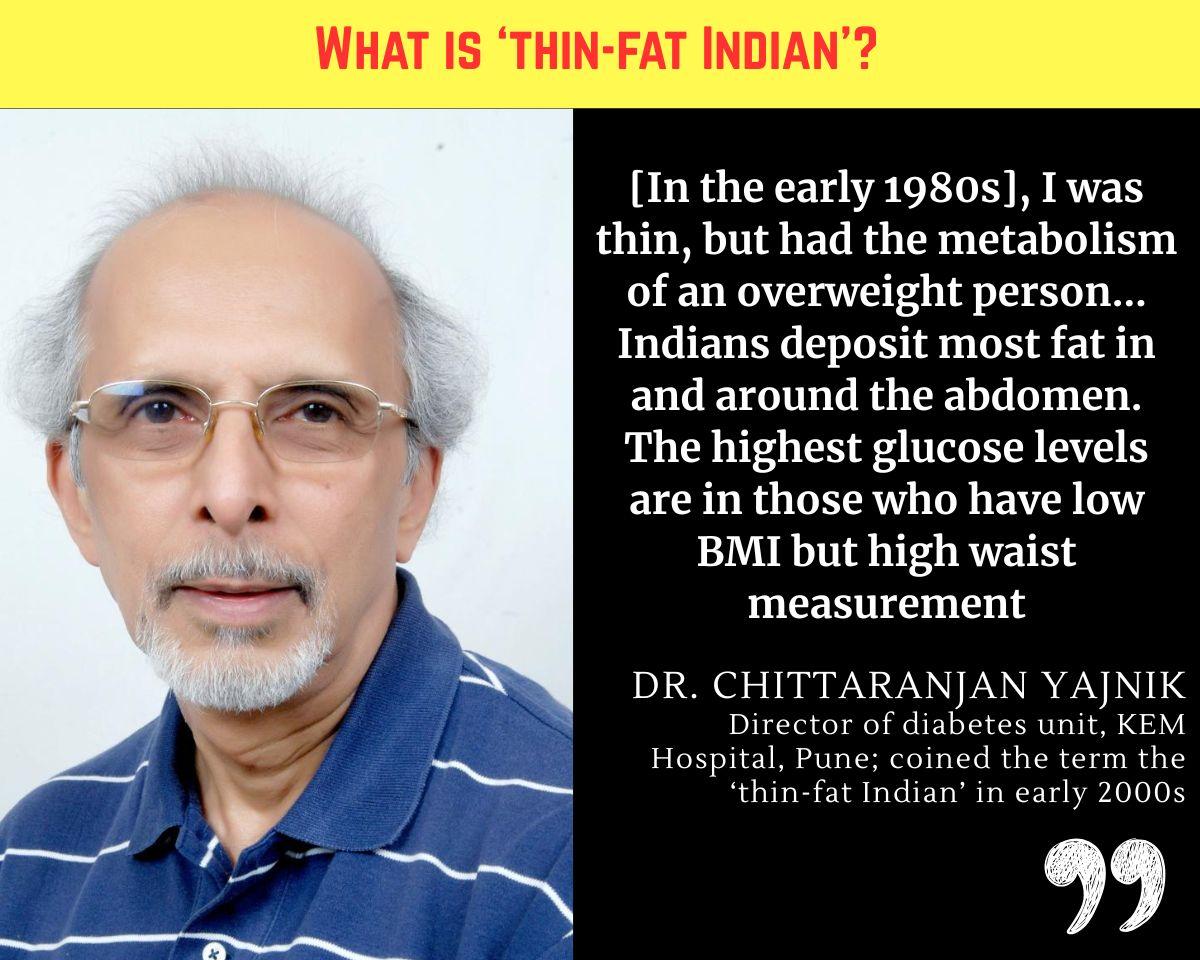
The concept of the "thin-fat Indian," coined by Dr. Chittaranjan Yajnik, a leading diabetologist, in the early 2000s, sheds further light on this phenomenon. Dr. Yajnik’s research revealed that many Indians, even those with a normal BMI, tend to deposit fat primarily in and around the abdomen, leading to a higher risk of metabolic disorders. This body type, characterized by thin limbs and a disproportionately larger waistline, is a significant concern. GLP-1 drugs, while effective for overall weight loss, can lead to a rapid reduction in muscle mass, a process that Dhond describes as "death by muscle loss." This can be particularly detrimental for individuals already predisposed to sarcopenic obesity.
The reasons behind this unique metabolic profile are multifaceted, encompassing genetic predispositions and epigenetic factors. Dr. Ramesh Hariharan, CEO and co-founder of Strand Life Sciences, a leading genomic testing company in India, explains that genetics plays a crucial role, influencing behaviors around hunger, satiety, and food reward. He emphasizes, "Genetics loads the gun, lifestyle pulls the trigger." While obesity-related genes cannot be modified, lifestyle remains the most potent tool for managing the condition.

Furthermore, India’s rich food culture, deeply intertwined with tradition and community, adds another layer of complexity. GLP-1s can significantly alter a person’s relationship with food, making them largely "food-proof." As Dhond and Mehta have experienced, social engagements often shift from food-centric activities to fitness or conversation-based interactions. This cultural adaptation, while beneficial for health, represents a departure from deeply ingrained social norms.
Patent Expiry and the Rise of Generics: A Double-Edged Sword
The recent expiry of the patent for Semaglutide, the active ingredient in Ozempic and Wegovy, has opened the floodgates for generic versions of GLP-1 drugs in India. This development is poised to significantly impact market dynamics and potentially improve accessibility. Pharmaceutical giants like Sun Pharmaceutical have already announced the launch of generic Semaglutide brands such as Sematrinity and Noveltreat, with prices ranging from ₹2,690 to ₹7,490 depending on the dosage. Novo Nordisk, the original manufacturer, has also reportedly slashed prices for Ozempic and Wegovy in India, intensifying competition in this rapidly expanding market.
While the influx of generics promises to make these life-changing medications more affordable, experts remain cautiously optimistic. Dr. Dheeraj Kapoor, Head of Endocrinology at Kokilaben Dhirubhai Ambani Hospital, Mumbai, cautions, "These drugs are not a quick-fix at a population level. Access, cost, and appropriate use will determine impact. Even in the best-case scenario, it will take years before we see a meaningful shift in overall numbers."
Regulatory Scrutiny and Ethical Debates: The Backlash and Future Outlook
The rapid approval and widespread use of GLP-1s have not been without their critics. In May 2025, a Public Interest Litigation (PIL) was filed in the Delhi High Court by Jitendra Chouksey, a fitness evangelist and founder of FITTR, a preventive health company. Chouksey’s petition raised concerns about the rapid adoption of these drugs, not only in hospitals but also in wellness clinics, and the potential dangers of unsupervised use, particularly the significant muscle mass loss and rapid weight regain upon discontinuation.

This concern was echoed in the Indian government’s official guidelines for GLP-1 drug usage, released in April 2025. These guidelines mandate a prescription from an endocrinologist, cardiologist, or internal medicine specialist for both original and generic GLP-1s. Furthermore, they instruct manufacturers to cease any marketing that encourages unsupervised use. This regulatory intervention aims to ensure that these potent medications are used responsibly and under appropriate medical supervision.
The GLP-1 market is witnessing a "gold rush," trickling down to aesthetic clinics and even bridal packages. For instance, Klarity Health Clinic in Delhi offers a "Mounjaro Bride Package" at ₹1.10 lakh for 12 sessions, indicating a growing trend of using these drugs for cosmetic purposes. This commercialization raises ethical questions about the intended use of these medications and the potential for misuse.

Beyond weight loss and diabetes management, emerging research in the U.S. suggests potential applications of GLP-1s for addiction, menopausal health, autoimmune diseases, and even mental health conditions. However, in the Indian context, with its unique metabolic challenges and socio-economic disparities, the promise of GLP-1s is substantial but conditional. As Dr. Mohan aptly notes, the journey is long, and the drugs may require lifelong use for sustained benefits.
The future of the GLP-1 revolution in India is a complex tapestry woven with threads of scientific advancement, economic realities, cultural nuances, and regulatory oversight. While these drugs offer unprecedented opportunities for individuals struggling with obesity and diabetes, their true impact will depend on equitable access, responsible prescription, comprehensive lifestyle integration, and a deeper understanding of India’s unique metabolic landscape. As the market continues to evolve and new research emerges, time will ultimately tell if Ozempic and its successors can truly contribute to optimizing human health on an overburdened planet.
