

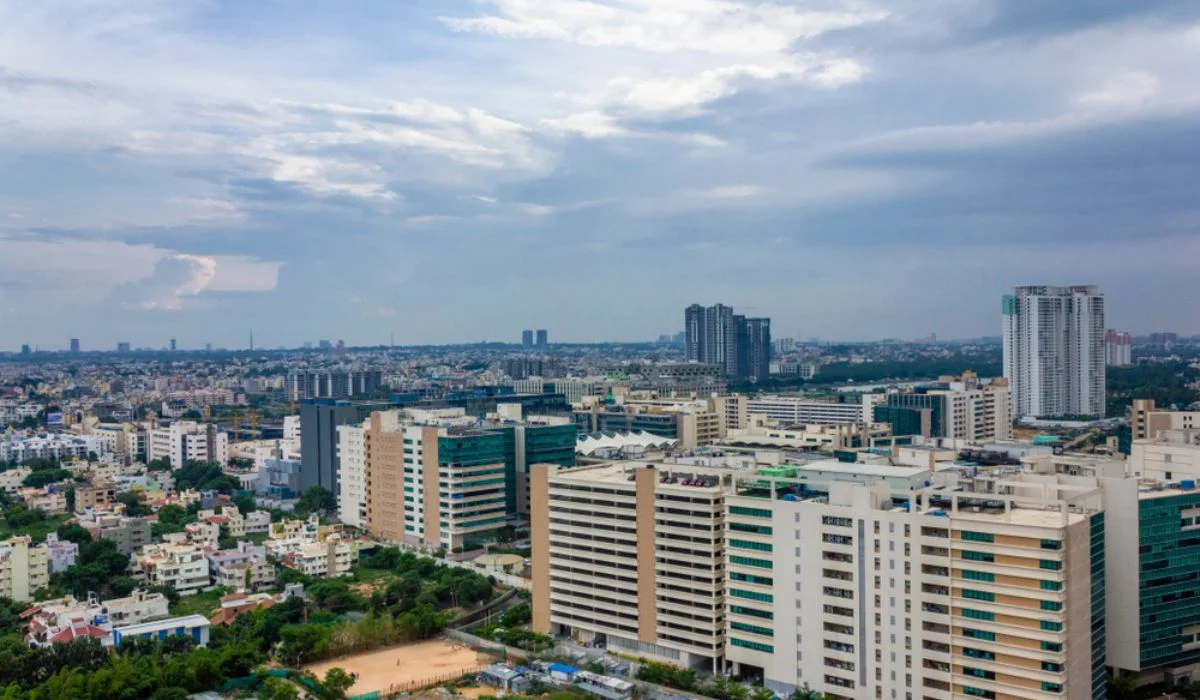
In the rapidly evolving landscape of Indian real estate, the decision of where to rent a home has transitioned from a simple matter of convenience to a complex calculation involving economics, lifestyle, and long-term career planning. As India’s Tier-1 cities—Bangalore, Mumbai, Delhi-NCR, Hyderabad, and Chennai—continue to expand, the divide between the "core city" and the "emerging outskirts" has become more pronounced.
For the modern Indian tenant, the choice is no longer just about the number of bedrooms; it is a choice between the high-octane, convenient, yet cramped life of the city center and the spacious, modern, yet commute-heavy lifestyle of the suburbs. This comprehensive guide explores the shifting dynamics of the Indian rental market, providing a deep dive into the factors that should influence a tenant’s decision-making process.
1. Main Facts: The Current State of the Indian Rental Market
The Indian rental market is currently undergoing a period of significant volatility and growth. Following the return-to-office mandates issued by major IT firms and multinational corporations, rental demand in metropolitan hubs has reached record highs.
The Central Business District (CBD) Crunch
In cities like Mumbai and Bangalore, the demand for housing near Central Business Districts (CBDs) such as the Bandra-Kurla Complex (BKC) or MG Road has far outpaced supply. This imbalance has led to a "landlord’s market," where rental prices for modest 1-BHK and 2-BHK apartments have skyrocketed. In South Mumbai or South Delhi, premium heritage properties and luxury high-rises command rents that often exceed the monthly salaries of mid-level professionals.
The Rise of the Satellite Suburb
Conversely, the outskirts—often referred to as "satellite towns" or "emerging corridors"—are witnessing a construction boom. Areas like Noida Extension (Greater Noida West) in the NCR, Gachibowli in Hyderabad, and Sarjapur Road in Bangalore have become the go-to destinations for young families and professionals. These areas offer a stark contrast to the city centers: they provide newer inventory, larger floor plans, and modern gated-community amenities at a fraction of the cost found in the city core.
2. Chronology: The Evolution of Urban Residential Patterns
To understand the current dilemma, one must look at how Indian urban geography has shifted over the last three decades.
Phase 1: The Compact City (Pre-2000s)
Before the liberalization of the Indian economy and the subsequent IT boom, residential life was concentrated within the city limits. Public transport, primarily buses and local trains, dictated living patterns. People lived close to their workplaces, and the "outskirts" were often considered rural or industrial zones with little to no residential appeal.
Phase 2: The IT Expansion and Satellite Growth (2000–2015)
The arrival of global tech giants necessitated large office parks. Because city centers were already saturated, these hubs were built on the periphery—places like Whitefield in Bangalore, Hinjewadi in Pune, and Cyber City in Gurgaon. This led to the first major wave of suburban migration. Developers followed the jobs, creating the first generation of modern townships.
Phase 3: The Infrastructure Integration (2015–2020)
Government initiatives focused on "connectivity." The expansion of the Metro Rail networks in Delhi and Bangalore and the construction of peripheral ring roads began to blur the lines between the city and the outskirts. The outskirts were no longer "far"; they were "accessible."
Phase 4: The Post-Pandemic Paradigm (2020–Present)
The COVID-19 pandemic fundamentally altered tenant priorities. The "Work from Home" (WFH) and later "Hybrid Work" models made people realize the value of extra space. A home office became a necessity, driving tenants toward the outskirts where they could afford an extra room. However, as offices reopened in 2023, the "commute fatigue" returned, creating the current dilemma: should one stay in the spacious suburb or move back to the convenient city center?
3. Supporting Data: Affordability and Economic Indicators
When comparing the city center to the outskirts, the data highlights a significant "Rental Gap."
Rental Value Comparison
According to recent market reports, the rental price per square foot in a city center can be 2x to 3x higher than in the outskirts.
- Mumbai: A 2-BHK in a prime area like Worli or Bandra can range from ₹80,000 to ₹1.5 lakh per month. In contrast, a similar-sized apartment in the outskirts like Thane or Navi Mumbai may cost between ₹25,000 and ₹45,000.
- Bangalore: In premium pockets like Koramangala or Indiranagar, 2-BHK rents hover around ₹45,000 to ₹60,000. Moving to the outskirts like North Bangalore (near the airport) or Electronic City can bring that down to ₹20,000 to ₹35,000.
The "Hidden Costs" of the Outskirts
While the base rent is lower in the outskirts, tenants must factor in the "Total Cost of Living."
- Commutation Costs: A tenant living 20km away from work may spend ₹8,000–₹12,000 monthly on fuel or app-based cabs.
- Time Poverty: Spending 2–3 hours daily in traffic has a quantifiable impact on mental health and productivity.
- Maintenance Charges: Newer gated communities in the outskirts often have high Maintenance Society Charges (ranging from ₹4,000 to ₹10,000) due to the presence of swimming pools, clubs, and 24/7 security.
4. Factors to Consider: Connectivity, Lifestyle, and Safety
The choice between the city and the suburbs is rarely purely financial; it is a lifestyle trade-off.
Infrastructure and Connectivity
The city center’s greatest asset is its "walkability" and established public transport. Schools, tertiary care hospitals, and high-end retail are usually within a 3km radius.
In the outskirts, connectivity is often a promise rather than a reality. Many "fast-developing" areas suffer from poor last-mile connectivity. While the Metro might reach the general vicinity, the lack of reliable feeder buses or rickshaws can make the commute frustrating.
Property Age and Amenities
This is where the outskirts win decisively. City center rental stock is often aged. Tenants may find themselves paying a premium for apartments in 30-year-old buildings with no elevators, limited parking, and outdated plumbing.
In contrast, suburban developments are "lifestyle products." A standard rental in a Noida Extension or a New Gurgaon township includes:
- Multi-tier security and CCTV.
- Power backup (essential in Indian summers).
- Recreational facilities like gyms, parks, and community halls.
- Spacious balconies and modern kitchen layouts.
Safety and Social Infrastructure
While gated communities in the outskirts offer high internal security, the surrounding areas can sometimes be isolated. Poor street lighting and a lack of police patrolling in developing corridors can be a concern for those who work late hours. City centers, being densely populated and active 24/7, generally offer a higher sense of external safety.
5. Official Responses and Expert Perspectives
Industry experts suggest that the "right" choice depends on the tenant’s current life stage.
Real Estate Analysts’ View:
Analysts from leading firms like Housing.com and JLL suggest that the "sweet spot" is currently shifting toward "well-connected suburbs." They note that "The Rental Yield in Indian cities remains low (2-3%), but the capital appreciation in the outskirts is high. For tenants, this means they can enjoy a luxury lifestyle in the outskirts for a rent that is much lower than the EMI of the same property."
Urban Planners’ Perspective:
Urban planners emphasize the importance of the "15-minute city" concept. They argue that if a suburb doesn’t allow a tenant to access basic needs (groceries, healthcare, transit) within 15 minutes, the lower rent is a "false economy." They advise tenants to look for areas where the government has already committed to infrastructure, such as the upcoming Metro lines in Mumbai (Line 3) or the peripheral ring roads in Bangalore.
Legal and Regulatory Context:
Experts also point out that rental increases are becoming more standardized. While most agreements cite a 5% to 10% annual hike, the "Rent Control Acts" of various states provide a framework, though they are often bypassed by mutual contracts. In high-demand city centers, landlords are increasingly asking for "market-linked" hikes, which can sometimes reach 15-20% in a single year during high-demand cycles.
6. Implications: The Future of Urban Living in India
The tension between city center living and suburban expansion will likely shape the future of Indian real estate in several ways:
1. The Rise of "Co-living" in City Centers
To combat high rents and small spaces, young professionals are increasingly opting for "co-living" spaces in city centers. These managed accommodations provide the convenience of the CBD with shared costs, making the city center accessible to those who otherwise couldn’t afford it.
2. The Development of "Work-Live-Play" Hubs
Developers are no longer just building apartments in the outskirts; they are building mini-cities. By integrating office spaces within residential townships (the "Walk to Work" concept), the biggest disadvantage of the outskirts—the commute—is being eliminated.
3. Impact of Mega-Infrastructure Projects
Projects like the Delhi-Mumbai Industrial Corridor (DMIC), the Navi Mumbai International Airport, and various Peripheral Ring Roads will eventually turn today’s "outskirts" into tomorrow’s "secondary CBDs." As these projects reach completion, the rental gap between the core and the periphery will likely narrow.
4. Environmental and Social Impact
The sprawl into the outskirts places a strain on groundwater and local ecosystems. However, it also reduces the crushing density of the city centers. For the tenant, the implication is a shift toward a more "balanced" life, provided they can navigate the logistical challenges of the commute.
Final Verdict: Which Should You Choose?
The decision to rent in the city center or the outskirts is not a one-size-fits-all answer.
- Choose the City Center if: You are a young professional prioritizing networking, social life, and a short commute; you don’t mind living in a smaller, older space in exchange for the "vibe" and convenience of the city.
- Choose the Outskirts if: You work remotely or have a hybrid schedule; you have a family that requires more space and better amenities; you are budget-conscious and value a quiet, gated-community environment over the hustle of the city.
Ultimately, a balanced approach—evaluating the "total cost of occupancy" rather than just the monthly rent—will lead to the most sustainable and satisfying living arrangement.
